Bollards · GeoGuessr
Bollards in GeoGuessr: the post by the road gives it away
Bollards line almost every country road. Shape, band and reflectors often give the country away from afar. You can turn them round, because the back counts too.
At a glance
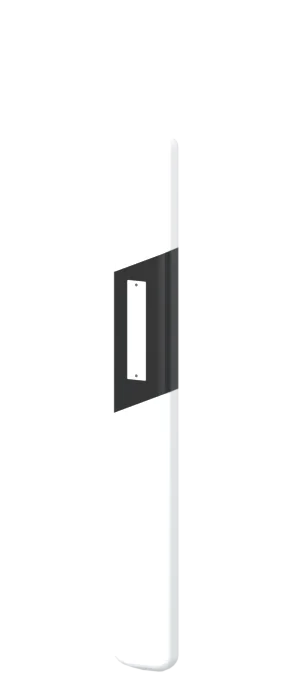 Germany
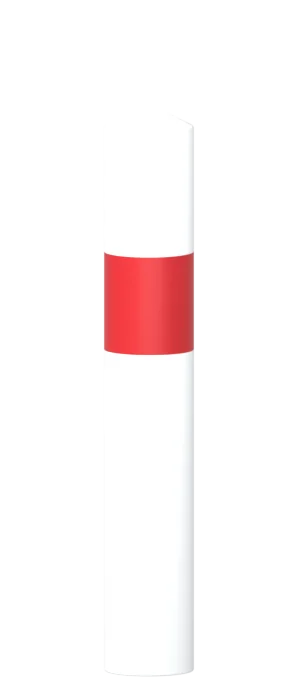 France
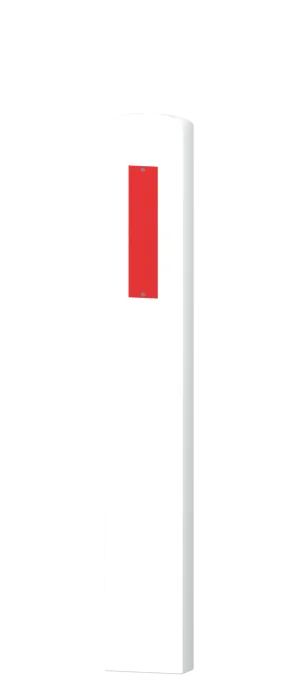 Netherlands
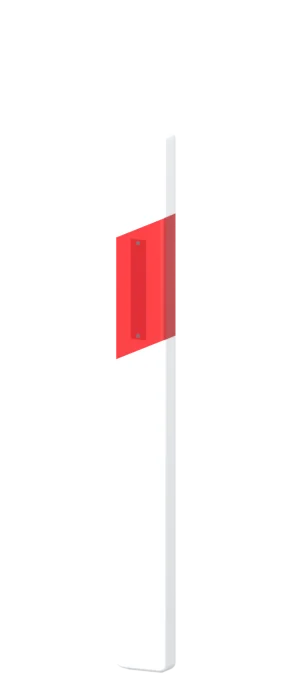 Poland
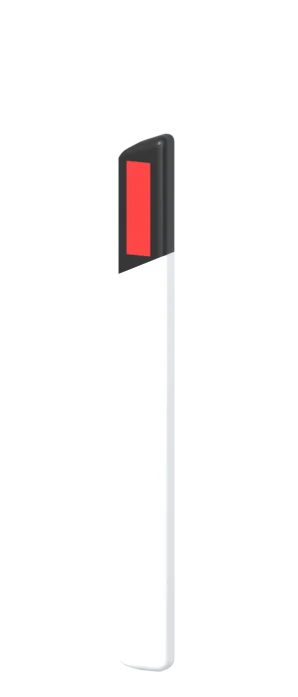 Italy
Why it matters
Bollards line almost every country road, even where there's nothing else to see. Shape, band and reflectors are a little different everywhere, and the back often gives away more than the front.
Good to know
- Start with the shape: round, triangular, flat, a narrow curved blade or a short stone.
- Then the band: black, red, yellow or none at all – straight or slanted like the head.
- Reflectors: rectangle, circle, diamond or strip, white, yellow, orange or red – front and back often differ, so turn it round.
- In left-hand traffic countries bollards are mirrored: the sloped head falls towards the road.
How to learn it
Country from the bollard
One bollard per question, and you can turn it round. Which country is it?
Country by country

Like Finland, but a flat, slightly curved plate (like a shallow C): white post with a flat head, slightly slanted black band with a wide white reflector in front, two dots at the back; also a yellow strip in a level black band with amber reflectors at the back.
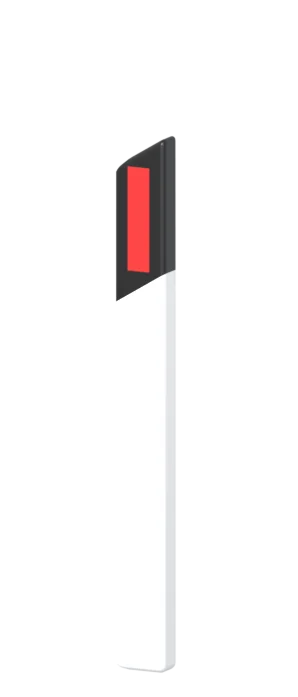
Black head (slanted lower edge) with a long red reflector in front, white at the back.

Inconsistent; often like in Chile: angle profile (V) with a wide, steeply slanted black band, white reflector in front and yellow at the back. Also Italian-like (black head, red rectangle), with a light blue band or a red diagonal band.

White post with a red reflector in front, grey at the back – the reflector stops in the middle (in New Zealand the red wraps all the way round).
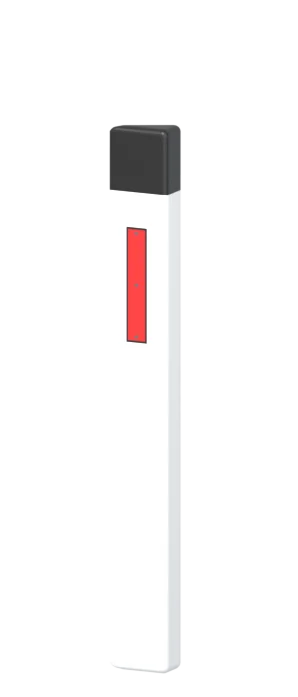
Black flat cap, no band; a little below it a narrow black-framed strip with three screws (top, middle, bottom): red in front, white at the back.
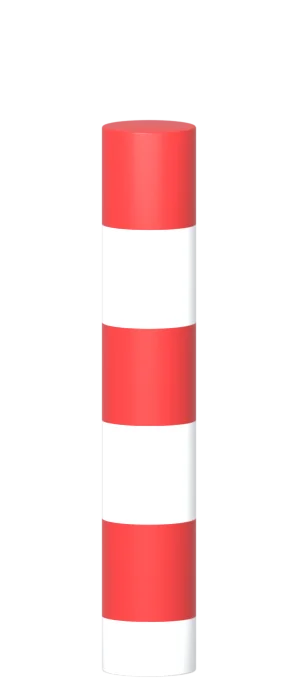
Red-and-white striped concrete bollards all over the country, round or square.
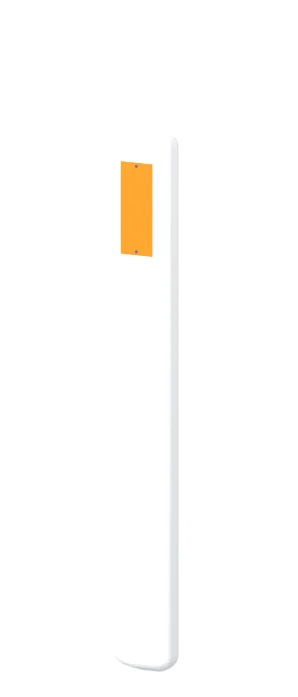
White delineator with a triangular cross-section and a rounded, sloped head, no band; orange reflector right below the head, a colourless (white) one at the back. Also newer posts with a black head.
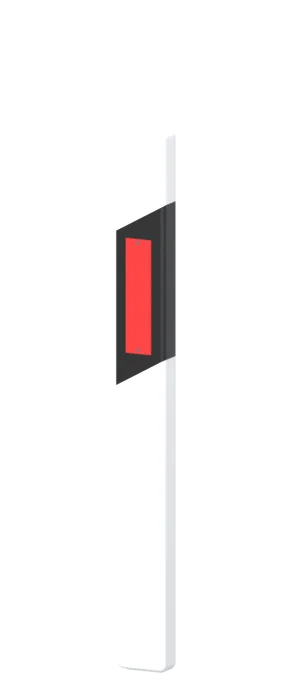
Most common: triangular post with a white slanted head and below it a large slanted black field holding a tall red reflector (white at the back). Also the type with a dark slanted head and a red reflector, and a black flat cap with a red strip.
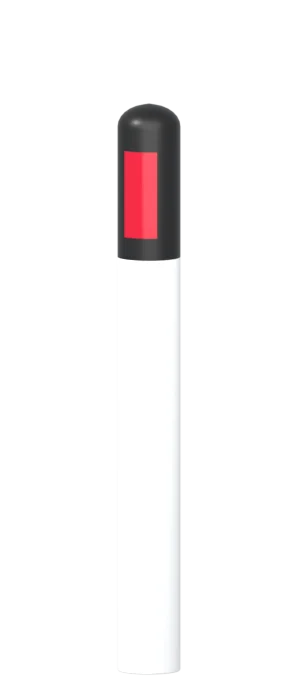
Round white post with a gently domed top, black head section containing a red reflector (also white/yellow).

Long white head, below it a slanted black band with a red reflector sitting fully inside it with a black margin; white at the back.
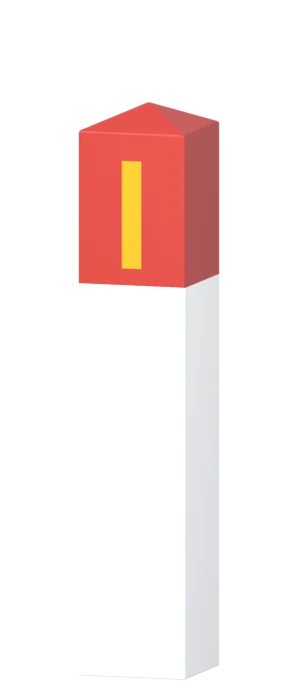
Stocky square concrete bollards with a very low pointed top: red head with a yellow-orange reflector strip, white below – or red-and-white stripes. Also flat white posts with a slanted red band.
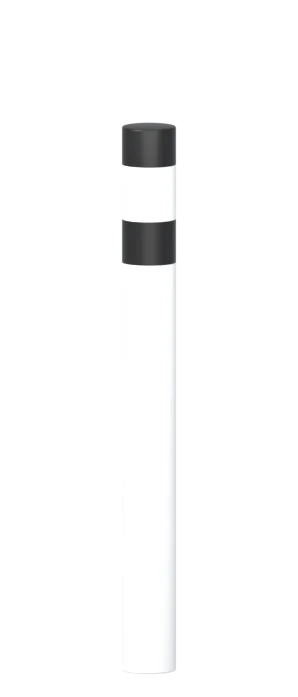
Canada has its own bollards per province. Most common: Alberta – round white post with a black cap and a black ring below it (sometimes yellow in between).

Angle profile (sharp V, tip towards the road, open towards the verge) with a wide slanted black band in the middle: yellow-orange strip in front, two white dots at the back – both on the outside of the flanges. Also triangular posts with a black head and, in the Andes, striped snow poles.
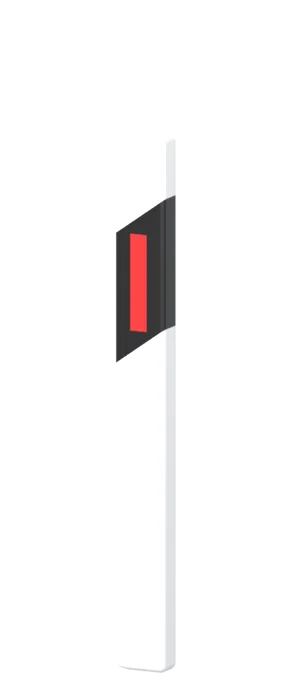
Black band with a red strip in front, white at the back.

Plain white post with a small square red reflector near the top, grey-white at the back.
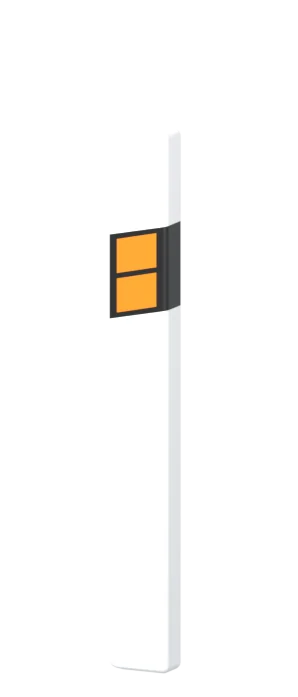
Like Slovakia: black field, slightly slanted parallel to the head, with two wide orange reflectors stacked inside, also slanted (parallelograms); one white rectangle at the back. In winter blue posts with blue reflectors.
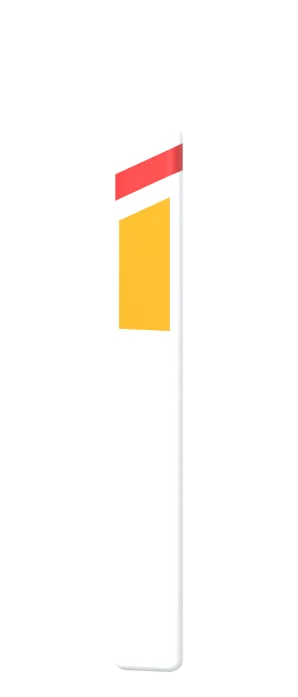
Flat white post with a rounded head: narrow slanted red stripe below the head, then a large yellow reflector panel (slanted top edge). A silver reflector at the back.
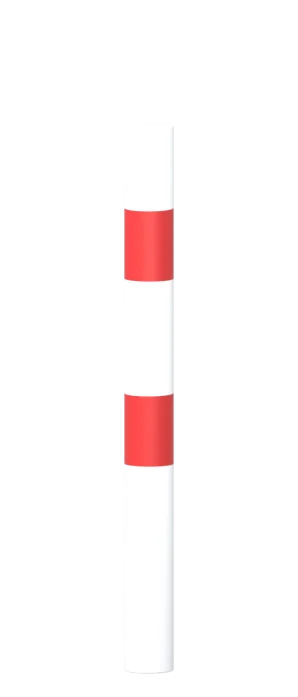
Bollards are very common in Ecuador: usually a round white post with a flat top and two red rings (often just one). In the south (e.g. Loja), flat posts with a slanted top and dark blue or black diagonal bands holding red reflectors (white at the back).
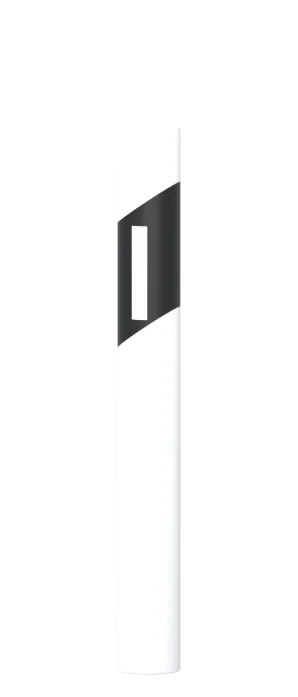
Slanted black band with a narrow white strip in front, two large white dots at the back; often also a yellow strip with orange dots at the back.
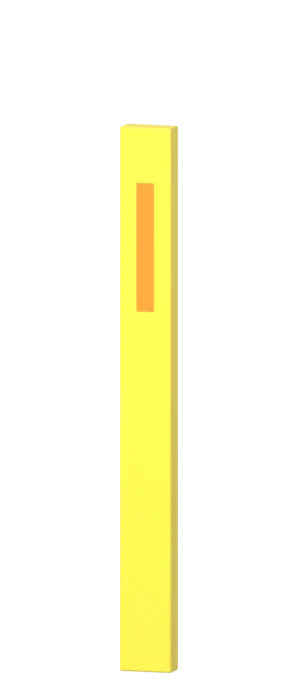
Narrow yellow post without a band: an orange reflective strip in front, a large white reflective panel near the top at the back. Also red-and-yellow posts (upper half red) and red-and-white snow poles.
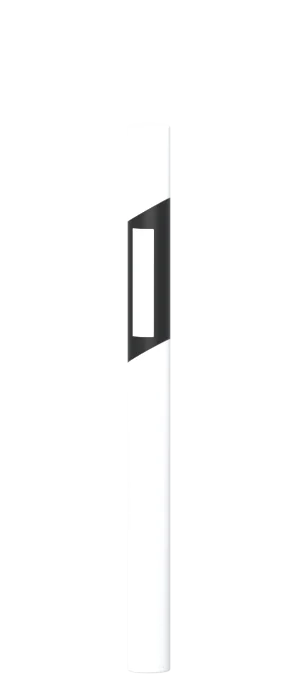
Slim round white post with a flat head, slanted black band, a tall white rectangular reflector in front, two large white dots on the back.
Stout round white post with a low pointed top; wide red reflective band in the upper third. Variant: silver-grey band (often octagonal). The older J6 type with a slanted black band and an almost square white reflector is still common (photo).
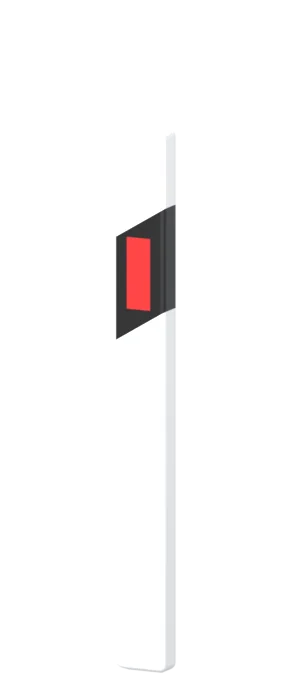
Slanted black band below a white head, with a red rectangle in front and a white one at the back (as in many neighbouring countries).
Triangular post with a sloped, rounded head; slanted black band parallel to the head, starting about a fifth below the top; inside it a white rectangular reflector with 2 screws in front, two large white round reflectors stacked at the back.
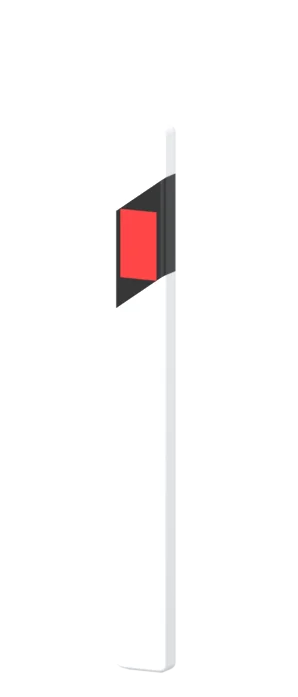
Flat top, below it a slanted black band with an almost square red reflector; white at the back.
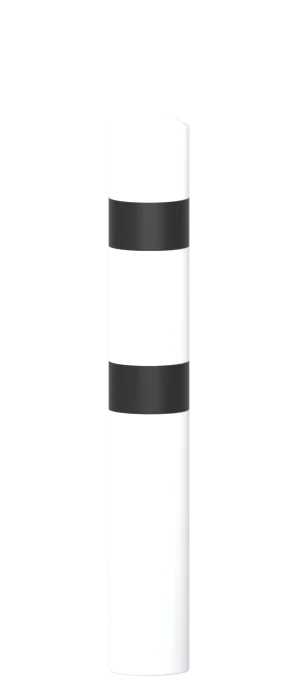
Round white post with a flat conical tip and two black rings.
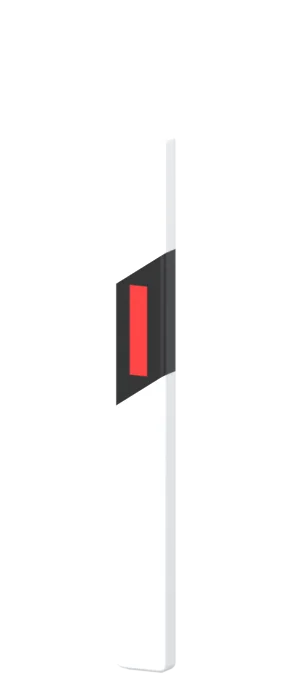
Slanted black band starting about a fifth below the head; centred inside it a narrow red reflector strip with a black margin all round, white at the back.
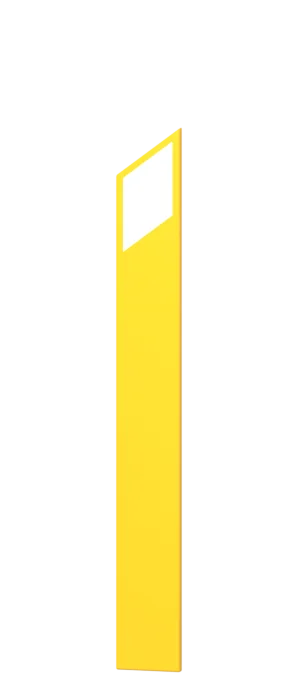
Thin yellow plastic plate with a slanted head: one large slanted (parallelogram) reflective panel at the top in front, two narrower slanted panels at the back – inset with a yellow margin, not full width. Less often full-width white slanted stripes.
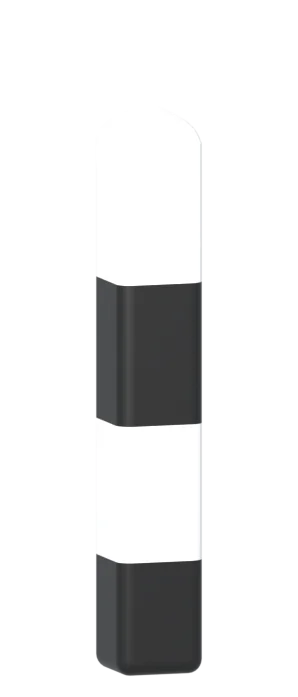
Stocky square concrete bollards with a small pointed top: white head, black band, white, black foot. Also black-and-yellow, sometimes with a red reflector. Central Sulawesi: black bottom, white middle, yellow top.
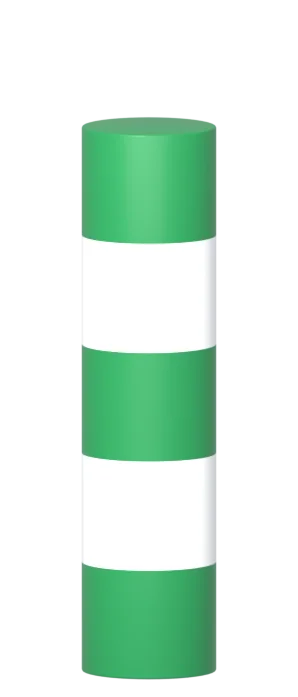
Delineators are rare; typical are thick, short green-and-white banded round bollards without reflector. Also red-and-white banded ones with a domed top.
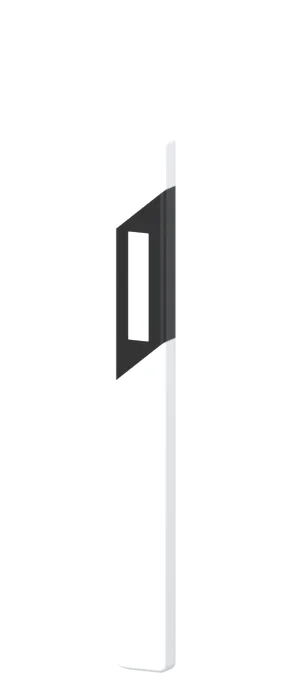
German-like: steeply slanted black band, a tall white strip in front, two large white dots at the back.
Black head (top fifth, slightly slanted lower edge, cap with rounded corners) with a tall red reflector in front, white at the back.

Thin white pole with one large round reflector disc on top, no band. The disc is white towards your own direction of travel and orange towards oncoming traffic; orange on both sides on the median.
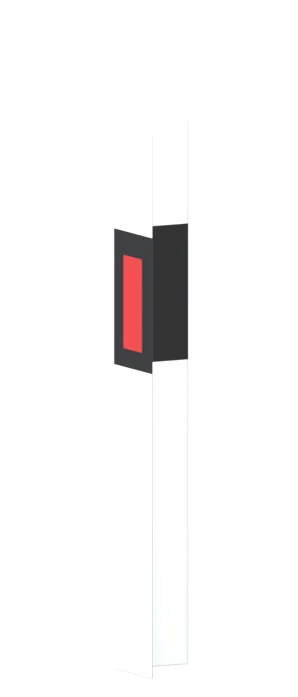
Many post-Soviet types: often a white angle profile (two narrow faces at 90°) with a horizontal black field holding a red rectangle in front and a white one at the back.
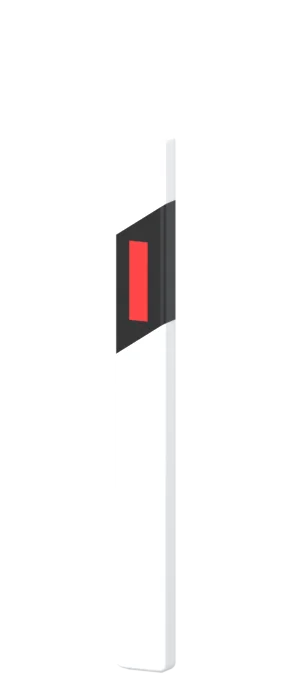
Slanted black band below a long white head, short red reflector in front, white at the back; also a black flat cap with a red strip.

Stocky white concrete post with a near-square section, a flat top and a narrow slanted black stripe near the top.
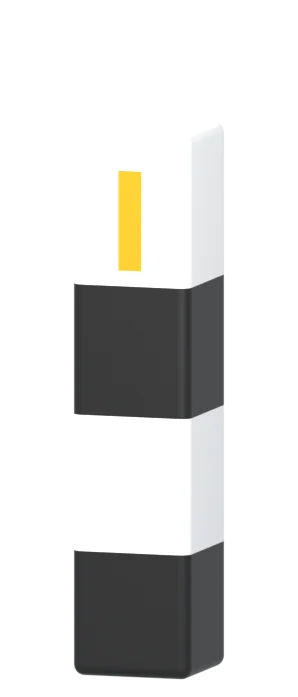
Stocky square concrete bollards like in Thailand: white head with reflector (yellow strip or two red dots), black band, white, black foot.

Slim round white post with a flat head (not a wide triangular post), slanted black band with a yellow reflector in front, two large golden-yellow dots at the back; also with a white strip and white dots.
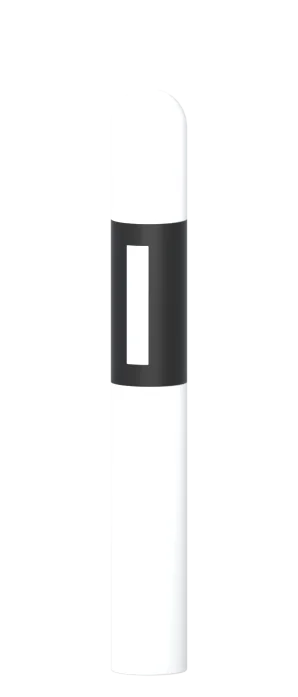
Round post with a semicircular head and a wide straight black band (not slanted as in Switzerland); a narrow white strip in front, two large white dots at the back.
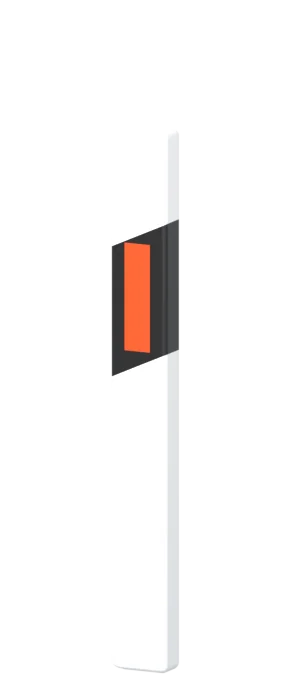
White post with a long white head, below it a slanted black band with a wide red-orange reflector in front, a white one at the back.
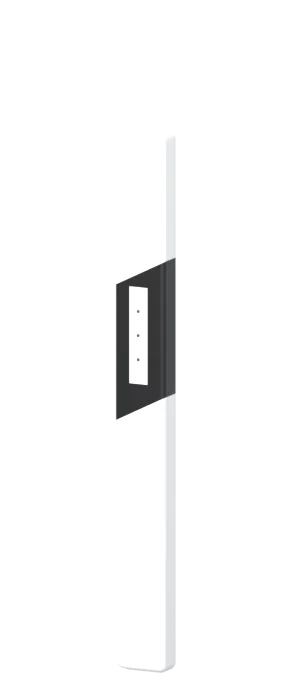
Long white head with a slanted black band below; a narrow white rectangular reflector with three screws in a column at the front, two large white dots at the back – almost like Germany (two screws, top and bottom).

Narrow white post with a red reflector at the top (white at the back), three black bands below. Colours mostly black, white, grey, red.
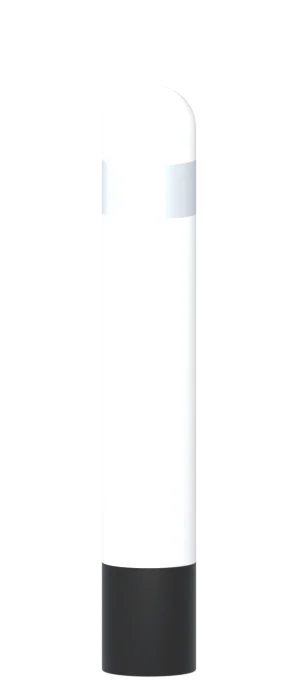
Stout round white post with a rounded cap and a black foot, usually with a white (silvery) reflective ring just below the cap; less often red or blue, sometimes just a yellow sheeting patch at the front.

Stocky white bollard with a rounded top and two broad red rings on the shaft, widening into a broad base – only in Mongolia.
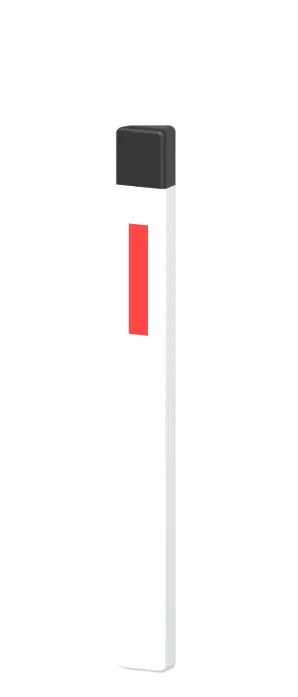
Black flat cap with a red strip in front (white at the back) – like Slovenia; also the type with a slanted band.
Light grey post with a slightly domed head, no band: long dark red reflector with two screws right below the head (white at the back). At hectometre points also a green plate (e.g. "18,9").

Narrow white post with a red stripe in the upper quarter: fully red on one side, on the other red only at both edges with a white middle; sometimes yellow reflectors above and below the stripe. Green (all round): South Canterbury, black: Wellington.
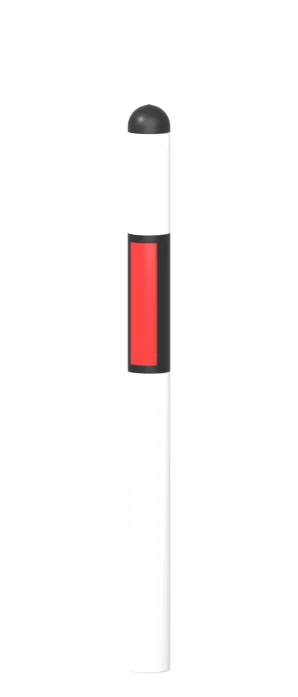
Mostly a slim round post with a small black dome and a black band all round holding a wide red strip (white at the back). Also with a white dome and a narrow red strip without a band, and triangular posts with a slanted black band.

Narrow white post made of a flat, slightly curved plate (like a shallow C) with a flat head: at the very top a slanted black field with a white reflector in front, and a slanted black field with two large white dots at the back.
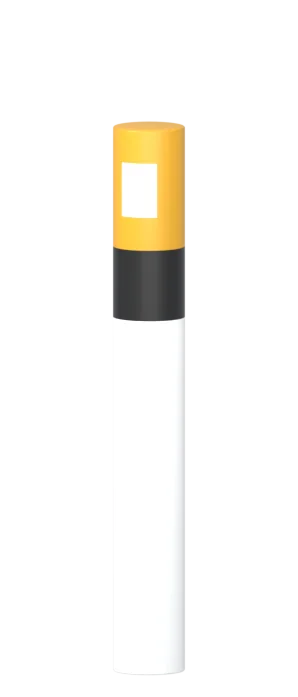
White posts with a yellow-orange head: usually round, often with a black band below the yellow and a small reflector wrapped around the curve (white in front, red at the back); also stout flat or triangular concrete posts with a yellow head.
White post with a wide red (older ones orange) band, slanted parallel to the head; centred inside it a long dark red reflector with a screw top and bottom, fully surrounded by the band; white at the back. Often a kilometre plate below.
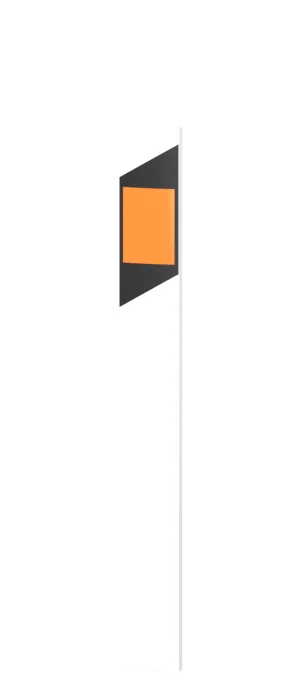
Round white post with a slanted black band at the top and a large orange (less often white) reflector curved around the post in front; plain back. Also the Spanish-style triangular post with a white strip and two dots at the back.

No band: thin post curved slightly towards the road (a shallow C) with a flat head rounded at the corners, wide red reflector near the top in front, a white-grey one at the back.
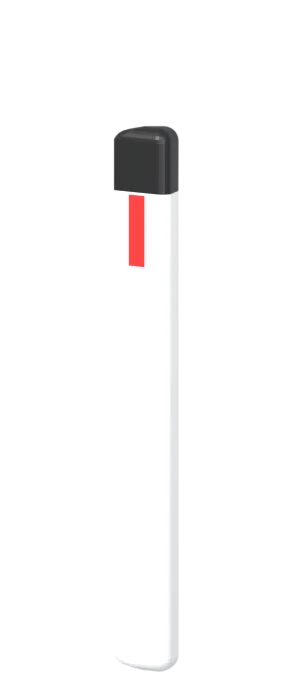
Common: white post with a black flat cap and a narrow red strip right below it, plain white at the back. Also the type with a slanted band and thin round pipes with a black cap.
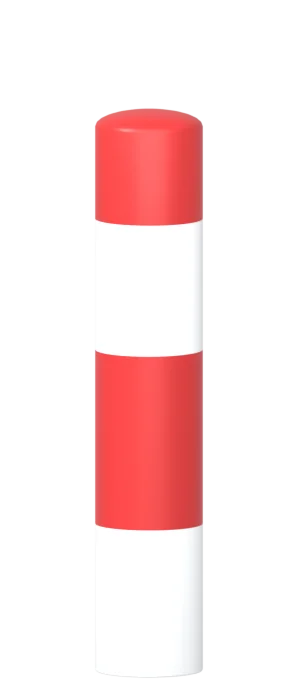
Thick round concrete bollard with a slightly domed, rounded-off top, painted red and white: red top, then white, a wide red band, white at the bottom. Also red-white chevron boards on pipe posts.
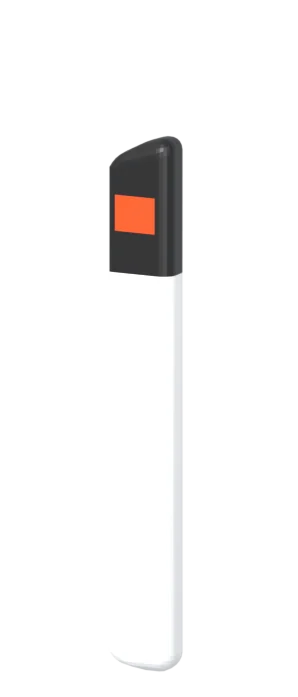
Wide white post with a rounded black cap (straight lower edge) and a red-orange horizontal reflector in the cap in front, white at the back – chunkier than in Italy.
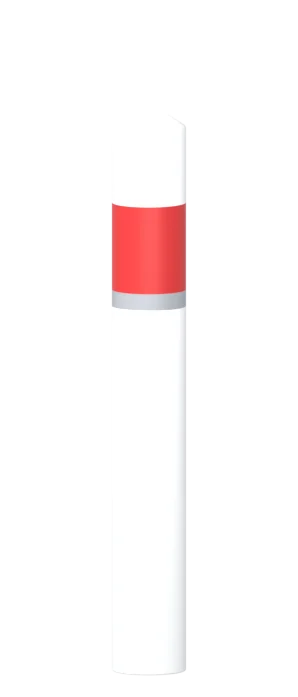
Round white post with a low conical tip, a wide red band and a thin grey stripe right below it – similar to the French one.
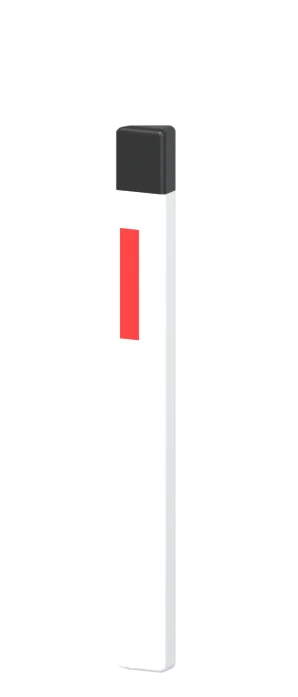
Mostly a black flat cap with a red strip in front, white at the back; also the type with a slanted band.
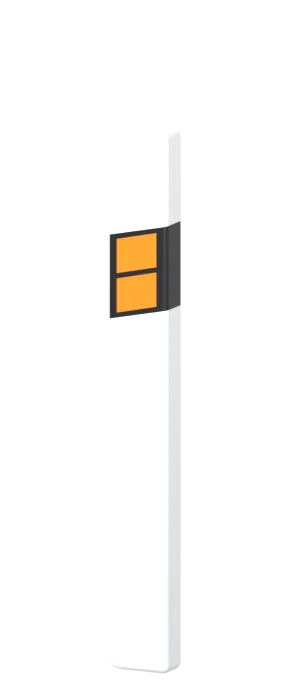
Like Czechia: slightly slanted black field with two wide orange reflectors inside that follow the slant (parallelograms); a white rectangle at the back; in winter blue posts with blue reflectors.
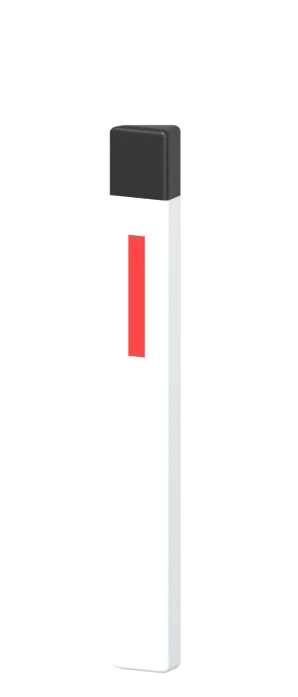
Black flat cap; a little below it a narrow red reflector strip with a screw top and bottom in front, a white (silvery-looking) strip at the back.

Delineators inconsistent: often wide white-painted concrete posts with a bevelled top and an almost square red reflector about a third of the way down, yellow at the back (yellow = right road edge); also narrow red-white chevron boards on pipe posts.

Flat white post with a steeply bevelled top and a black diamond field near the top; large round reflector – white in front, yellow at the back.

Angle profile (V, tip towards the road, open at the back) with a white head above a slanted black band with a narrow yellow reflector in front; two white dots on the band at the back. Cap often coloured (road authority colour, e.g. green).

Short, chunky square stone bollards with a low pyramid top, slightly tapering upwards: black base, white top.
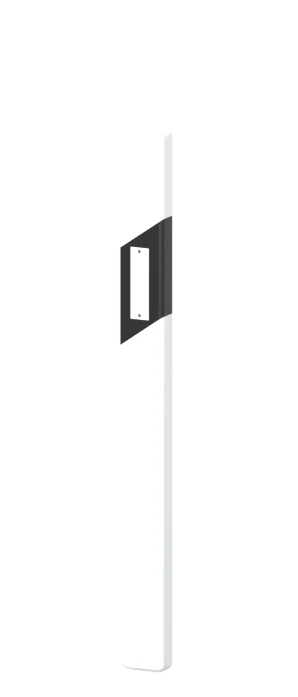
White post with a slanted black band (well below the head), a narrow white reflector with a screw at each end in front, two large white dots with a centre screw at the back. Older type: no band, just a black-framed white strip at the top.
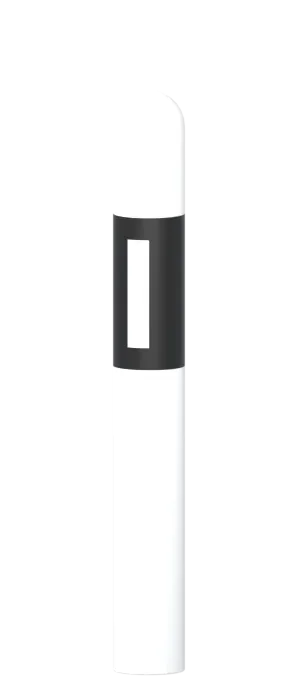
Round post with a domed head and a straight black band; a narrow white reflector inside it, two large white dots at the back. Triangular posts with a sloped head and slanted band are also common – very similar to Germany.
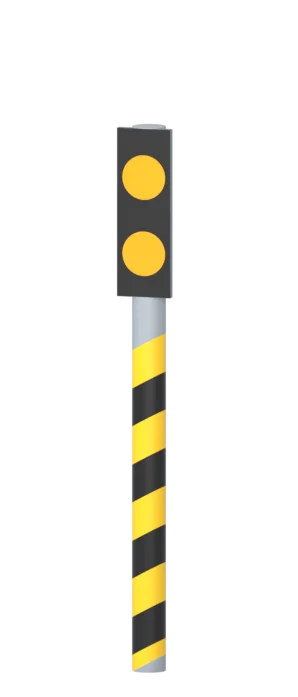
Thin round pole with diagonal yellow-and-black stripes, on a grey neck a thin black metal plate with two or three large round reflectors – yellow-orange on one side, red on the other. On walls and guardrails also 'lollipop' discs.
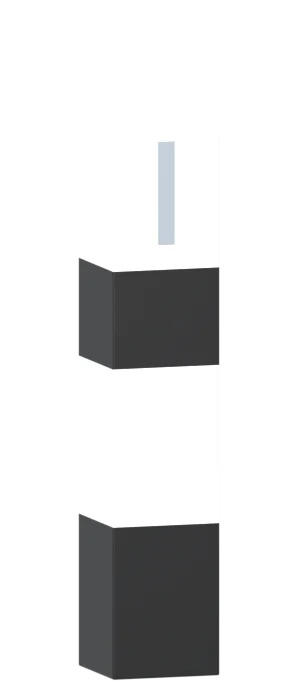
Stocky square white concrete bollards with a low pyramid top: white head with a silver reflector (a strip on one side, two dots on the other), black band, white, black foot (similar in Laos). North-west: black with large reflectors.
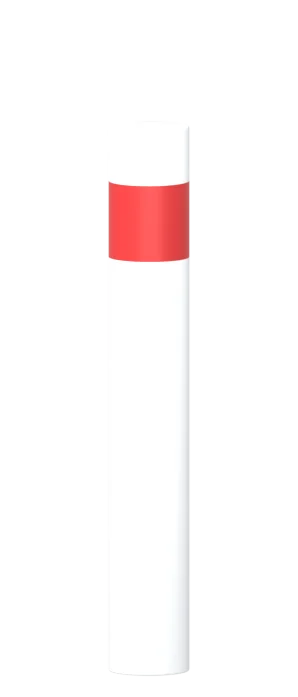
Thick round white post with a flat top and a red band just below the top.

Flat white post without a band (similar to Australia), large red reflector almost the full width in the upper third; plain white at the back with no reflector.

Slanted black band with a red rectangular reflector in front, white at the back, leaving a broad white head above. Less common: a red band or just a red strip.
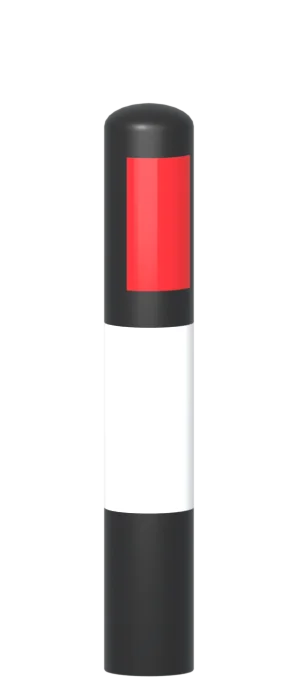
Stout round post with a low dome: top third black with a large red reflector curved around the post (white at the back), white middle, black foot. Plus many other types (white posts with a red strip and a blue or green cap).
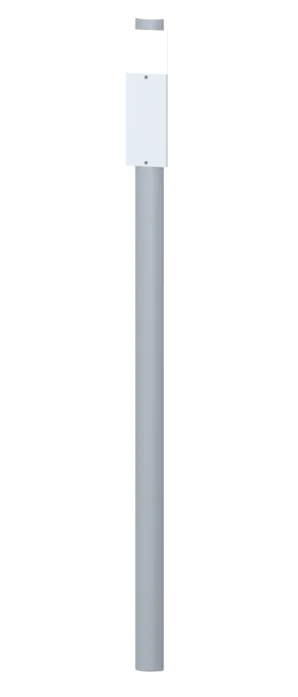
Very varied, often by state. Common: a narrow galvanised steel post (U-channel) with a bolted-on aluminium plate and white reflective sheeting at the top. Also white plastic posts with sheeting, grey flat posts with yellow sheeting (West), diamonds (South Dakota, Montana), round orange reflectors (Wyoming, Colorado), the Nevada pipe with a black-framed plate and white Wisconsin posts with a black panel.
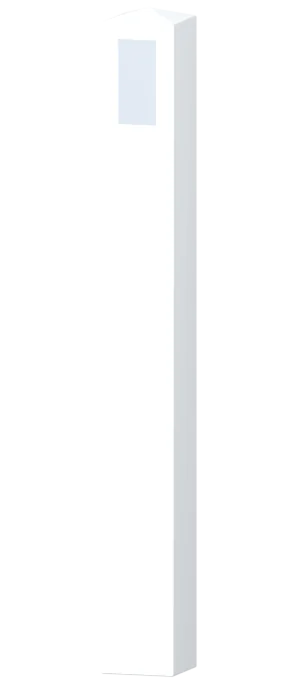
White square concrete bollards, 1.2 m tall, with a grey-silver reflector panel at the top (7.5 × 15 cm by the standard); the back carries a yellow reflector in the same spot, and sometimes the whole back is painted yellow.
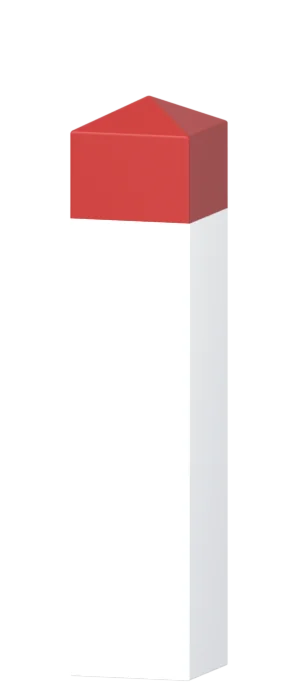
Short, stocky white concrete bollards with a square section and a red-brown cap (low pyramid or cube).