Fun with Flags · GeoGuessr
Flags in GeoGuessr: every flag with its story
Flags fly on town halls, schools and petrol stations. Know them and you often have the country straight away, and every answer comes with a little story about the flag.
At a glance
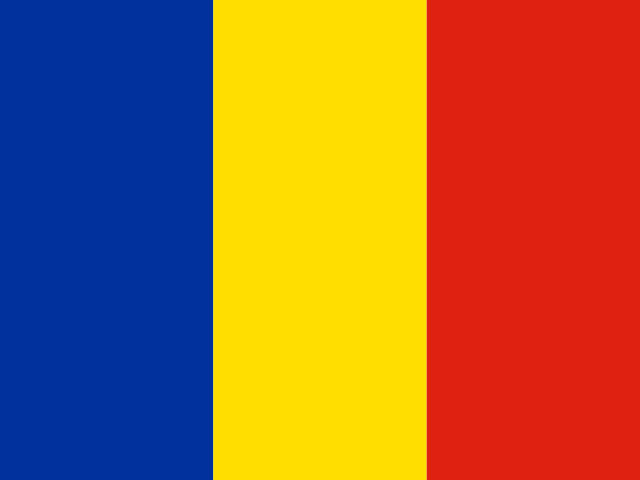 Romania
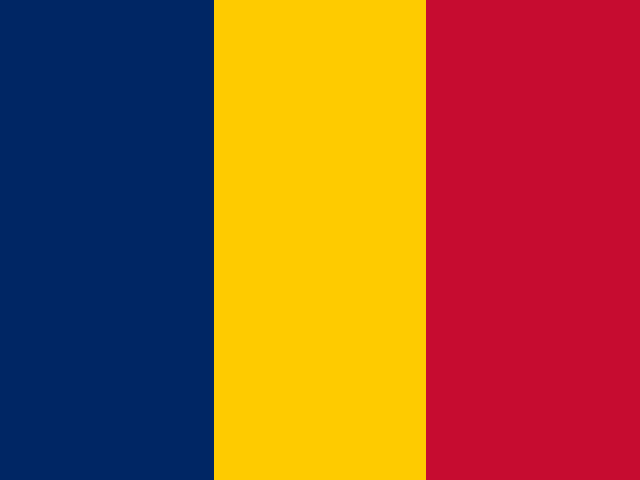 Chad
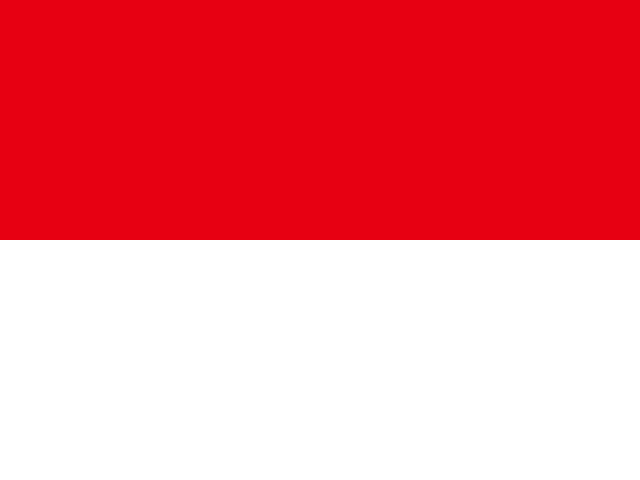 Indonesia
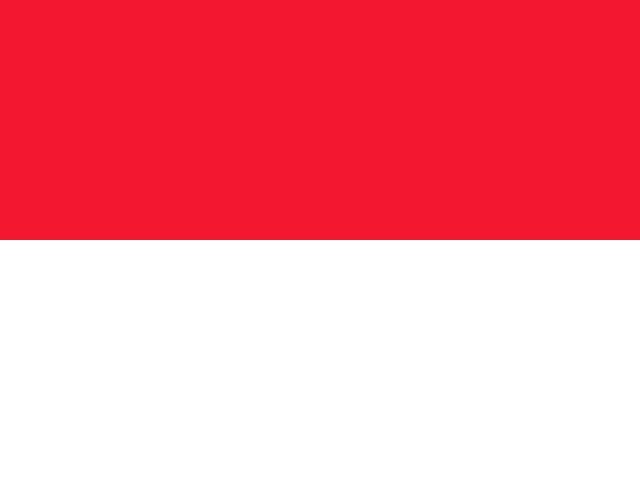 Monaco
Why it matters
Flags fly on town halls, schools, petrol stations and border crossings. Know them and you often have the country straight away. Every answer comes with a little story about the flag so it sticks.
Good to know
- In Street View, flags fly at town halls, schools, border crossings, petrol stations and hotels – often readable from a distance.
- Nordic cross (offset to the hoist): Denmark red/white, Sweden blue/yellow, Finland white/blue, Norway red with a blue cross, Iceland blue with a red cross, Faroe Islands white with a red cross.
- Pan-Slavic white-blue-red: Russia without a crest, Slovenia with a small crest top left, Slovakia with a large double cross; Serbia red-blue-white.
- Near twins: Chad/Romania, Indonesia/Monaco, Netherlands/Luxembourg, Ireland/Ivory Coast (mirrored), Australia/New Zealand (white vs red stars), Senegal/Mali (star).
- Pan-African green-yellow-red (Ghana, Senegal, Mali, Cameroon …), Pan-Arab red-white-black-green (Jordan, UAE, Kuwait, Palestine).
- The “countries with Street View” deck is enough for GeoGuessr; “All flags” also includes small islands and countries without coverage.
How to learn it
Countries with Street View
The 119 flags you'll actually meet in GeoGuessr.
Every flag in the world
For flag fans: all 232 countries and territories.
Country by country
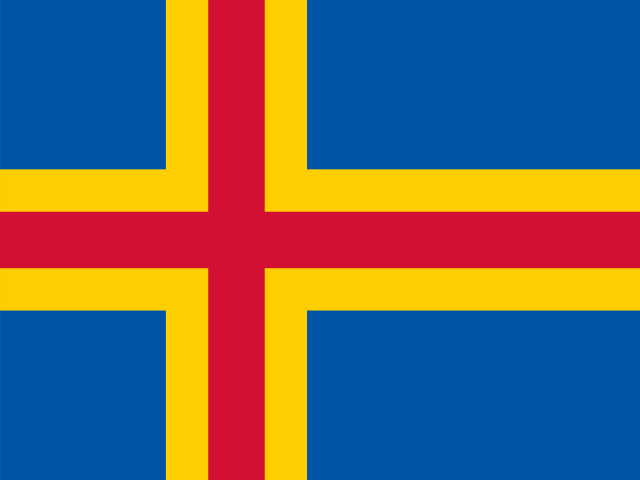
Swedish blue and yellow plus a red cross symbolising Finland – a neat fit for these Swedish-speaking islands that belong to Finland. Official since 1954.
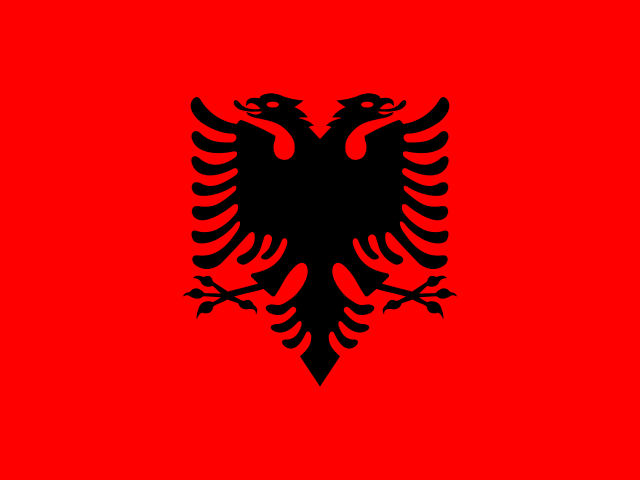
The black double-headed eagle on red comes from the arms of the Kastrioti family, used by national hero Skanderbeg from 1443.
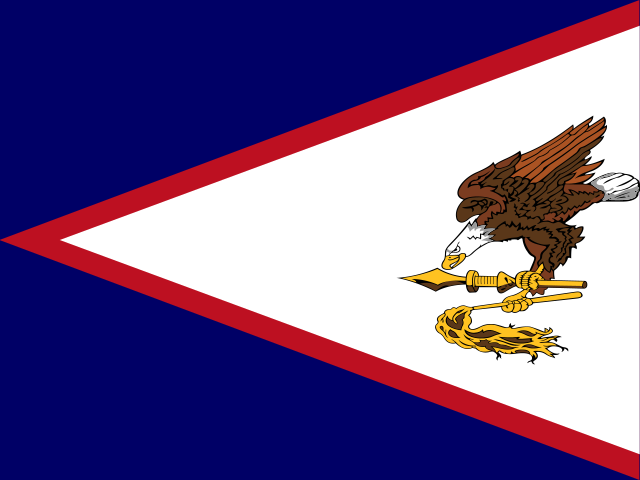
The bald eagle represents the USA. In its talons: a uatogi (war club, for the government's power) and a fue (fly whisk, for the wisdom of traditional chiefs).
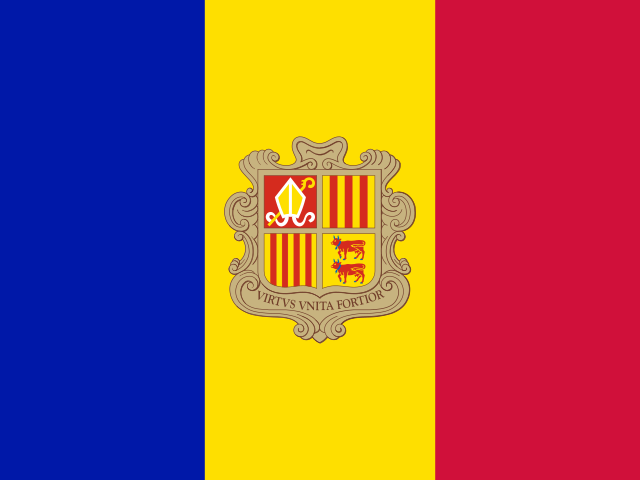
Blue-yellow-red nods to France, Catalonia and Foix. The arms honour the Bishop of Urgell and the Counts of Foix, with the motto ‘Virtus Unita Fortior’ – virtue united is stronger.
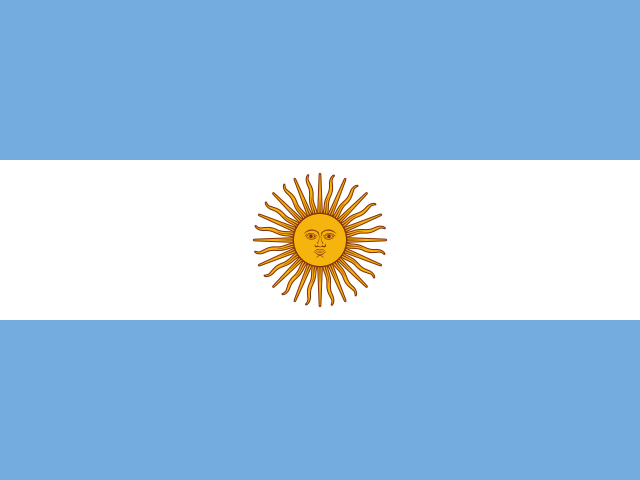
Manuel Belgrano first raised it at Rosario in 1812. Where the light blue and white come from is debated – historians usually dismiss the popular ‘sky and clouds’ story.
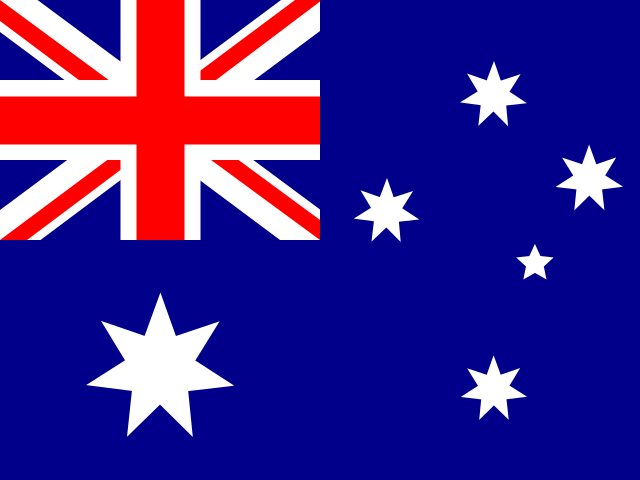
Below the Union Jack sits the Commonwealth Star: six points for the six founding colonies, plus a seventh (since 1908) for the territories. On the right: the Southern Cross.
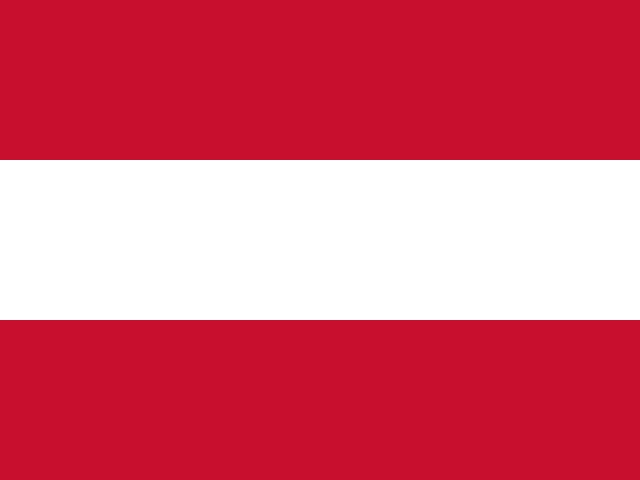
Red-white-red derives from the Babenberg arms, a silver band on red, first seen on a seal from 1230. It's considered one of the oldest national symbols still in use.
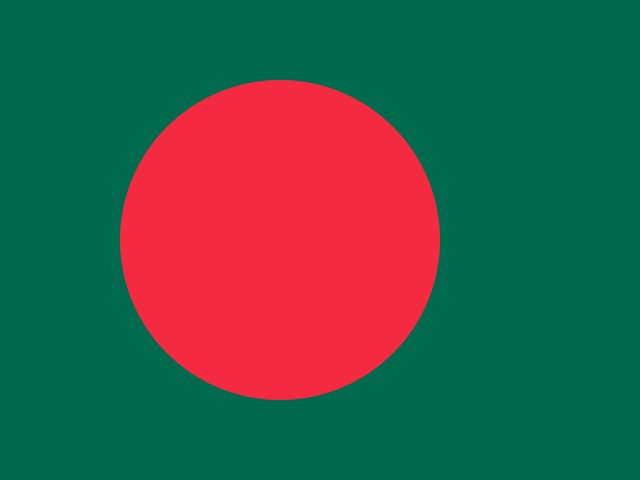
Green stands for the lush land, the red disc for the blood shed in the 1971 Liberation War – and it evokes the rising sun.
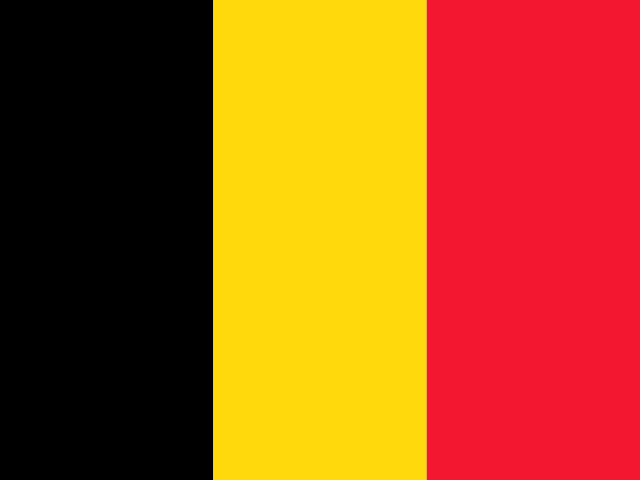
Black, yellow and red are the colours of the Duchy of Brabant. During the 1830 revolution the stripes were first horizontal; in 1831 they turned vertical.
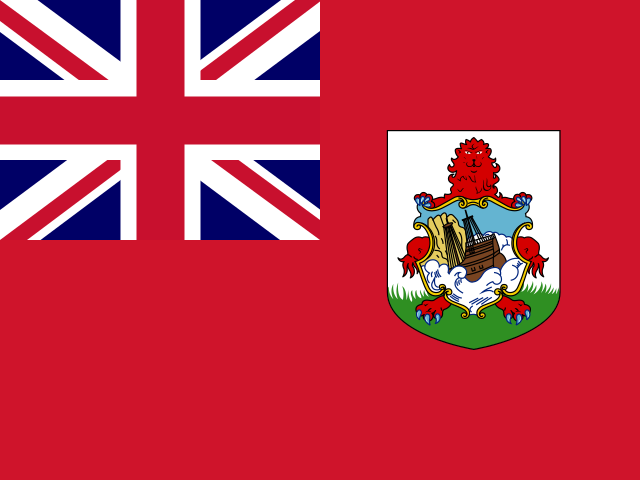
A red lion holds a shield showing the wreck of the Sea Venture in 1609 – a shipwreck widely thought to have inspired Shakespeare's The Tempest.
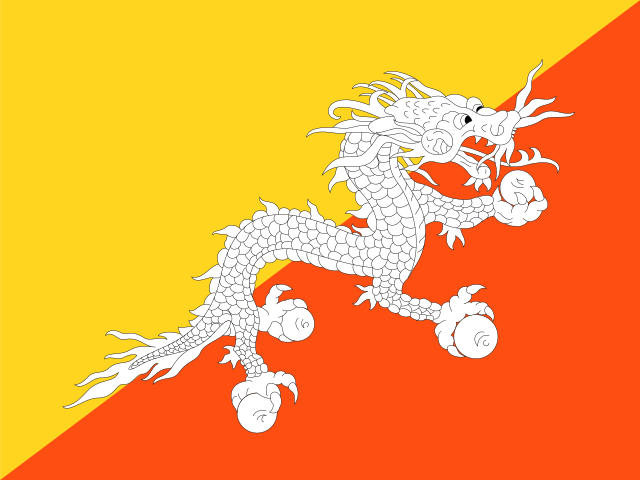
Yellow stands for the king, orange for Buddhism. The white Thunder Dragon, Druk – Bhutan is ‘Druk Yul’ – clutches jewels for the nation's wealth.
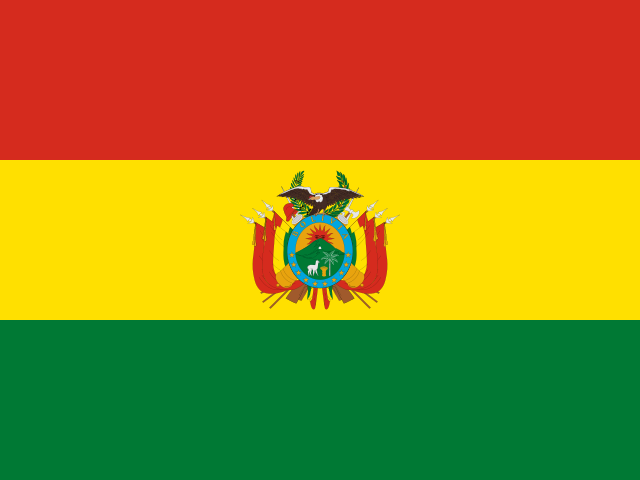
Red is the blood of heroes, yellow the country's wealth and resources, green its natural riches and hope. Since 2009 the colourful Wiphala has been a national symbol too.
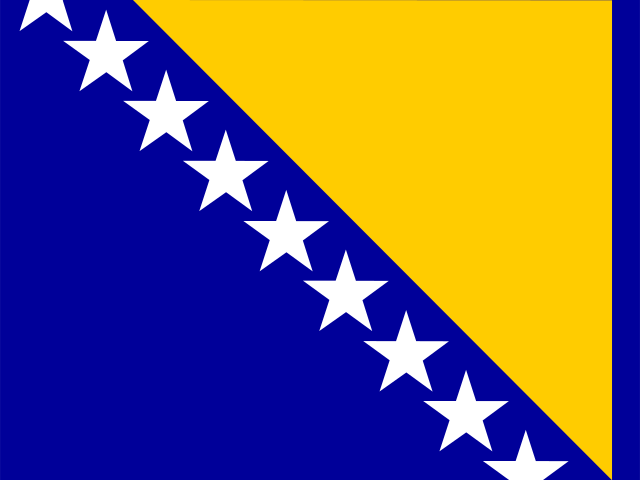
The yellow triangle stands for the three constituent peoples – Bosniaks, Croats and Serbs – and roughly echoes the country's shape. The stars and blue point to Europe.
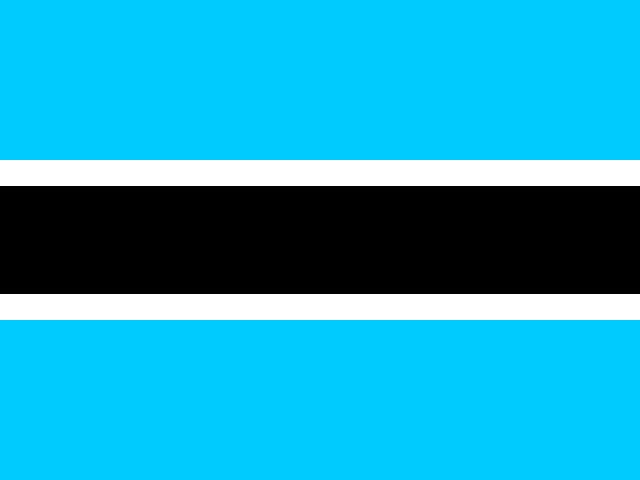
The blue stands for water and rain – precious in such a dry country. Black with white borders symbolises racial harmony, a pointed rejection of apartheid next door at the time.
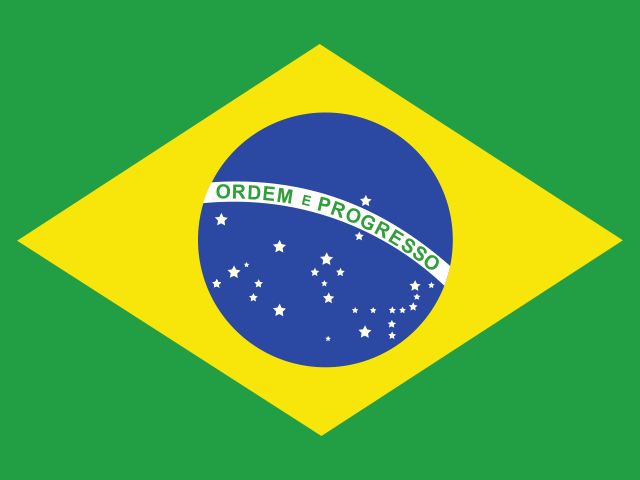
Green originally stood for Emperor Pedro I's House of Braganza, yellow for his wife's Habsburgs. The blue globe shows the sky over Rio on 15 November 1889.
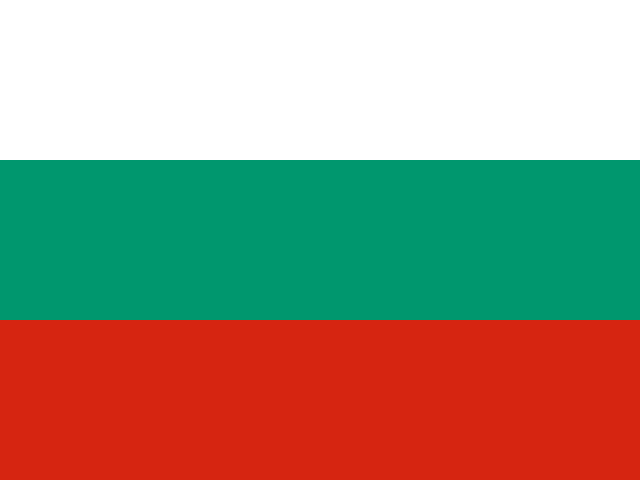
The white-green-red tricolour dates from 1879, right after the Russo-Turkish War, and was written into Bulgaria's first constitution. Fun twist: the colours have no official meaning.
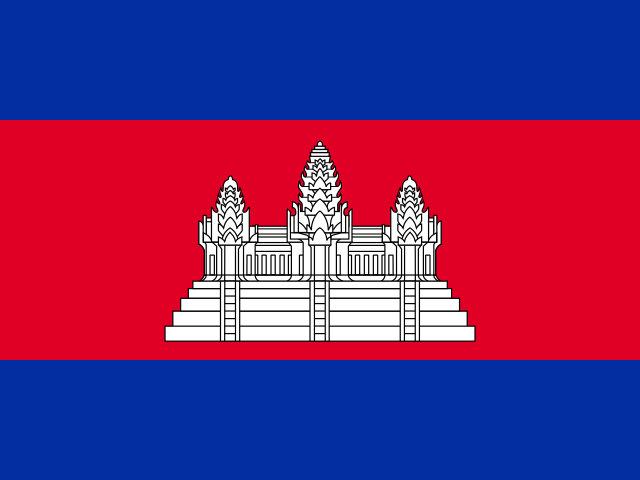
The white building is Angkor Wat, which has graced Cambodian flags since around 1875. Blue represents the king, red the nation.
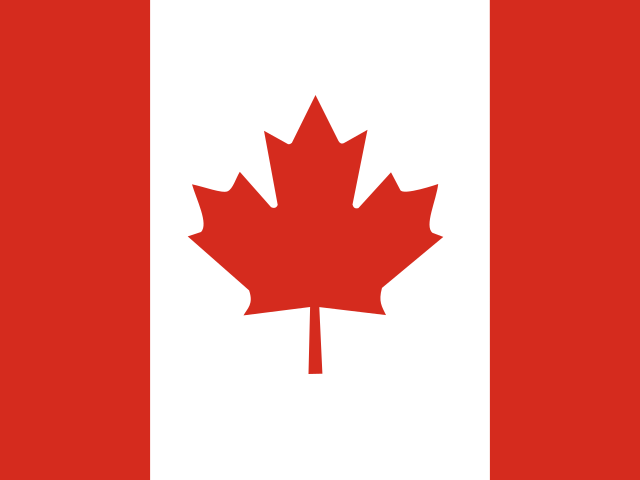
The red maple leaf has been a Canadian emblem since the 19th century, and red and white became official colours in 1921. The flag went up on 15 February 1965, now celebrated as National Flag of Canada Day.
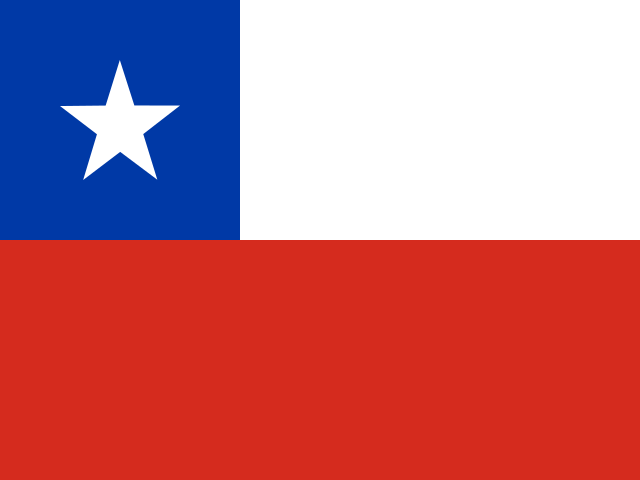
Blue stands for the sky and the Pacific, white for the snow-capped Andes and red for the blood spilled for independence. It was adopted on 18 October 1817.
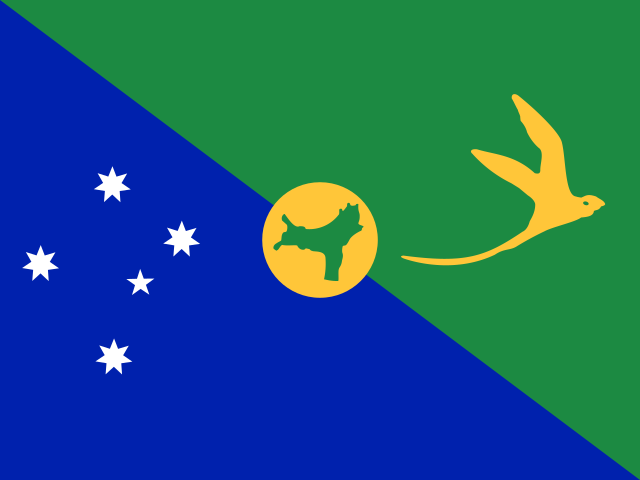
Green for the land, blue for the sea, plus the Southern Cross borrowed from Australia, a golden bosun bird and a green map of the island on a gold disc.
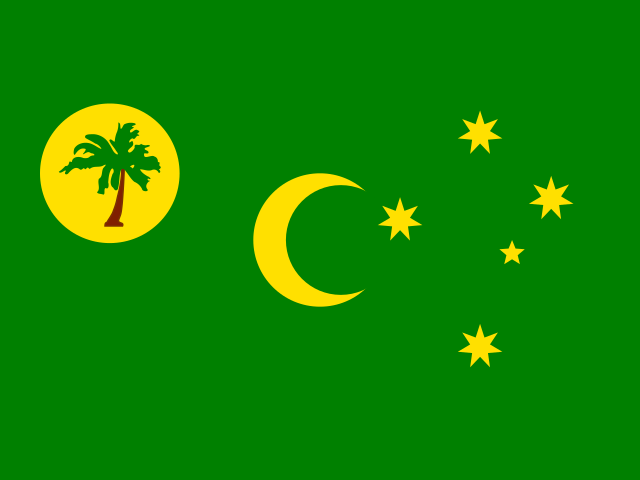
The palm tree stands for the islands' tropical plants, the crescent for the Islam of the Cocos Malays and the Southern Cross for Australia. Green and gold are Australia's national colours.
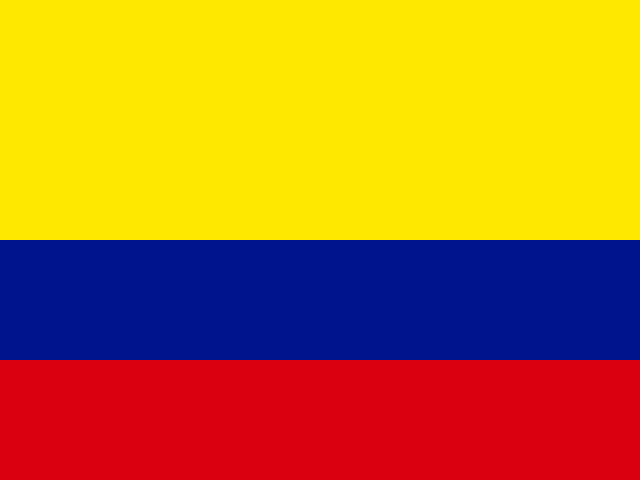
The yellow-blue-red goes back to Francisco de Miranda and the flag of Gran Colombia. Yellow is the country's wealth, blue the sky and seas, red the blood shed for independence.
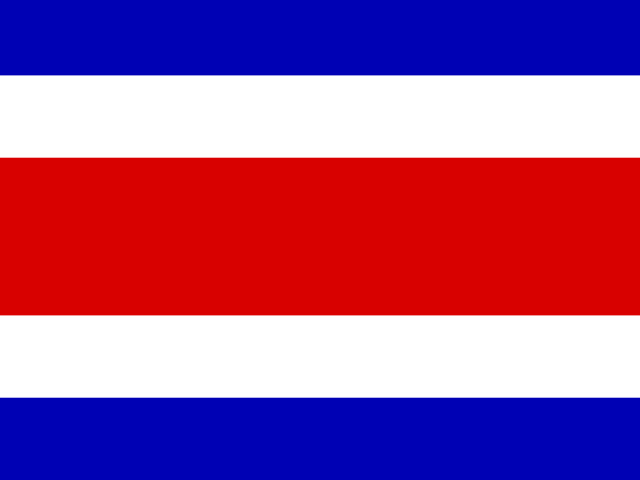
The idea came from Pacífica Fernández, the president's wife and a big admirer of France: in 1848 she suggested adding the red stripe, inspired by that year's French Revolution.
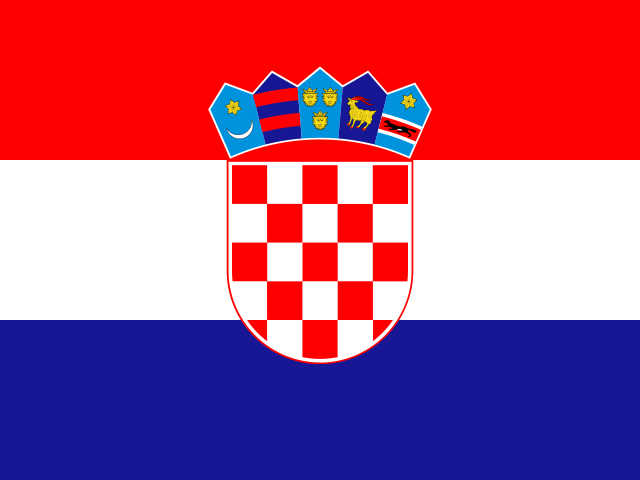
Red-white-blue combines the colours of the old Kingdom of Croatia (red and white) with those of Slavonia (blue and white). Centre stage: the famous red-and-white chequerboard shield.
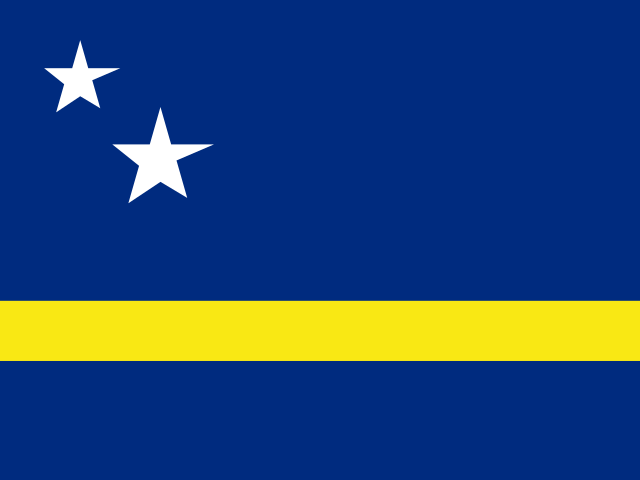
Blue is the sea and sky, the yellow stripe the sun. The two stars are Curaçao and its little neighbour Klein Curaçao.
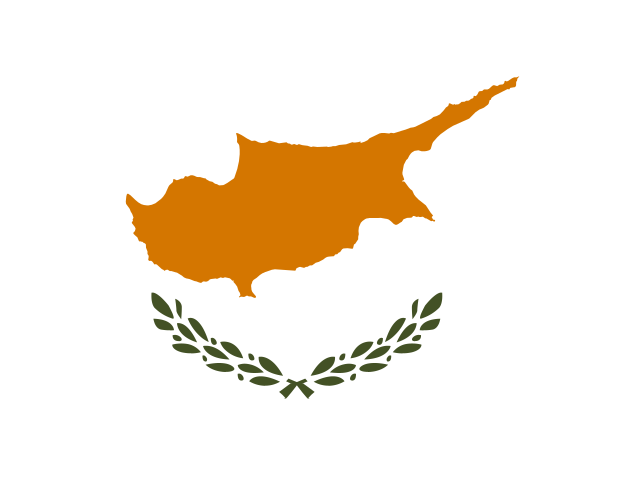
The copper-coloured island nods to Cyprus's rich copper deposits, which may even have given the island its name. The two olive branches stand for peace between Greek and Turkish Cypriots.
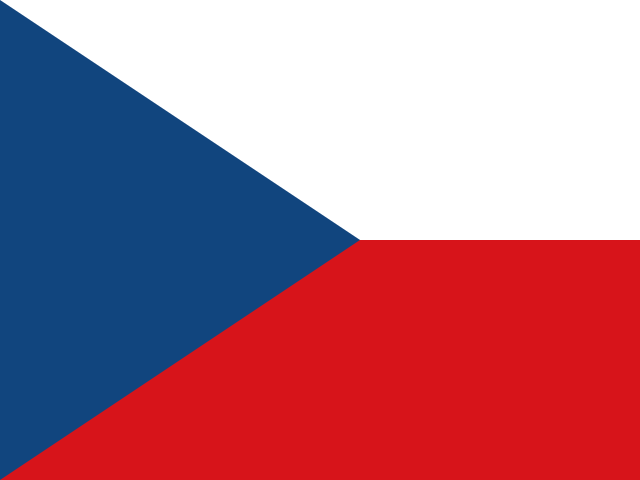
White and red are Bohemia's traditional colours, with red also standing for Moravia. The blue triangle was added in 1920 for Czechoslovakia – originally representing Slovakia.
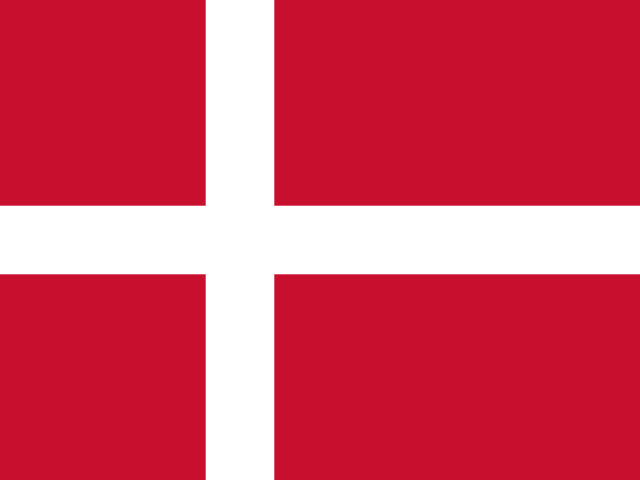
Legend has it that the Dannebrog fell from the sky on 15 June 1219 during a battle at Lindanise – today's Tallinn – turning the fight in the Danes' favour.
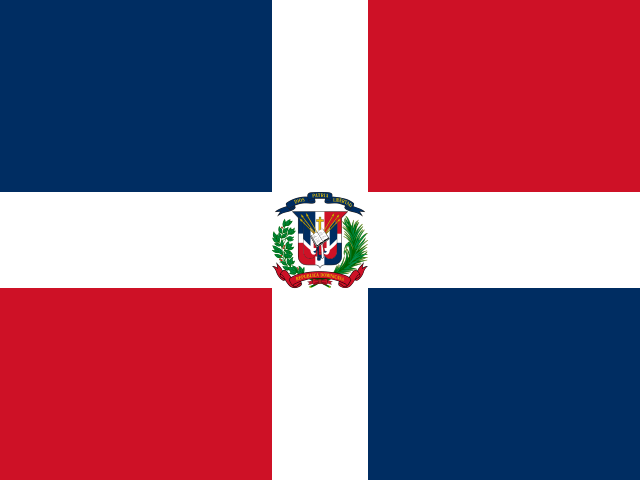
Juan Pablo Duarte based his design on Haiti's blue-and-red flag – of all things – and added a white cross. It was first hoisted on 28 February 1844.
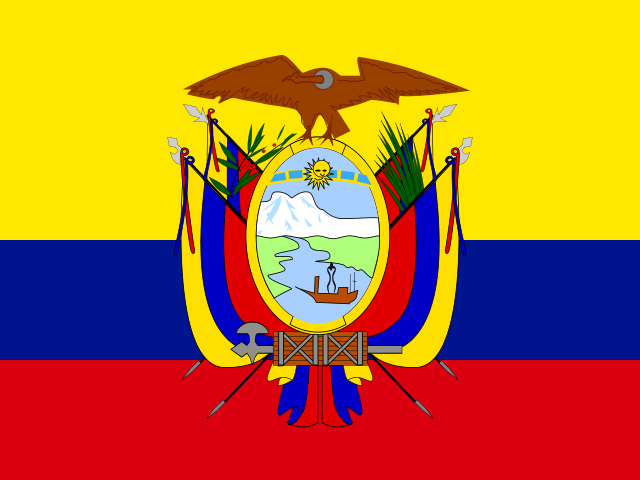
Yellow stands for fertile soil, blue for the sea and sky, red for the blood of heroes. On the arms a condor spreads its wings above Chimborazo, the country's highest mountain.
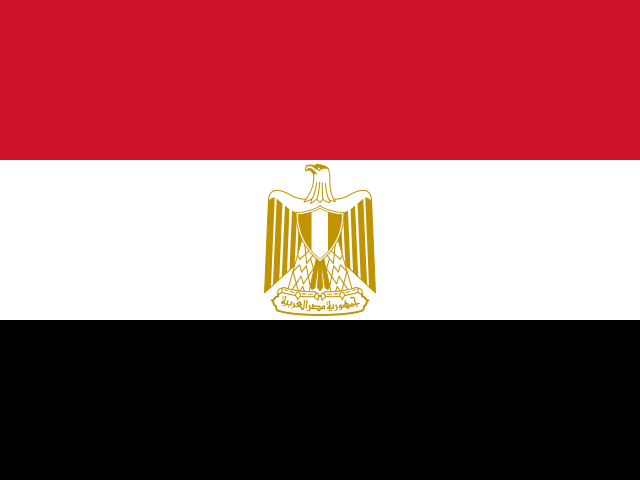
Red stands for blood shed against colonial rule, white for pure hearts, black for darkness overcome. The stripes come from the 1952 revolution.
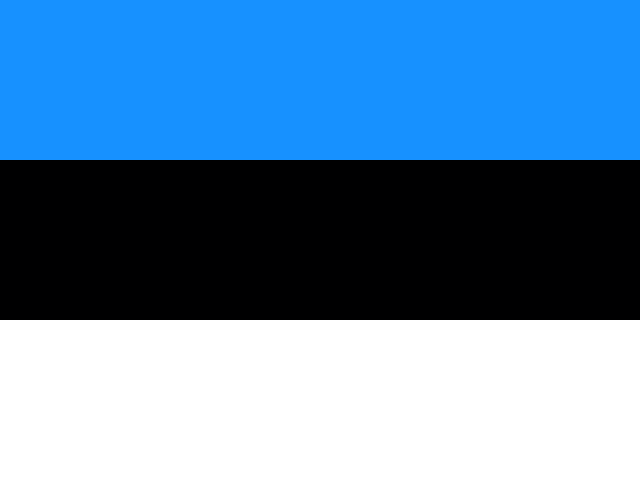
Blue, black and white started out in 1881 as the colours of an Estonian student society in Tartu. Popular reading: blue for the sky, black for the native soil, white for purity and hard work.
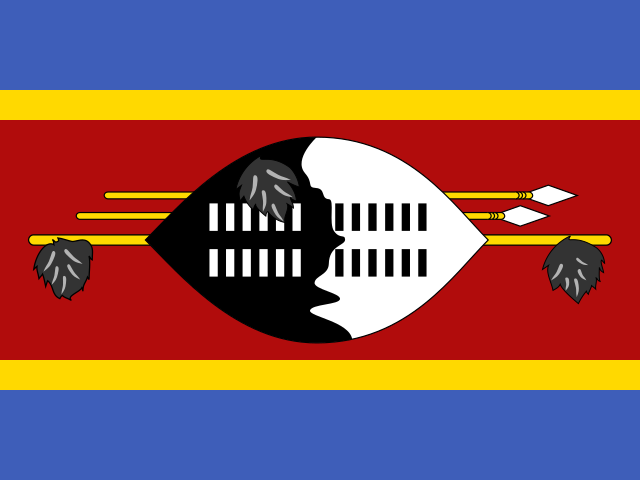
Red recalls past battles, blue stands for peace, yellow for resources. The black-and-white Nguni shield symbolises black and white people living together in peace.
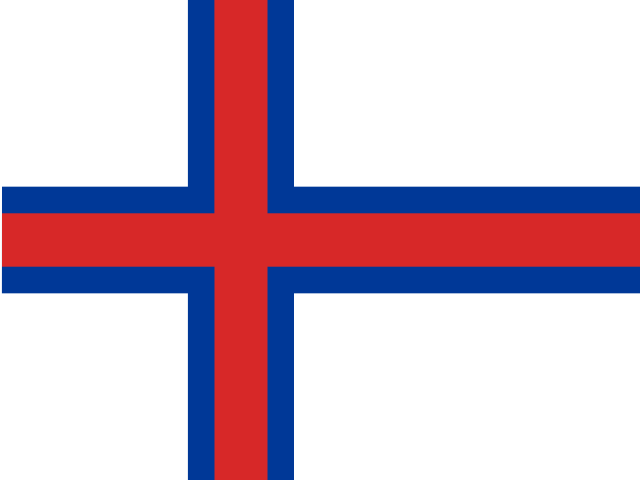
Merkið (‘the banner’) was designed in 1919 by Faroese students in Copenhagen and first hoisted in the village of Fámjin, where the original still hangs in the church.
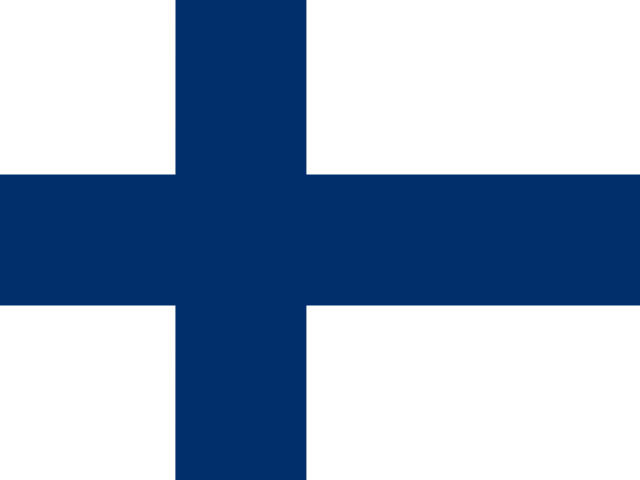
The siniristilippu (‘blue cross flag’): blue for thousands of lakes and the sky, white for the winter snow. The Nordic cross links Finland to its Nordic neighbours.
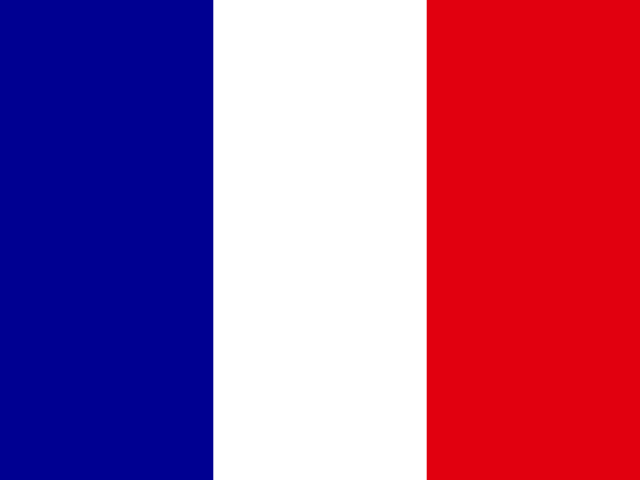
Blue and red are the colours of Paris; white was the old royal colour. Lafayette added white to the revolutionary militia's cockade in 1789 – and the tricolour was born.
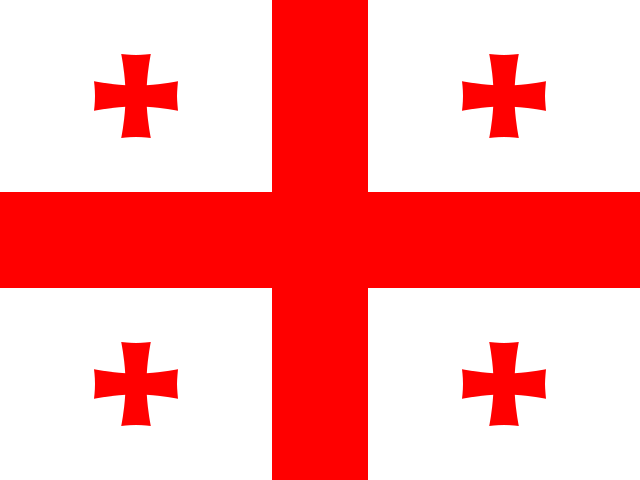
The ‘Five-Cross Flag’: one big red cross plus four smaller crosses in the quarters, based on a banner of the medieval Kingdom of Georgia.
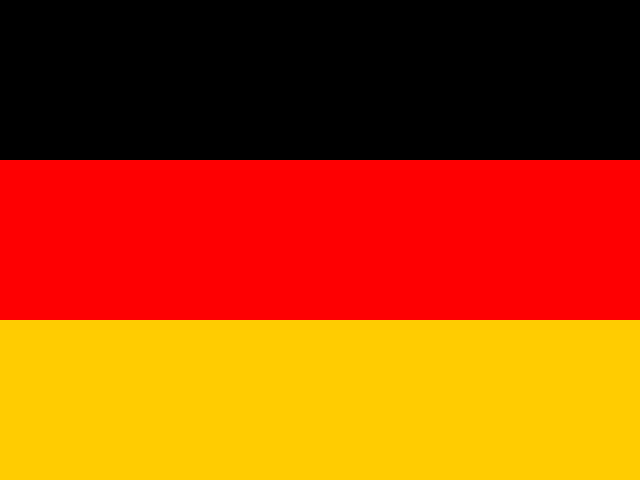
Black-red-gold traces back to the Lützow Free Corps: black uniforms, red facings, gold buttons. It flew at the 1832 Hambach Festival, and in 1848 the Frankfurt Parliament made it Germany's colours.
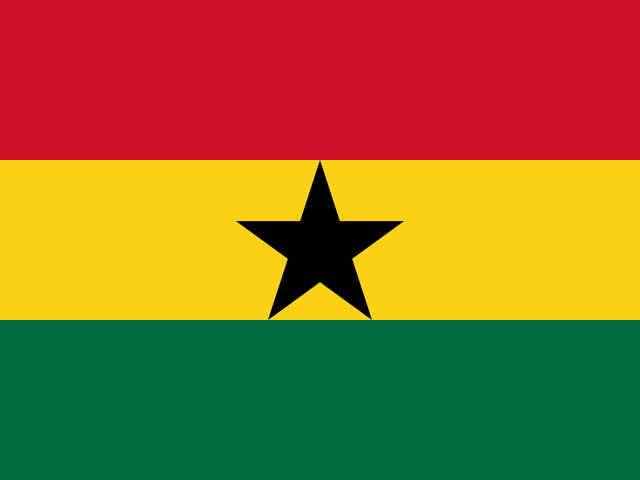
Artist and teacher Theodosia Okoh designed it in 1957: red for the forefathers' blood, gold for mineral wealth (hence the “Gold Coast”), green for forests and cocoa.
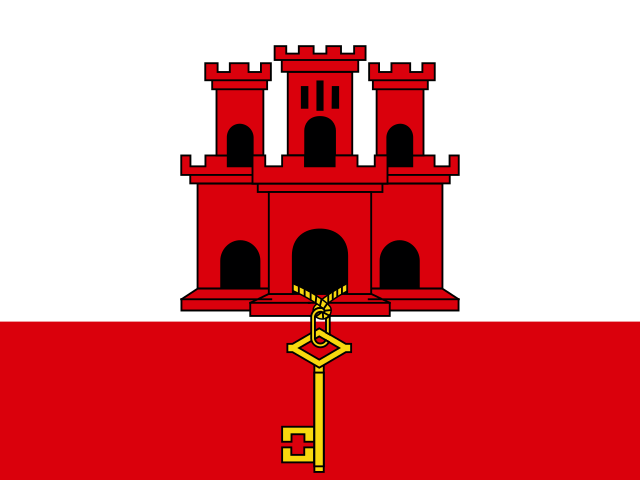
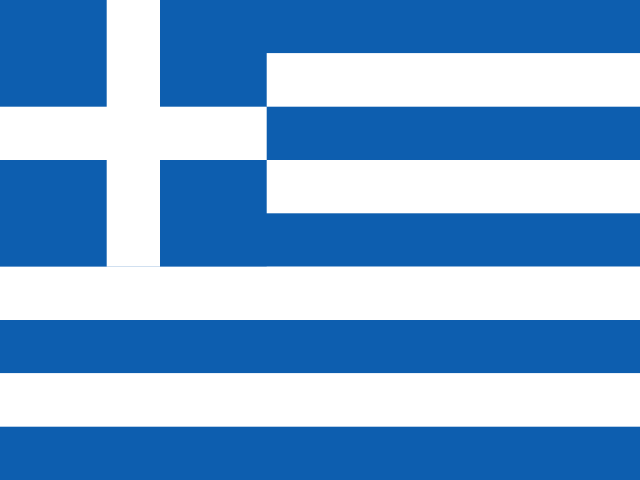
The nine stripes are popularly said to match the nine syllables of ‘Eleftheria i Thanatos’ – ‘Freedom or Death’. The white cross stands for Christianity.
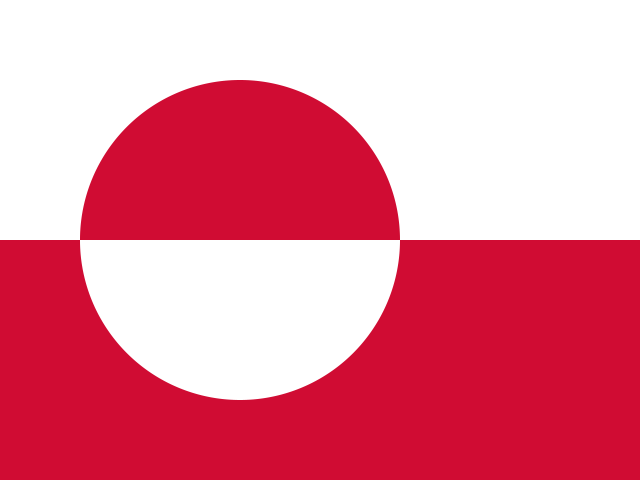
Designed by Thue Christiansen and official since 1985: the red half-circle is the sun sinking into the sea, the white one icebergs and pack ice. Its name, Erfalasorput, means ‘our flag’.
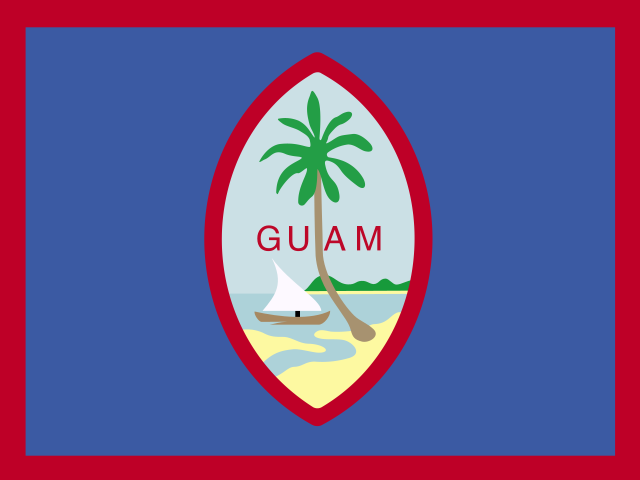
The almond-shaped seal recalls the sling stones of the ancient Chamorro. Inside: a proa sailing in Hagåtña Bay, with the cliffs of Two Lovers Point behind.
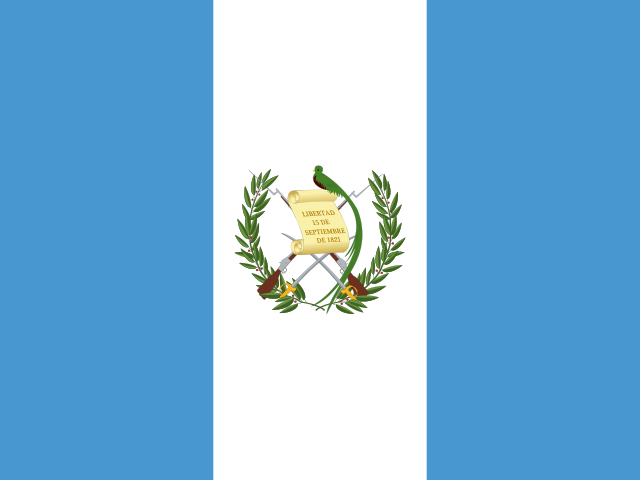
The quetzal, national bird and symbol of liberty, perches on a scroll dated 15 September 1821, the day of independence. Sky blue stands for justice and loyalty, white for purity.
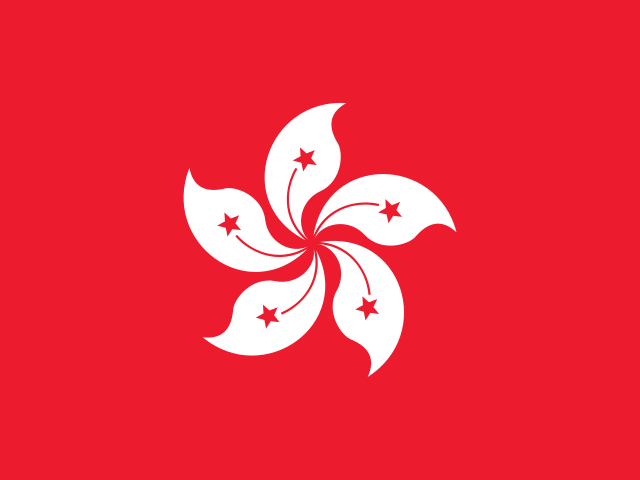
The white flower is a Bauhinia × blakeana, Hong Kong's floral emblem. The five red stars on its petals echo the Chinese flag, and the red is the very same shade.
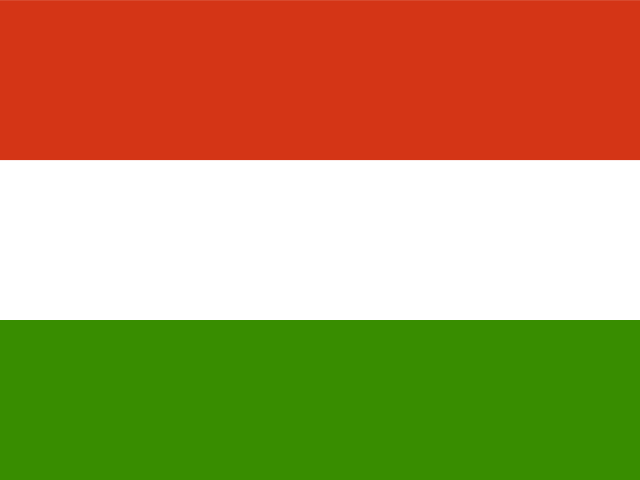
Red, white and green come from Hungary's coat of arms, and the 2012 constitution reads them as strength, fidelity and hope. The stripes are horizontal partly to avoid confusion with Italy.
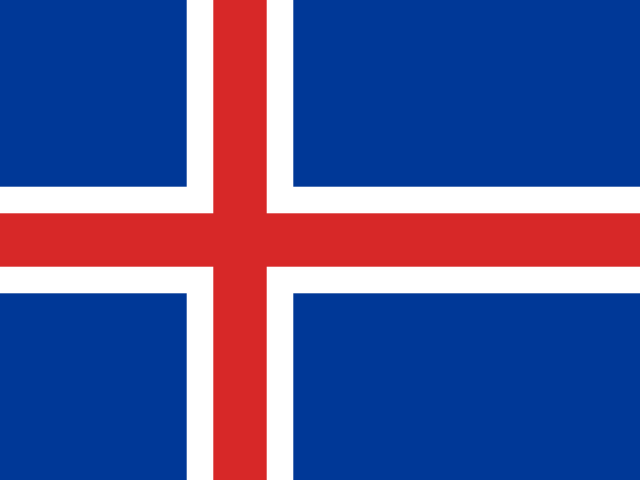
The usual reading: red for volcanic fire, white for ice and snow, blue for the mountains and surrounding sea. The red cross was added in 1915 to an older blue-and-white flag.
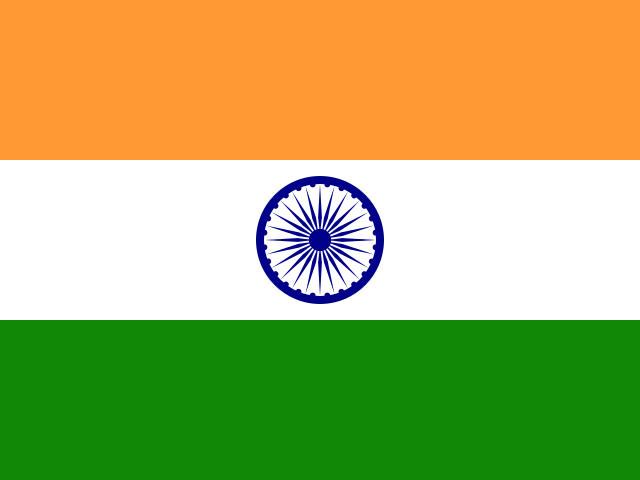
Saffron for courage and sacrifice, white for peace and truth, green for faith. The navy Ashoka Chakra with its 24 spokes comes from Emperor Ashoka's Lion Capital.
Officially called Sang Saka Merah-Putih. Red stands for courage, white for purity, and the colours go back to the 13th-century Majapahit Empire.
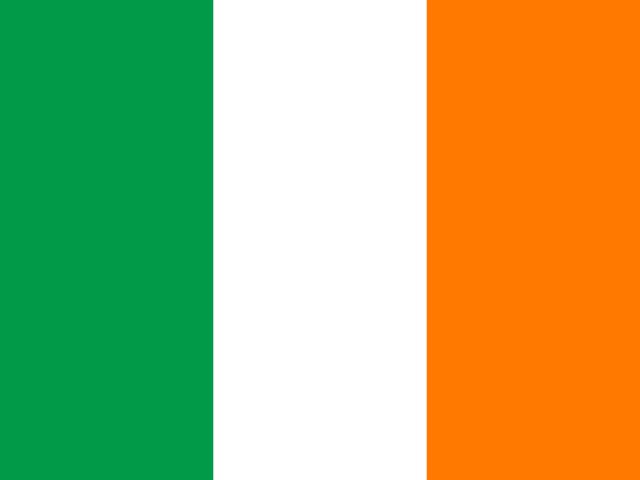
Green represents the Gaelic Catholic tradition, orange the Protestant followers of William of Orange, and white the hope of a lasting truce between them.
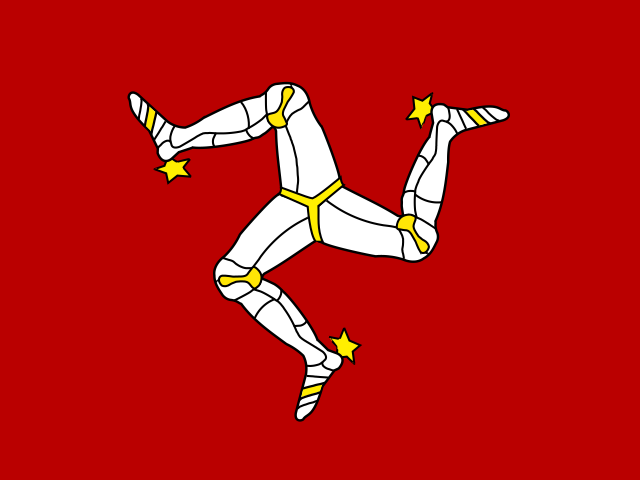
Three armoured legs with golden spurs on red: the triskelion appears on the island in the late 13th century. Sicily has a similar three-legged symbol.
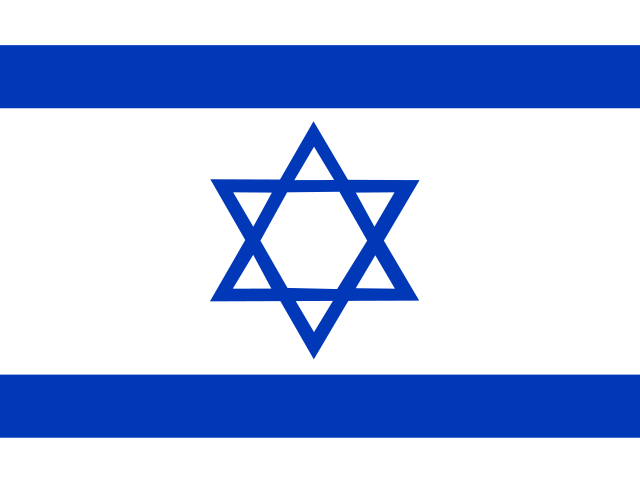
The two blue stripes are modelled on the tallit, the Jewish prayer shawl, with the Star of David in the middle. The design was used at the First Zionist Congress in Basel in 1897.
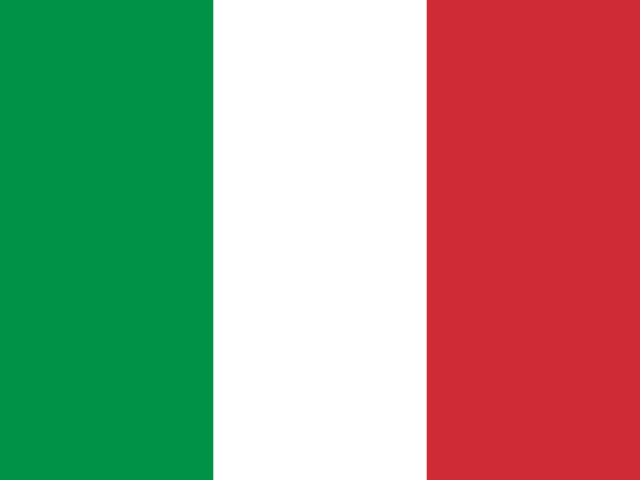
Il Tricolore was inspired by France's flag, with green replacing blue as a nod to nature and natural rights. The Cispadane Republic first adopted it in Reggio Emilia on 7 January 1797.
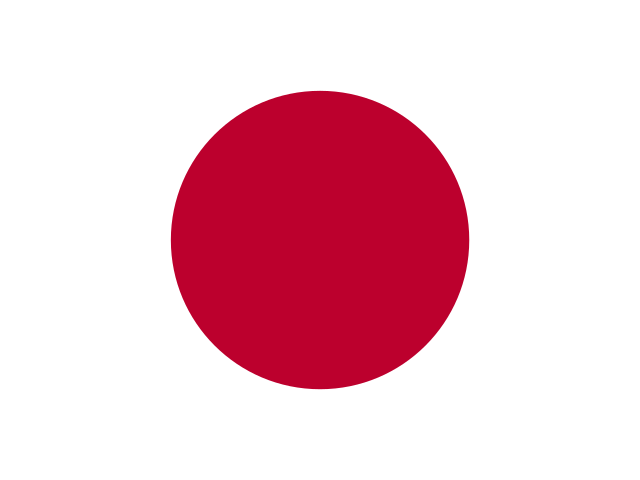
Officially it's the Nisshōki, but everyone calls it Hinomaru, ‘circle of the sun’. The red disc is the sun, fitting Japan's nickname, the Land of the Rising Sun.
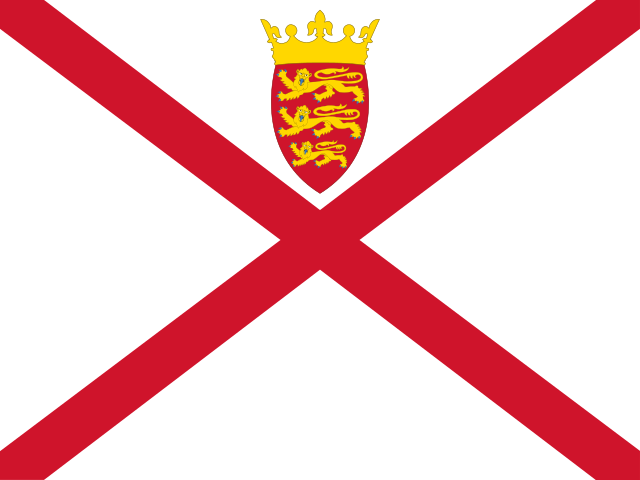
A red saltire on white, topped by the island's badge with three lions and a yellow Plantagenet crown. It was first officially hoisted on 7 April 1981.
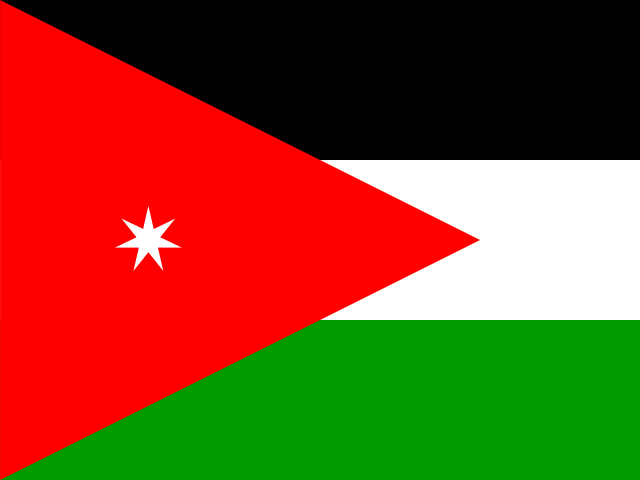
It's based on the 1916 Arab Revolt flag: black, white and green stripes plus a red triangle for the Hashemite dynasty.
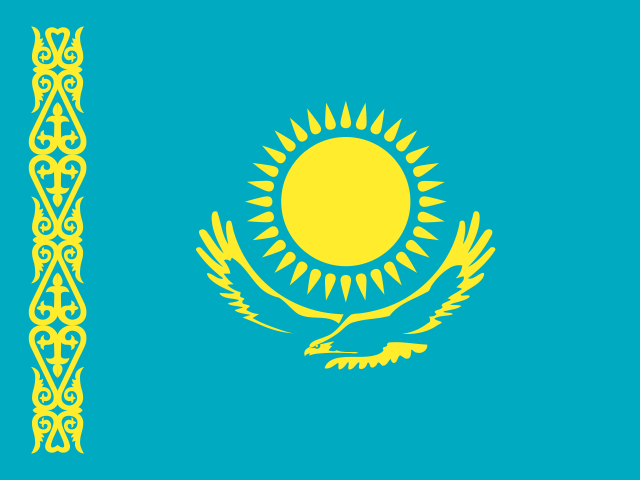
Turquoise for the endless sky and unity, a sun with 32 rays and a soaring steppe eagle for freedom. The pattern at the hoist is called ‘ram's horns’.
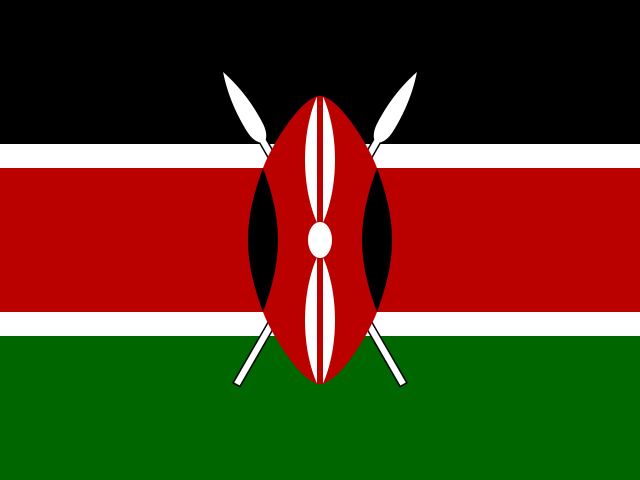
Black stands for the people, red for the blood of the independence struggle, green for the land, white for peace. The Maasai shield and spears show the will to defend the nation.
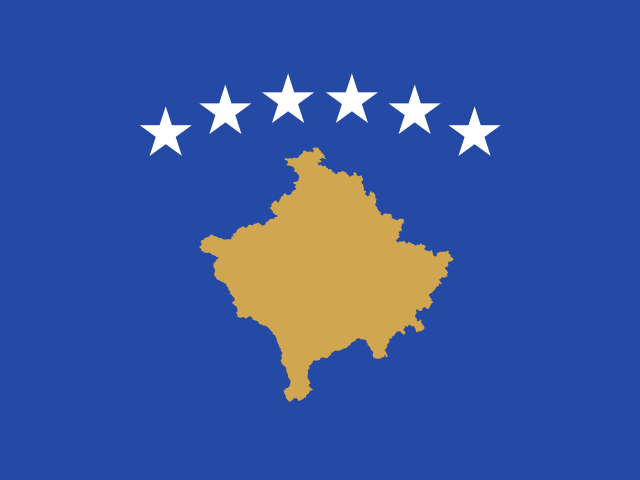
A gold map of Kosovo on blue, topped by six white stars – officially one for each of the six main ethnic groups: Albanians, Serbs, Bosniaks, Turks, Roma and Gorani.
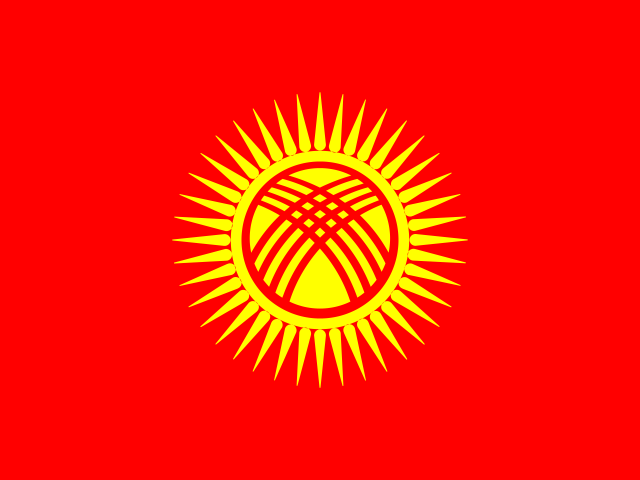
The sun's 40 rays stand for the 40 tribes united by the epic hero Manas. In the centre sits a tunduk, the crown of a yurt roof, symbolising hearth and home.
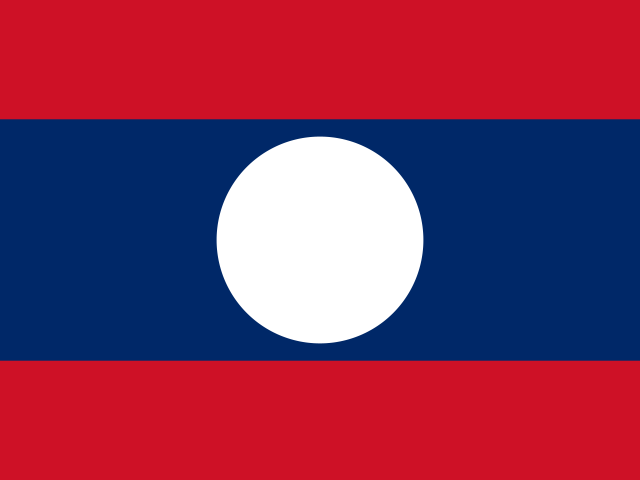
Red for the blood shed in the fight for independence, blue for the Mekong – and the white disc is said to be the full moon over the river, symbolising unity.
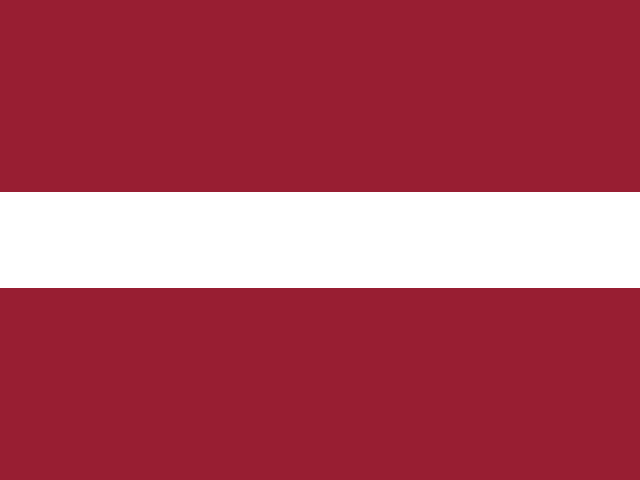
The Livonian Rhymed Chronicle already mentions a red banner with a white stripe around 1279. Legend says a wounded chieftain was wrapped in a white sheet that stayed clean only in the middle.
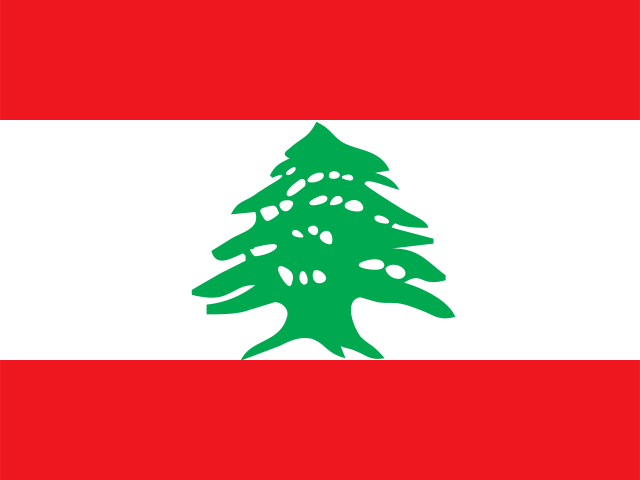
The green cedar stands for immortality and hope, the red stripes for blood shed for independence, and white for peace and the snowy mountains.
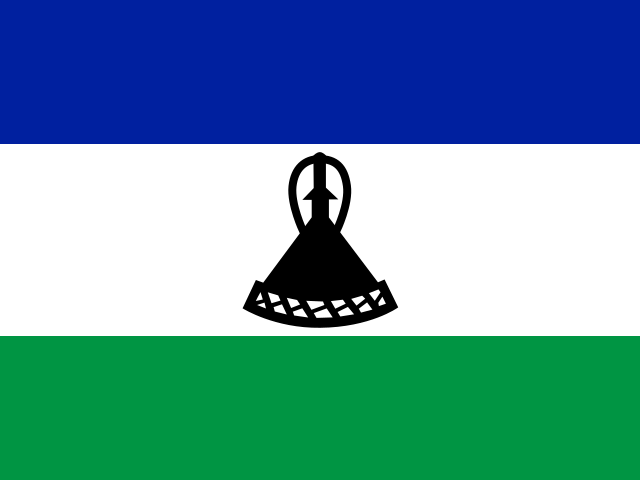
Blue stands for sky and rain, white for peace, green for prosperity. In the middle sits a mokorotlo, the traditional Basotho straw hat.
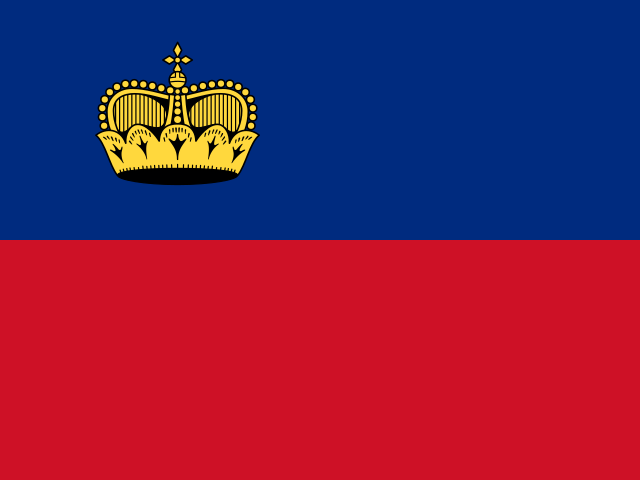
Blue stands for the sky and red for the evening fires glowing in the nation's homes. The gold prince's crown signals Liechtenstein's status as a principality.
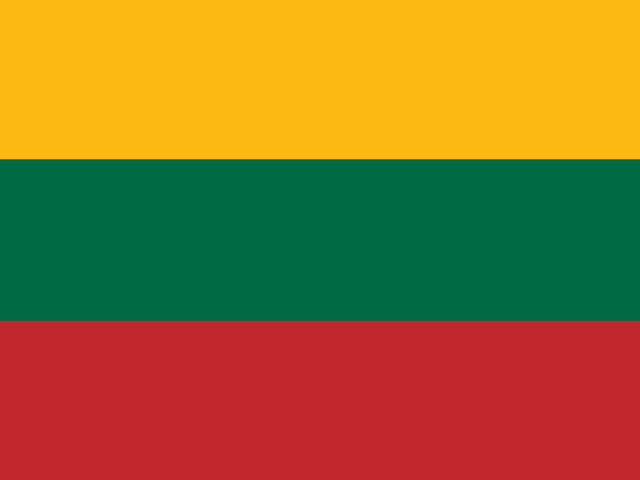
Yellow stands for sunshine and prosperity, green for forests, liberty and hope, and red for the blood and courage of those who died for Lithuania.
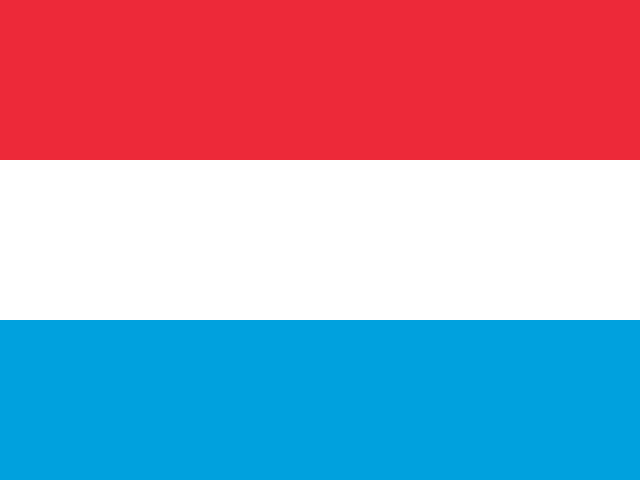
The colours most likely come from the arms of the House of Luxembourg – a red lion on blue-and-white stripes. The horizontal layout was fixed in 1845.
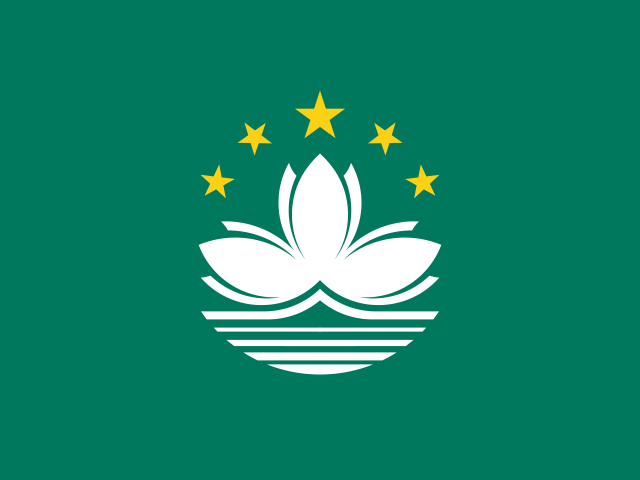
The lotus is Macau's floral emblem, above the Governor Nobre de Carvalho Bridge and water for the port. The five stars echo the flag of China.
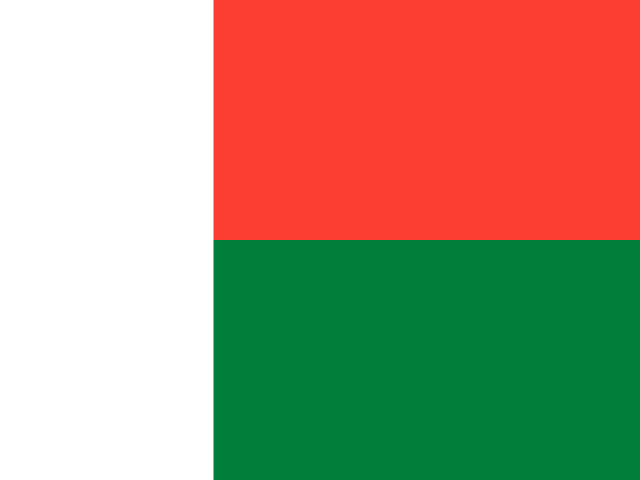
Red and white go back to the old Merina royal colours, with green for hope. It was designed in 1958 by Andrianome Ranaivosoa of the national geographic institute.
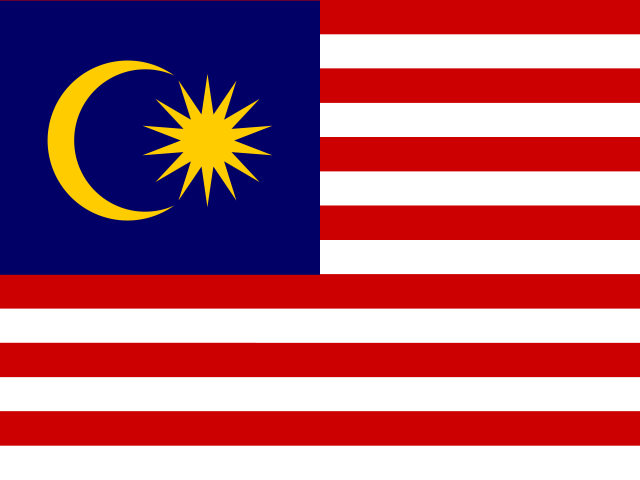
Fourteen stripes and a 14-pointed star stand for the equal members of the federation. The crescent represents Islam, and yellow is the royal colour of the Malay rulers.
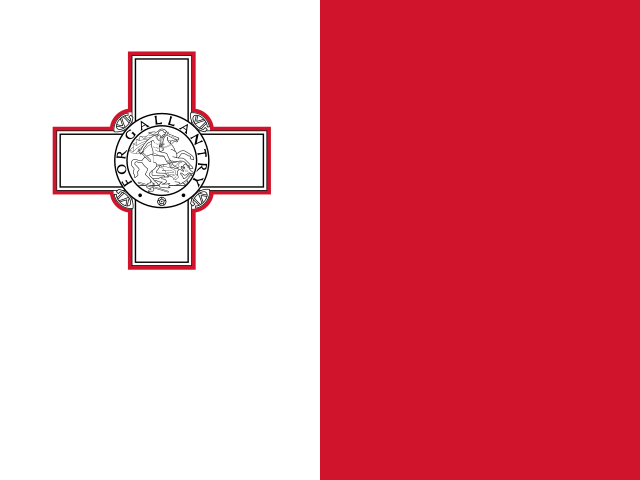
Tradition credits Count Roger I of Sicily (1091) with Malta's white and red, but historians think the Knights of Malta's white-cross-on-red flag is the likelier source.
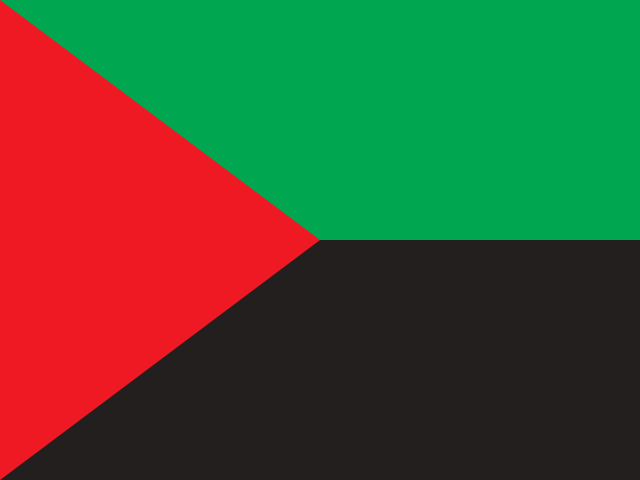
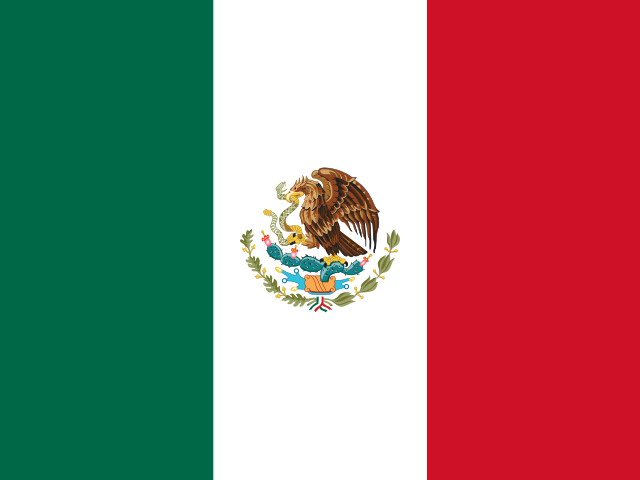
The coat of arms tells an Aztec legend: an eagle on a cactus devouring a snake marked the spot to found Tenochtitlan, today's Mexico City.
Red and white have been the heraldic colours of the ruling Grimaldi family since at least 1339. The simple bicolour has been official since 4 April 1881.
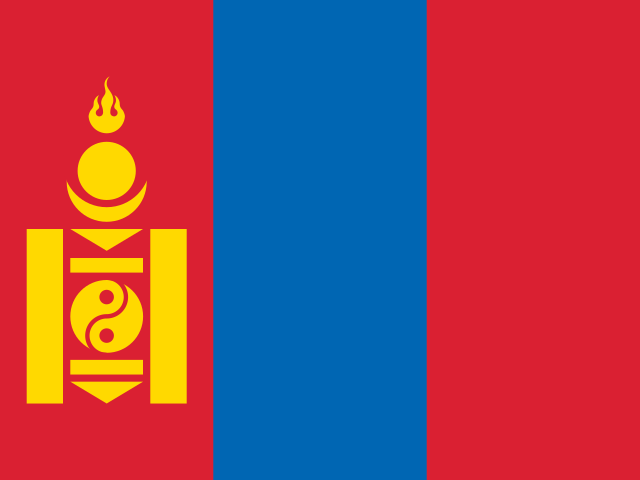
Blue stands for the ‘eternal blue sky’. At the hoist is the Soyombo: fire, sun, moon, earth and water in one symbol, plus two fish in a yin-yang pattern.
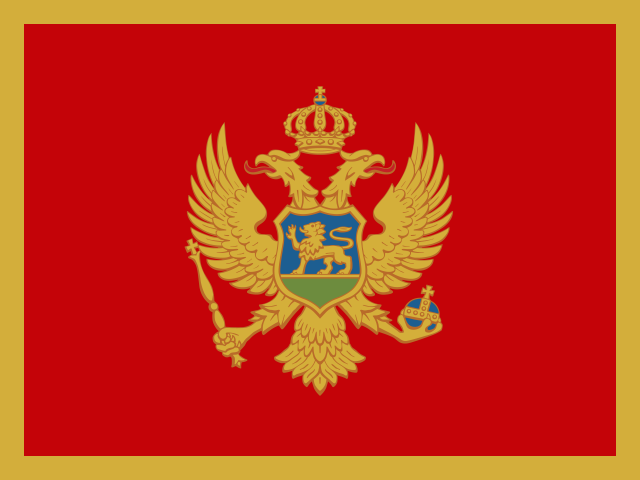
Red with a golden border and a golden double-headed eagle in the centre – the 2004 flag is based on an old royal banner. The emblem fills two-thirds of the height.
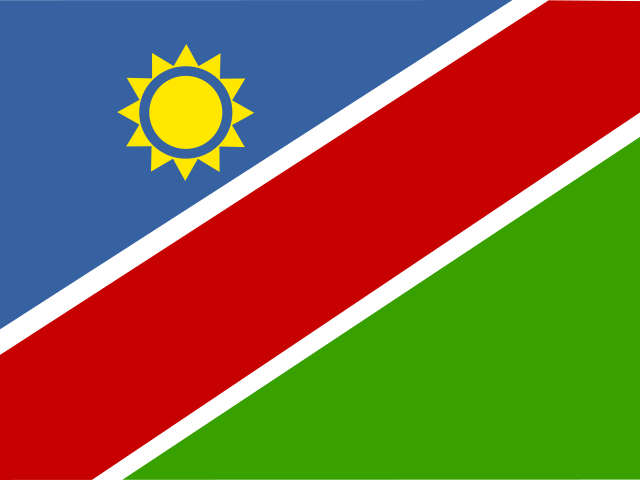
Blue is the sky, the Atlantic and rain, red the people, green the vegetation, white peace. The golden sun means life and energy, and its 12 rays stand for the ethnic groups.
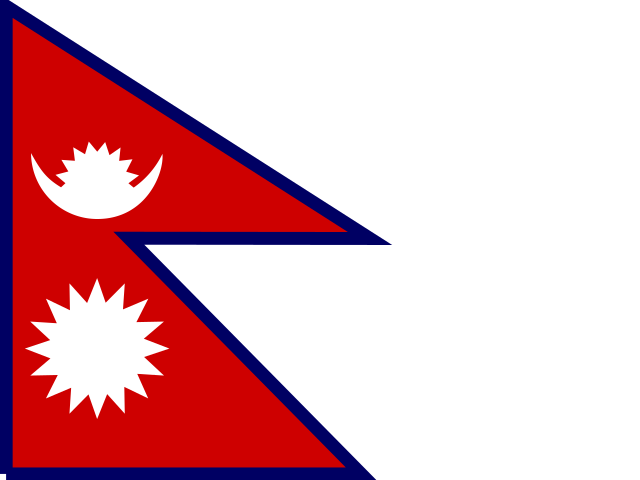
Two stacked pennants, going back to two branches of the ruling dynasty. The moon evokes the cool Himalayas, the sun the heat of the southern lowlands.
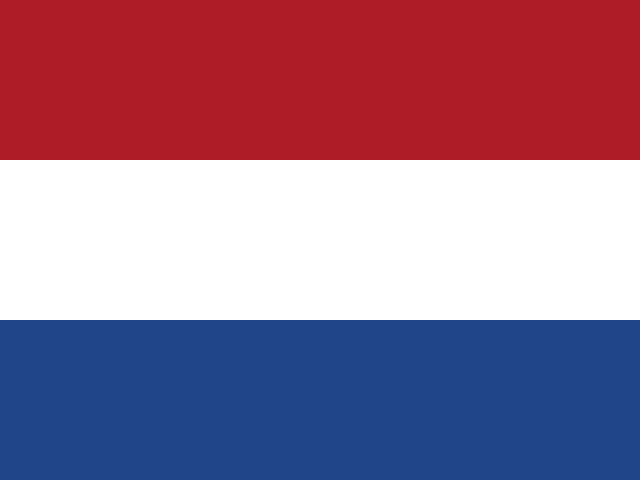
It descends from William of Orange's orange-white-blue Prince's Flag; red replaced orange during the 1600s. It's described as the oldest tricolour in continuous use.
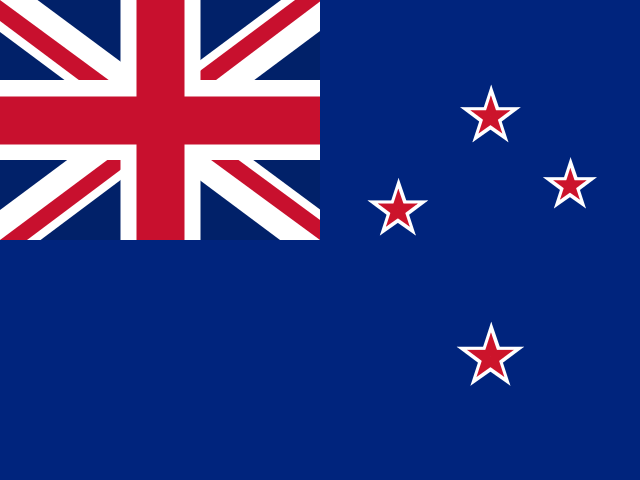
The four stars form the Southern Cross, marking New Zealand's place in the South Pacific. The Blue Ensign design was approved in 1869 – at first only for government ships.
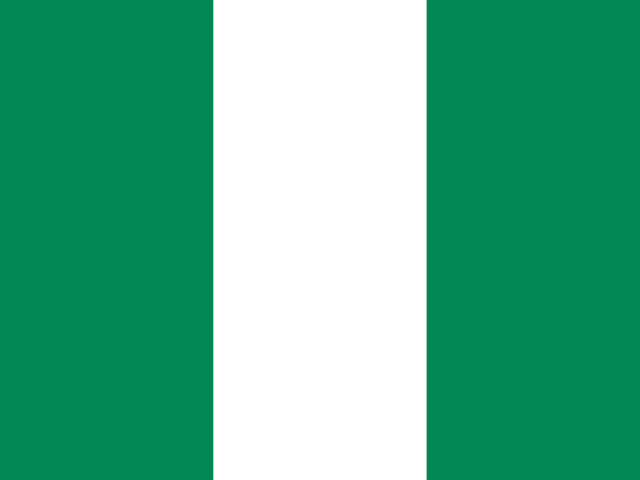
Green stands for agriculture, white for unity and peace. It was designed by Michael Taiwo Akinkunmi, who won a 1959 competition with around 3,000 entries.
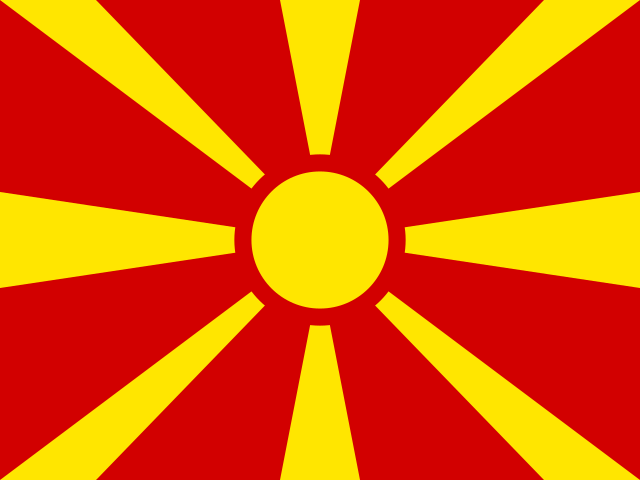
A yellow sun with eight widening rays on red, representing the ‘new sun of liberty’ from the national anthem. Designed by Miroslav Grčev.
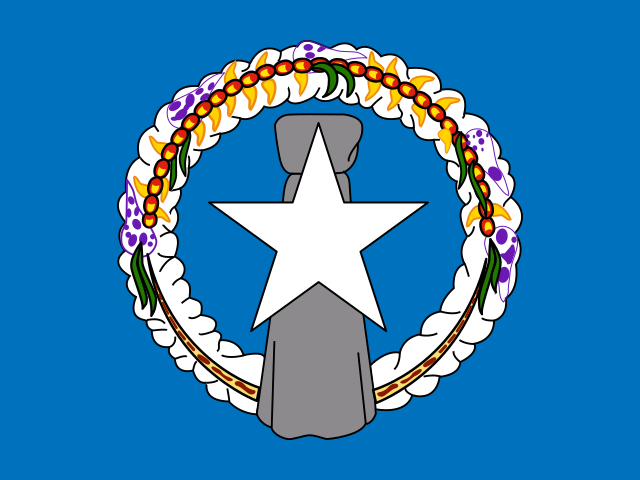
The grey latte stone stands for the Chamorro people, the flower wreath (mwarmwar) for the Carolinians and the white star for the USA. The blue: the Pacific and the Mariana Trench.
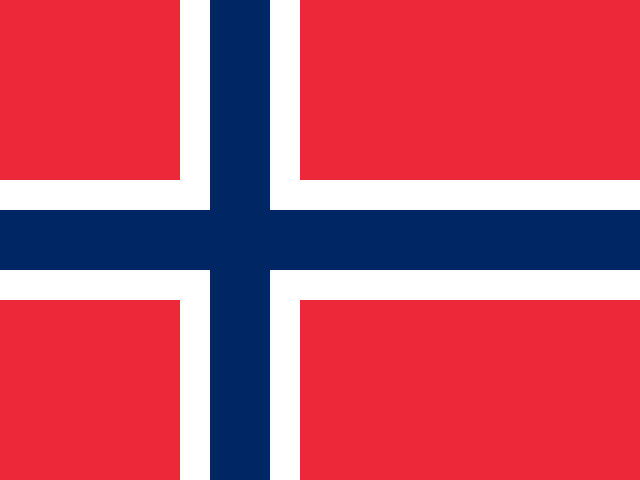
Fredrik Meltzer designed it in 1821: a Nordic cross like Denmark's and Sweden's, in red, white and blue – three colours that, as he put it, ‘now denote freedom’.
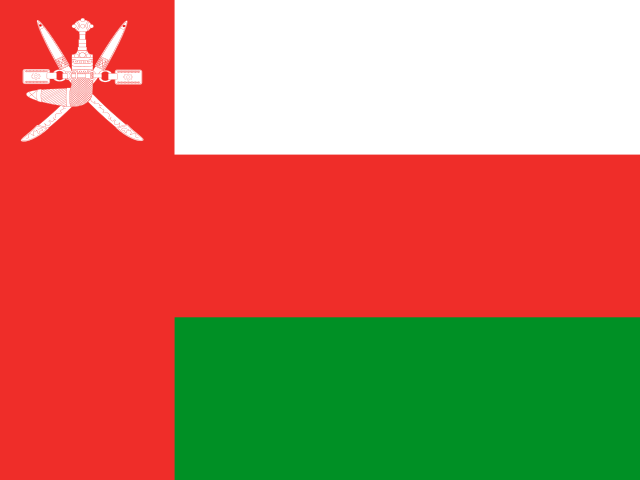
White stands for peace, green for the fertile land of Jebel Akhdar and red for the old sultanate's flag. Top left: a khanjar dagger over two crossed swords.
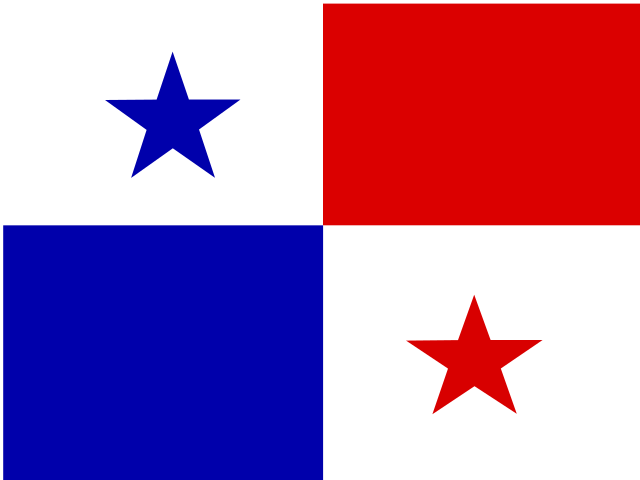
Blue represented the Conservative Party, red the Liberals and white peace between them. María de la Ossa de Amador sewed the first flag in 1903 with her sister-in-law and niece.
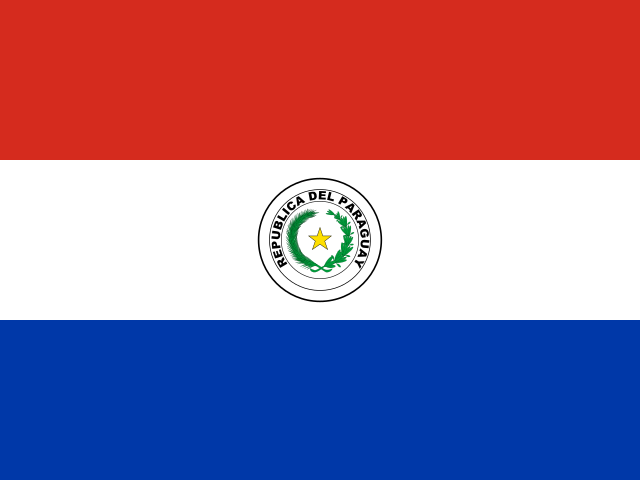
Red, white and blue since 1842, colours often linked to the French Tricolour. The front carries the national seal with its star.
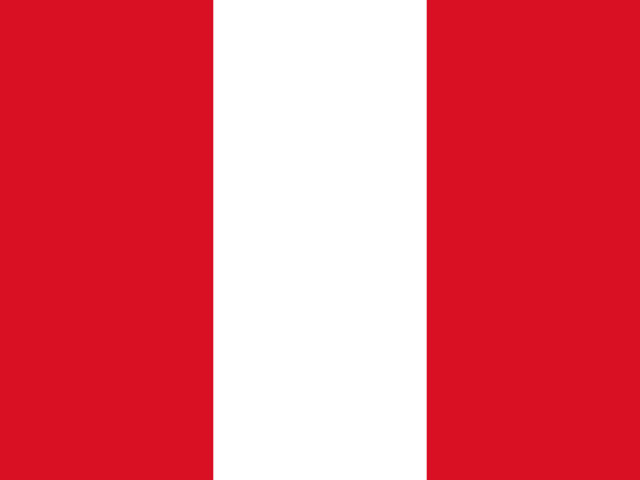
Legend has it that San Martín was inspired by red-and-white flamingos, the parihuanas, he saw after landing at Pisco. Red stands for blood, white for peace.
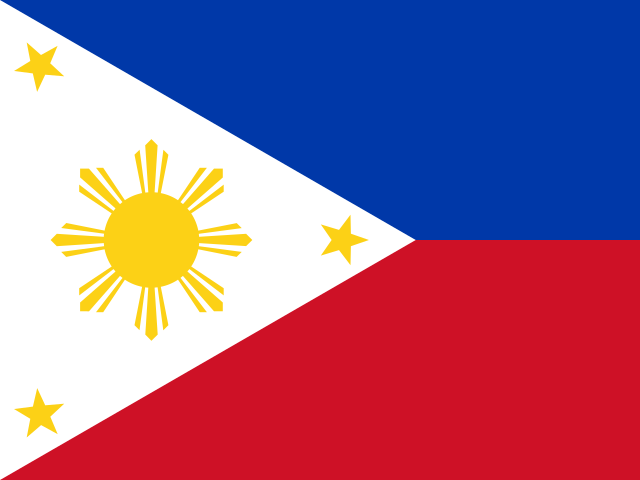
The sun's eight rays stand for the eight provinces that rose against Spain in 1896, the three stars for Luzon, the Visayas and Mindanao. Blue is peace, red is valour.
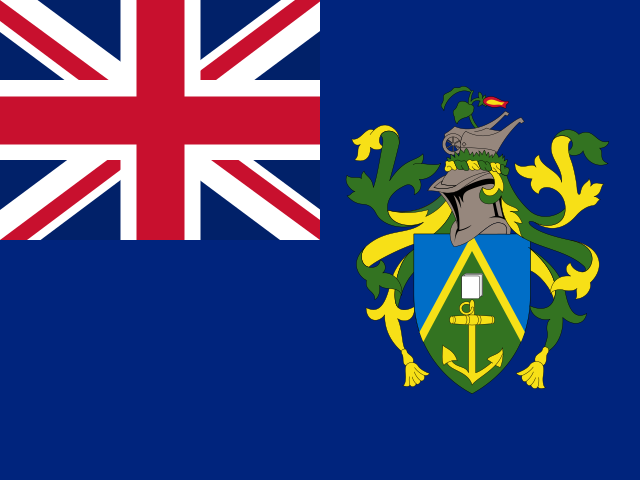
The arms on this Blue Ensign show the anchor and Bible of HMS Bounty – most islanders descend from the Bounty mutineers and Tahitian women.
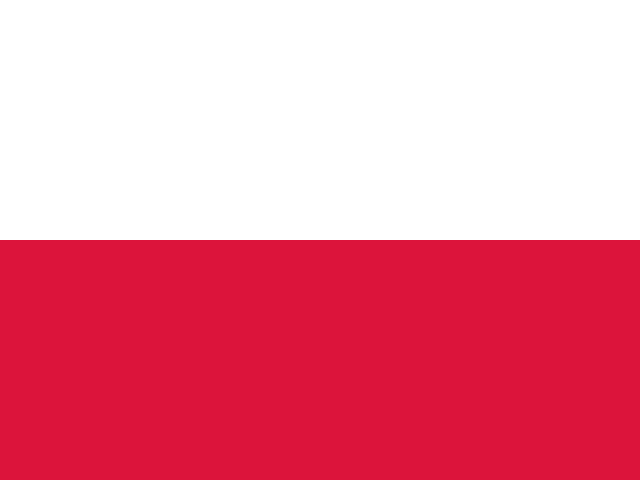
White and red come from heraldry: Poland's White Eagle and Lithuania's white knight, both on red shields. It became the national flag on 1 August 1919.
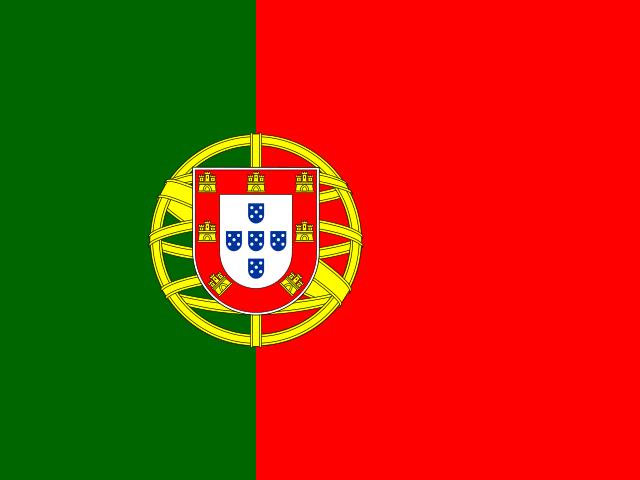
Green (hope) and red (the blood of those who died for the nation) were republican colours; the armillary sphere recalls the Age of Discoveries. Green takes up just 2/5 of the length.
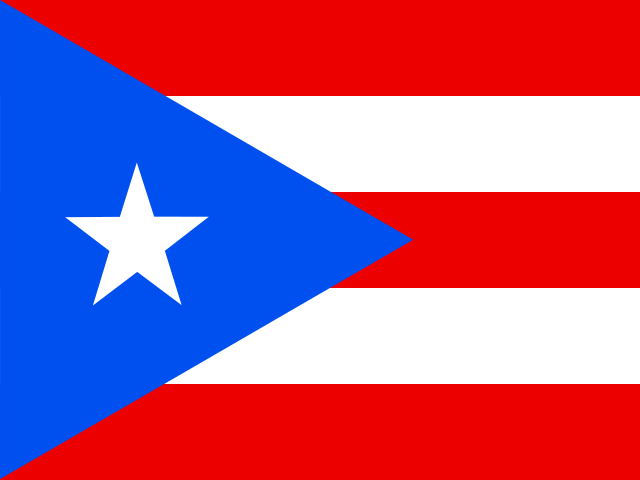
In 1895, revolutionaries meeting in New York adopted the Cuban flag with its colours swapped. The star is the island, and the triangle's three sides are the three branches of government.
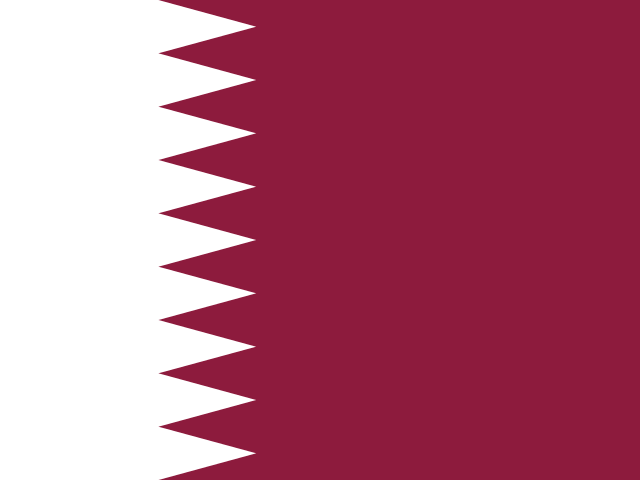
The nine points mark Qatar as the ninth member of the ‘reconciled emirates’ under the 1916 treaty with Britain. The white band stands for peace.
Blue, yellow and red were declared national colours in 1848. One traditional reading: liberty (sky blue), justice (field yellow) and fraternity (blood red).
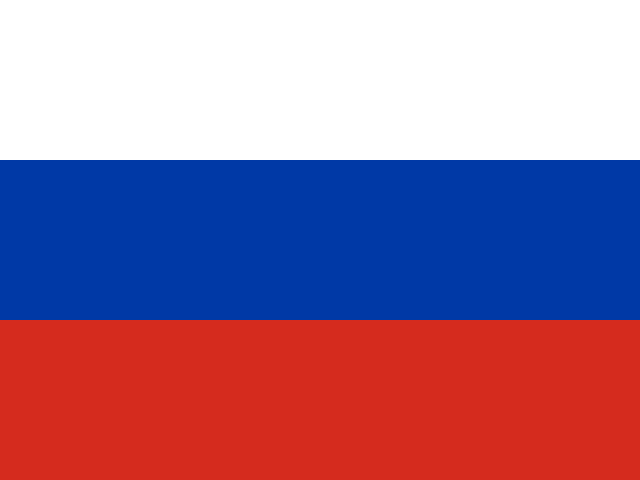
White-blue-red dates back to Peter the Great and was probably inspired by the Dutch tricolour. It became the merchant flag in 1705 and the sole national flag in 1896.
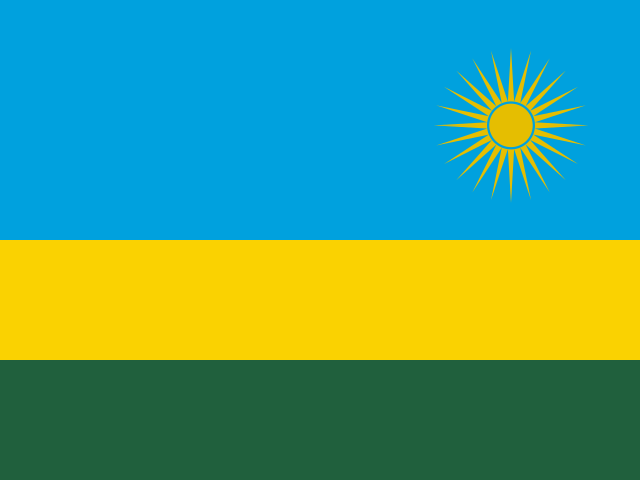
Blue stands for happiness and peace, yellow for economic development, green for hope of prosperity. The sun with 24 rays symbolises unity and enlightenment.
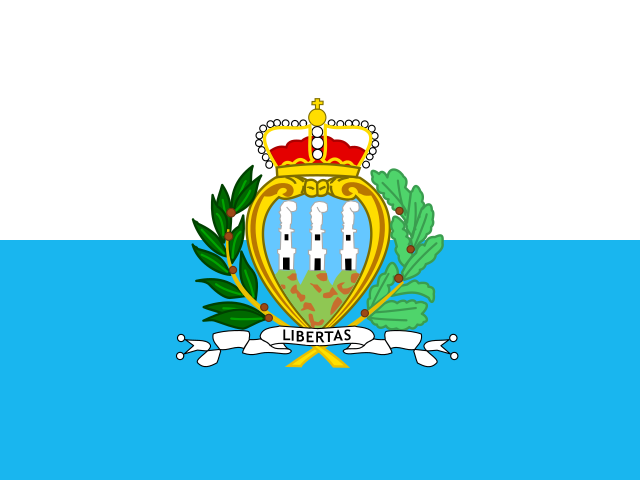
White stands for peace and light blue for liberty. The coat of arms shows three towers on three peaks beneath a crown, with the motto ‘LIBERTAS’ – freedom.
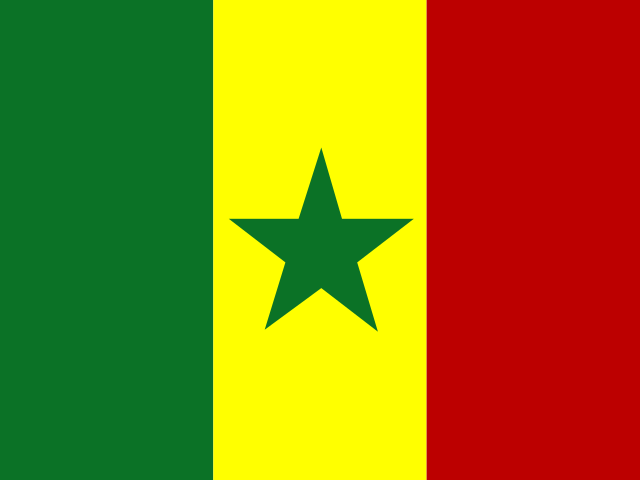
Senegal left the Mali Federation in 1960, kept its stripes and swapped the kanaga figure for a green star. The colours stand for hope, wealth and sacrifice, among other things.
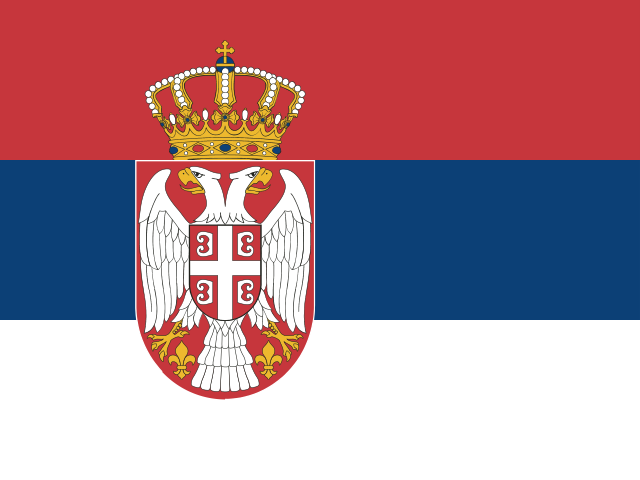
Story goes that in 1835 Prince Miloš wanted to adopt Russia's tricolour; when the Russian consul took offence, it was simply turned upside down – red-blue-white.
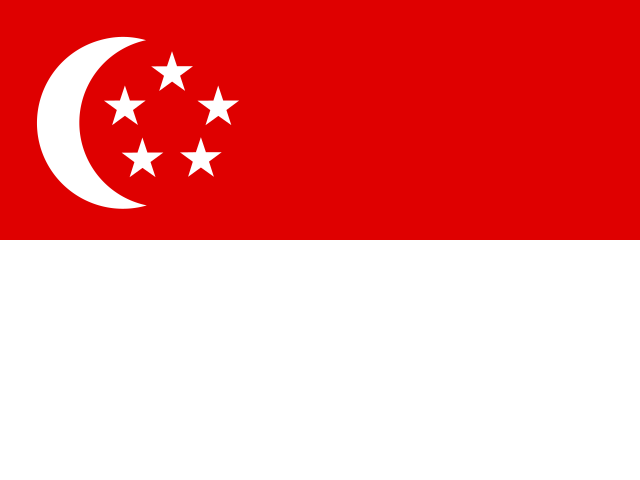
Red stands for universal fellowship and equality, white for purity. The crescent is a young nation on the rise; the five stars are democracy, peace, progress, justice and equality.
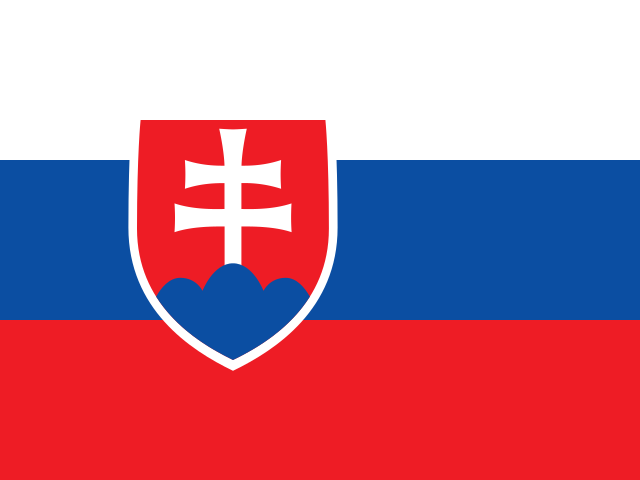
White, blue and red are Pan-Slavic colours, and the early tricolour looked a lot like Russia's. Since 3 September 1992 the coat of arms – a double cross on three blue hills – sits toward the hoist.
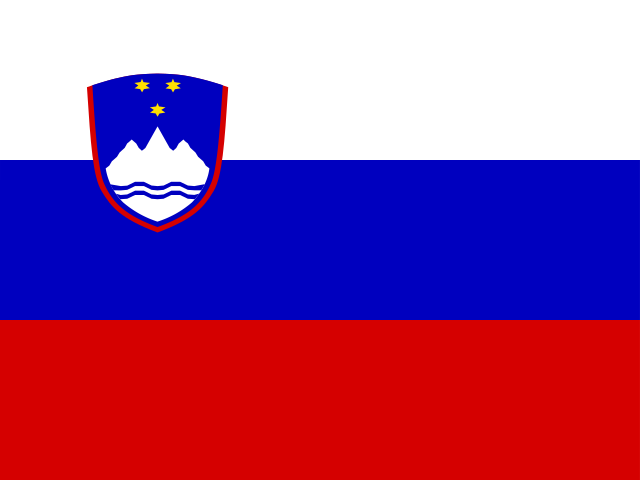
The coat of arms shows Mount Triglav, two wavy lines for the Adriatic and the rivers, and three gold stars from the Counts of Celje. The tricolour first flew in Ljubljana in 1848.
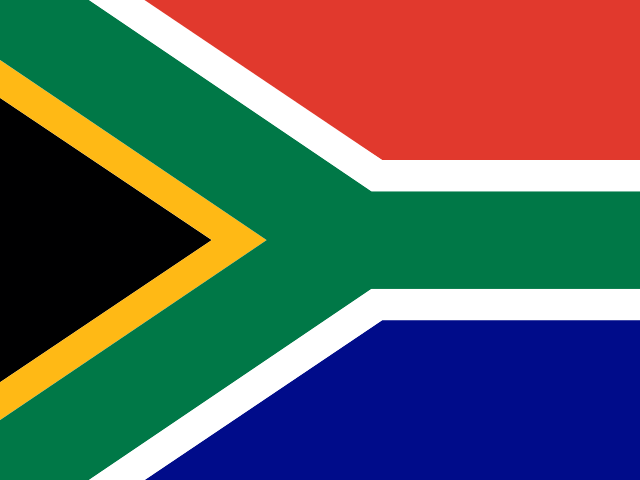
Officially, the colours mean nothing at all! Only the Y counts: it symbolises diverse elements of society converging. It was designed by State Herald Fred Brownell.
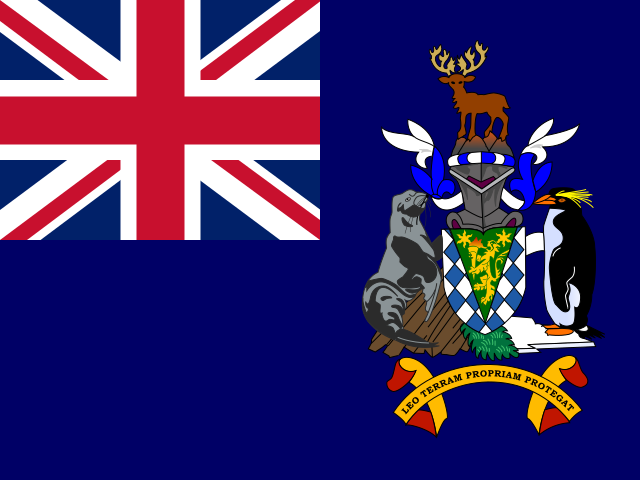
On the arms the lion stands for Britain and the torch for exploration, flanked by a seal, a penguin and a reindeer – reindeer were introduced by whalers in 1911 and eradicated in 2013–14.
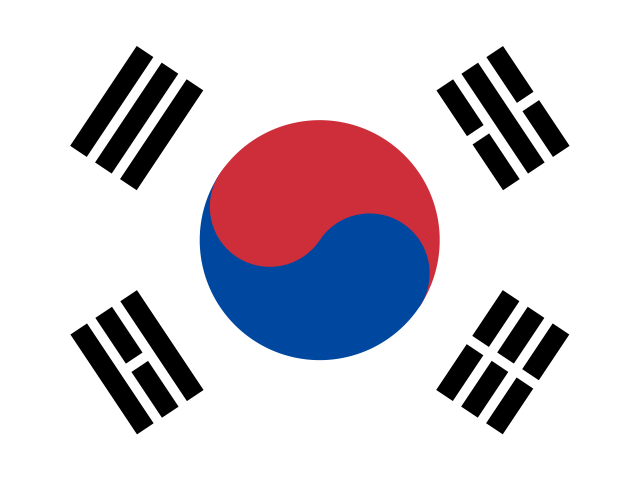
The Taegukgi: white for peace and purity, the red-and-blue taegeuk for yin and yang, and four I Ching trigrams for heaven, earth, fire and water.
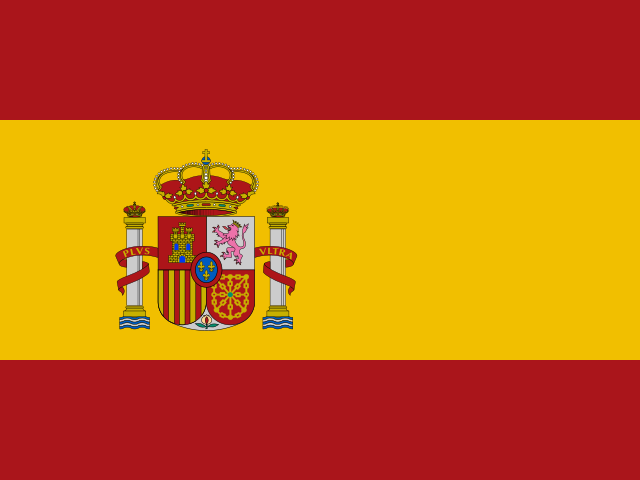
In 1785 Charles III picked red and yellow for the navy so Spanish ships wouldn't be mistaken for others at long range or in calm winds. Some see the colours of Aragon in it.
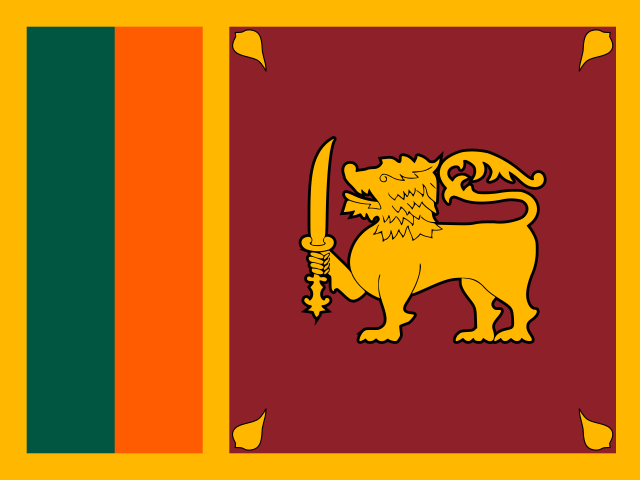
The sword-wielding lion represents the Sinhalese, the orange stripe the Tamils and the green stripe the Moors (Sri Lankan Muslims). The four bo leaves stand for Buddhist virtues.
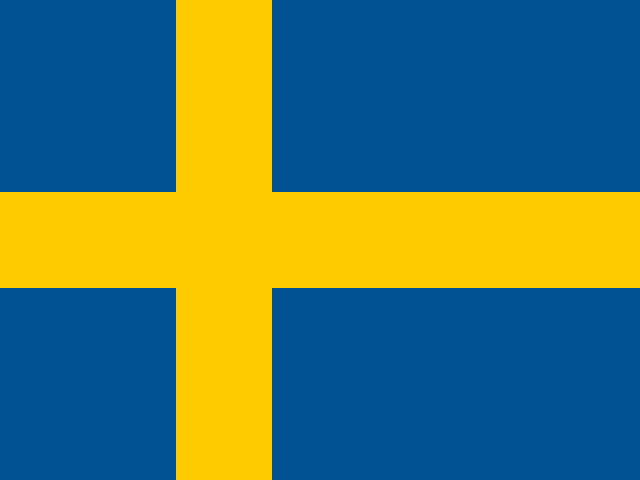
Blue and yellow have been Swedish colours since the 1200s; the design is believed to come from the 1442 coat of arms – blue divided by a gold cross. Denmark's flag most likely inspired it.
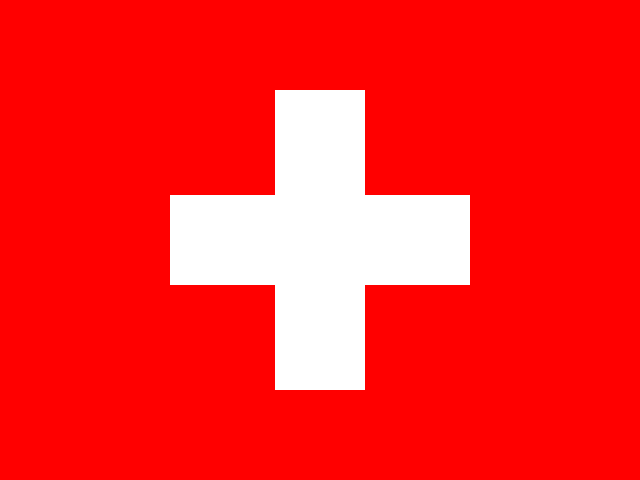
Swiss Confederate troops were already sewing a white cross onto their clothing as a field sign at the Battle of Laupen in 1339. Where the cross itself came from is a matter of legend.
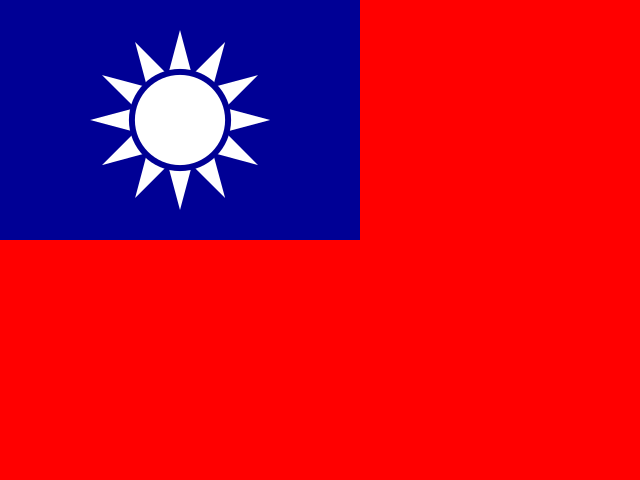
Its name means ‘Blue Sky, White Sun, and a Wholly Red Earth’. The sun's twelve rays stand for the twelve months and the twelve traditional two-hour periods of the day.
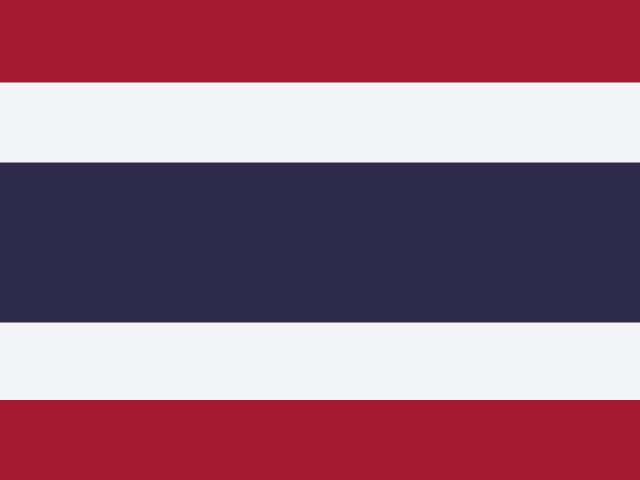
Thong Trairong means ‘tricolour flag’: red for the land and people, white for religion, blue for the monarchy. Introduced in 1917 by King Rama VI.
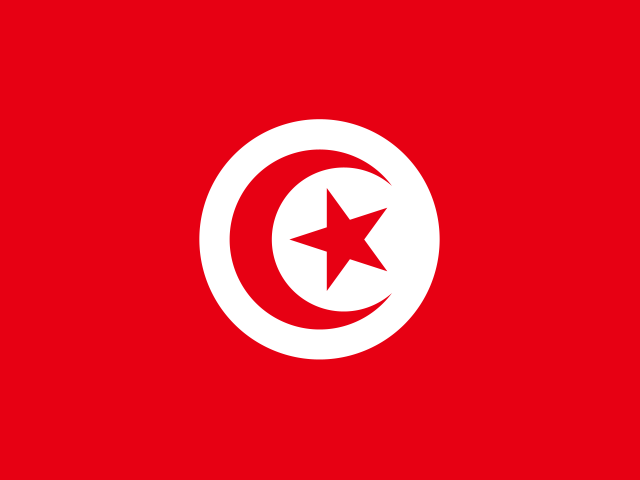
After the Battle of Navarino in 1827, Hussein II ordered a distinct flag for his fleet. Crescent and star show Ottoman influence; the white disc is said to represent the sun.
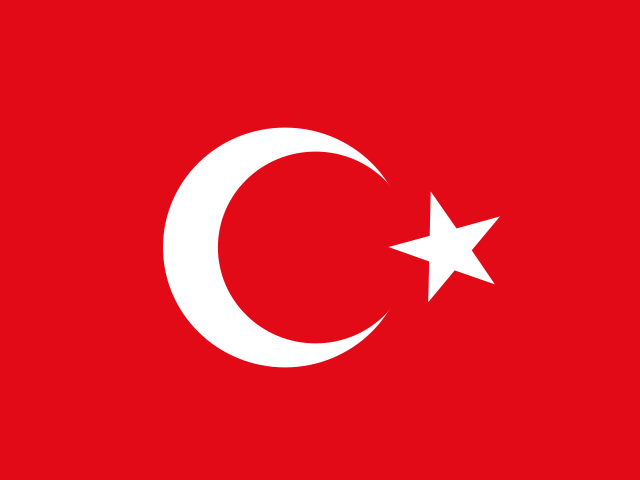
Turks call it ‘Ay Yıldız’ (moon star) or ‘Al Bayrak’ (red flag). The white crescent and star on red became the Ottoman flag in 1844; a 1936 law fixed its exact proportions and red.
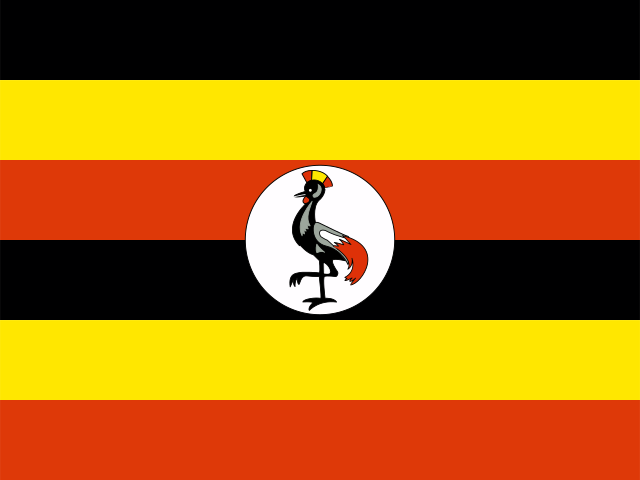
Black stands for the people, yellow for sunshine, red for brotherhood. The grey crowned crane, the national bird, was chosen as a neutral emblem not tied to any one region.
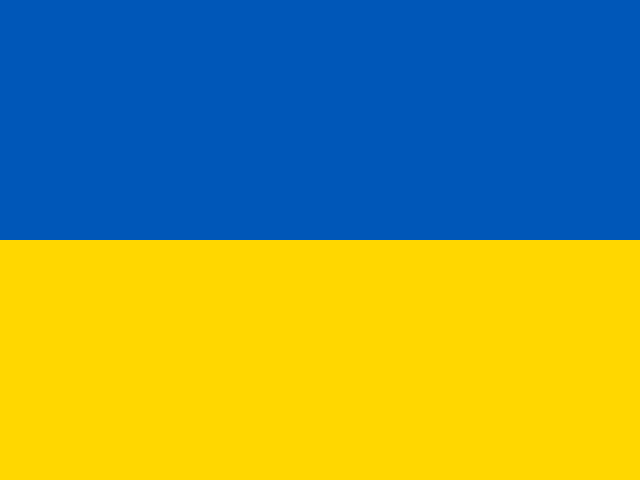
Blue and yellow trace back to medieval Galicia-Volhynia and its golden lion on blue; in 1848 the Supreme Ruthenian Council in Lviv revived the colours.
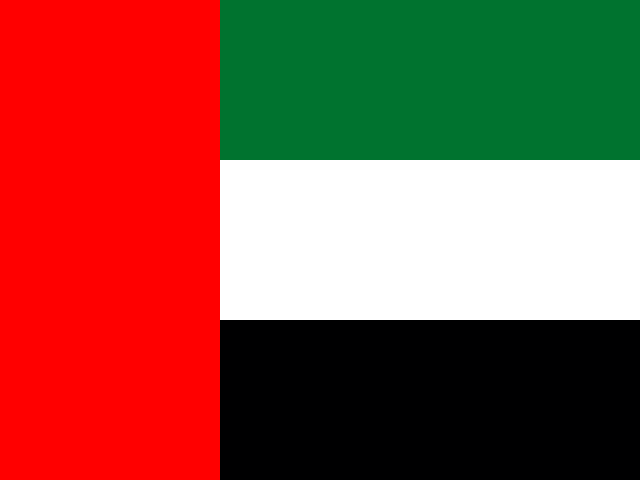
The pan-Arab colours: green for progress, white for peace, black for honour and red for the people's sacrifices. Adopted on 2 December 1971.
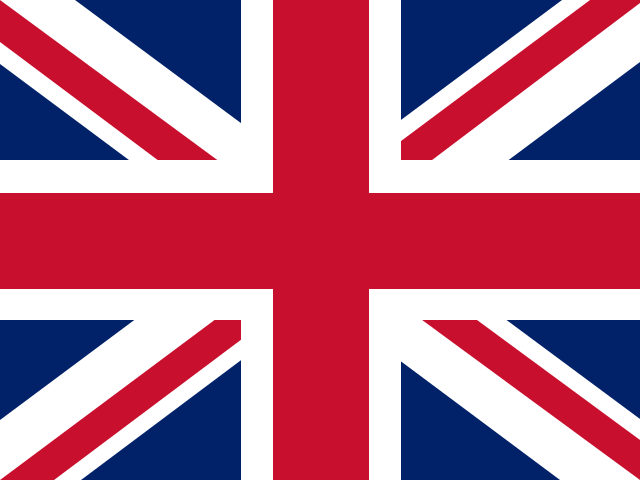
The Union Jack layers three crosses: St George (England), St Andrew (Scotland) and St Patrick (Ireland). Wales is missing because it counted as part of England when the first version appeared in 1606.
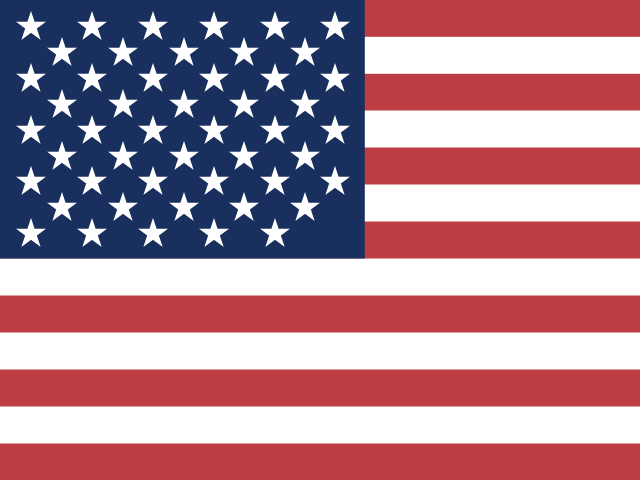
13 stripes for the 13 colonies that won independence, 50 stars for today's states. The current version has flown since 4 July 1960, after Hawaii joined.
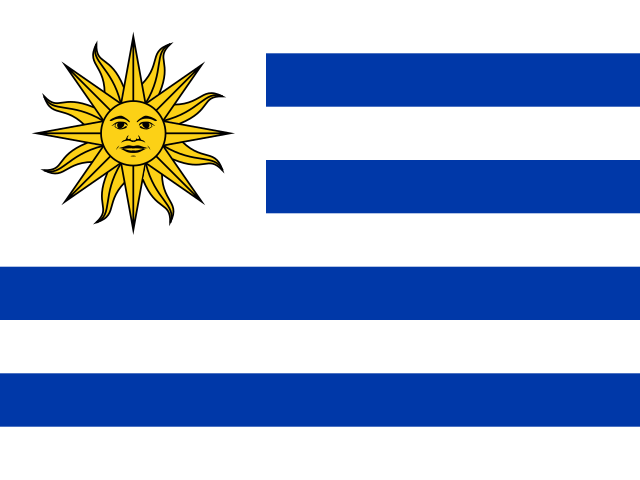
The nine stripes stand for the nine original departments, and the Sun of May for the May Revolution of 1810. The blue and white were inspired by Argentina.
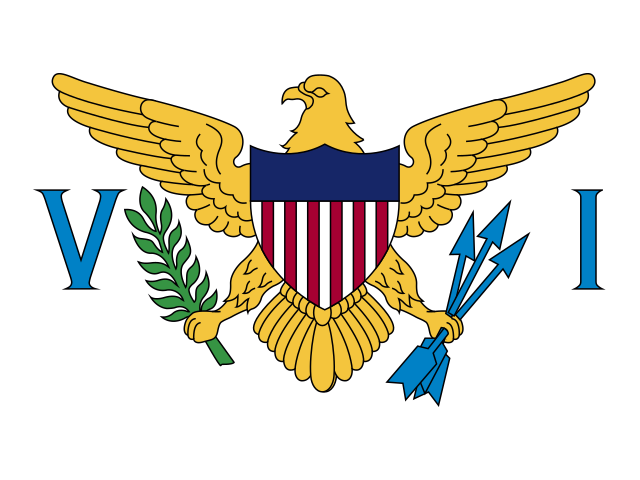
A yellow eagle with the US shield sits between the letters V and I. It clutches three arrows, one for each main island: St Croix, St Thomas and St John.
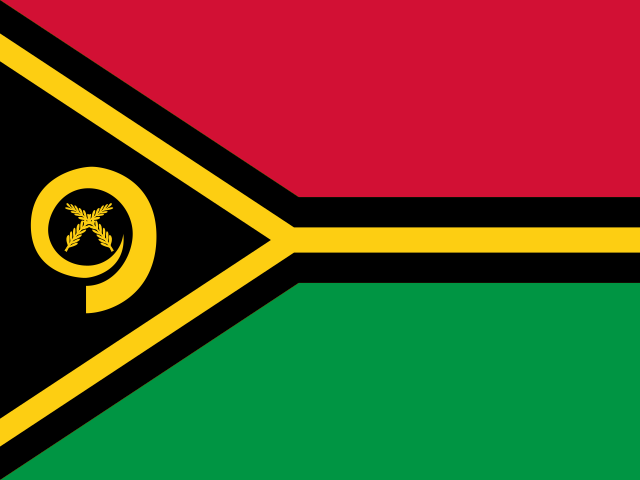
The yellow Y traces the shape of the island chain and stands for the light of the gospel. Green = the islands' riches, red = blood, black = the Melanesian ni-Vanuatu.
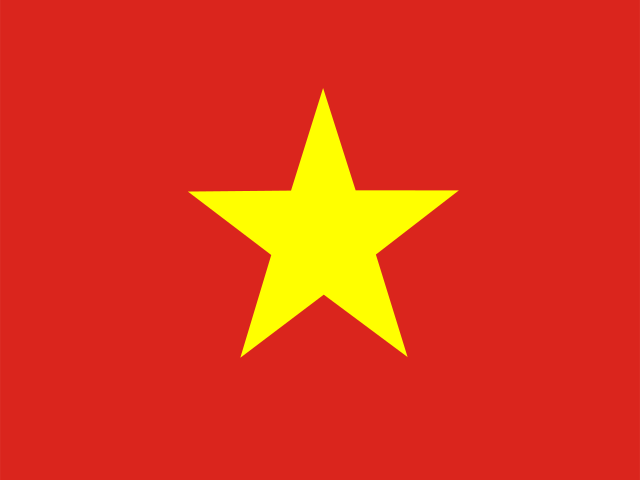
Red stands for revolution and bloodshed, the yellow star for the soul of the nation. Its five points: intellectuals, farmers, workers, entrepreneurs and soldiers.