Road signs · GeoGuessr
Road signs in GeoGuessr: tell countries apart
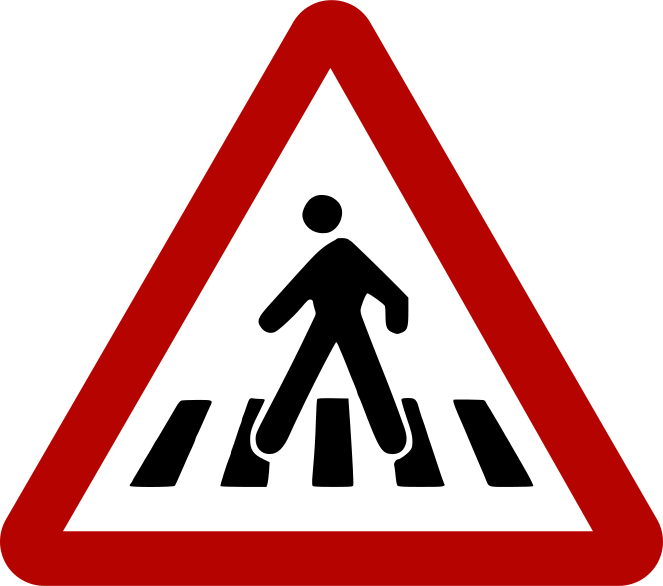
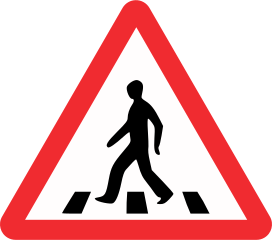
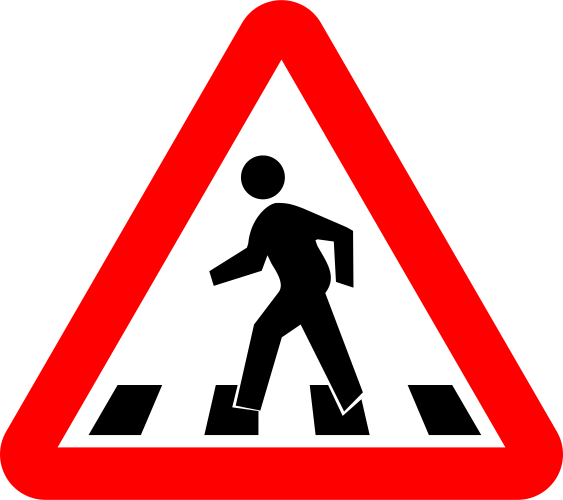
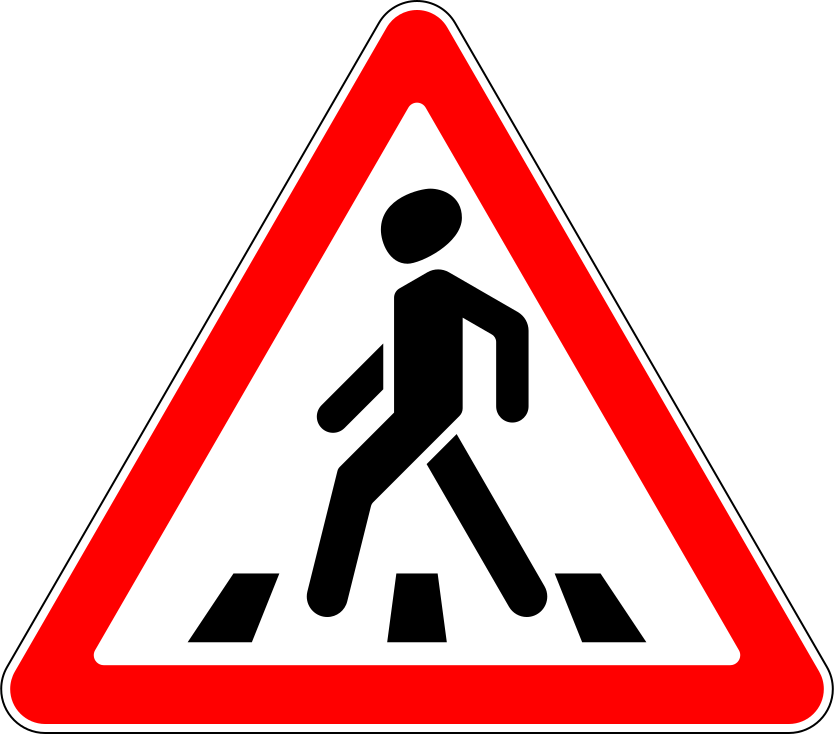
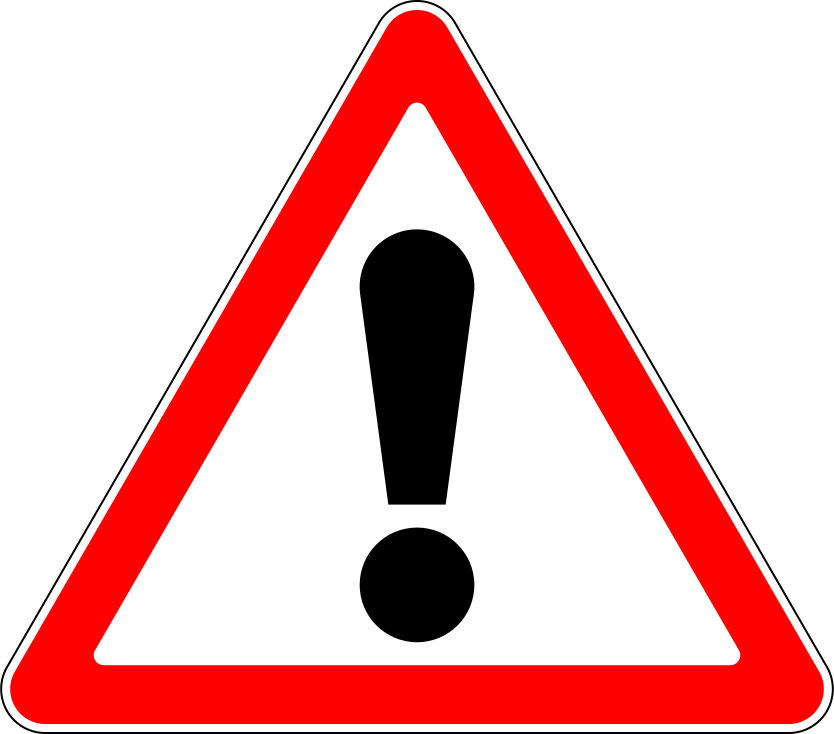
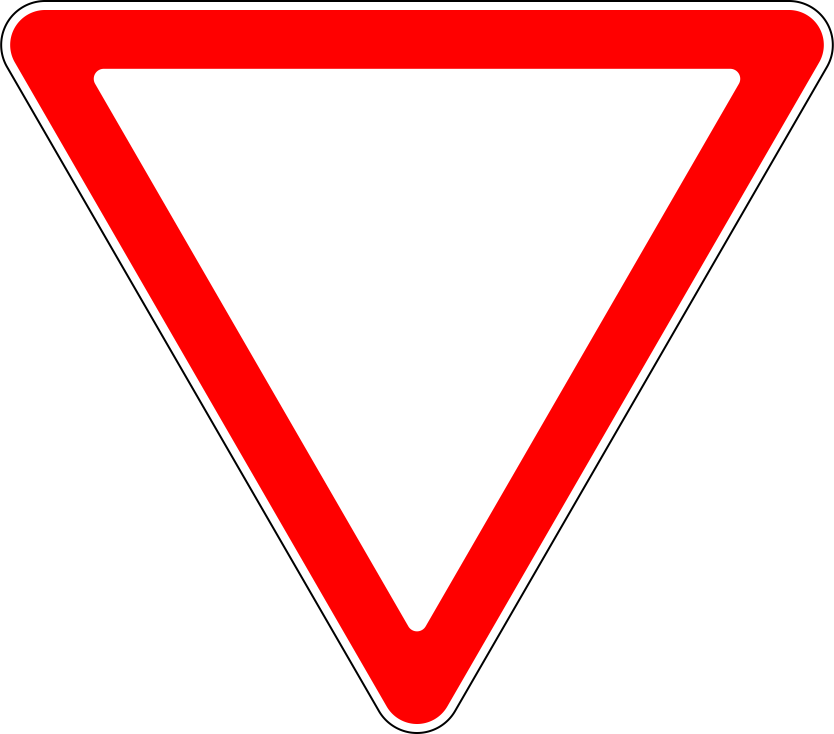
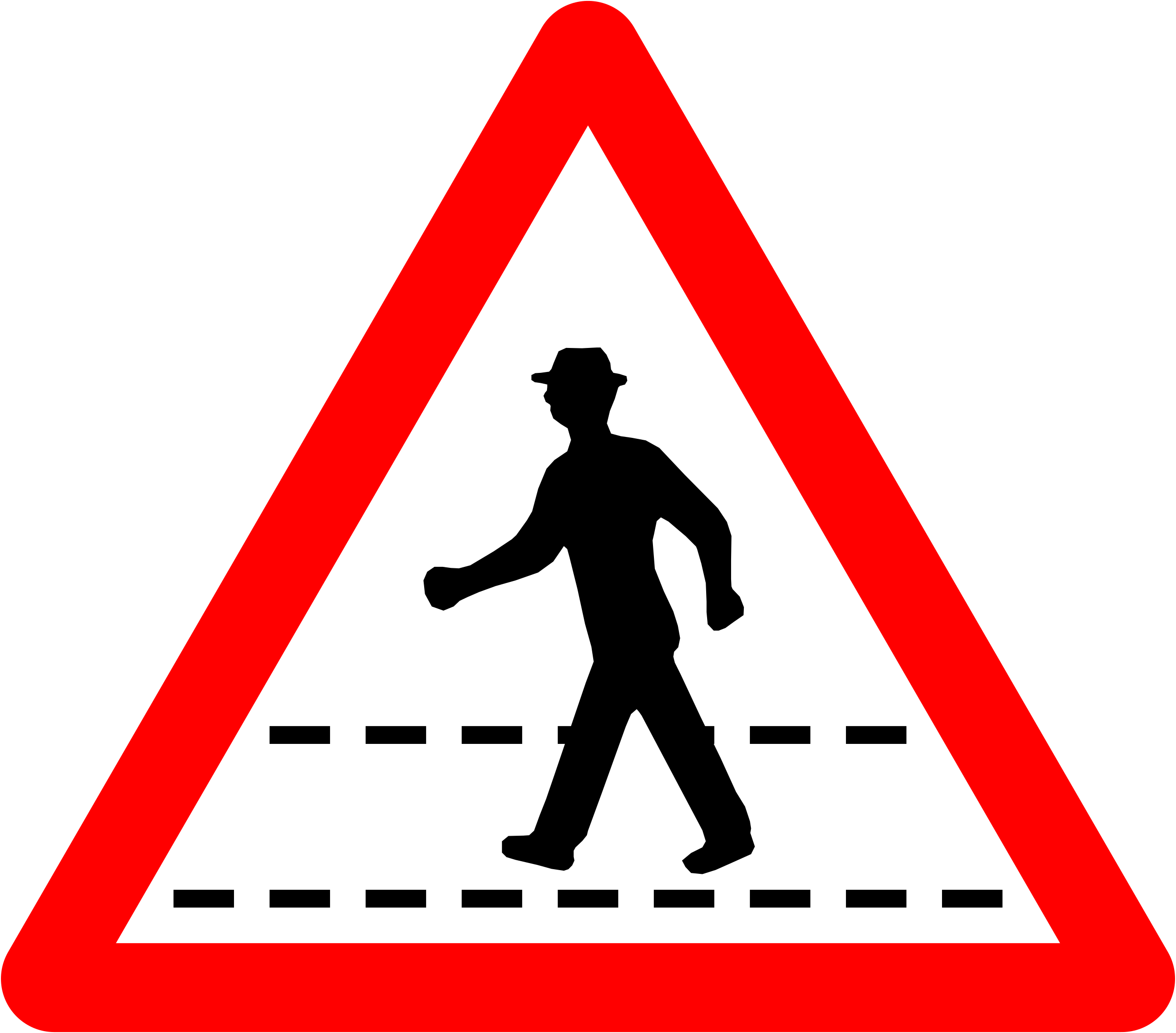
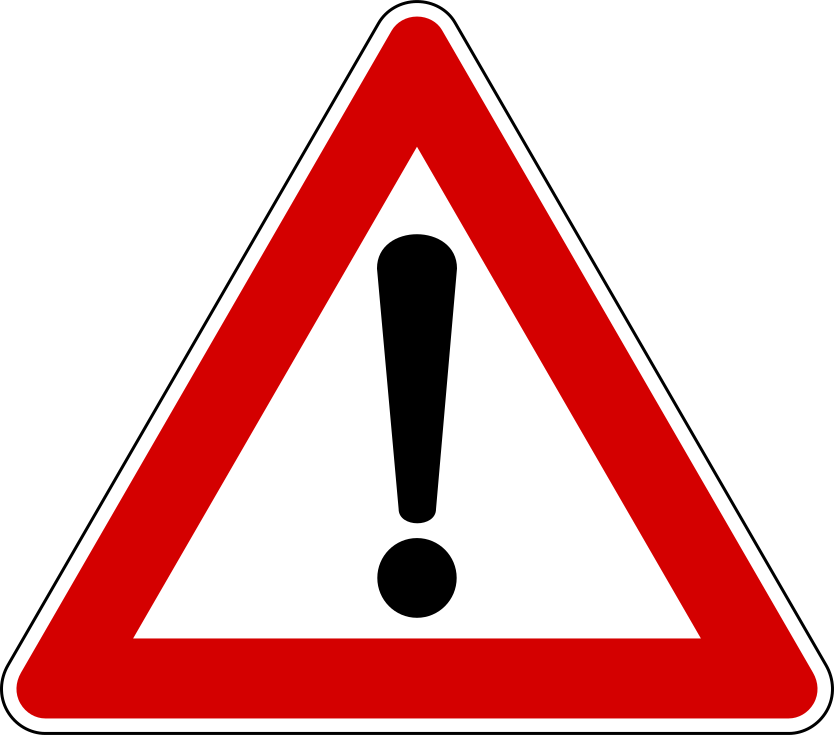
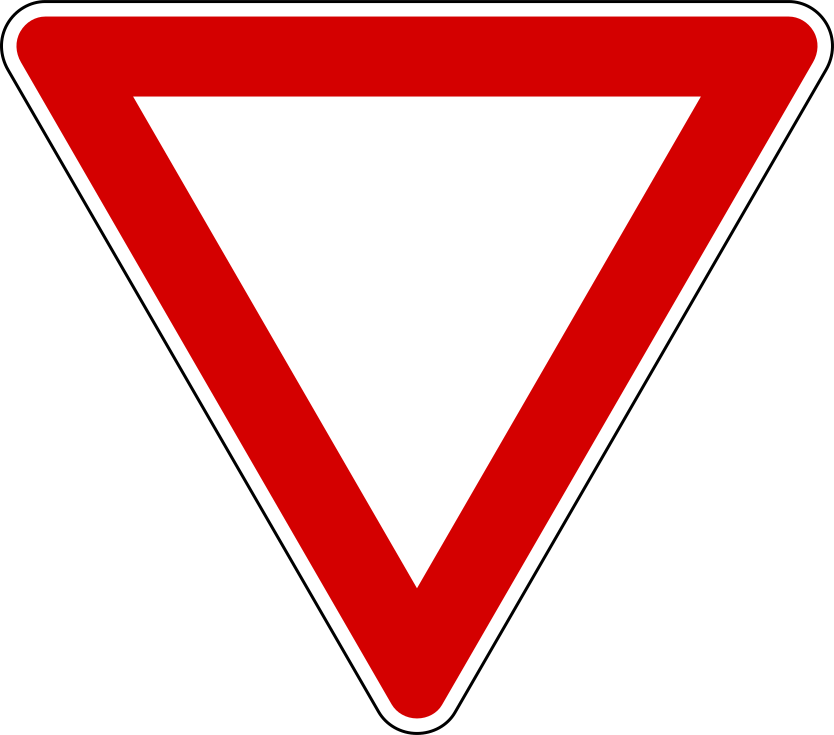
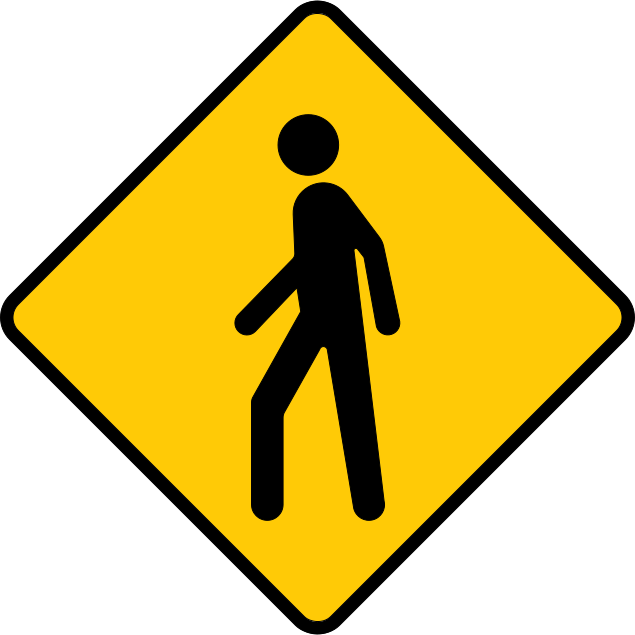
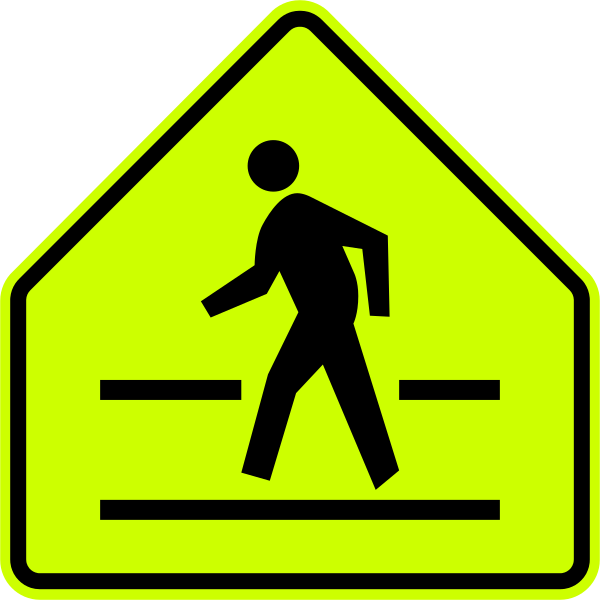
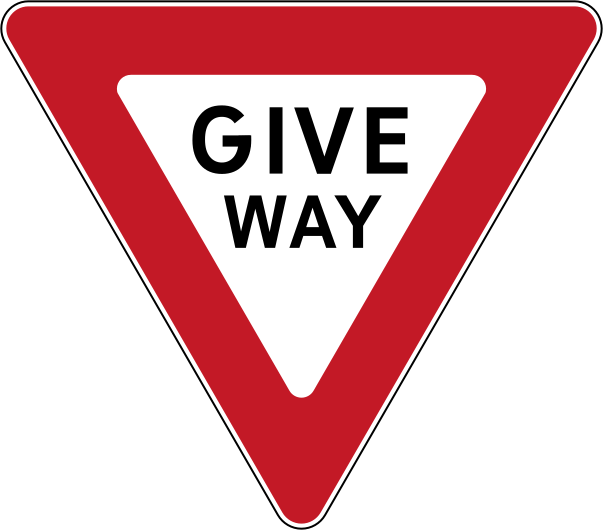
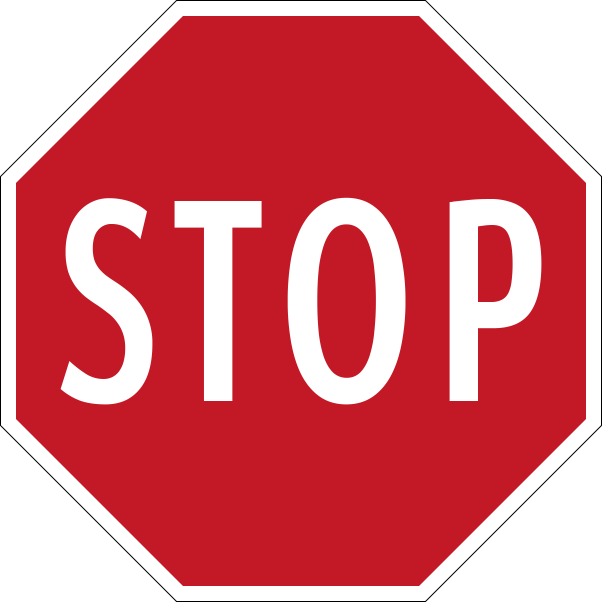
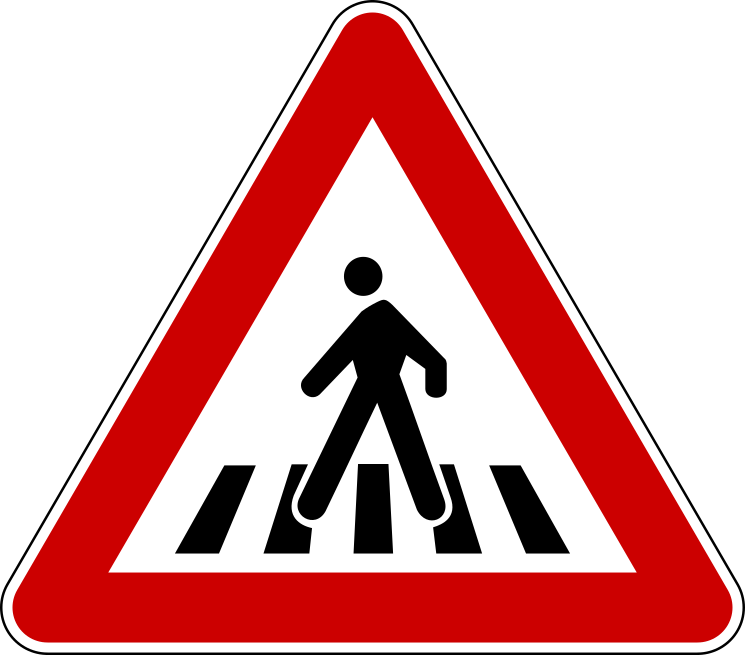
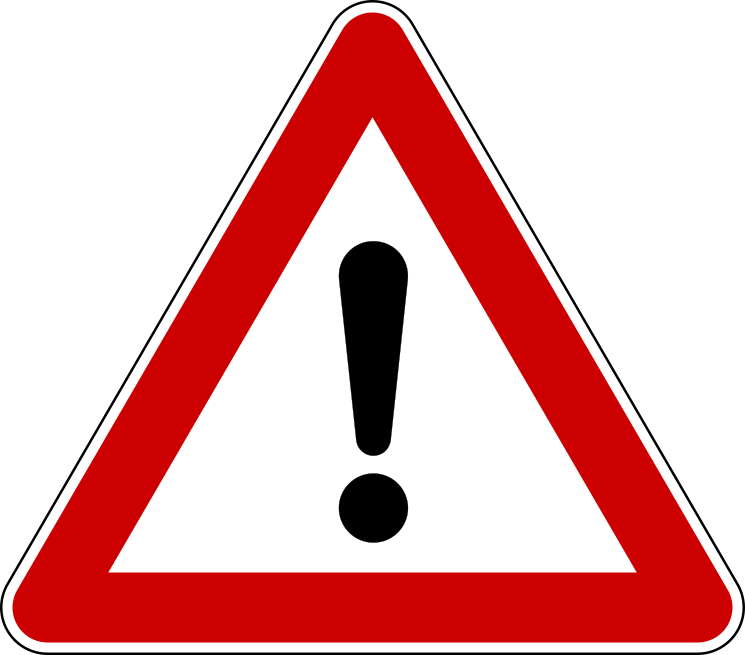
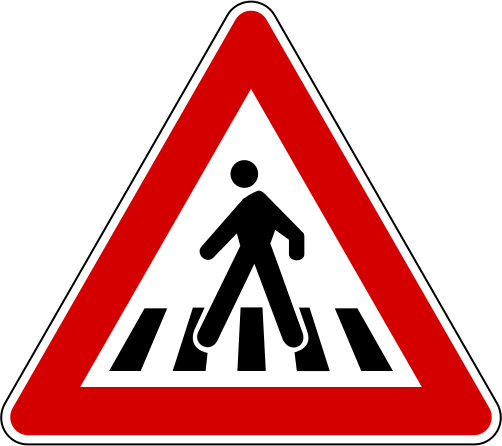
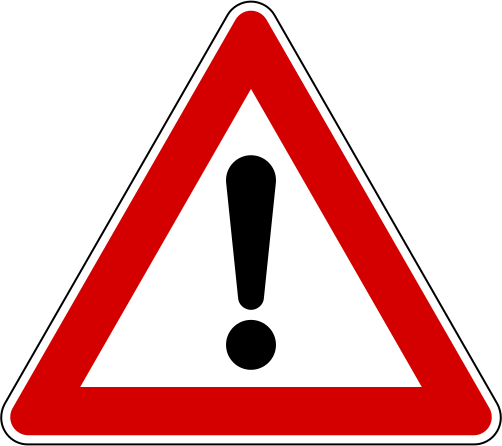
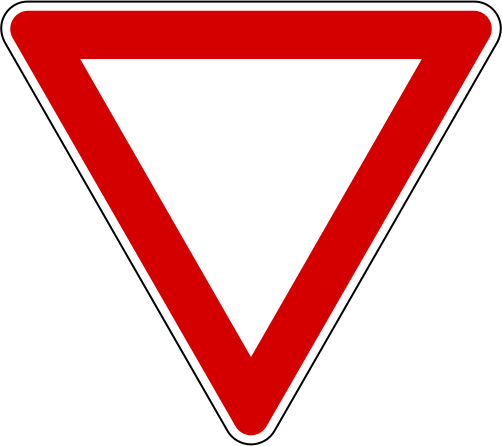
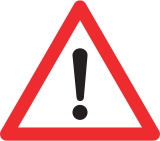
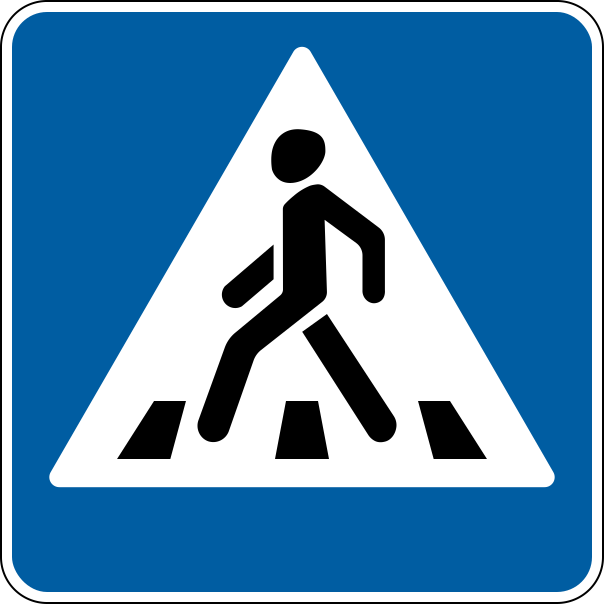
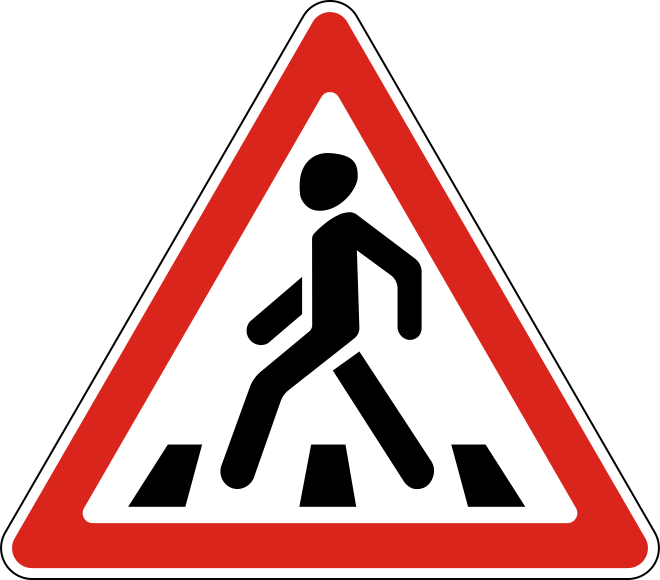
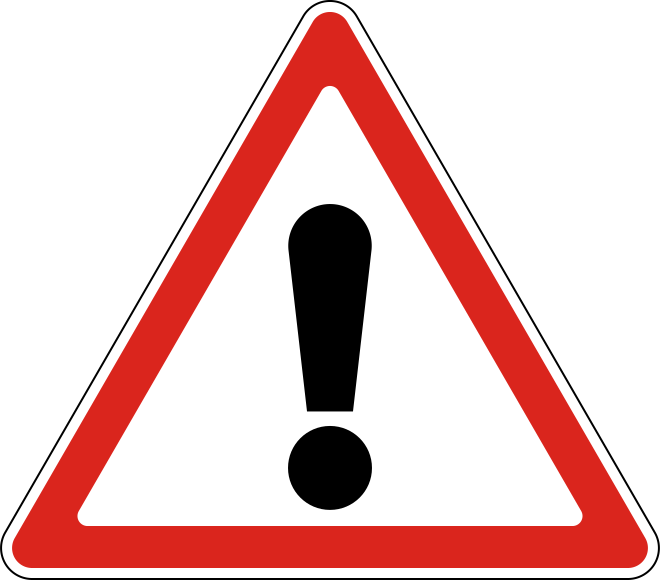
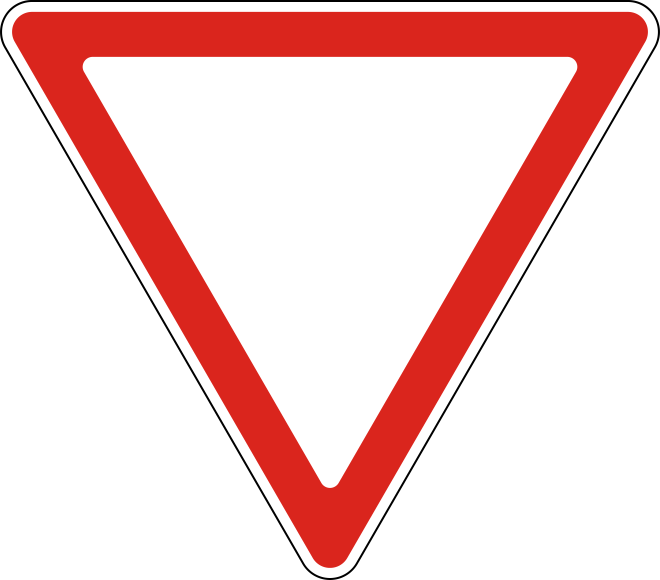
Road signs look a little different in every country, in the border, the colours or the pedestrian figure. You get four signs per question and look for the country.
At a glance
- Germany
- Poland
- Sweden
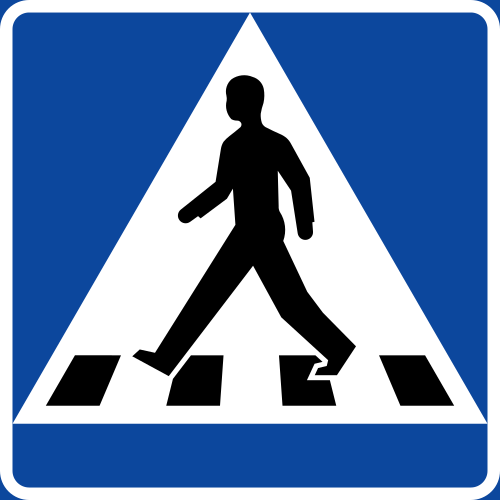
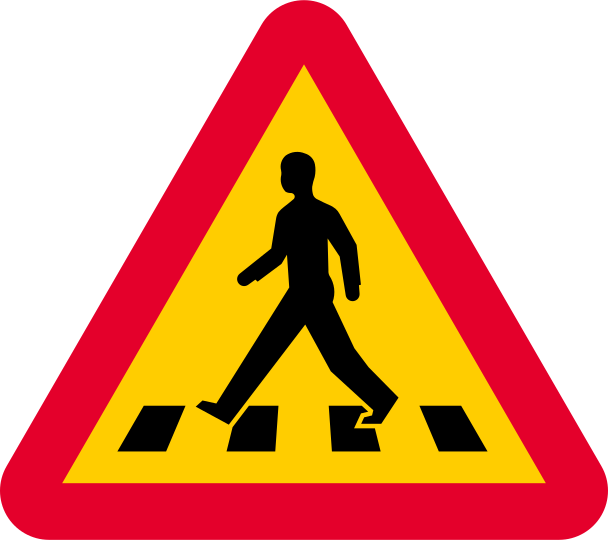
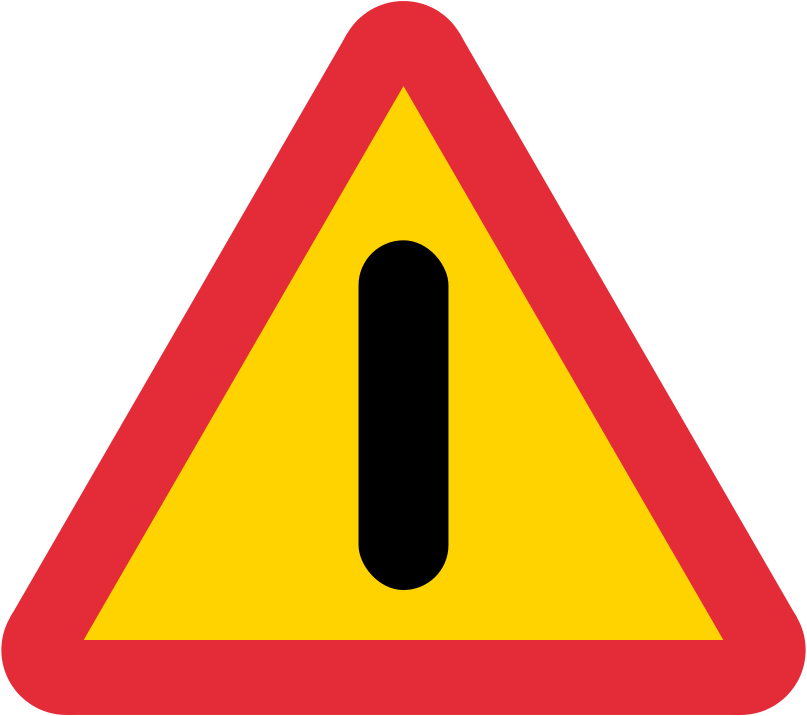
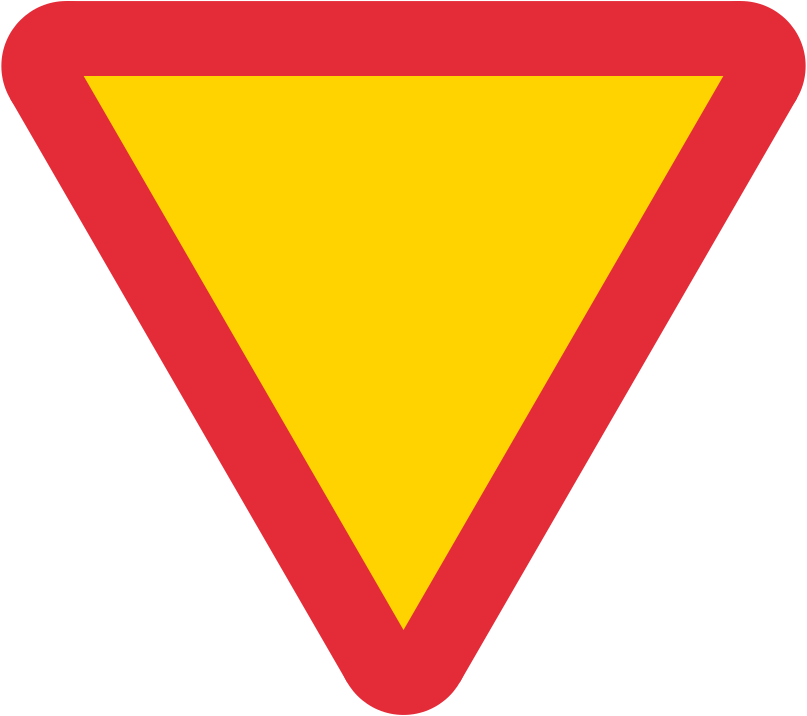
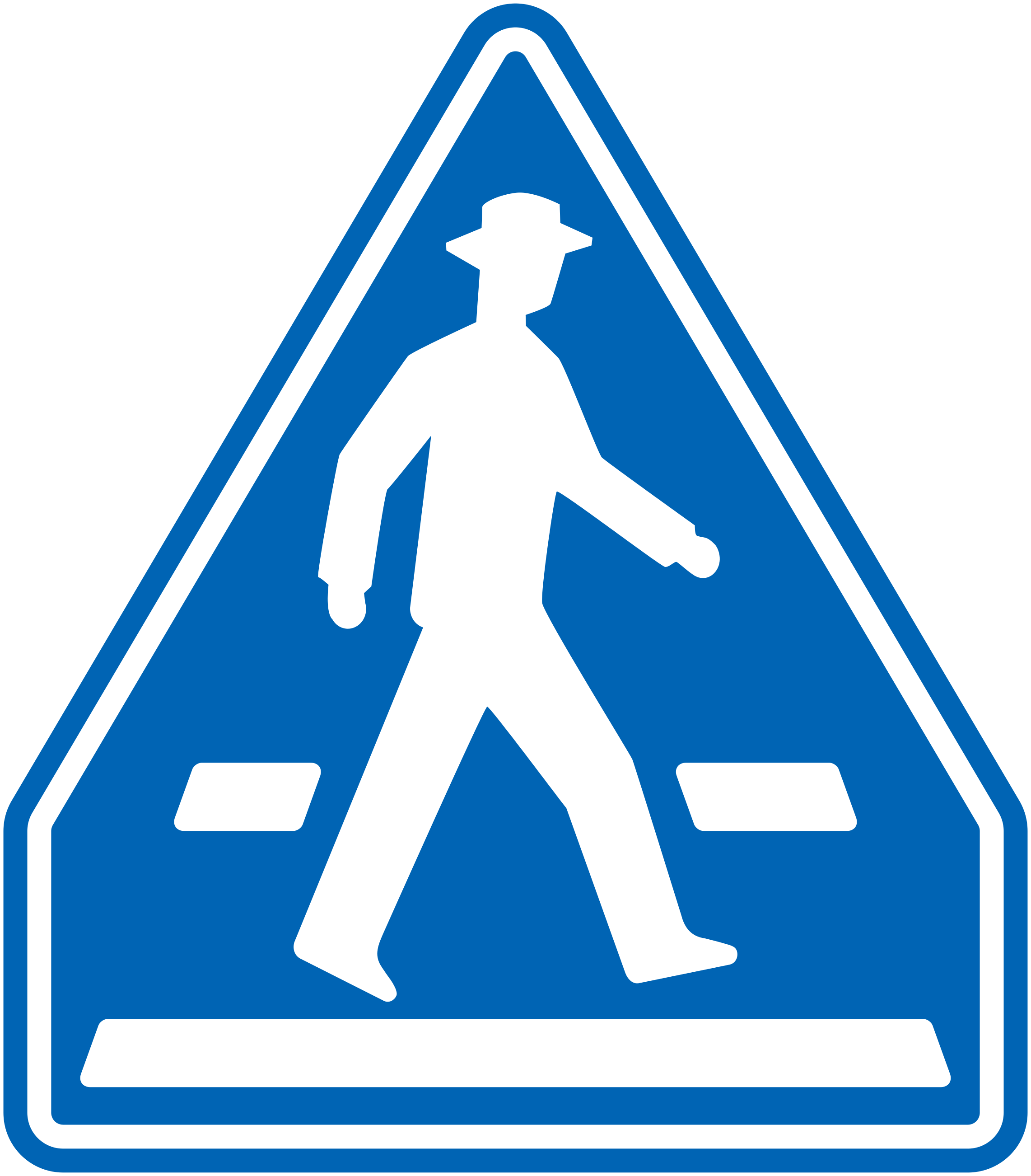
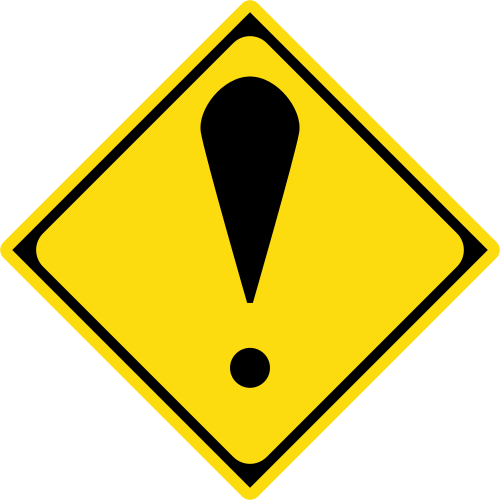
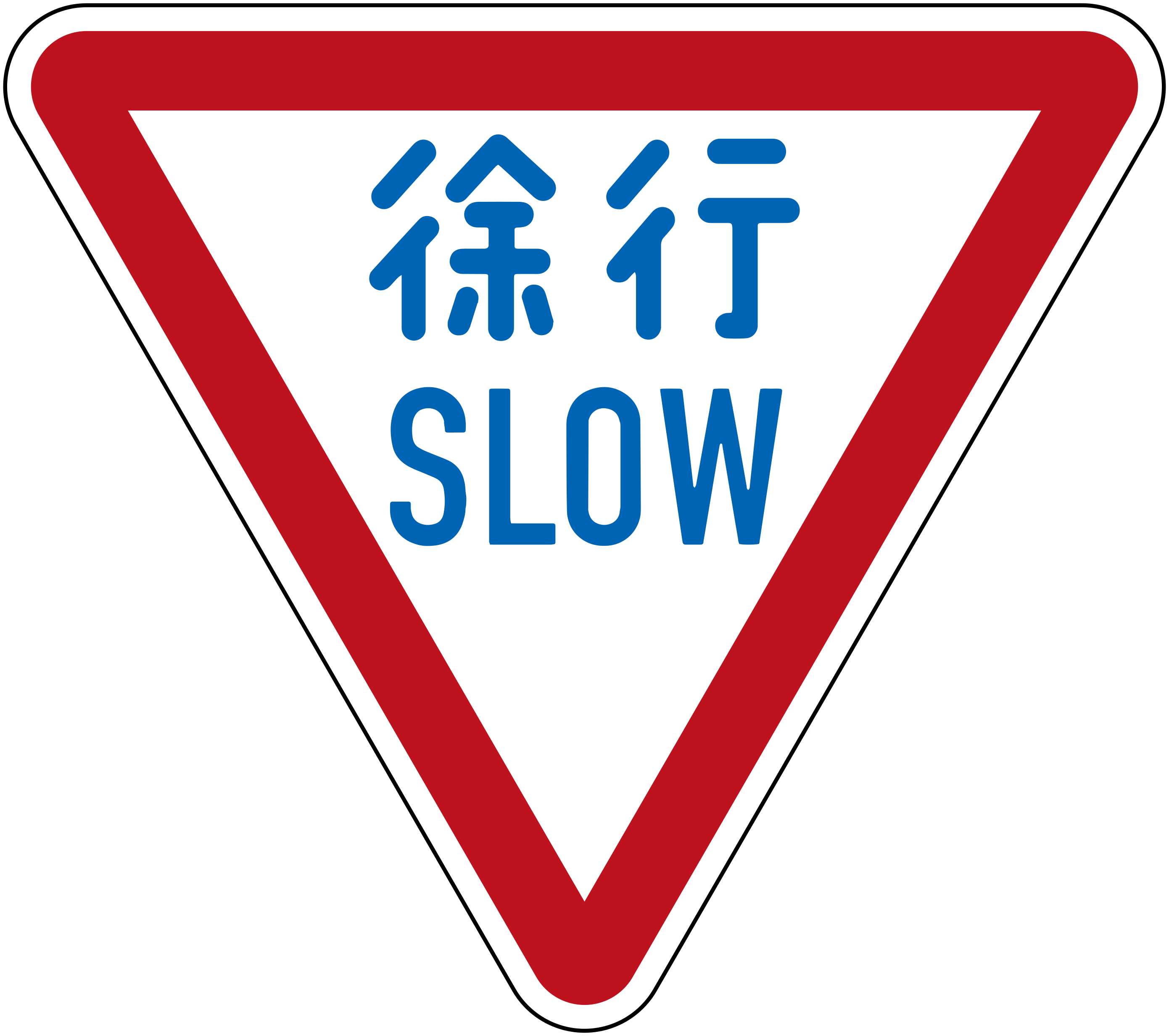
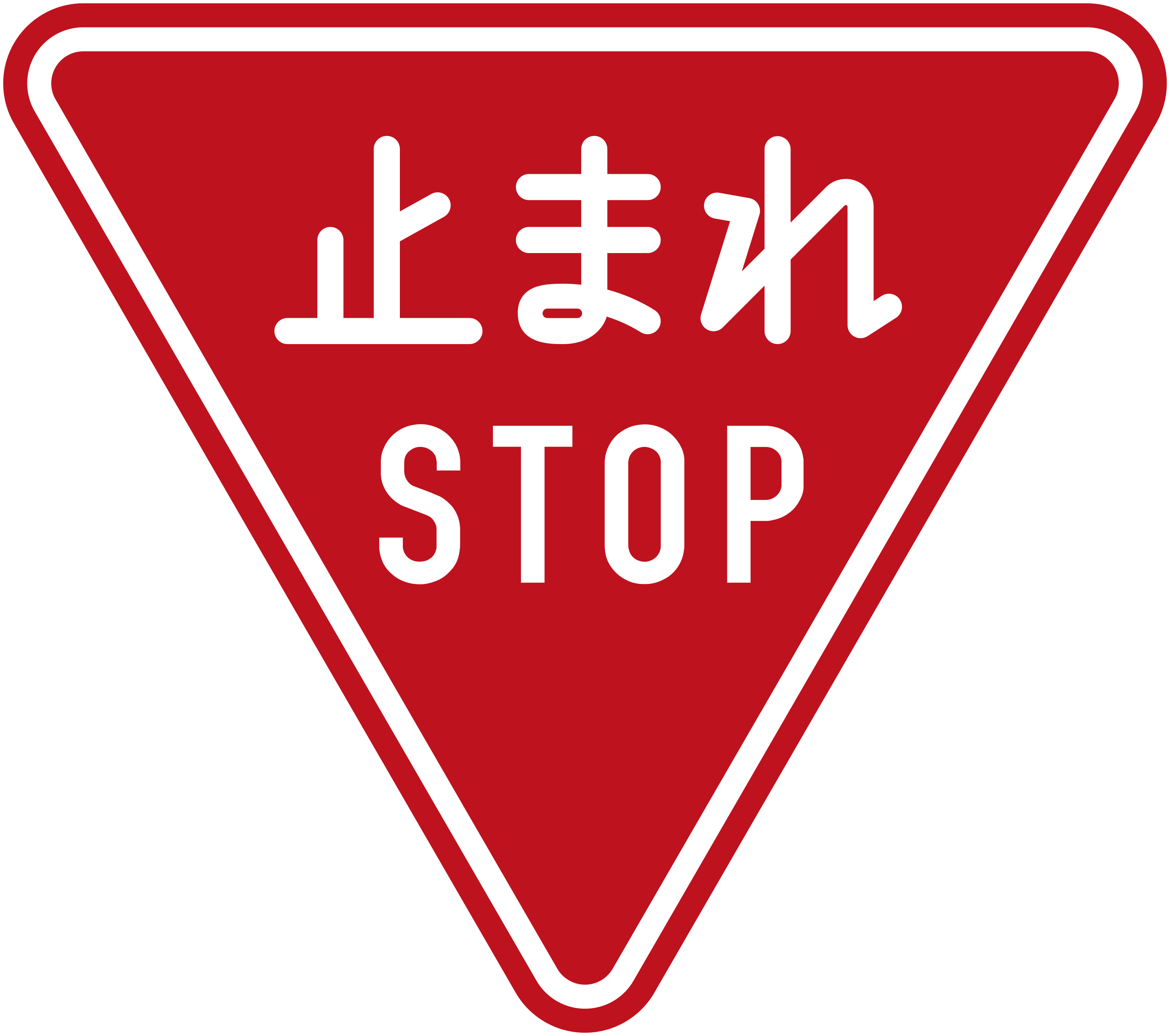
- Japan


Why it matters
Road signs are in every round. Border, colour and design, like the pedestrian figure, differ from country to country. Often a single sign is enough.
Good to know
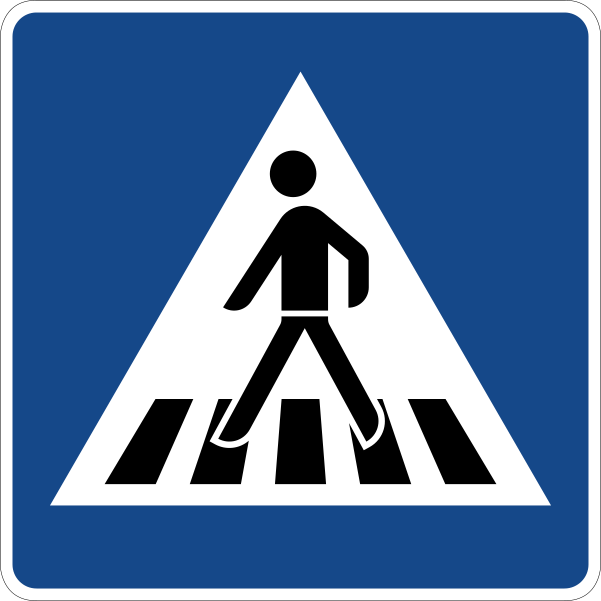
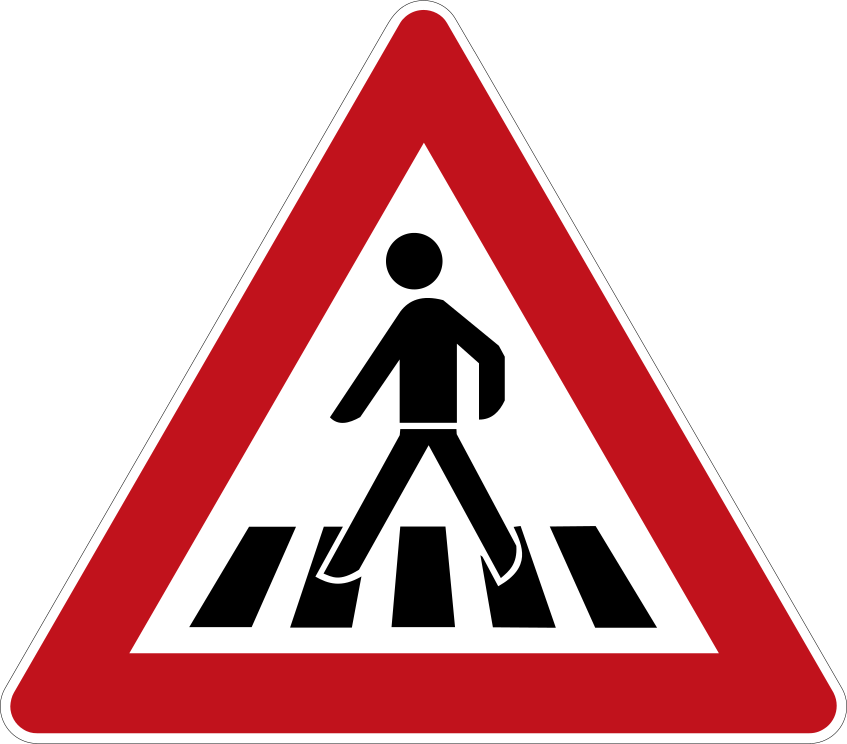
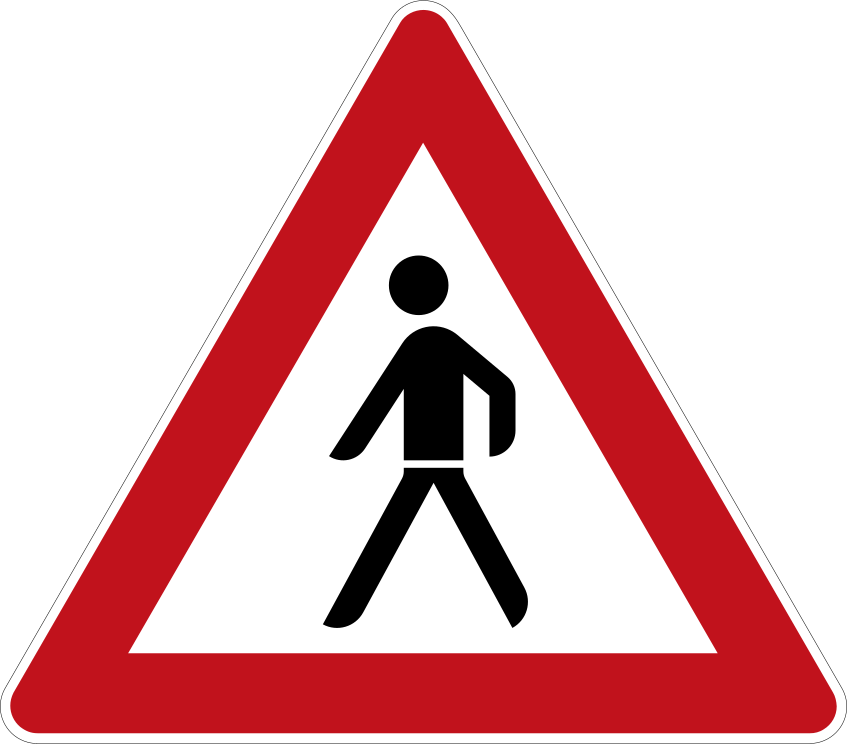
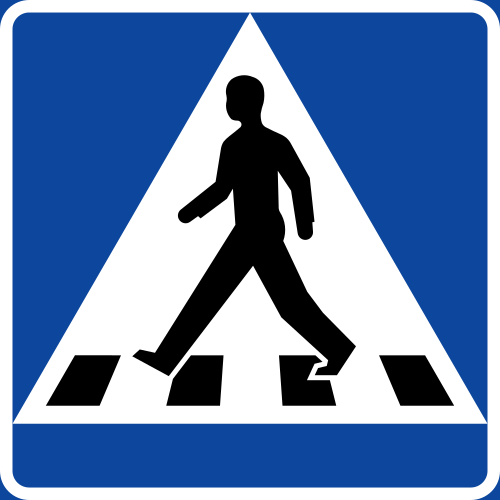
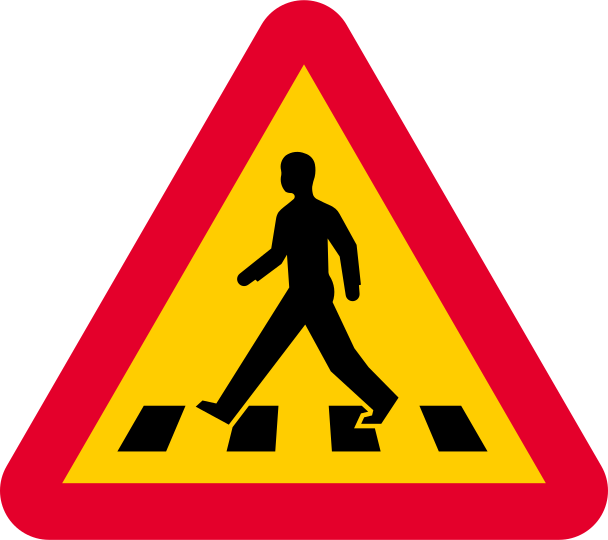
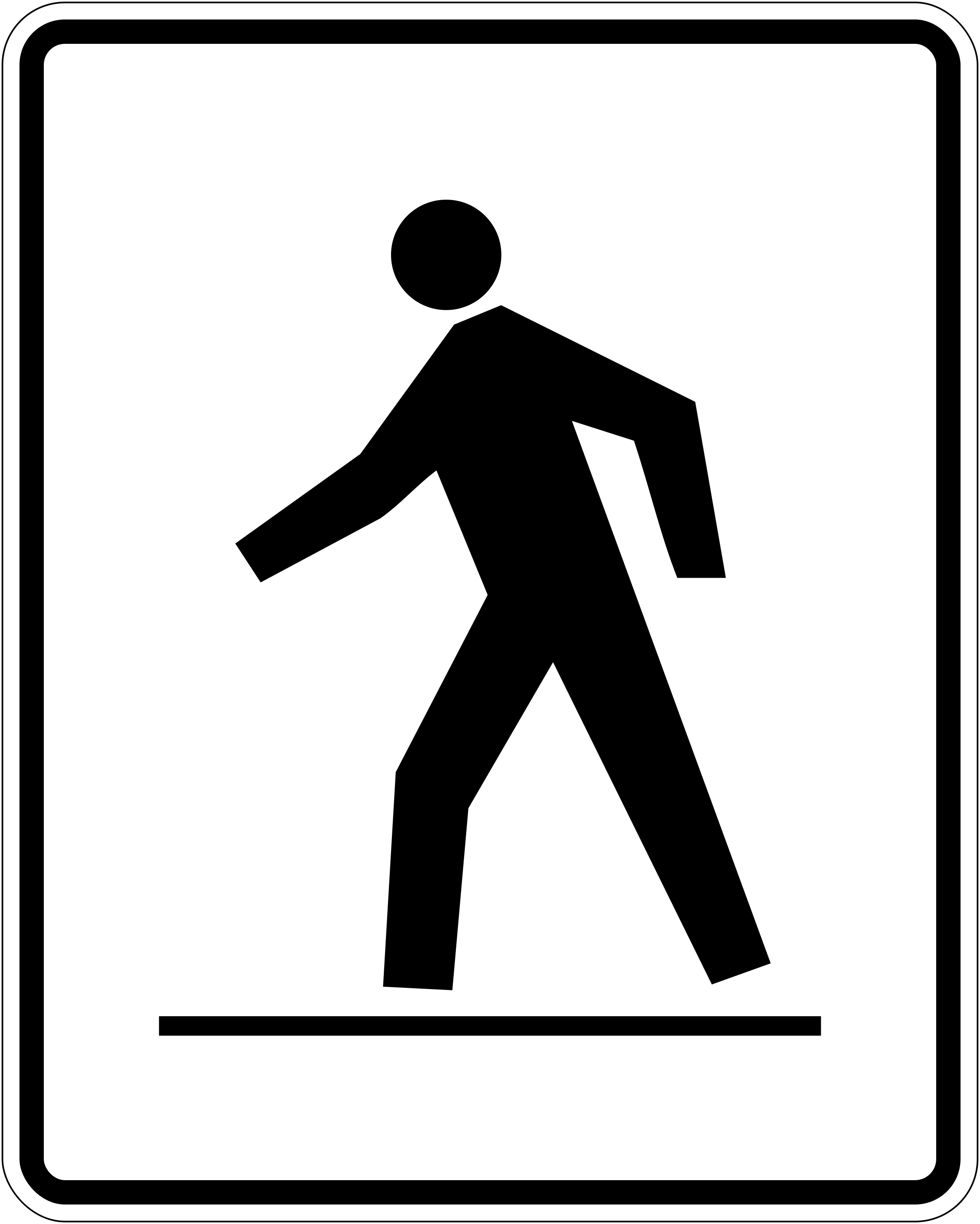
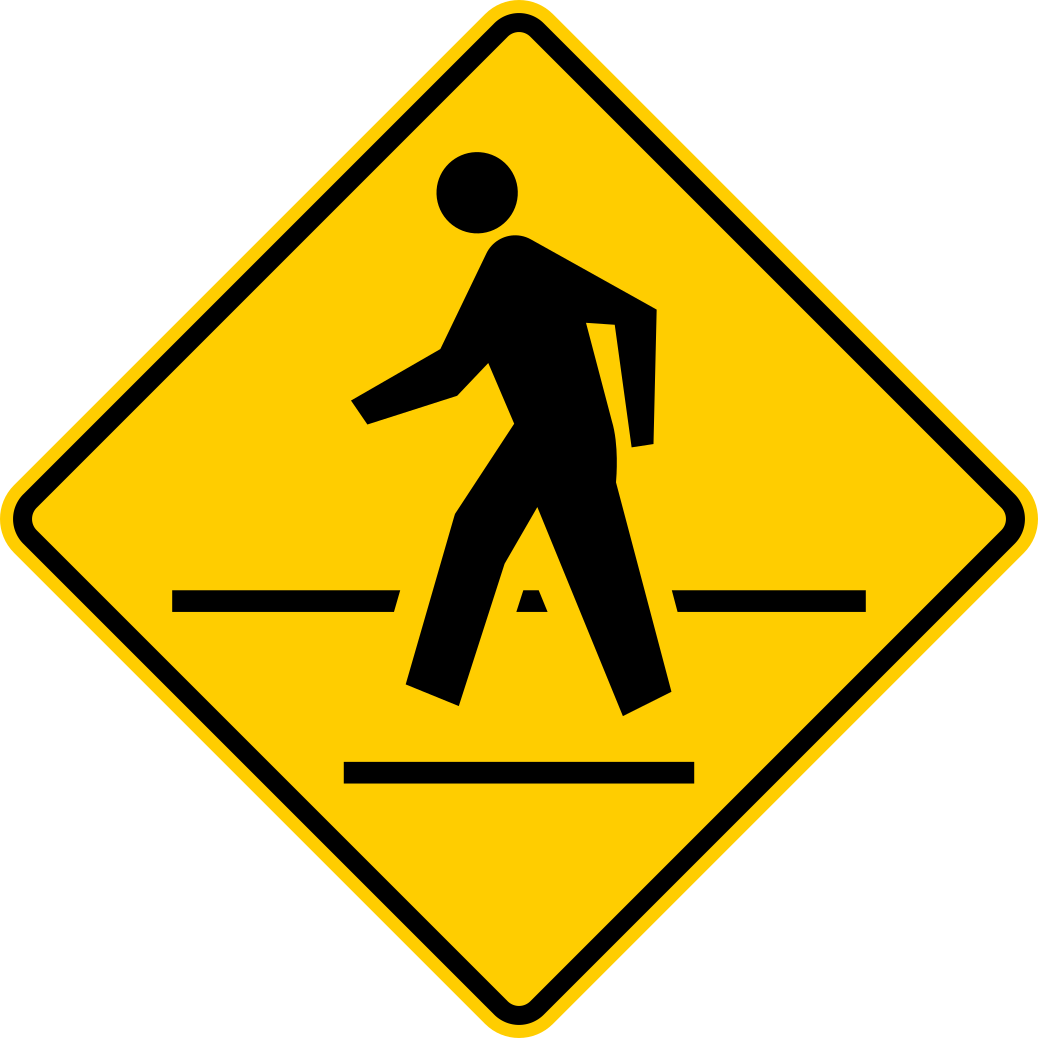
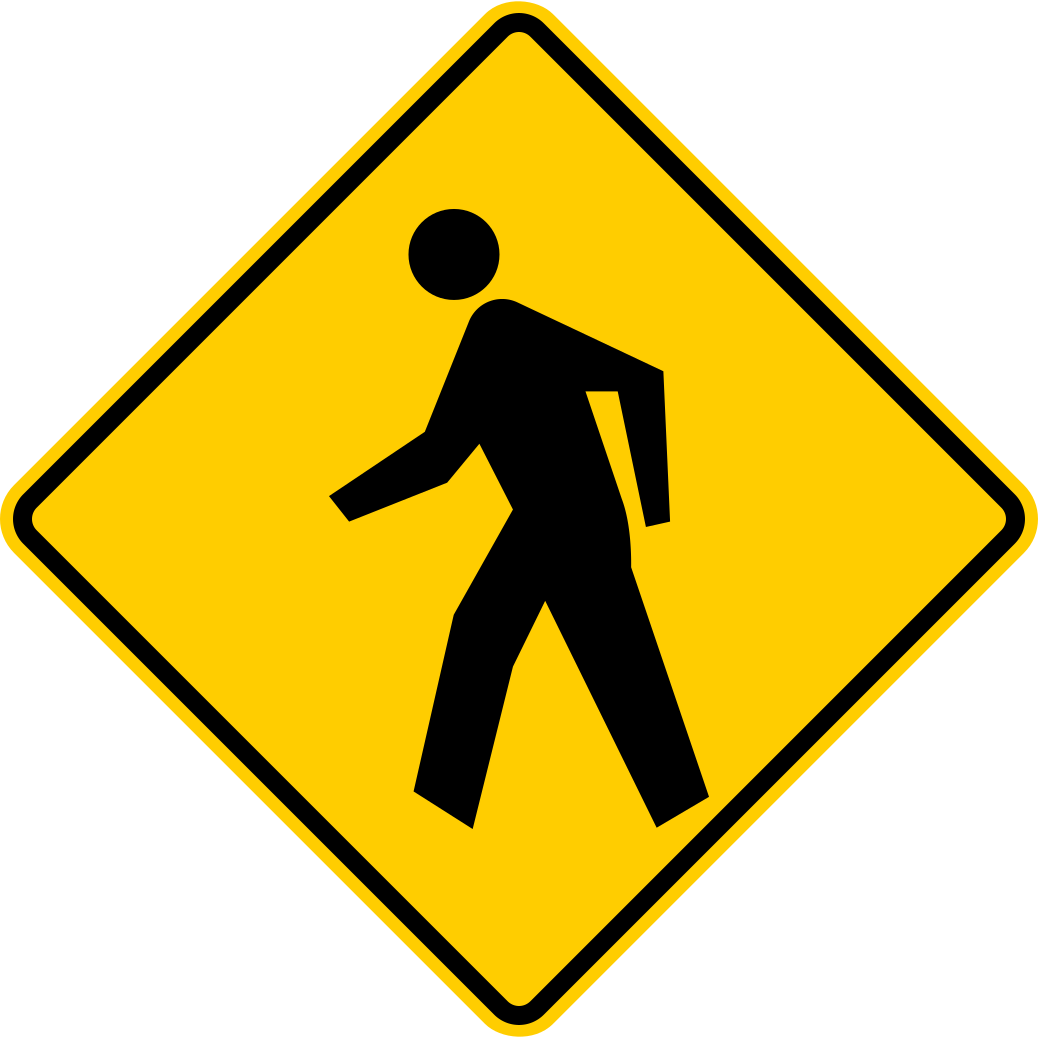
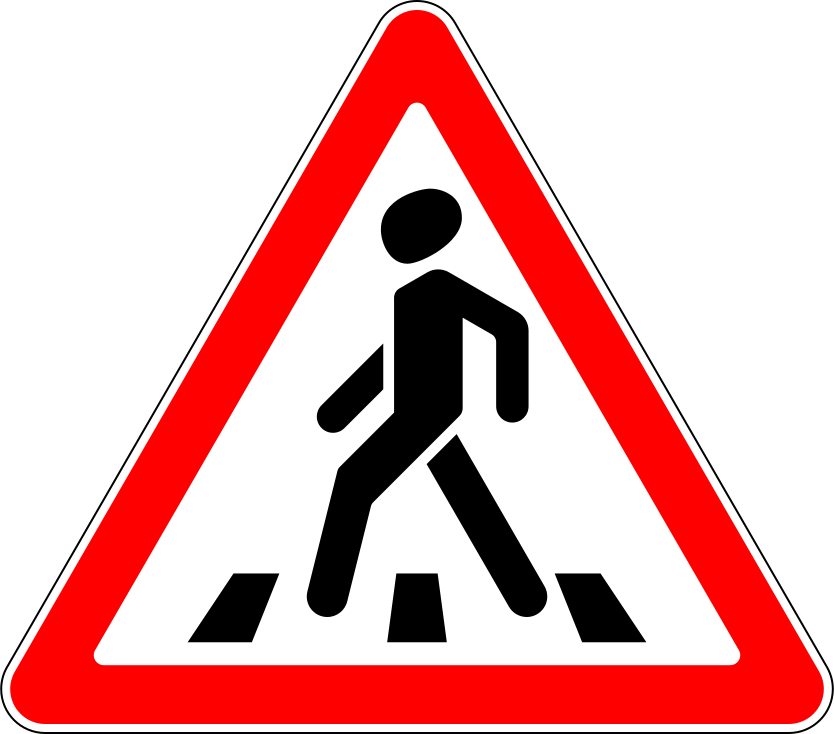
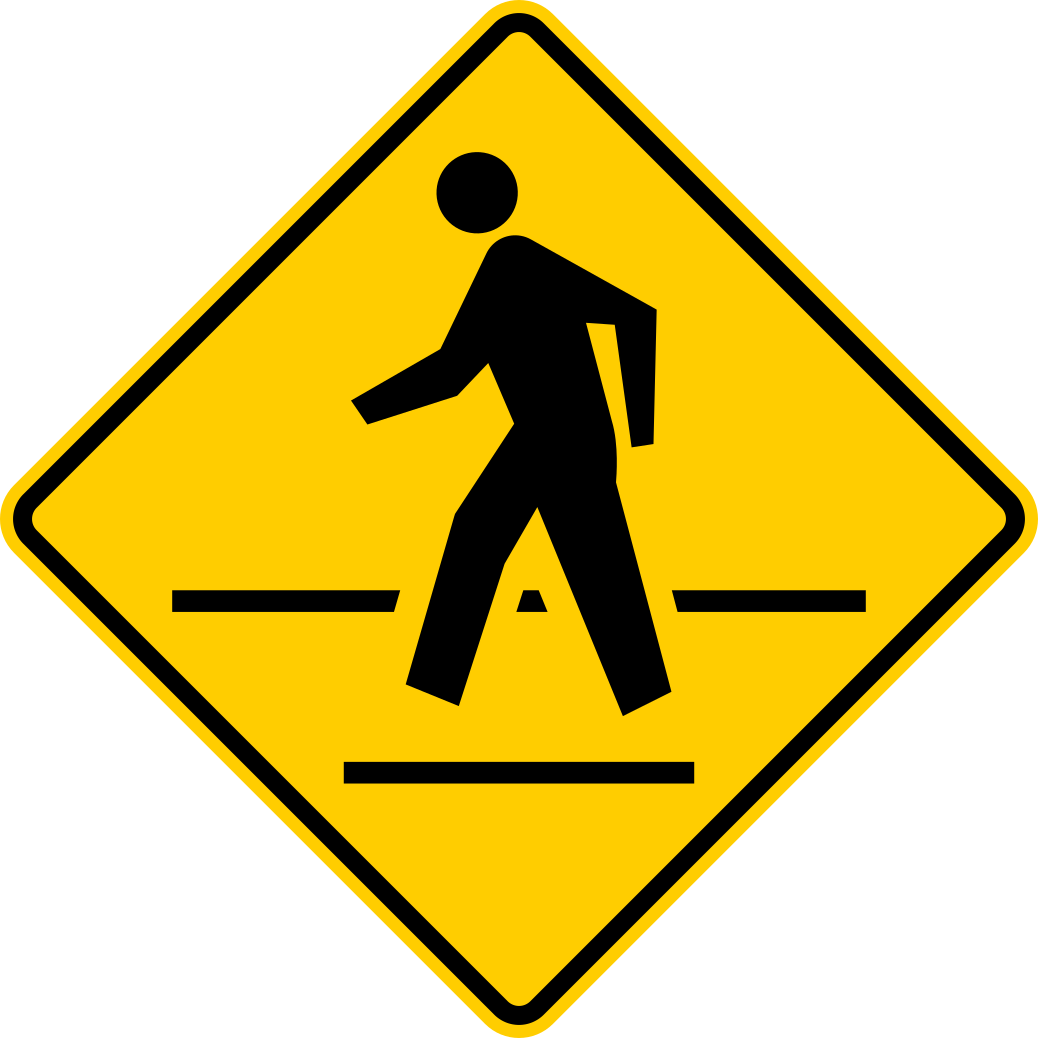
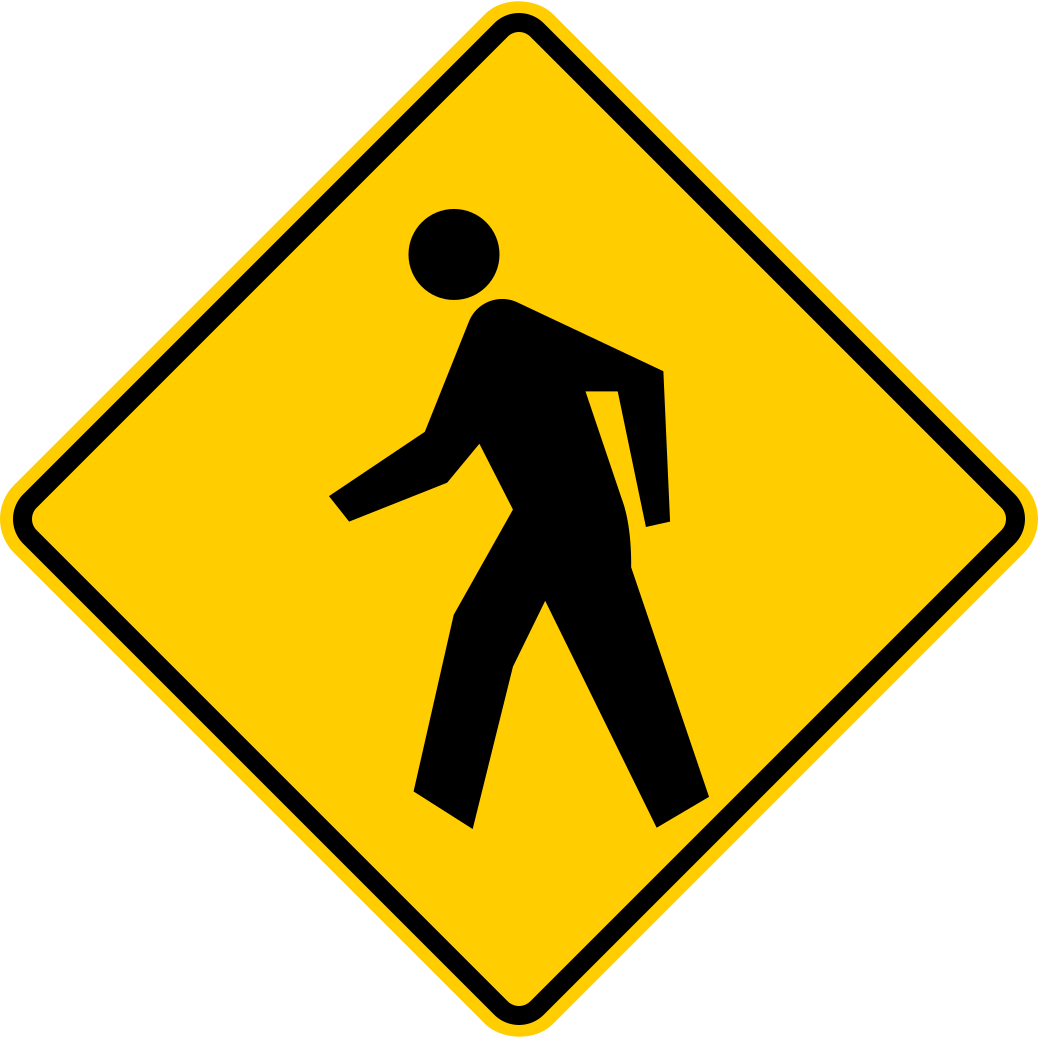
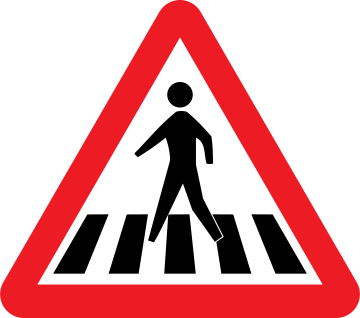
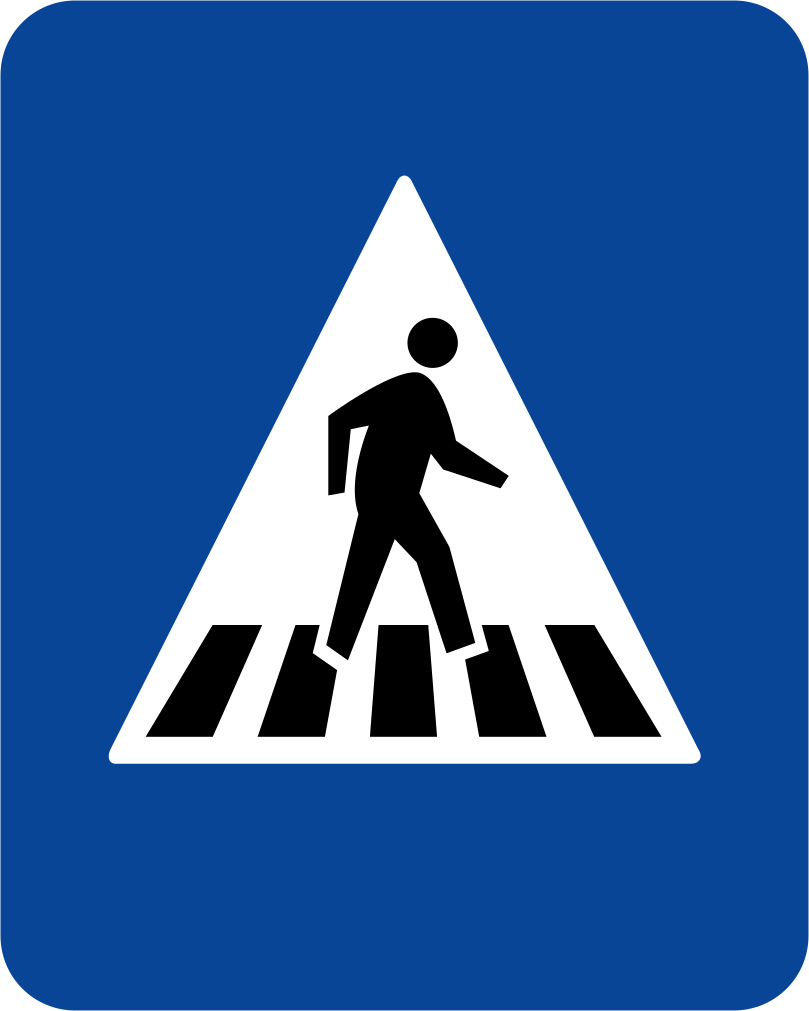
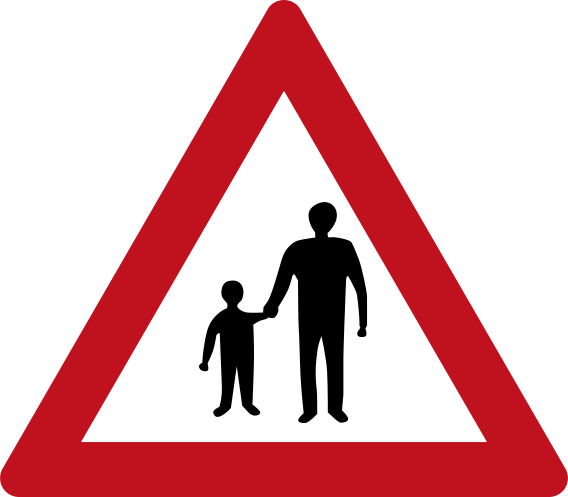
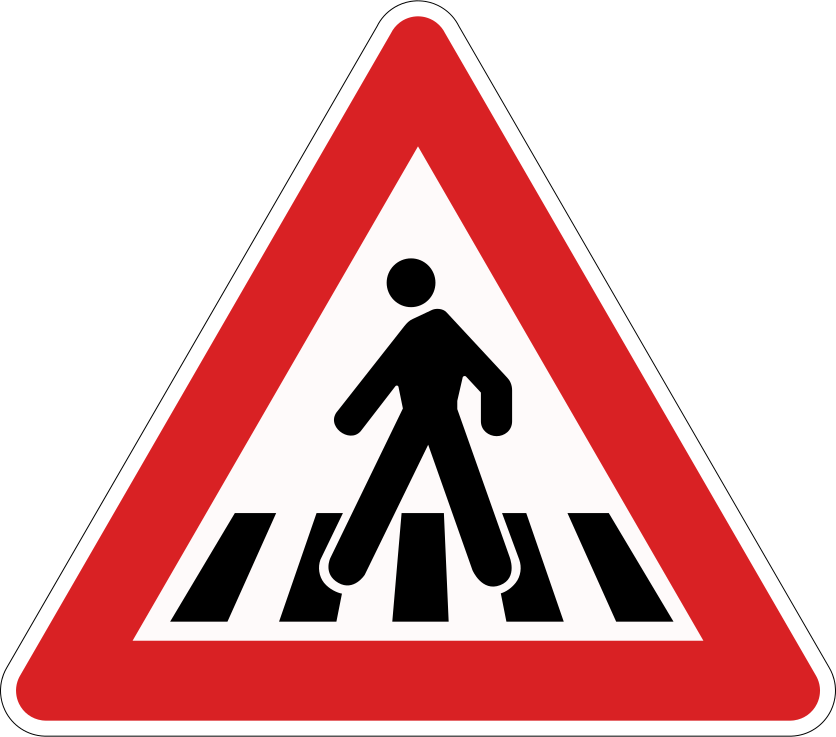
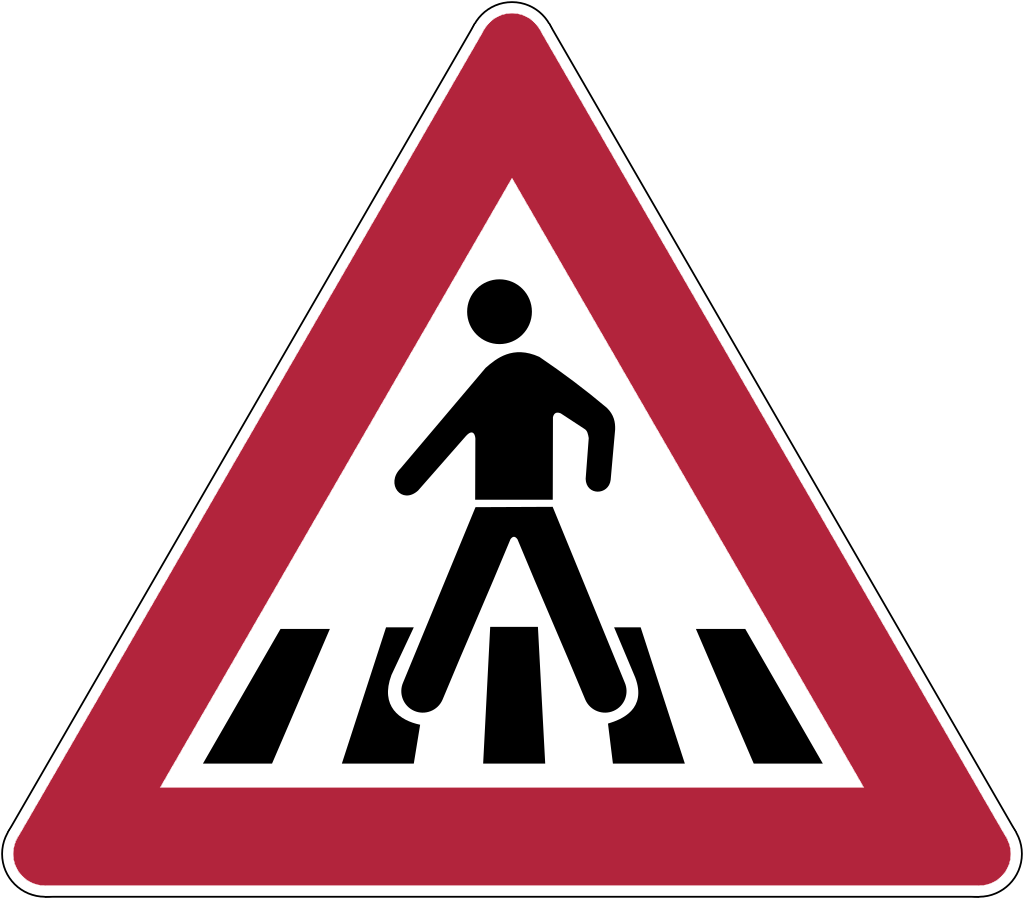
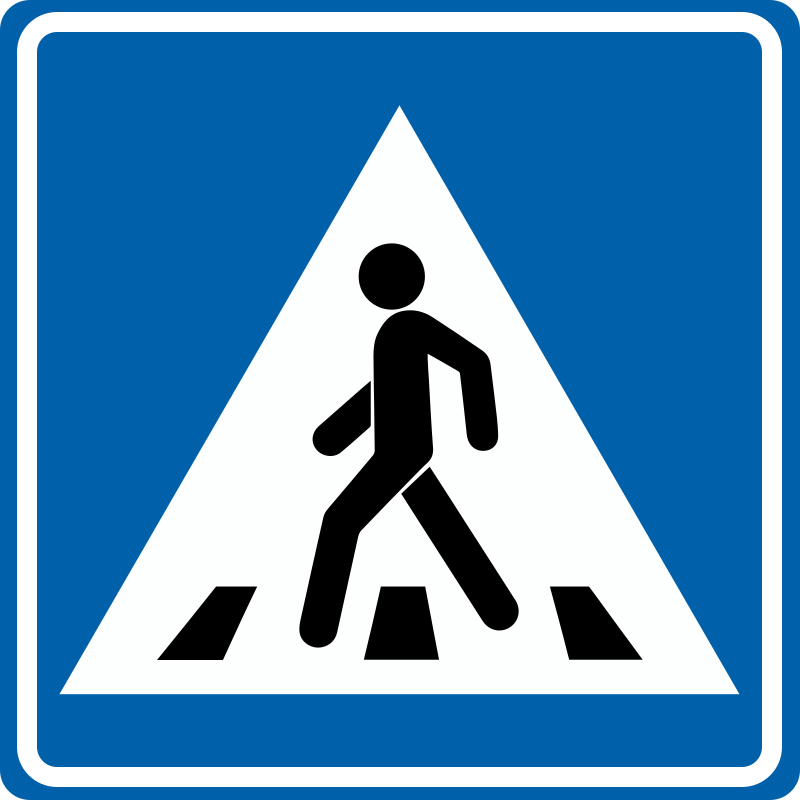
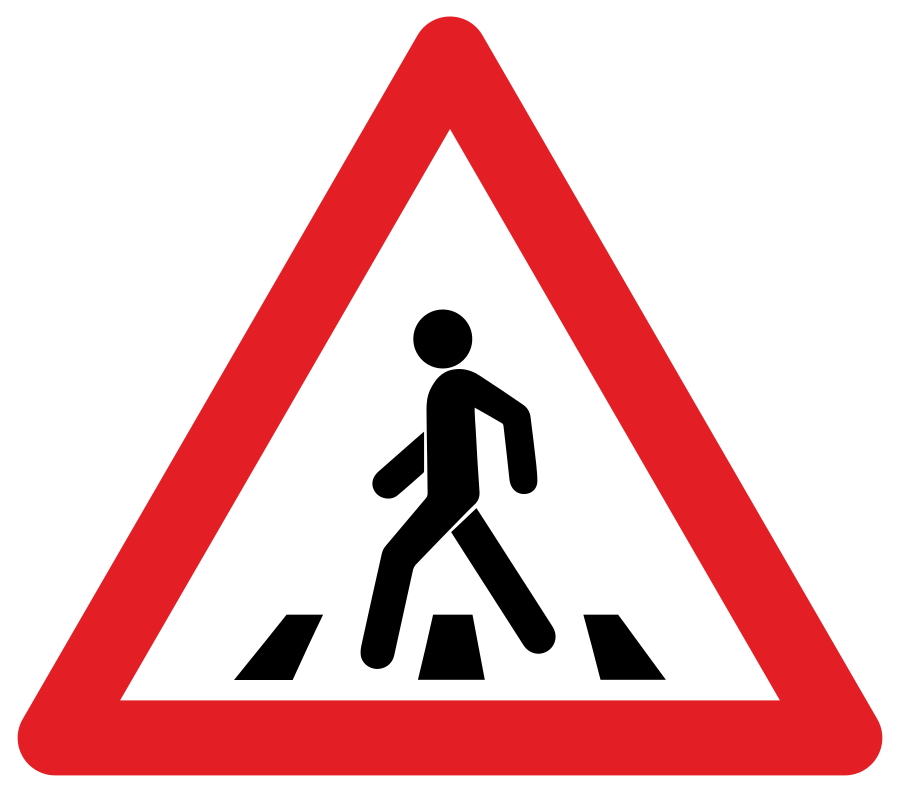
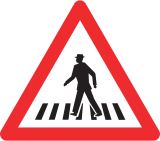
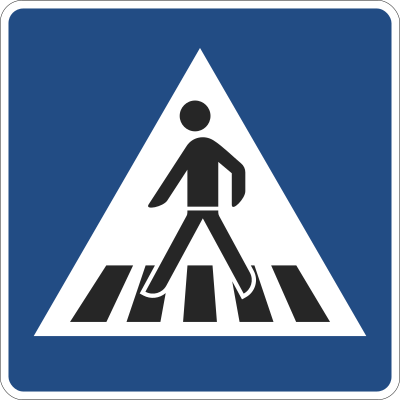
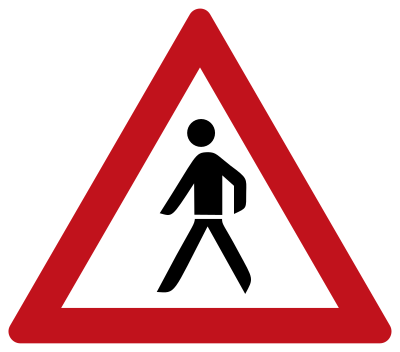
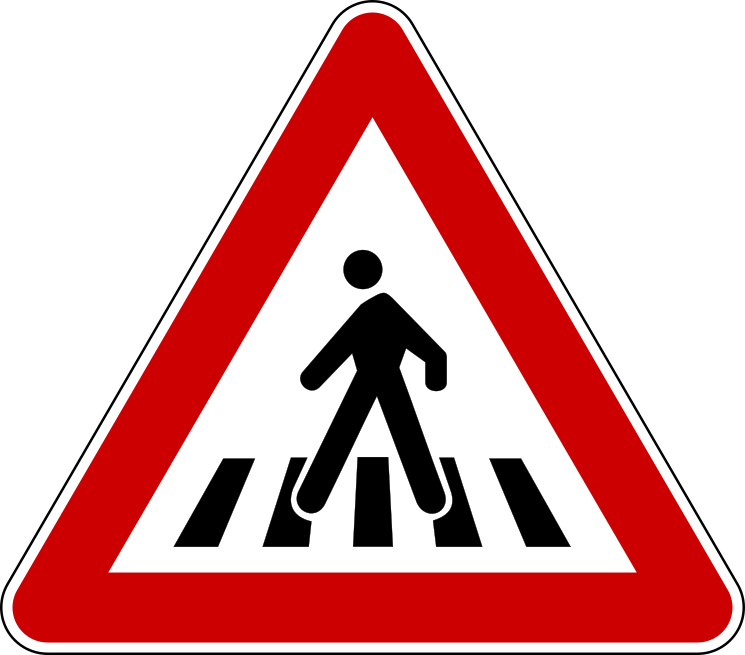
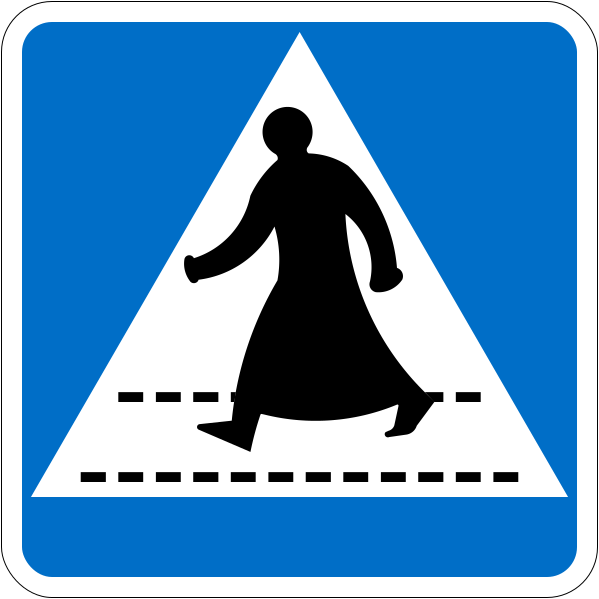
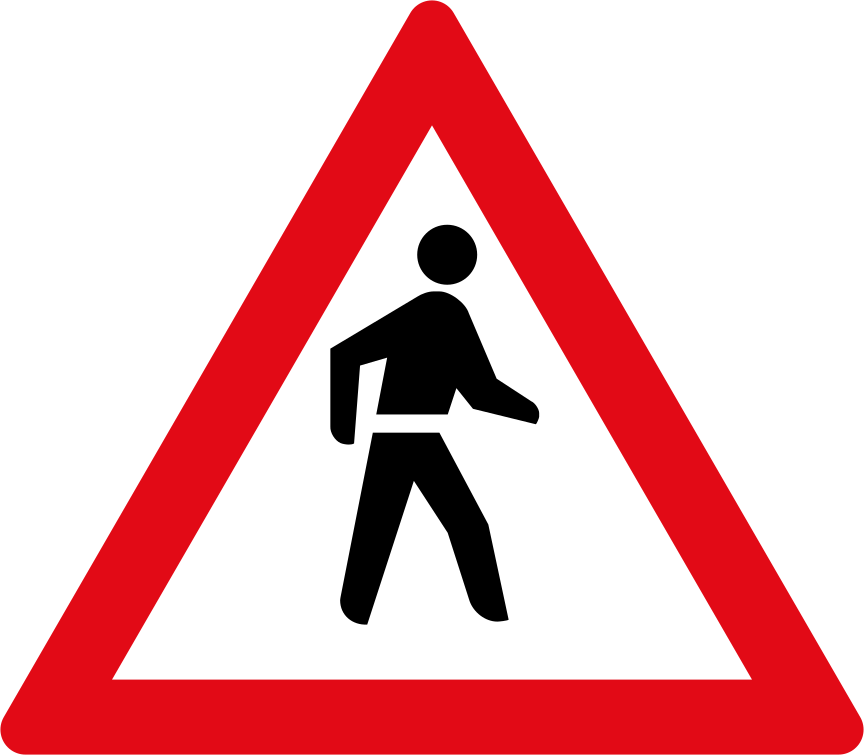
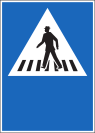
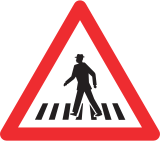
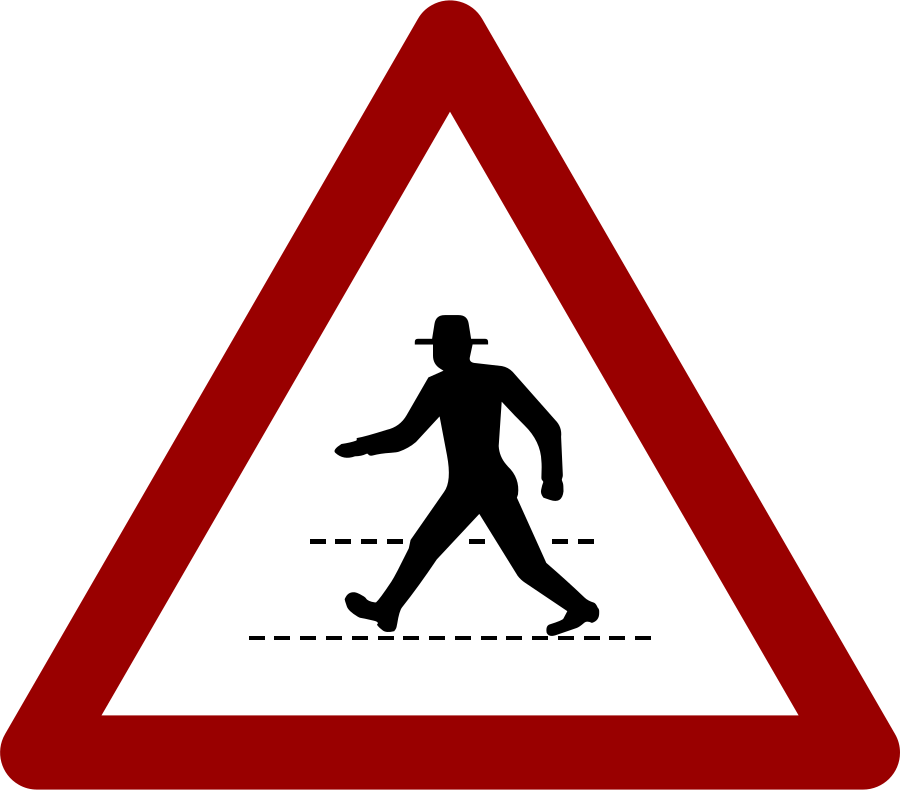
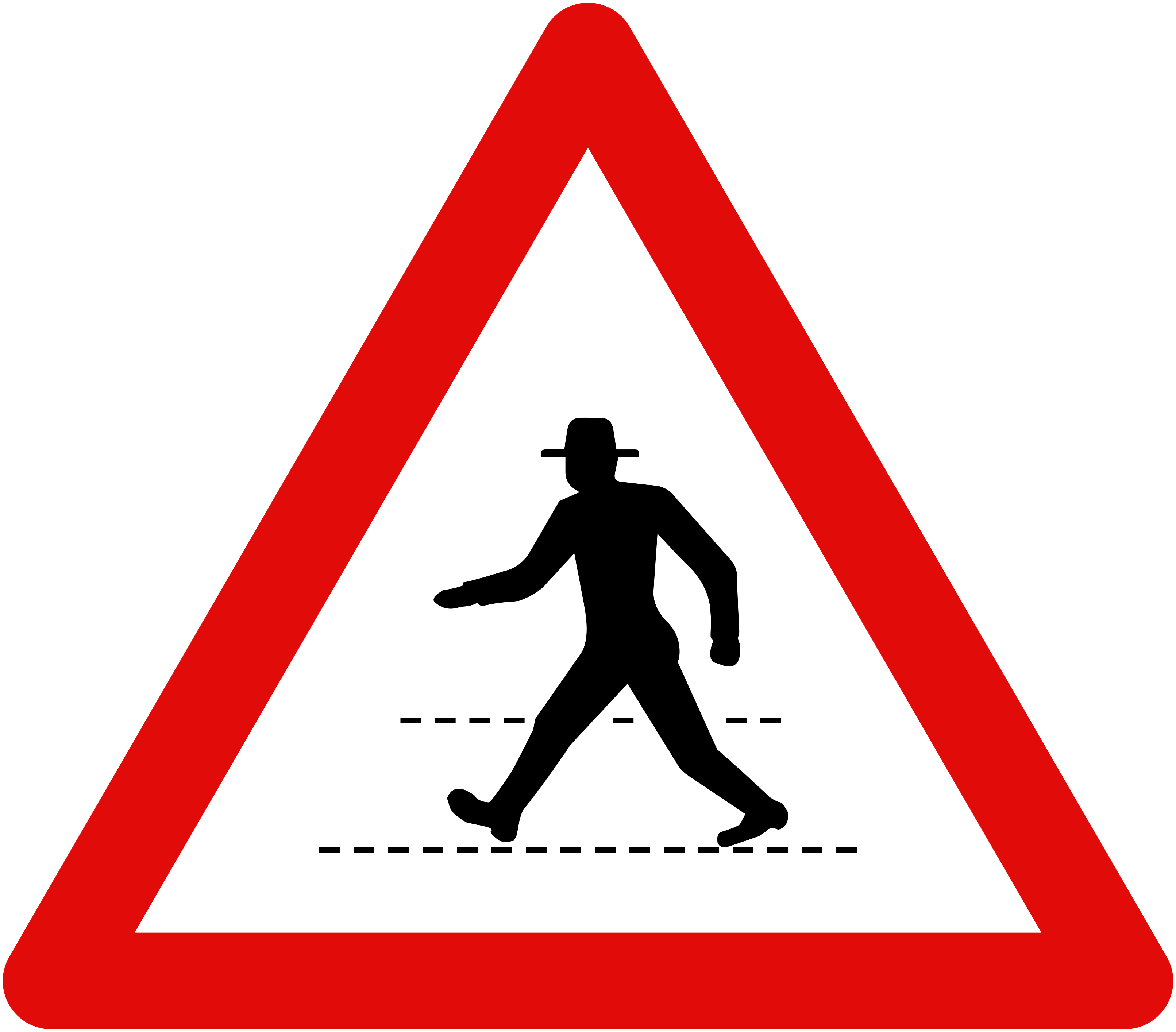
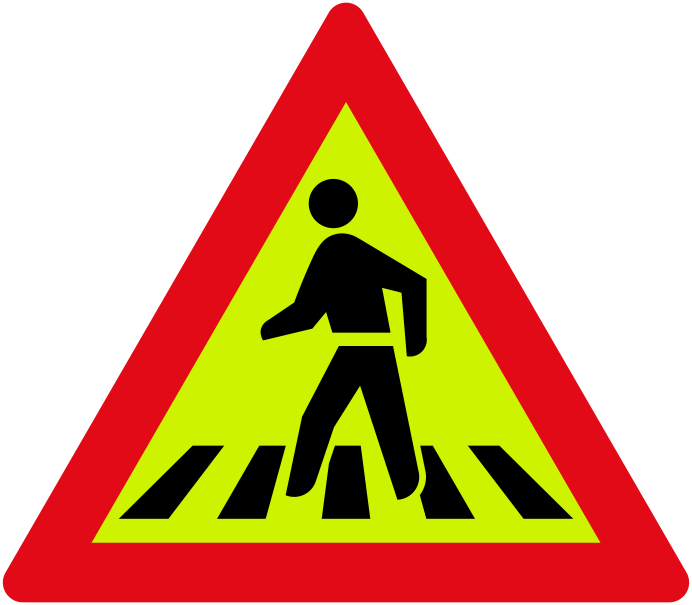
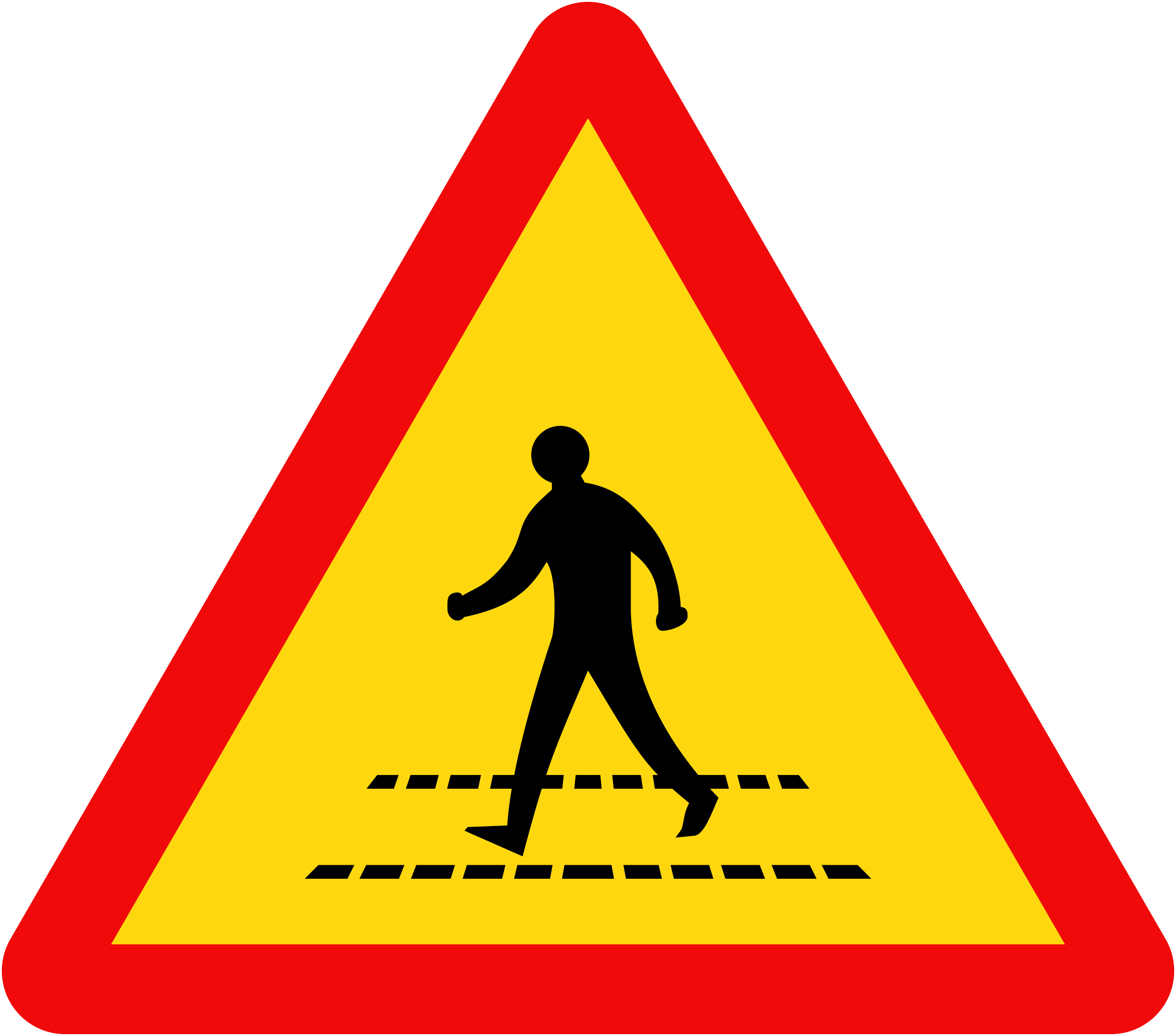
- Start with the pedestrian figure: a hat (Austria, Japan, Bulgaria), a belt (Germany, Luxembourg), a detached head (France), a single line instead of zebra stripes (Poland), traditional dress (Qatar).
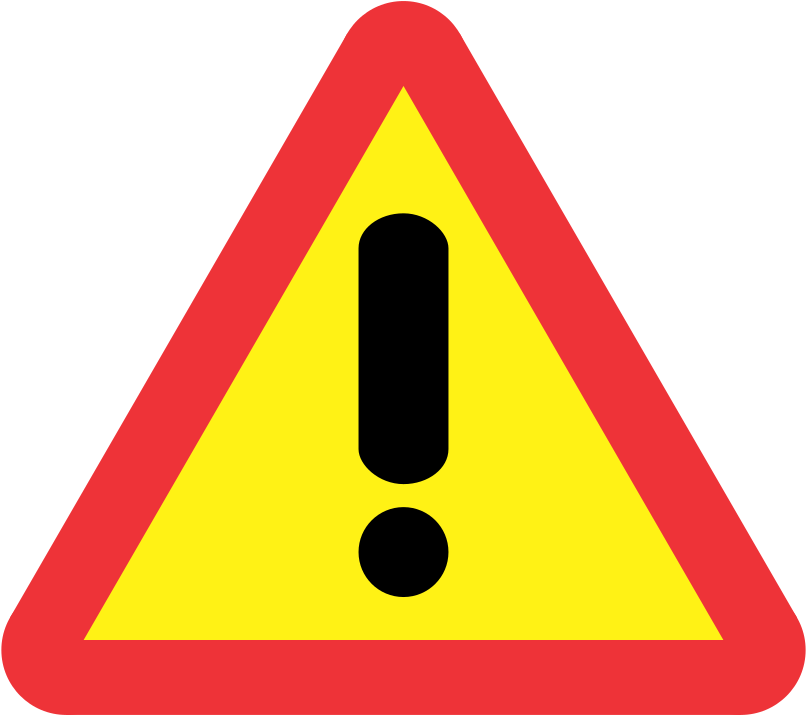
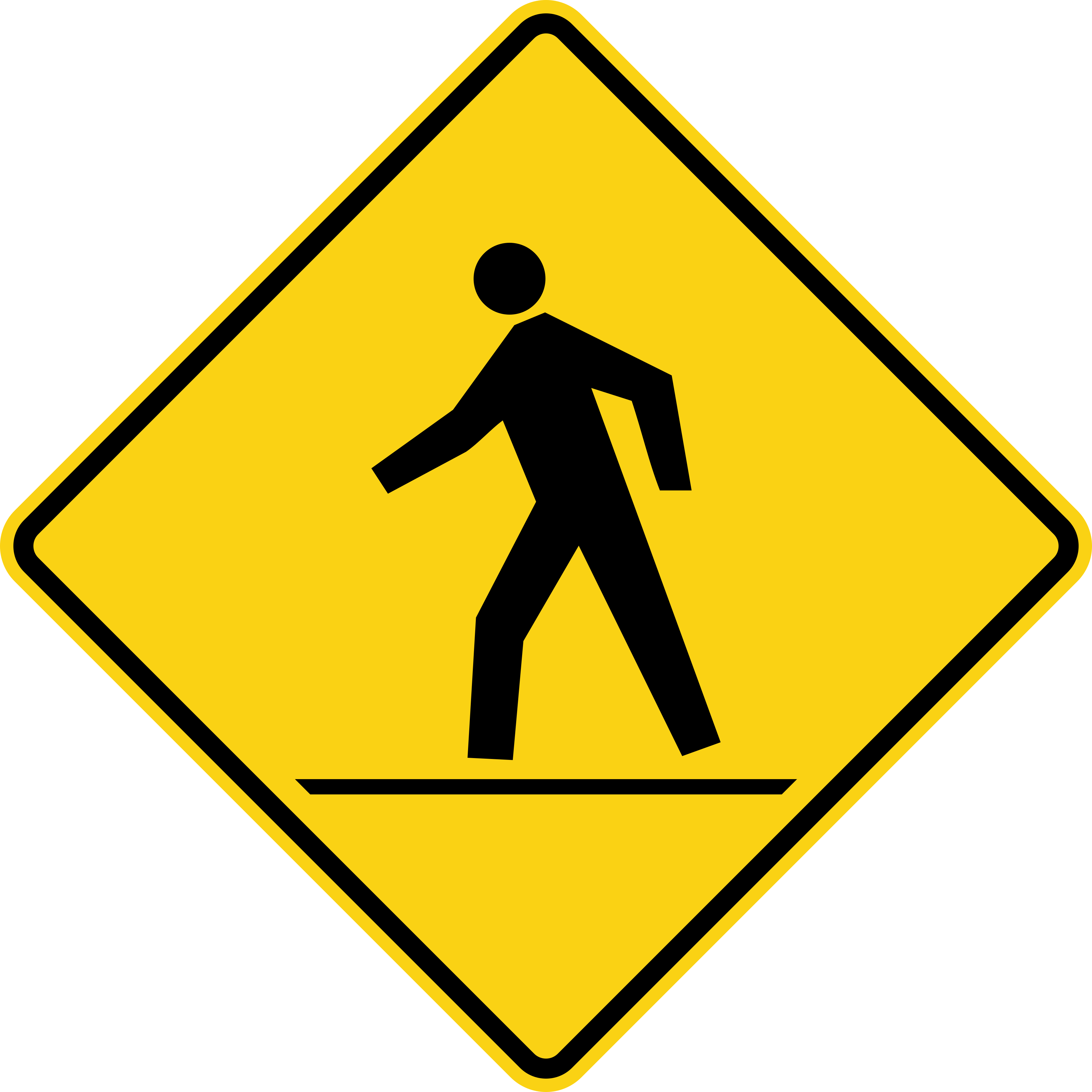
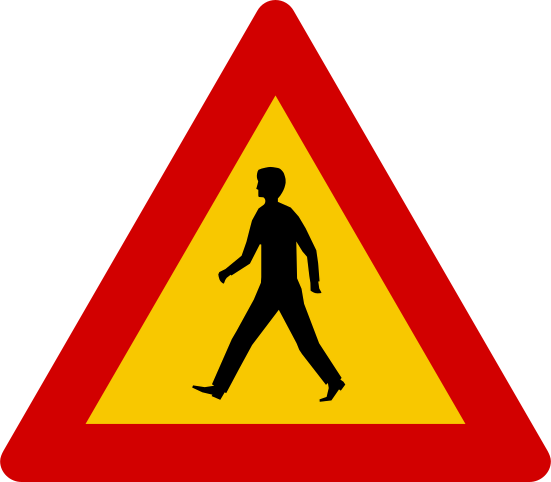
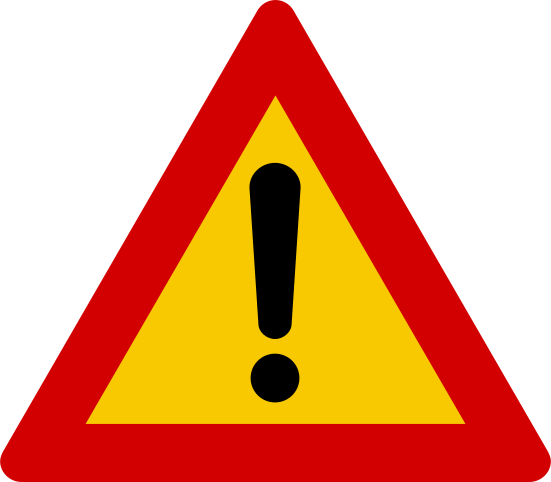
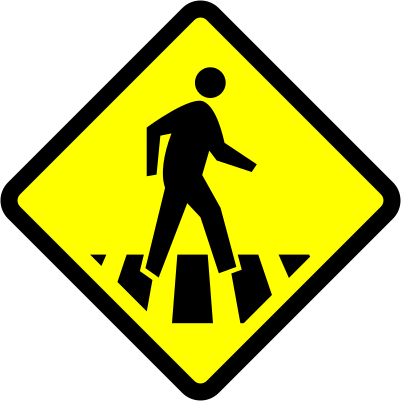
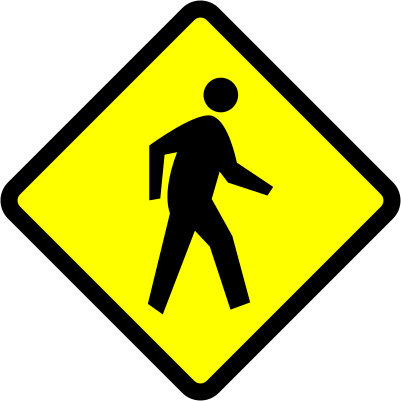
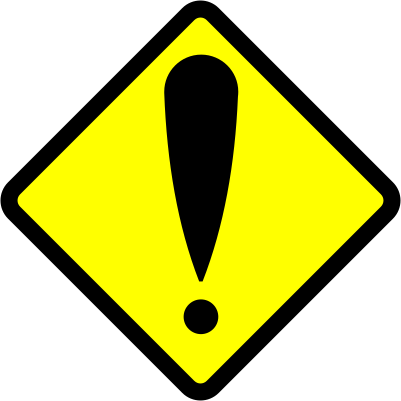
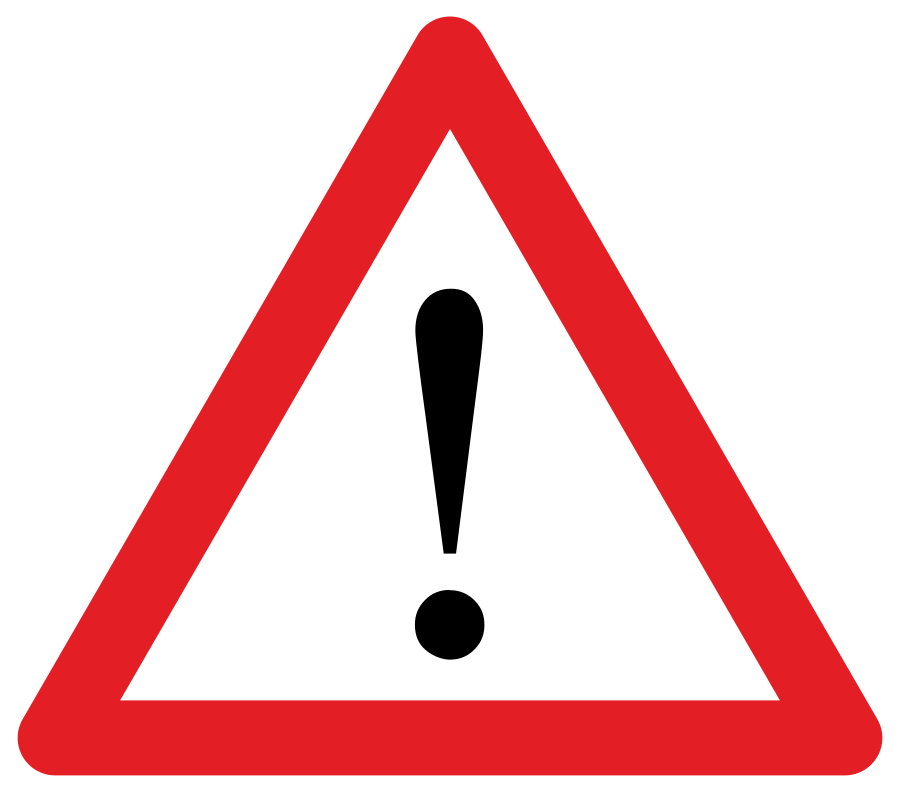
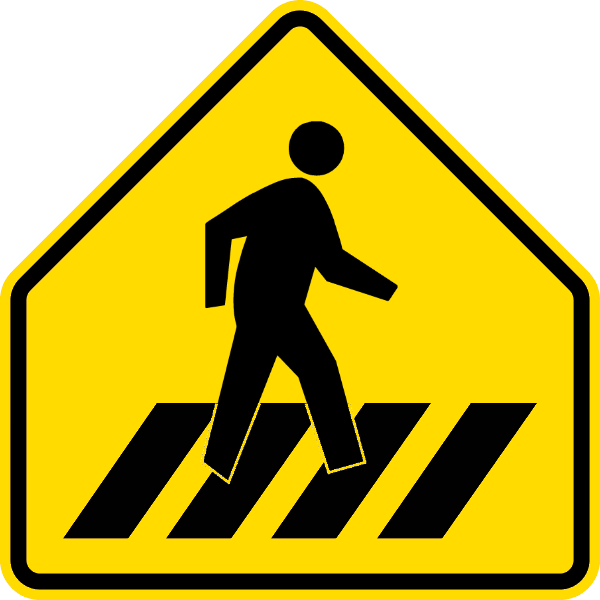
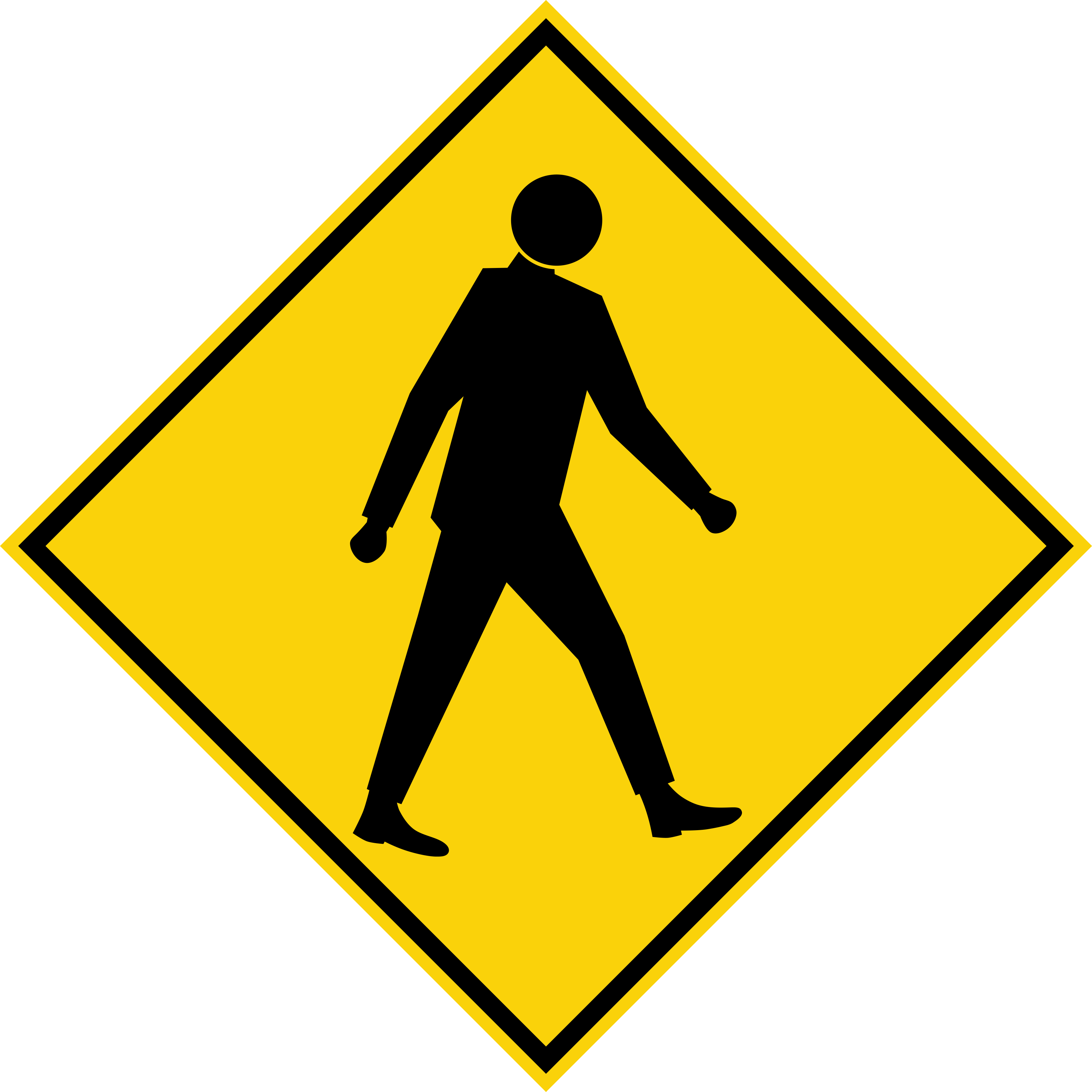
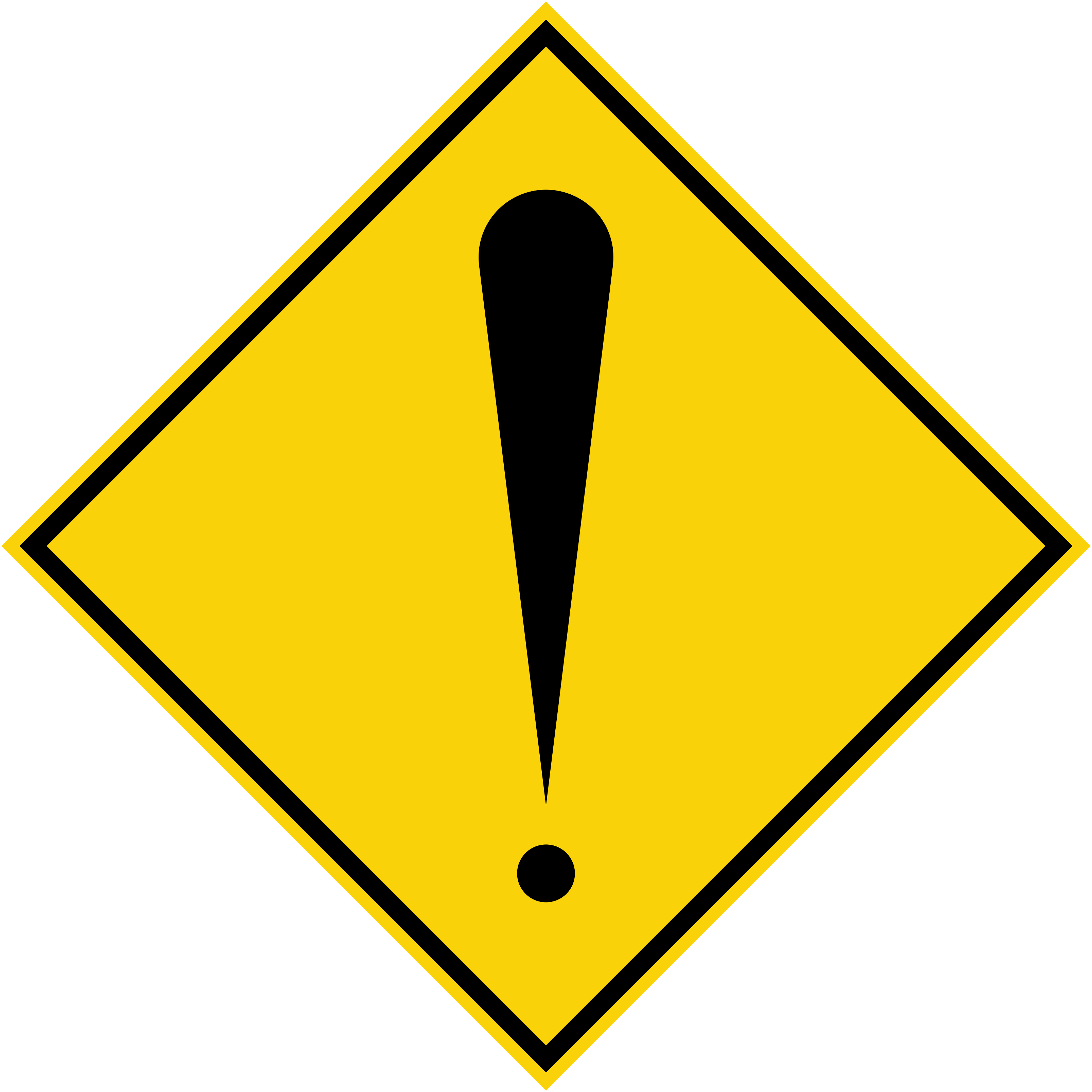
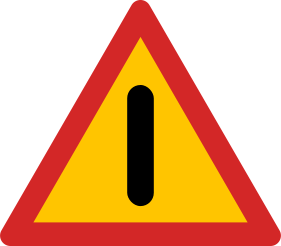
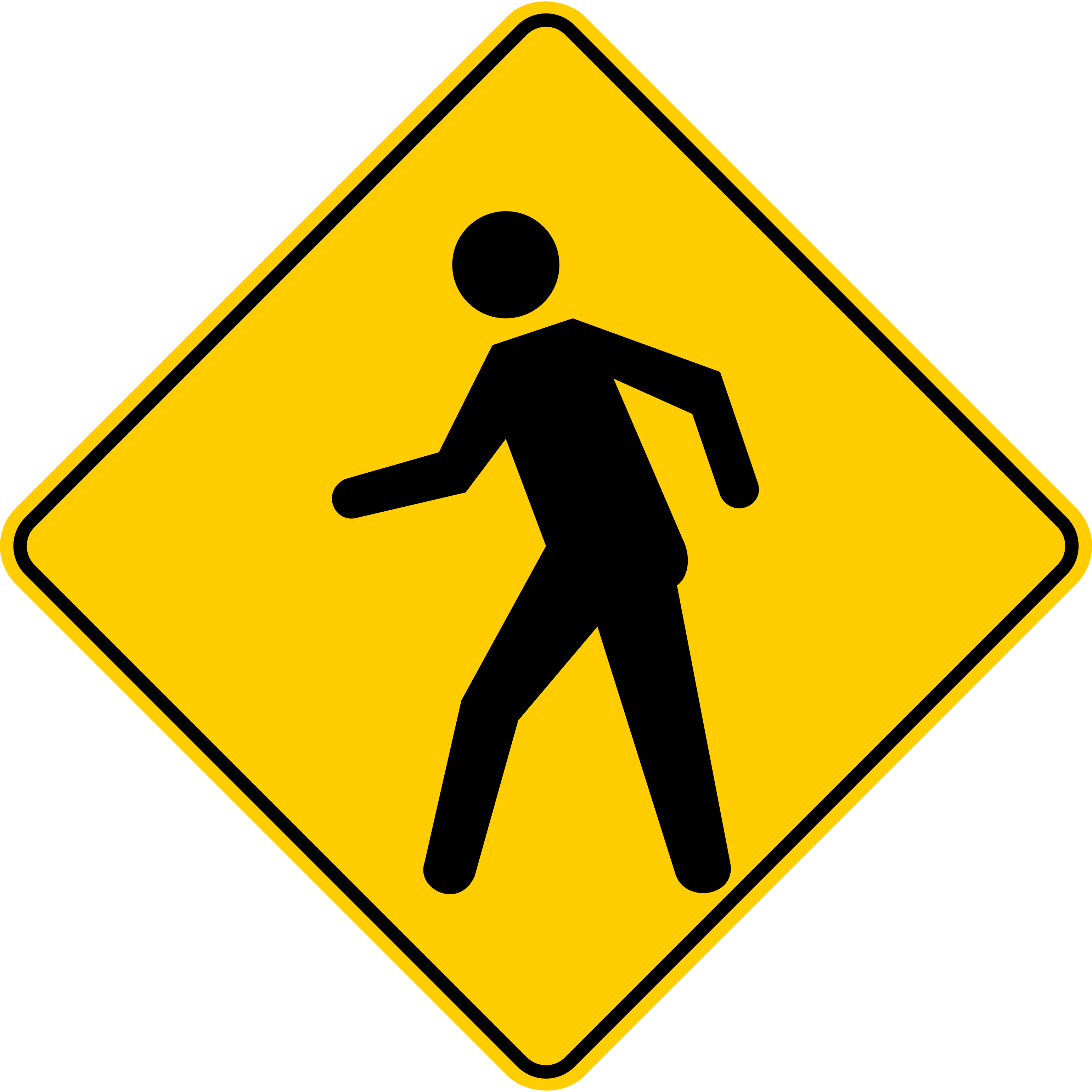
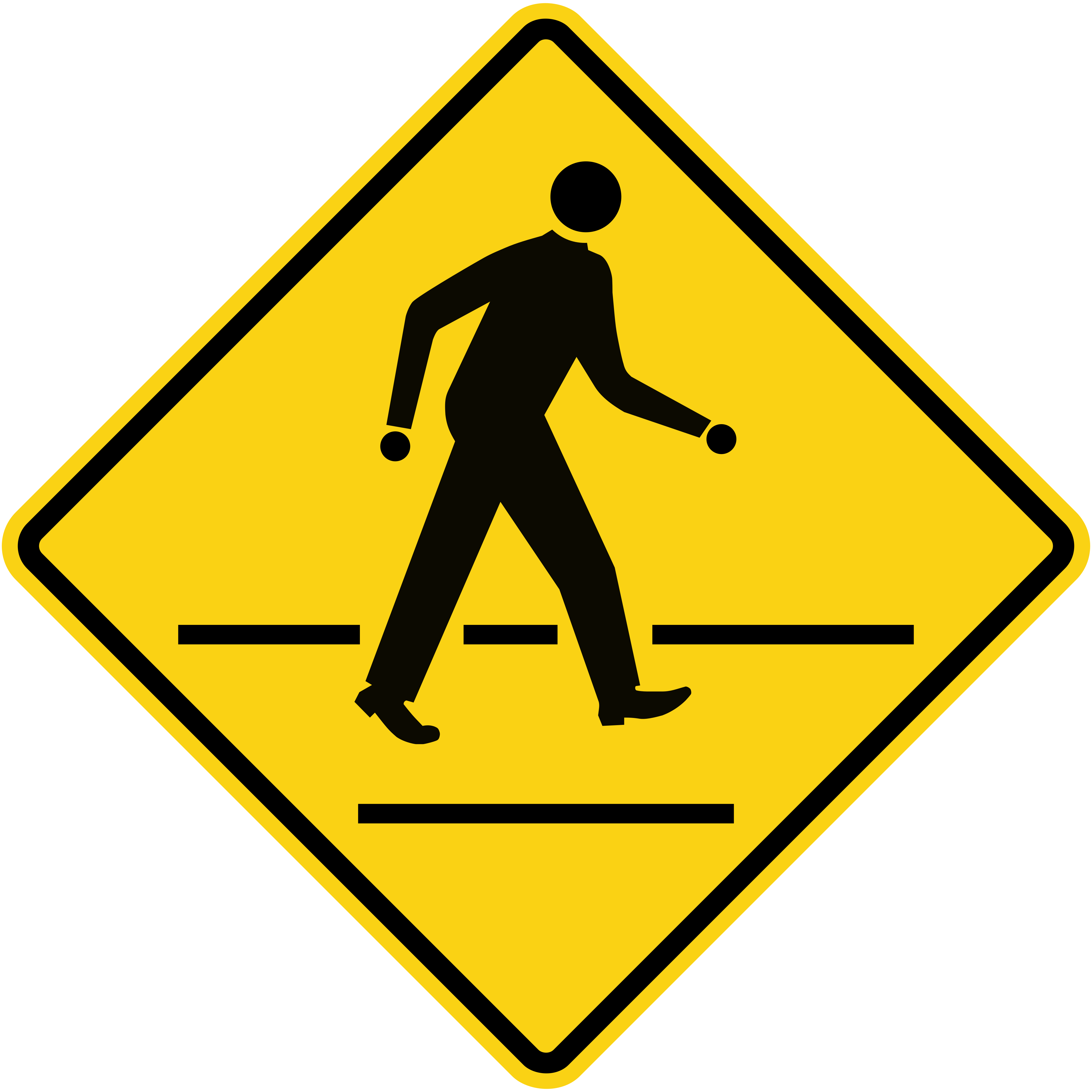
- Yellow warning signs: Sweden, Finland, Iceland, Poland (with a thin border), Greece, North Macedonia – yellow diamonds instead of triangles mean the Americas, Australia or Southeast Asia.
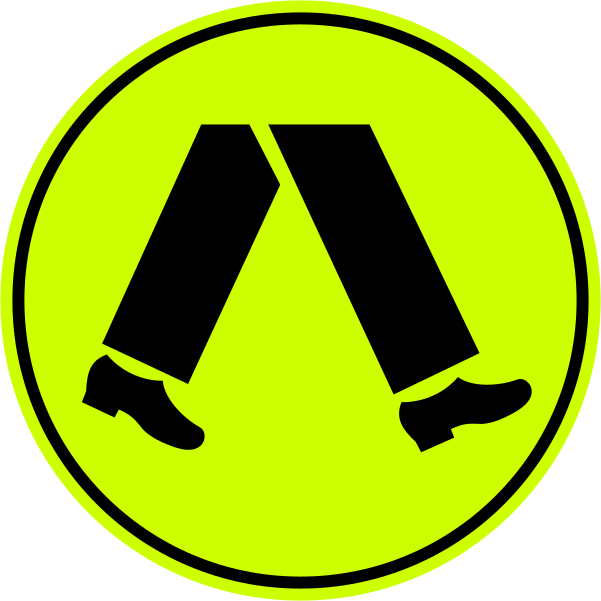
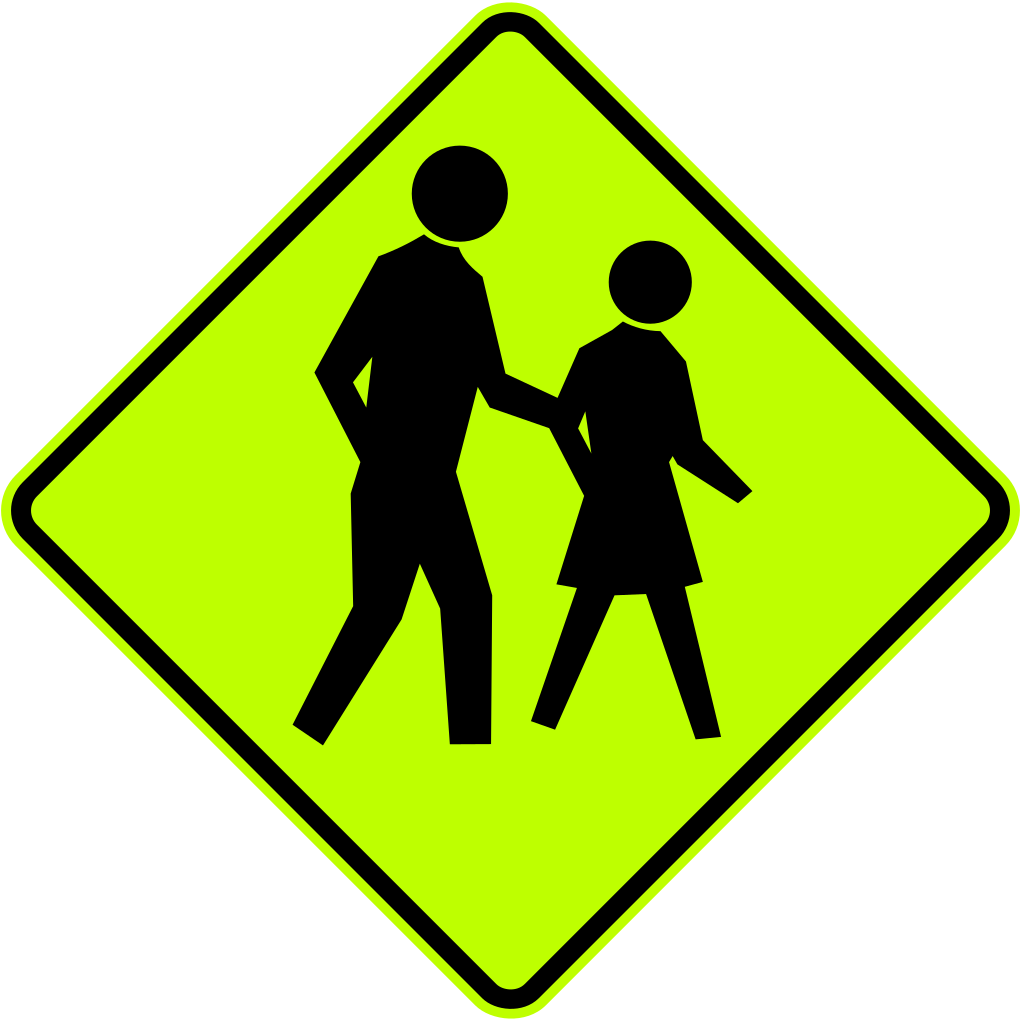
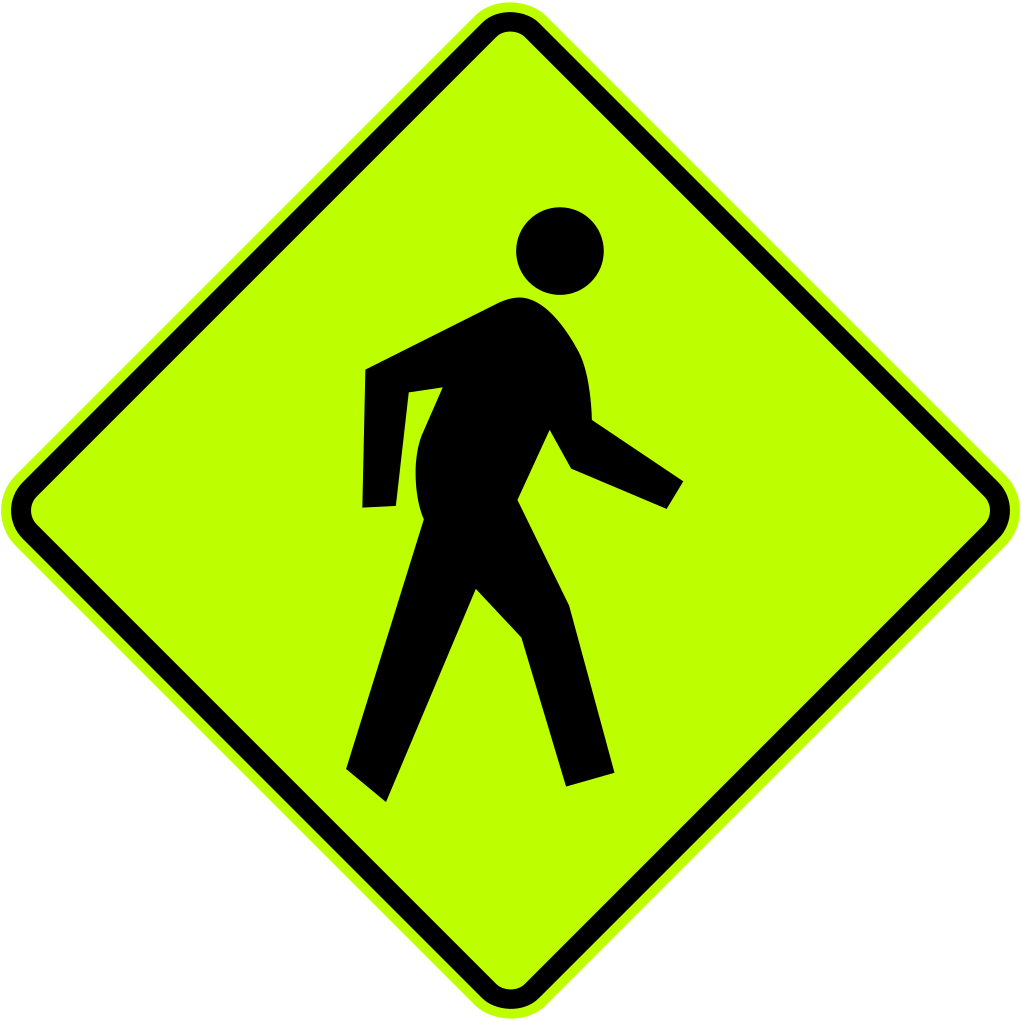
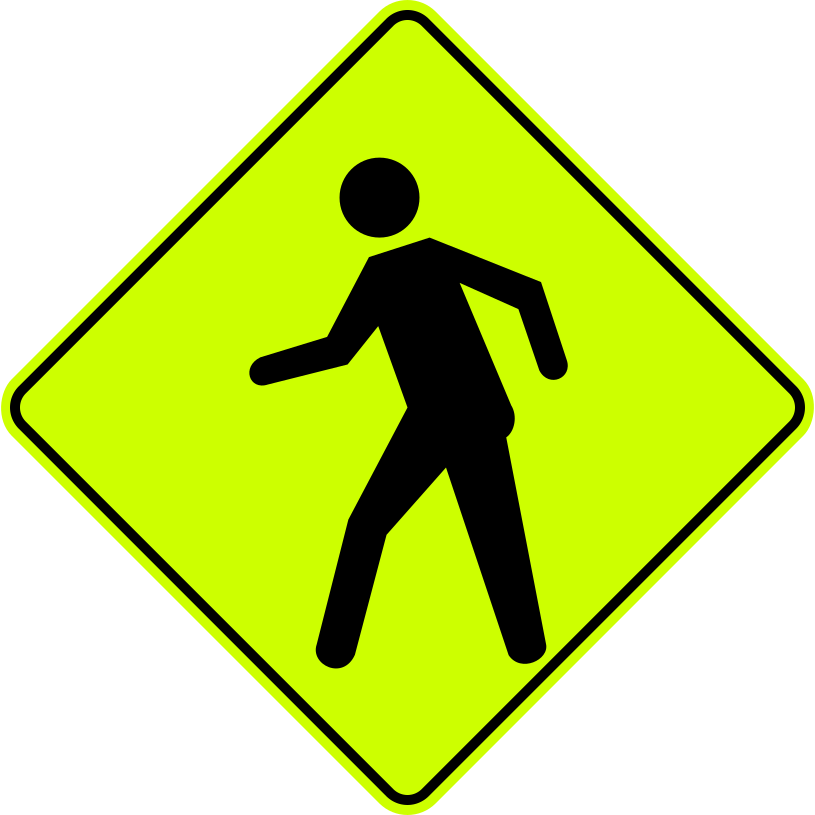
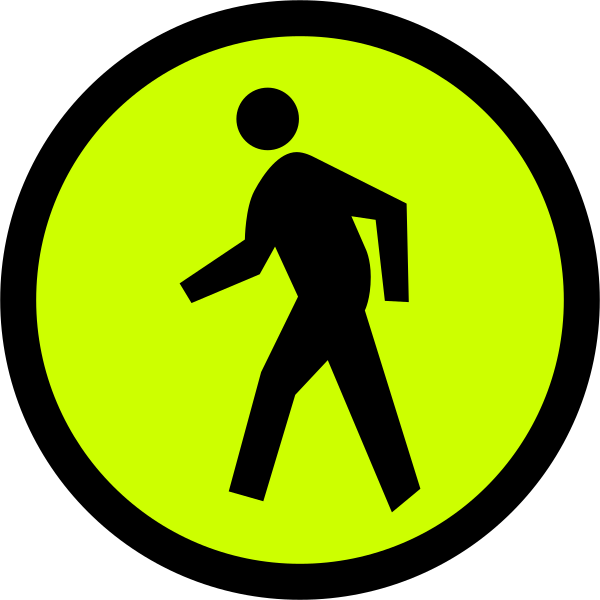
- Fluorescent yellow-green on pedestrian and school signs: USA, Latin America, Philippines, UAE, parts of Eastern Europe.
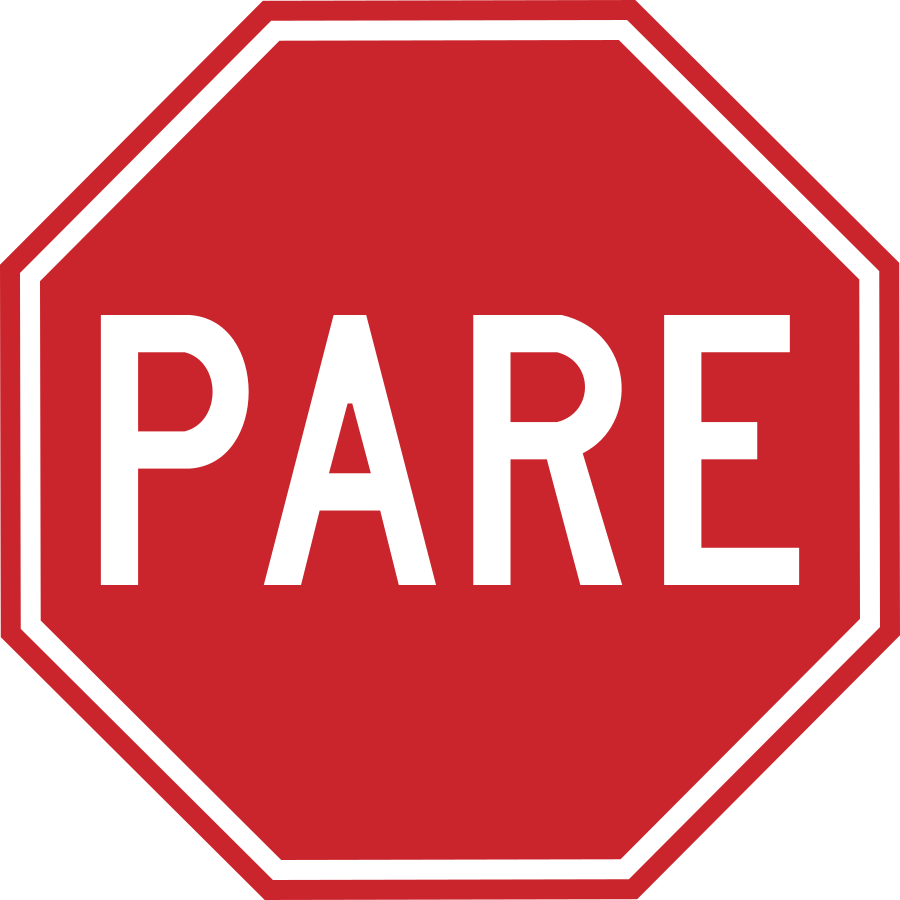
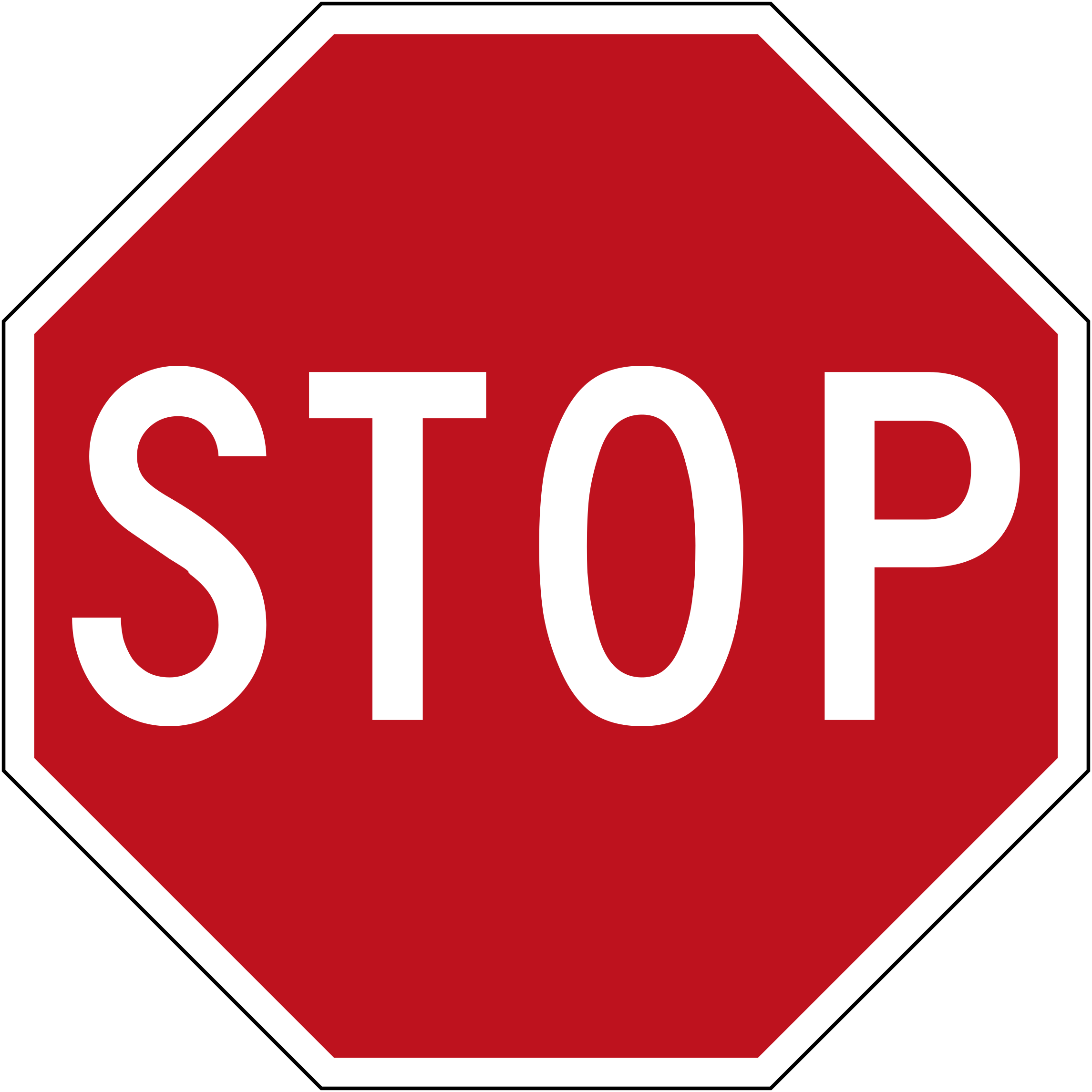
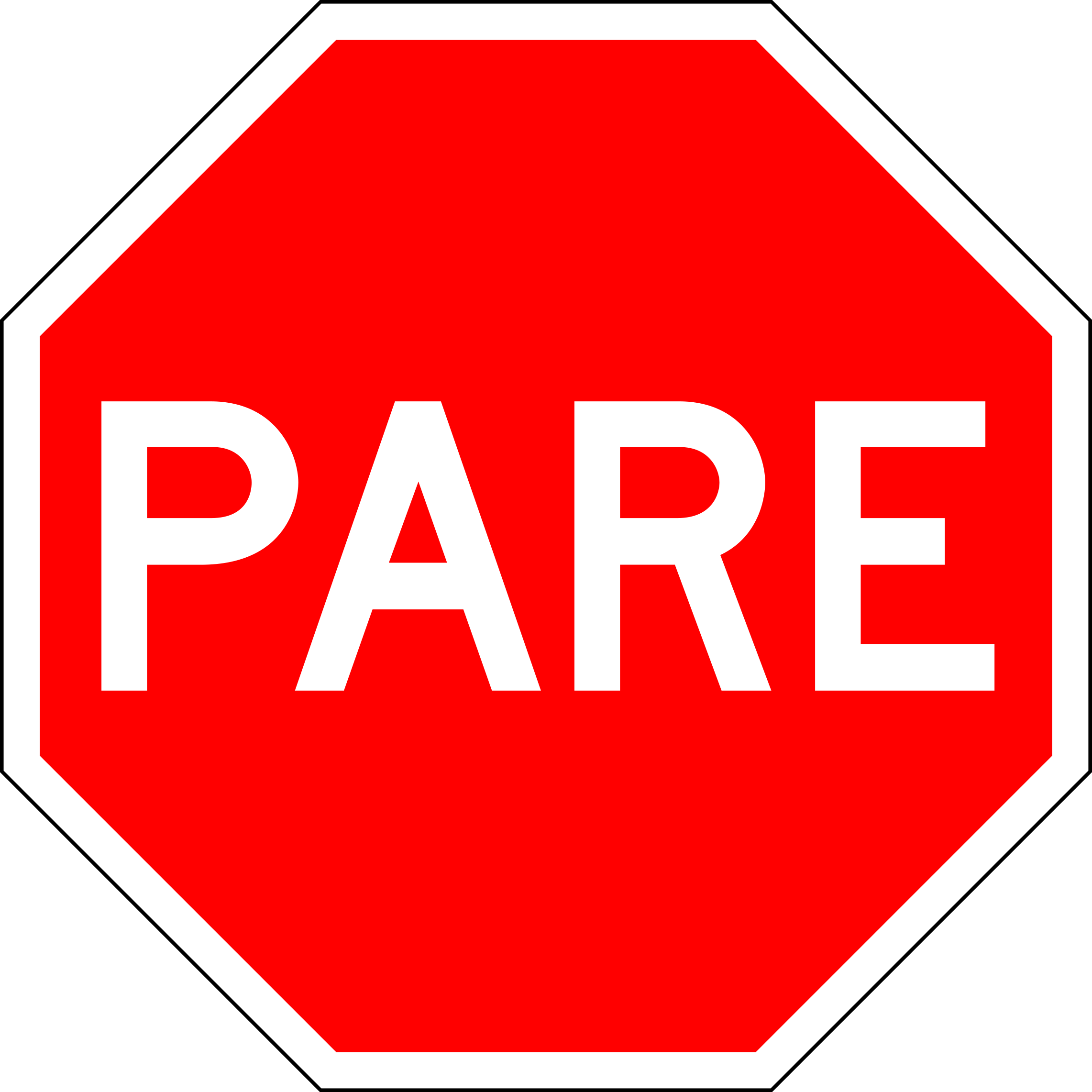
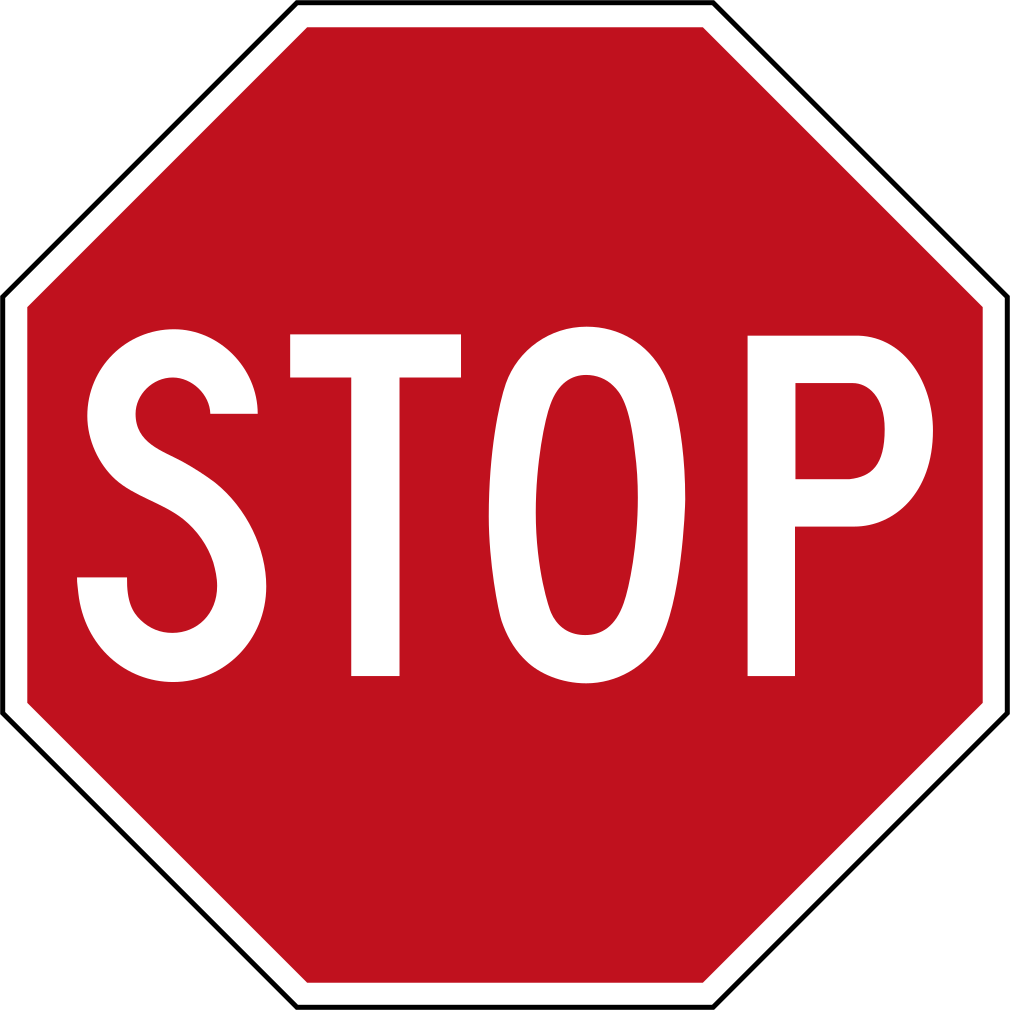
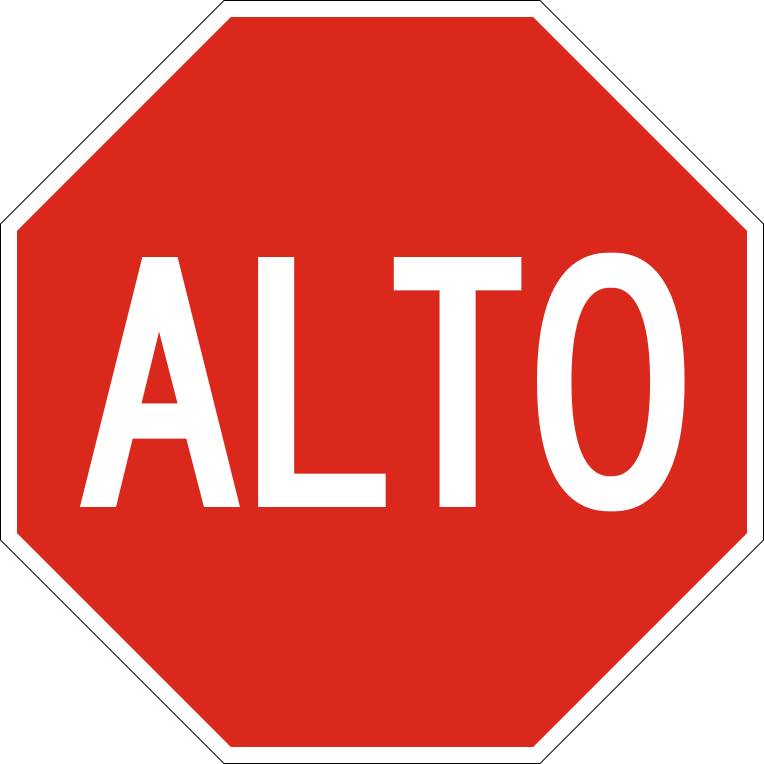
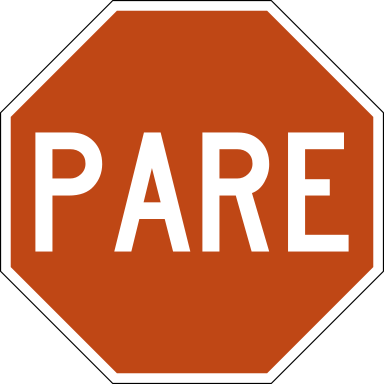
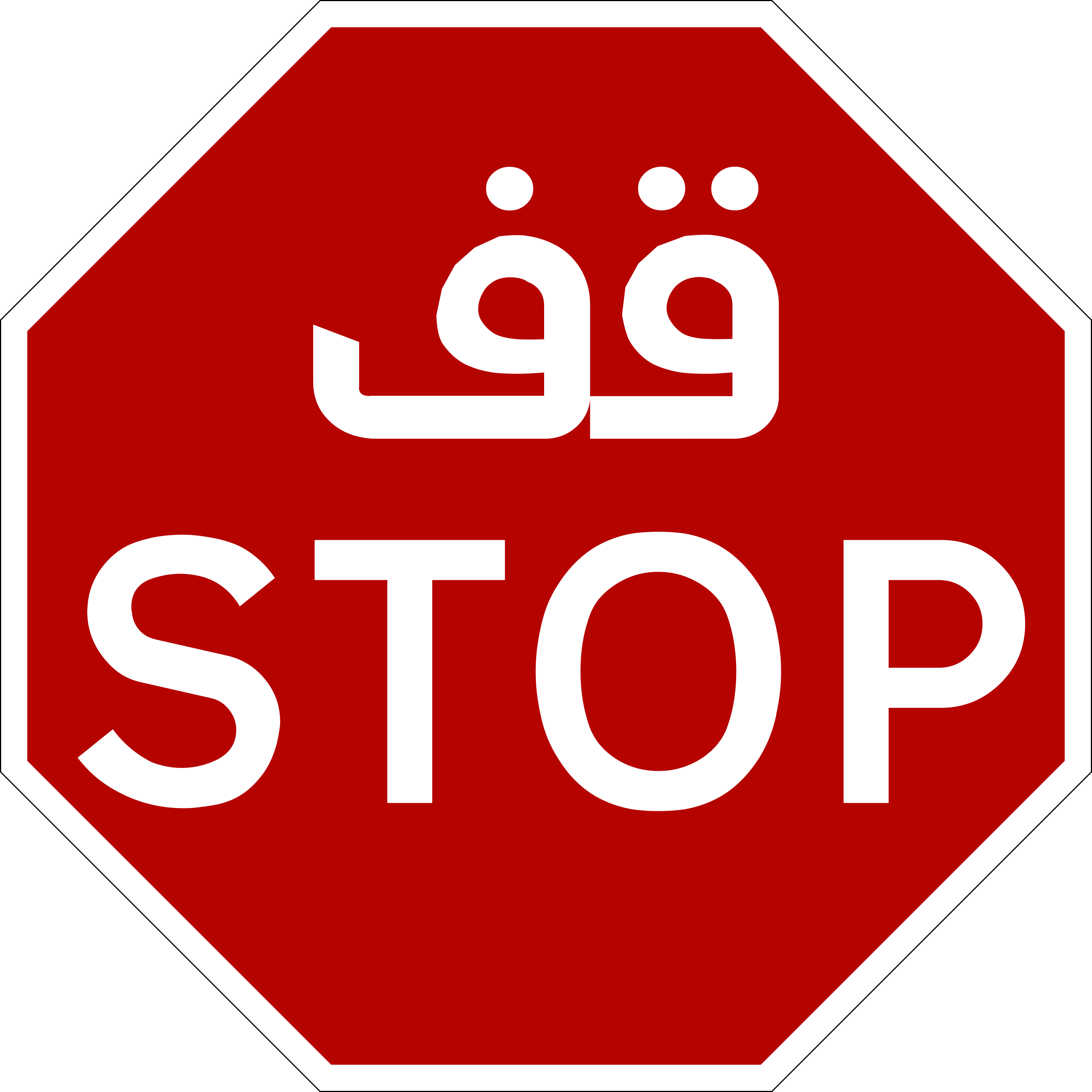
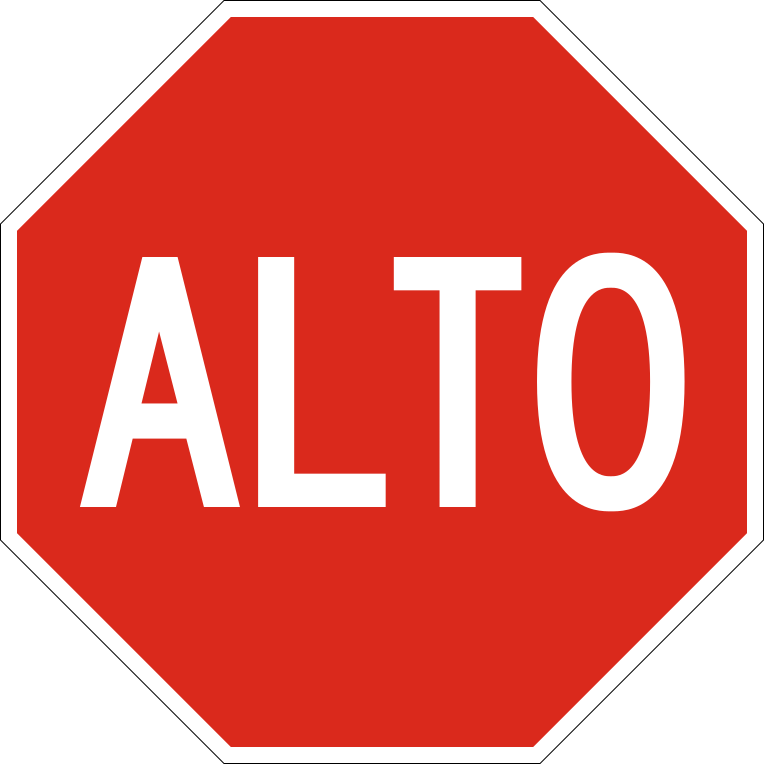
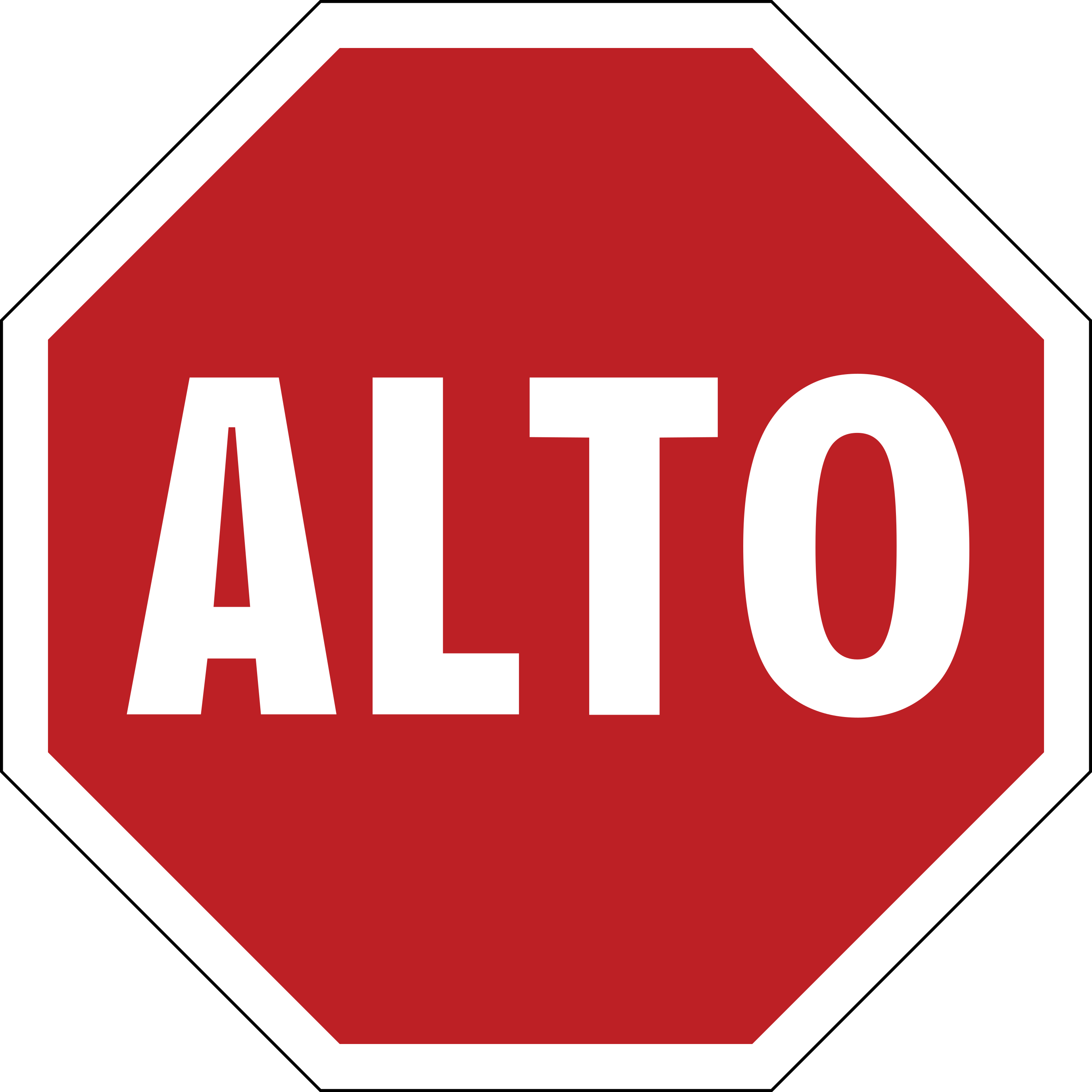
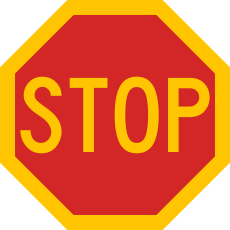
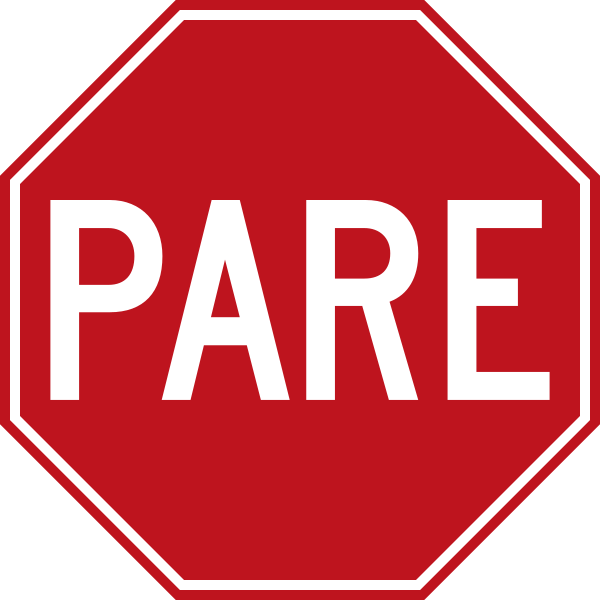
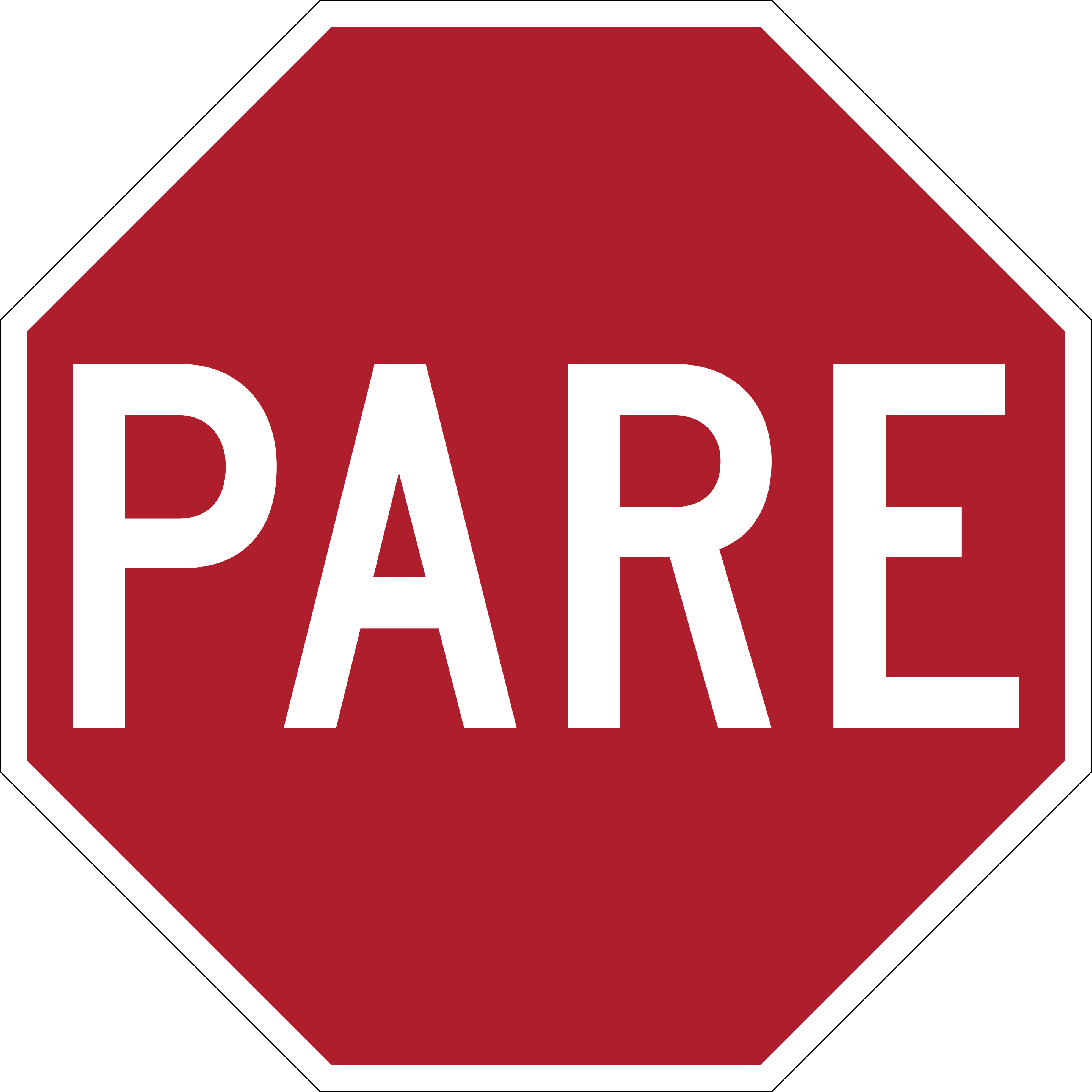
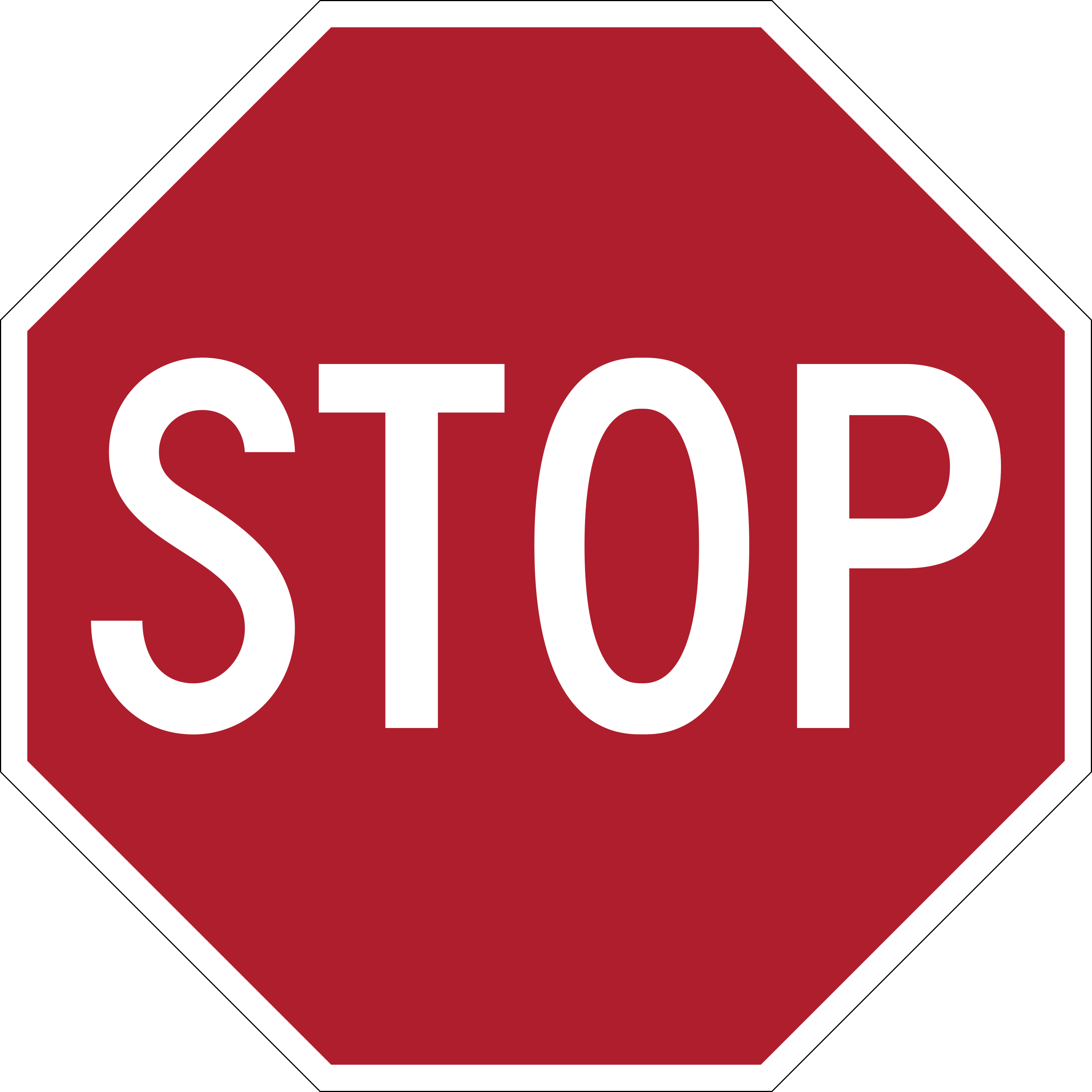
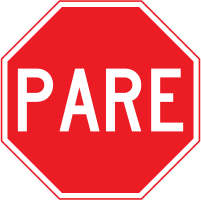
- Text on the stop sign: STOP, ALTO (Mexico, Central America), PARE (Brazil, Colombia, Puerto Rico), ARRÊT (Québec), 止まれ (Japan).
- Animals are strong clues: moose (Scandinavia, Baltics), kangaroo (Australia), kiwi (New Zealand), camel (Arabian Peninsula), elephant (Thailand).
How to learn it
Country from the signs
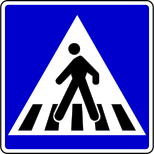
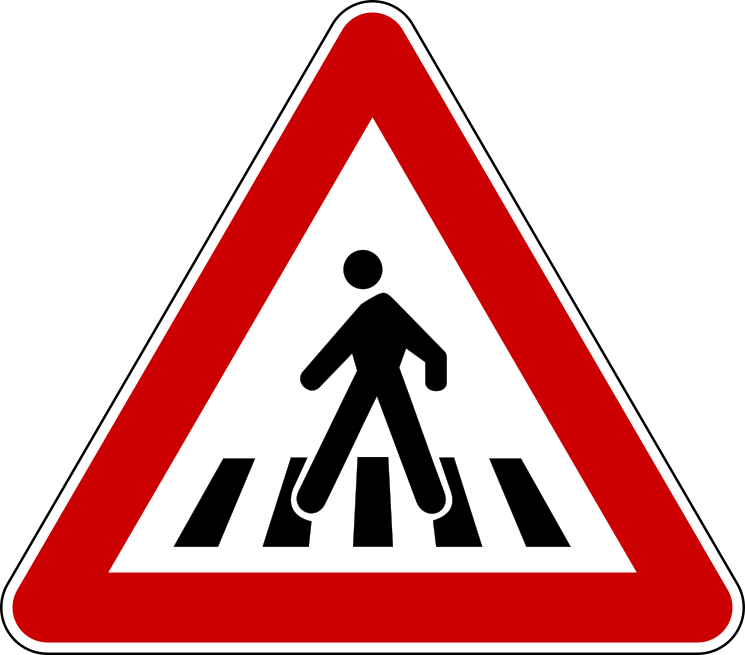
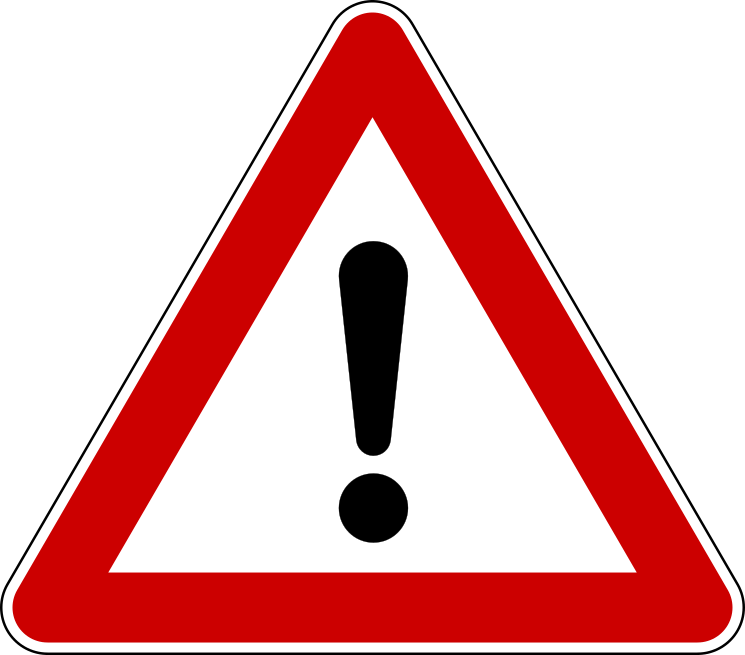
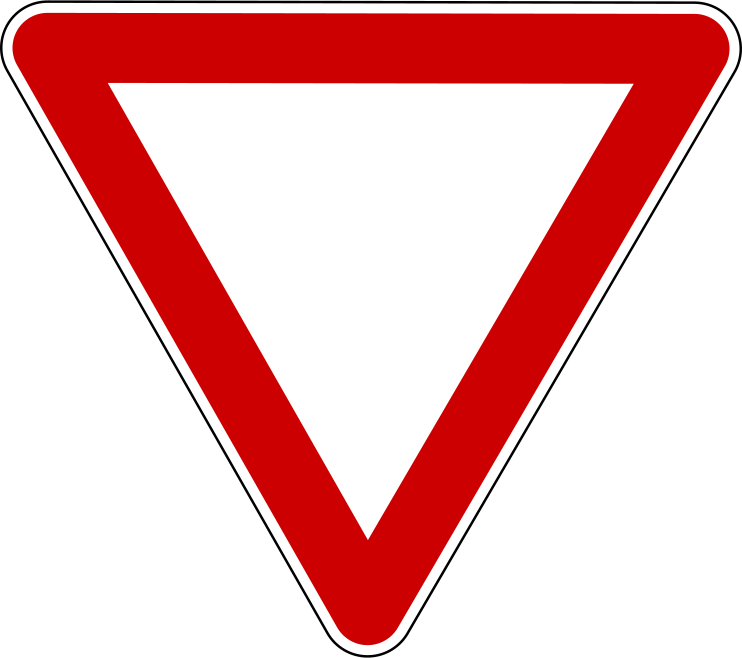
Four real signs per question. Which country is it?
Country by country
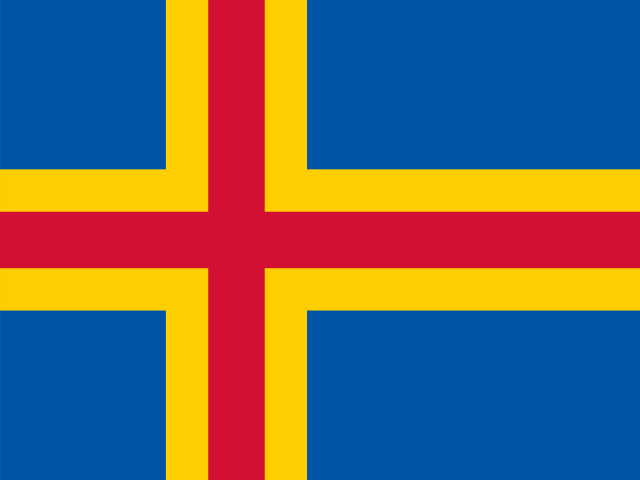
Åland
- Signs are Swedish only, no Finnish – a Finnish-looking scene with purely Swedish text means Åland.
- Some pedestrian signs have 4 stripes in the exact Swedish design; many are still the normal Finnish 5-stripe sign.
- Direction signs blue with white text as in Finland; main roads have low numbers (e.g. 1–4) on small red plates.
Albania
- Chevrons white on black (like Italy, Greece, Spain) – Montenegro: black on white or red on yellow.
- Sign backs are often painted black (also common in Italy and Romania).
- The “S” on STOP signs has short, angled ends – as in Italy.
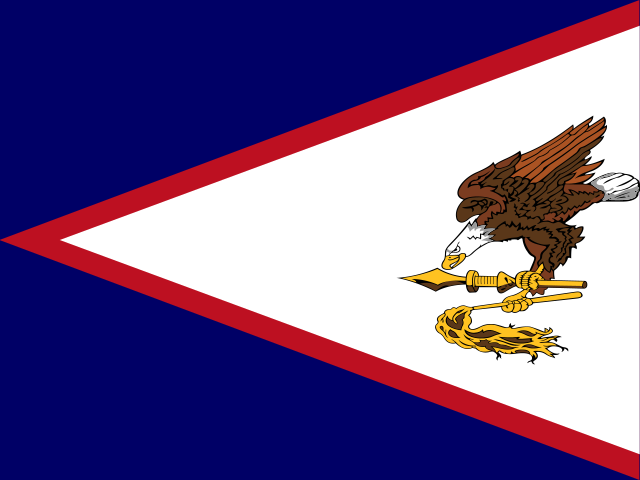
American Samoa
- US-standard traffic signs (STOP, SPEED LIMIT in mph, yellow diamonds) in the middle of the South Pacific.
- Very low speed limits: at most about 30 mph, the lowest of any US jurisdiction – there are no freeways.
- Right-hand traffic and mph – neighbouring independent Samoa has driven on the left since 2009 and uses km/h.
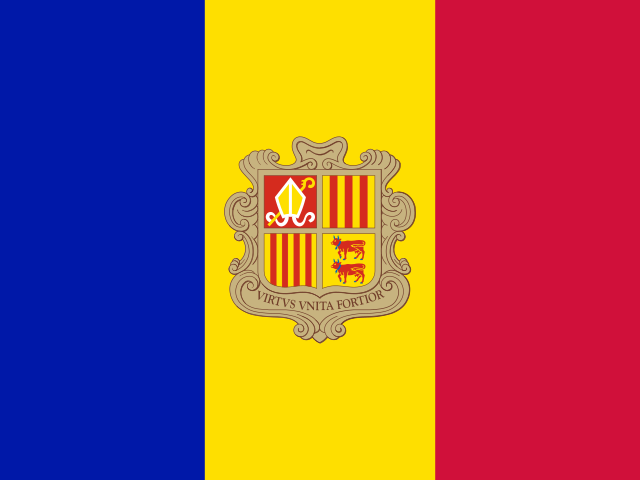
Andorra
- Pedestrian signs have 8 stripes – otherwise only in Spain.
- Direction signs are white with black uppercase text; main destinations such as “ANDORRA LA VELLA” or “ESPANYA” are white on a red panel.
- Kilometre markers carry CG and CS road numbers (similar to Spain).

Argentina
- Chevrons white with red arrows – Argentina is the only country in South America with these (Chile, Uruguay, Peru, Bolivia: black on yellow/orange, Brazil: yellow on black).
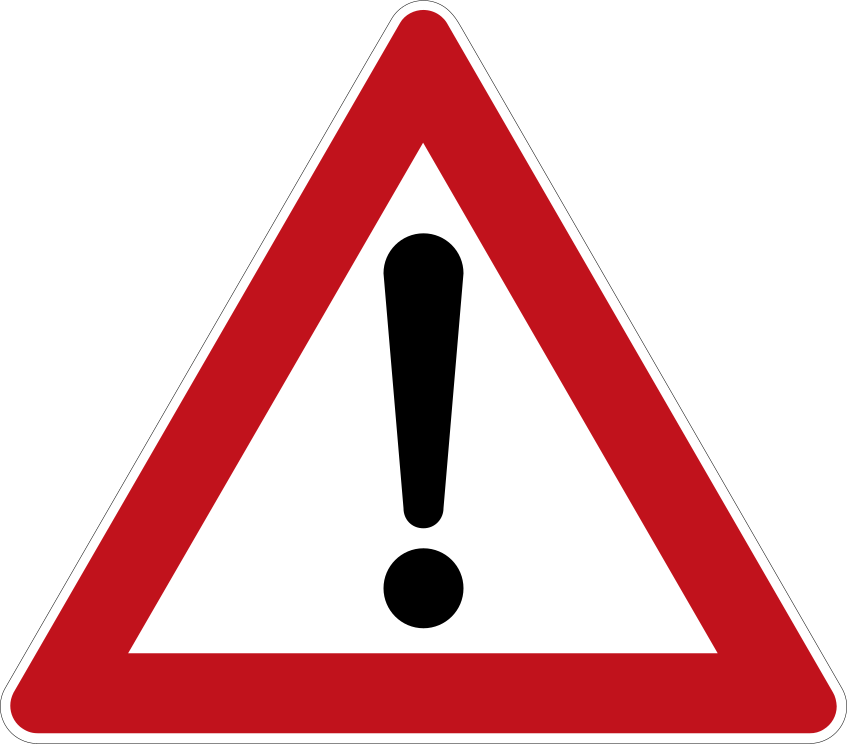
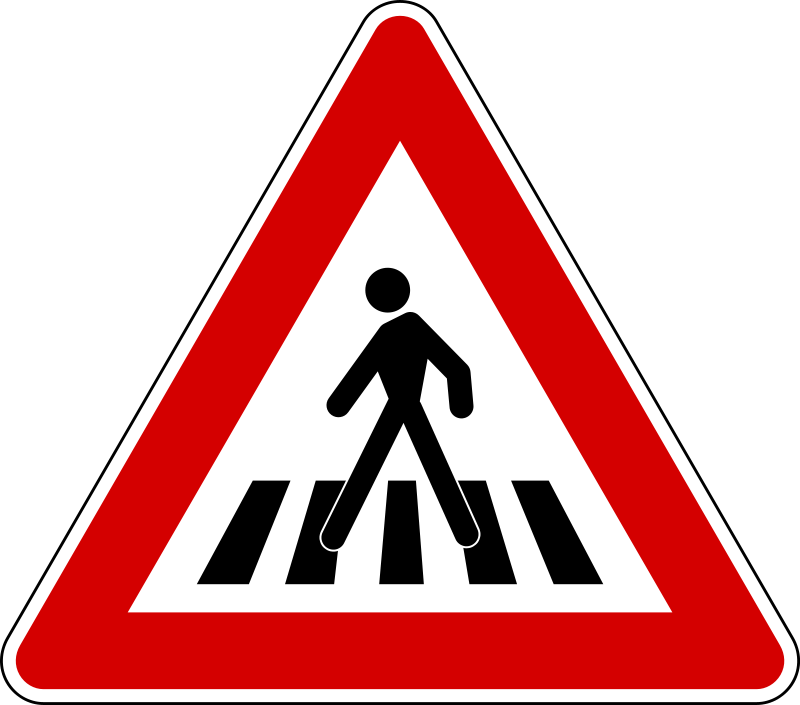
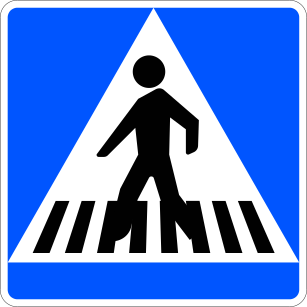
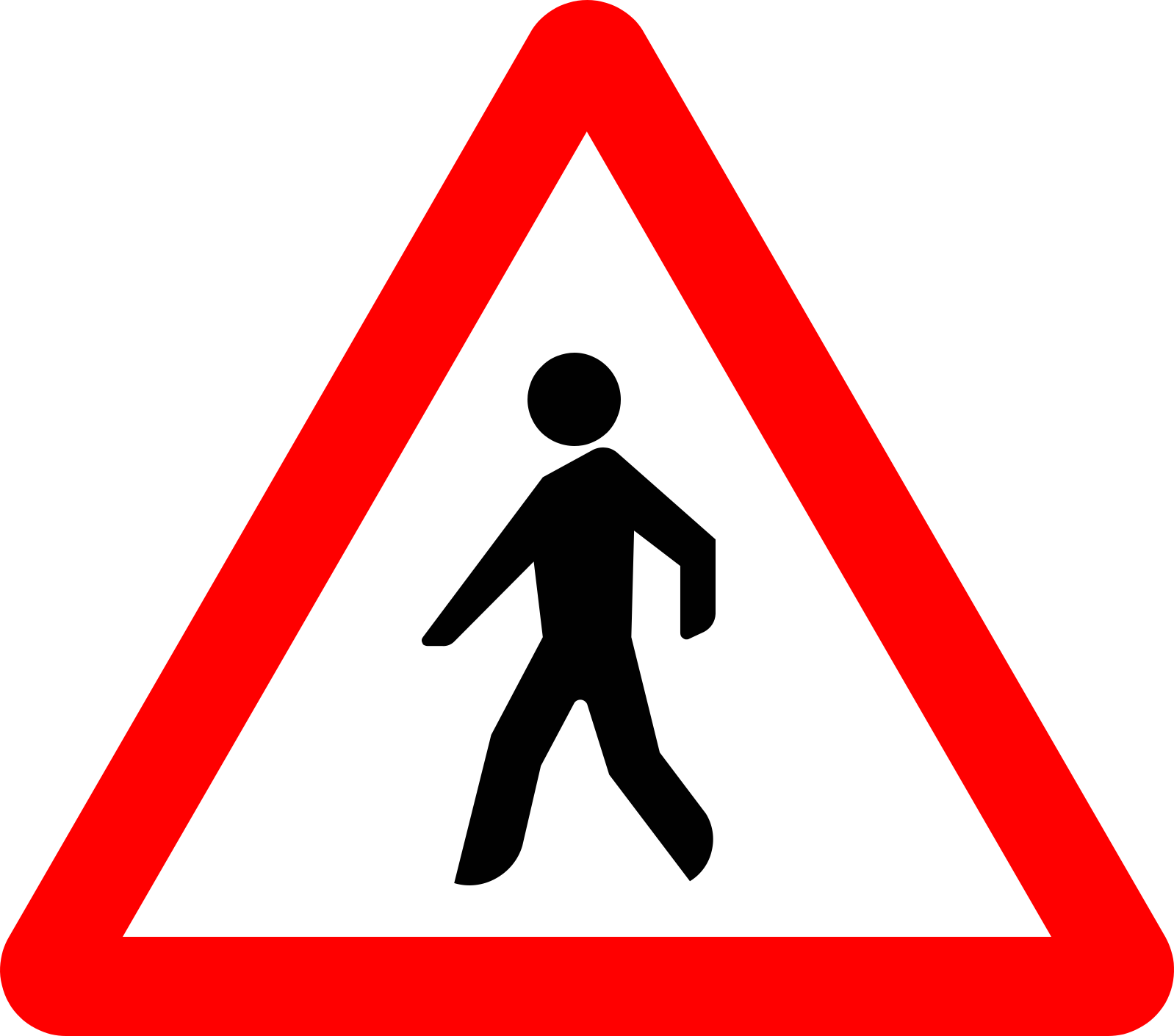
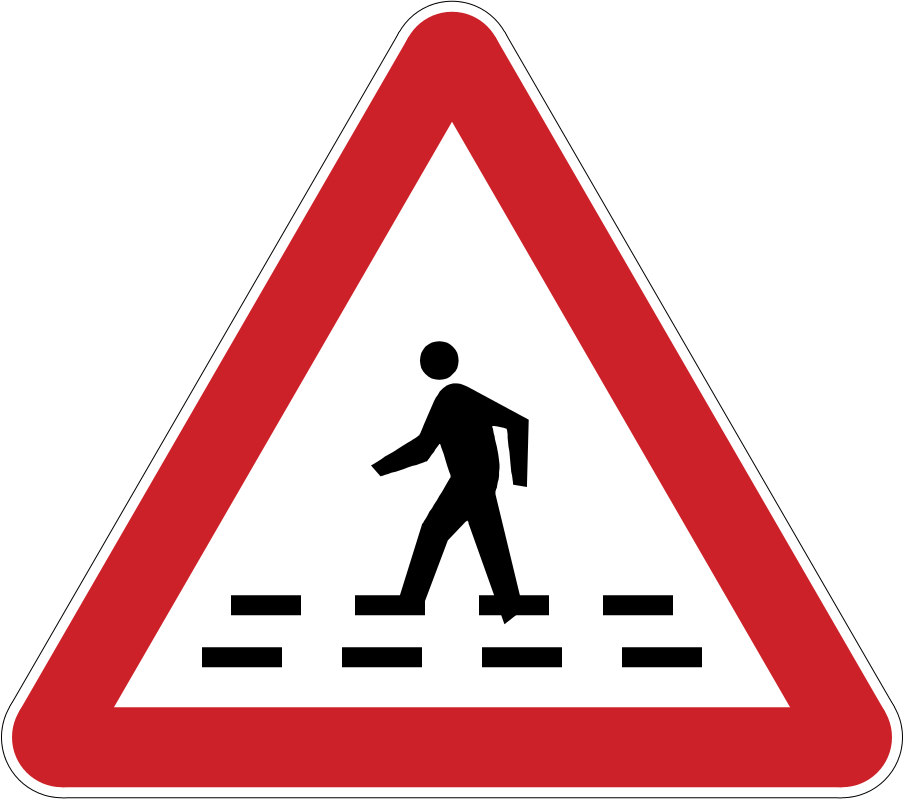
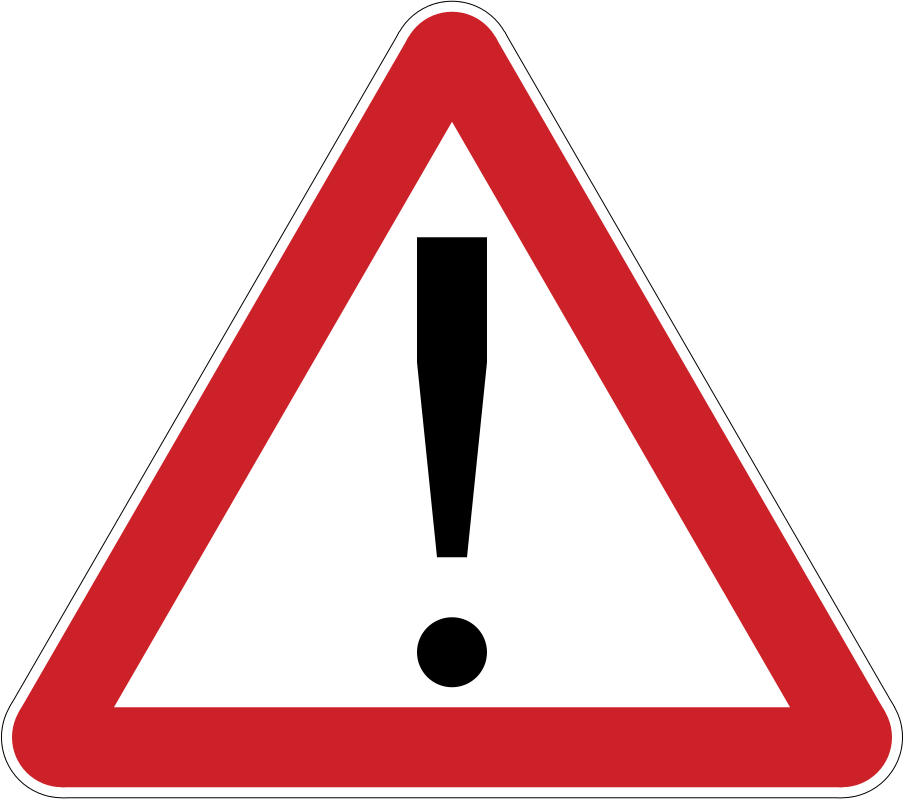
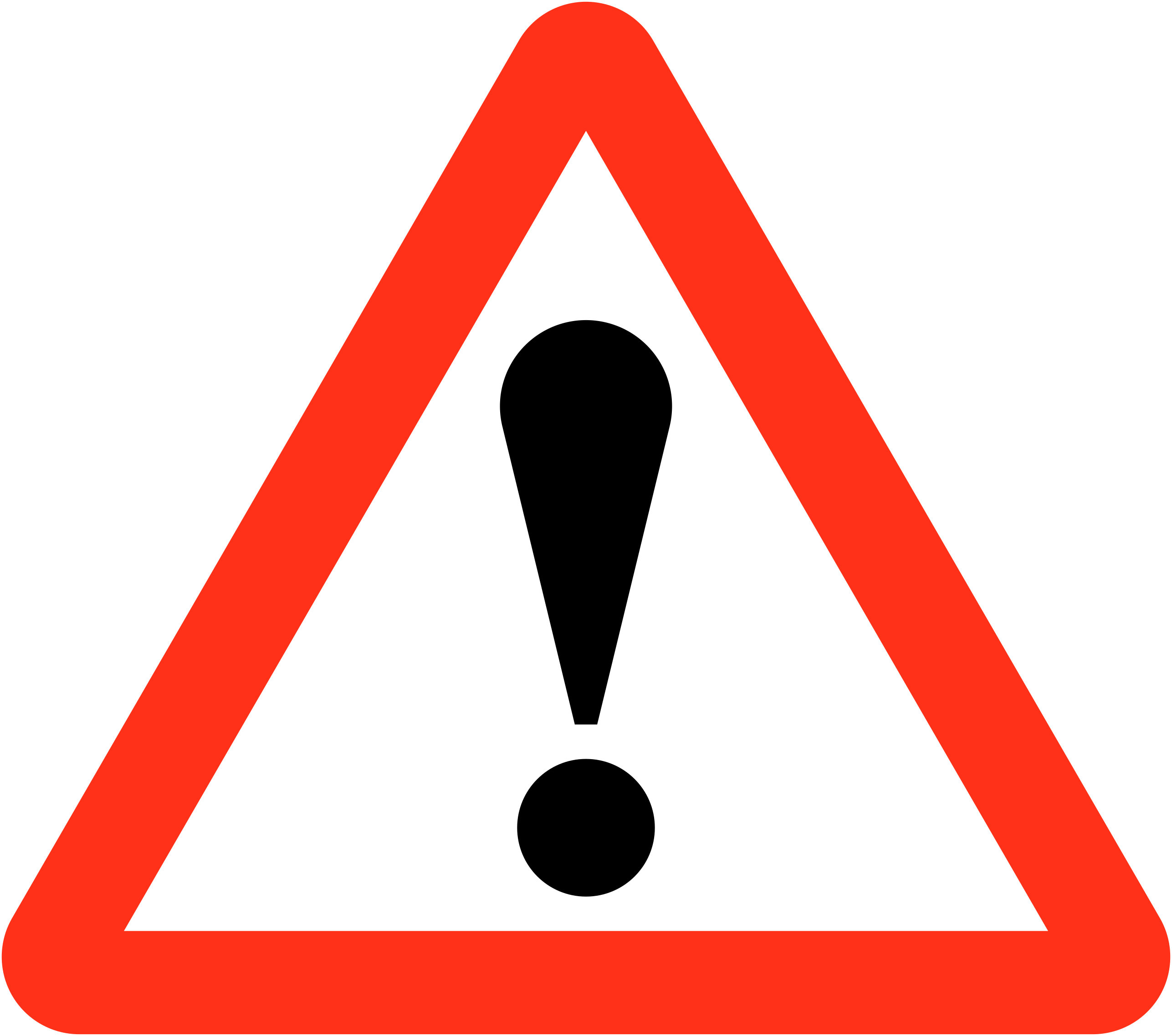
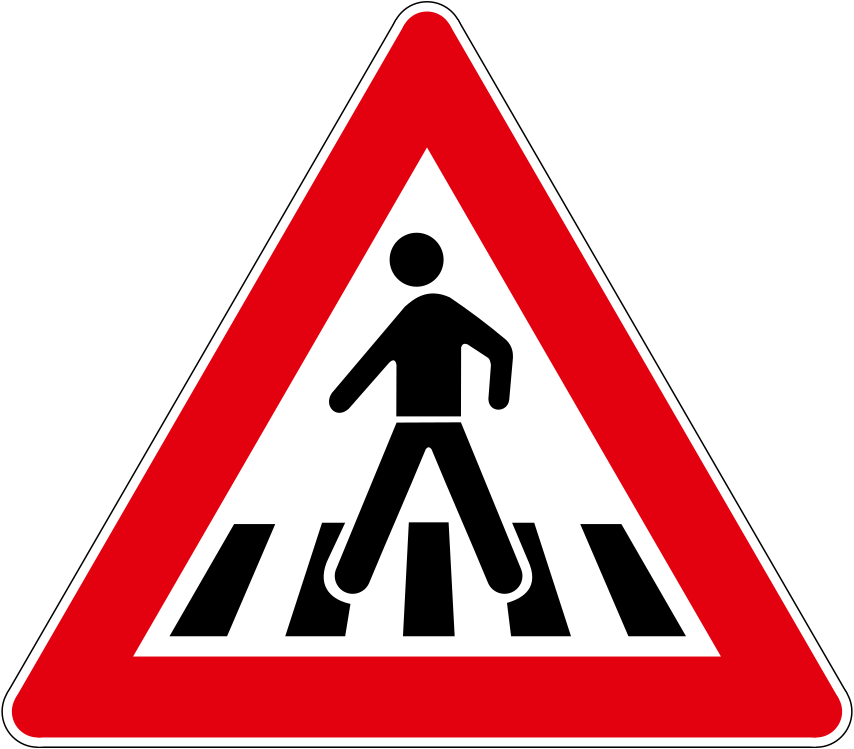
- Pedestrian-crossing and “attention” warnings as a white triangle with a red border (European style) instead of a yellow diamond.
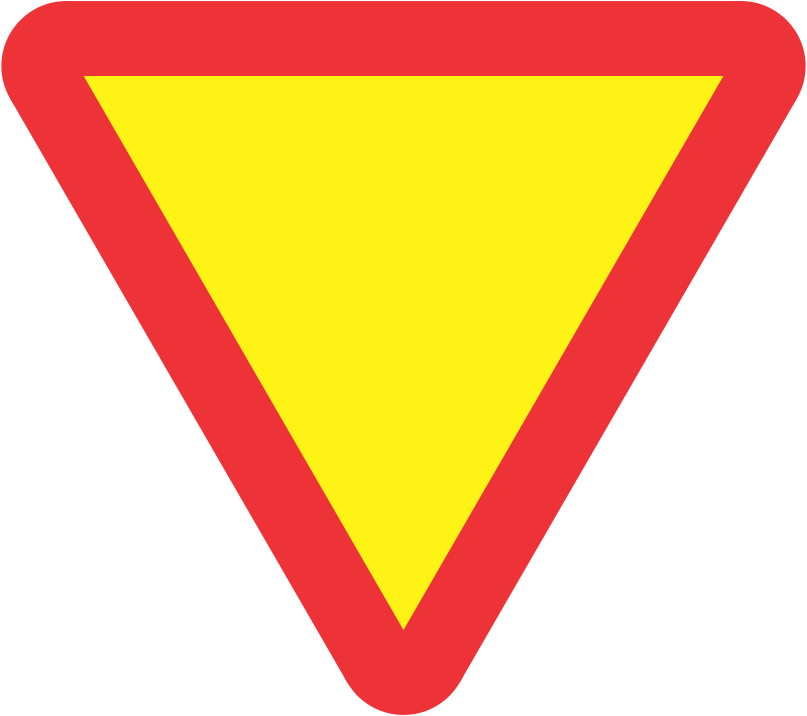
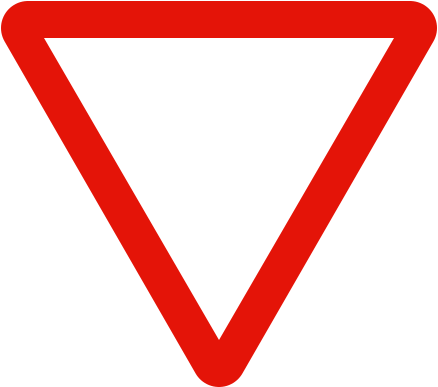
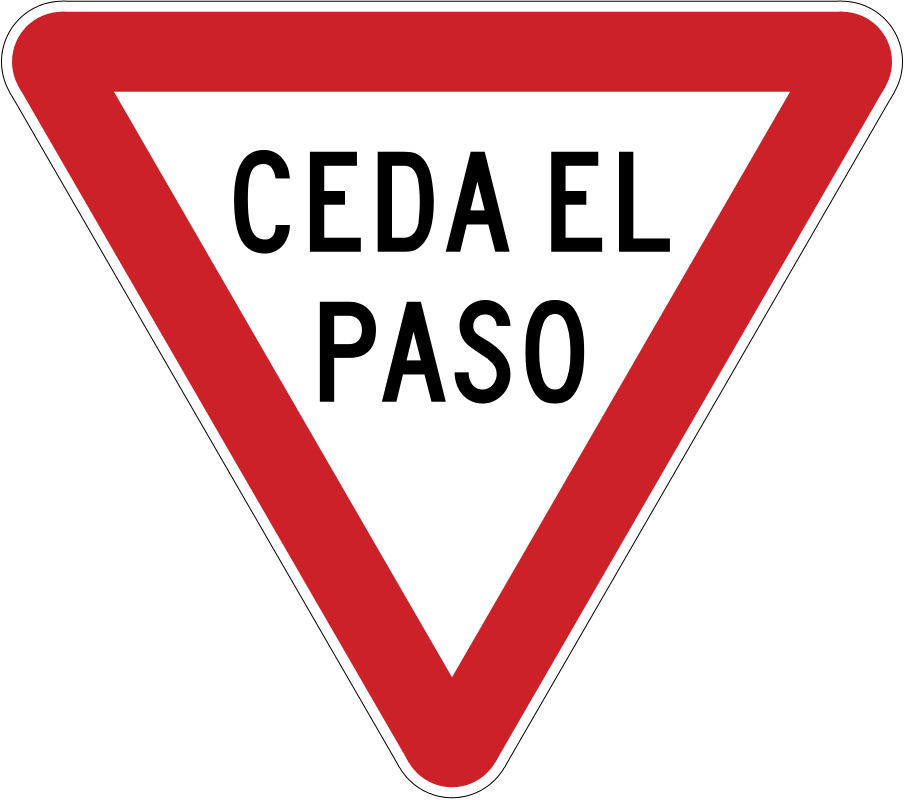
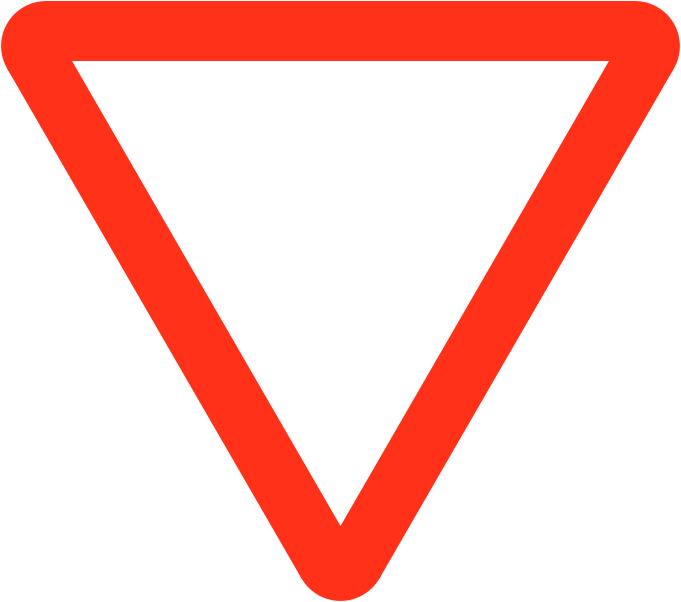
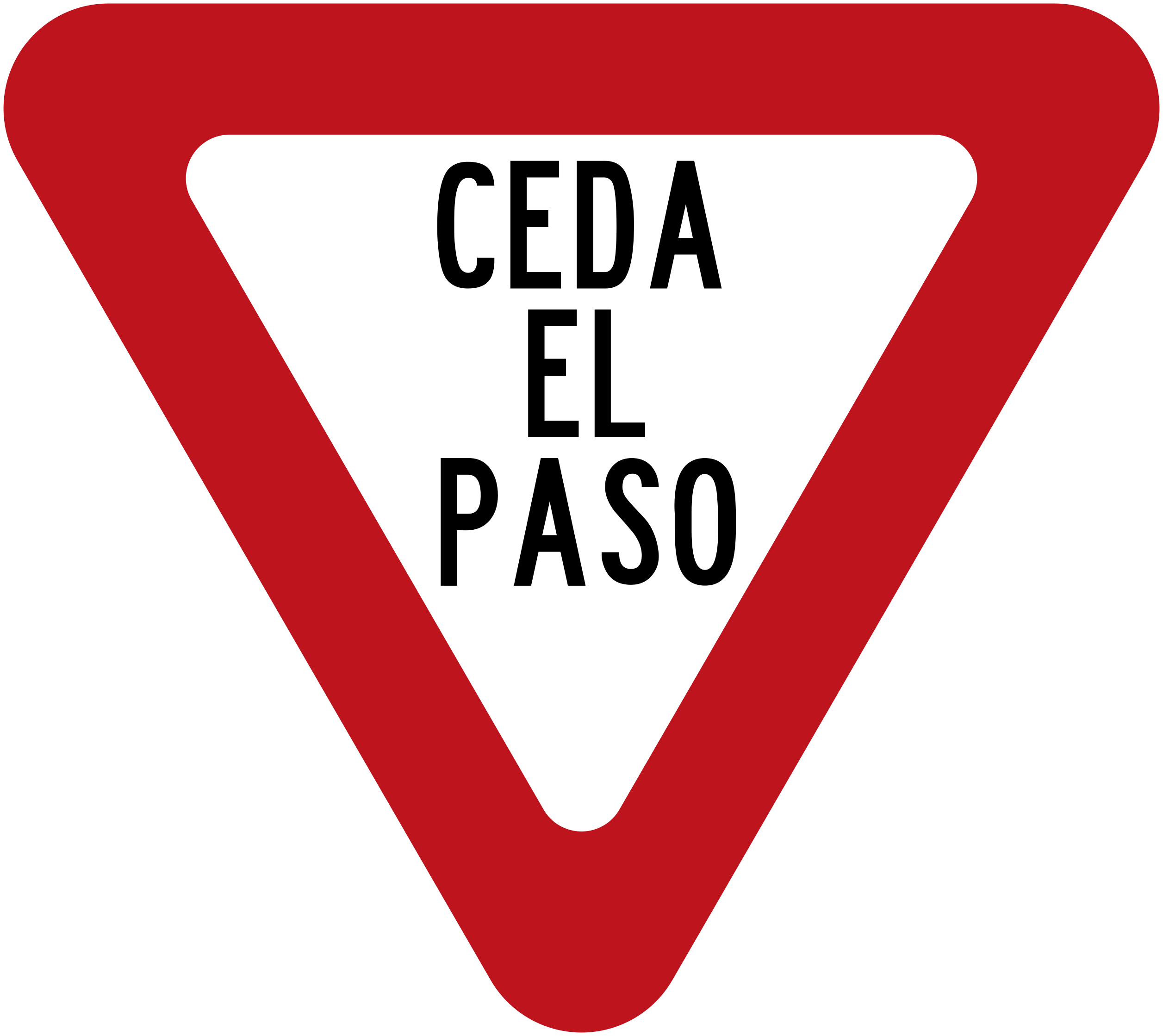
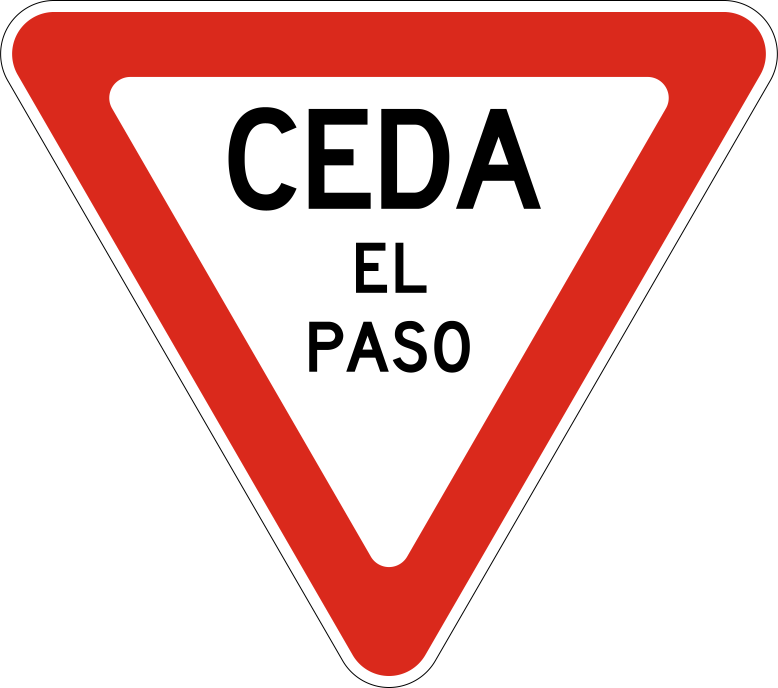
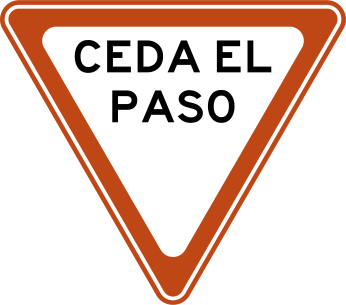
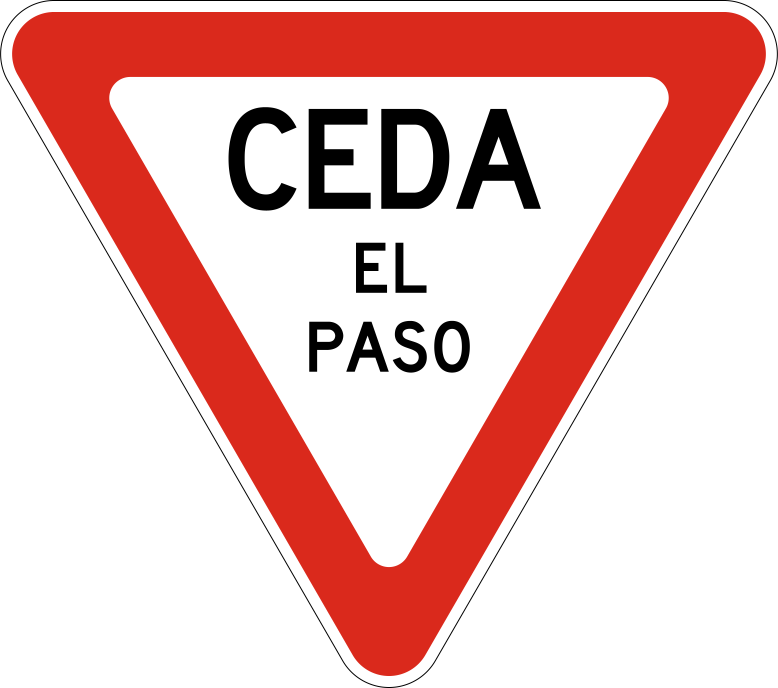
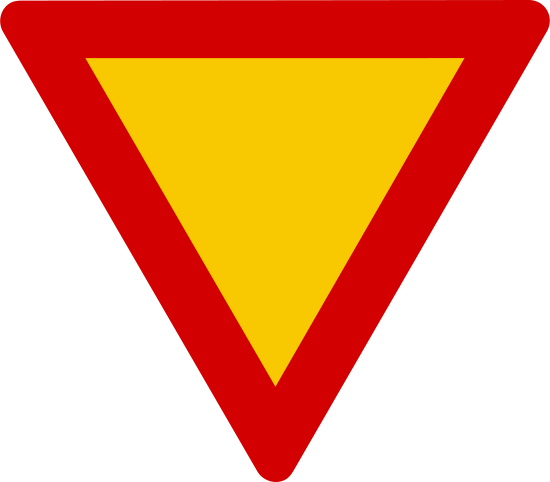
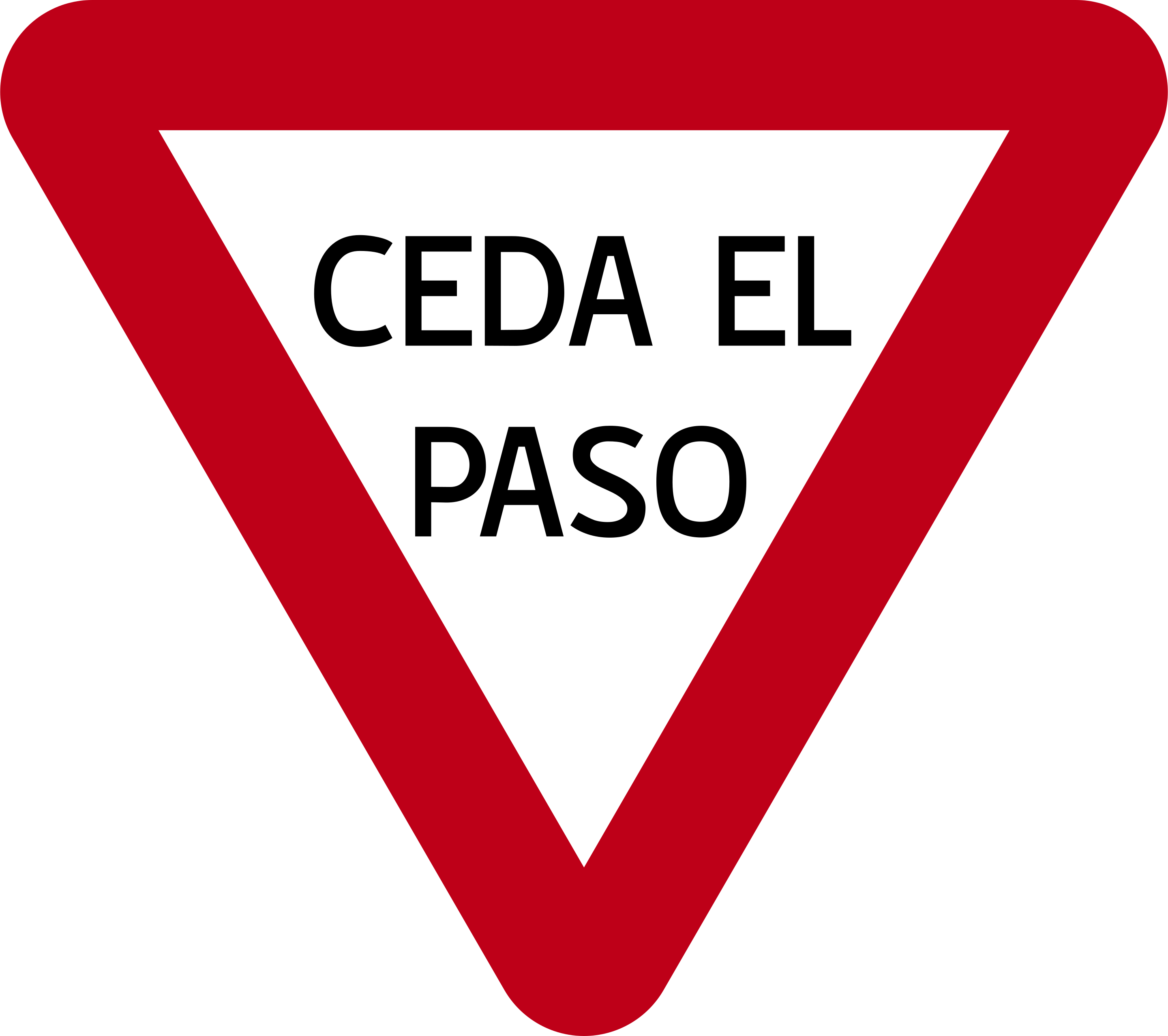
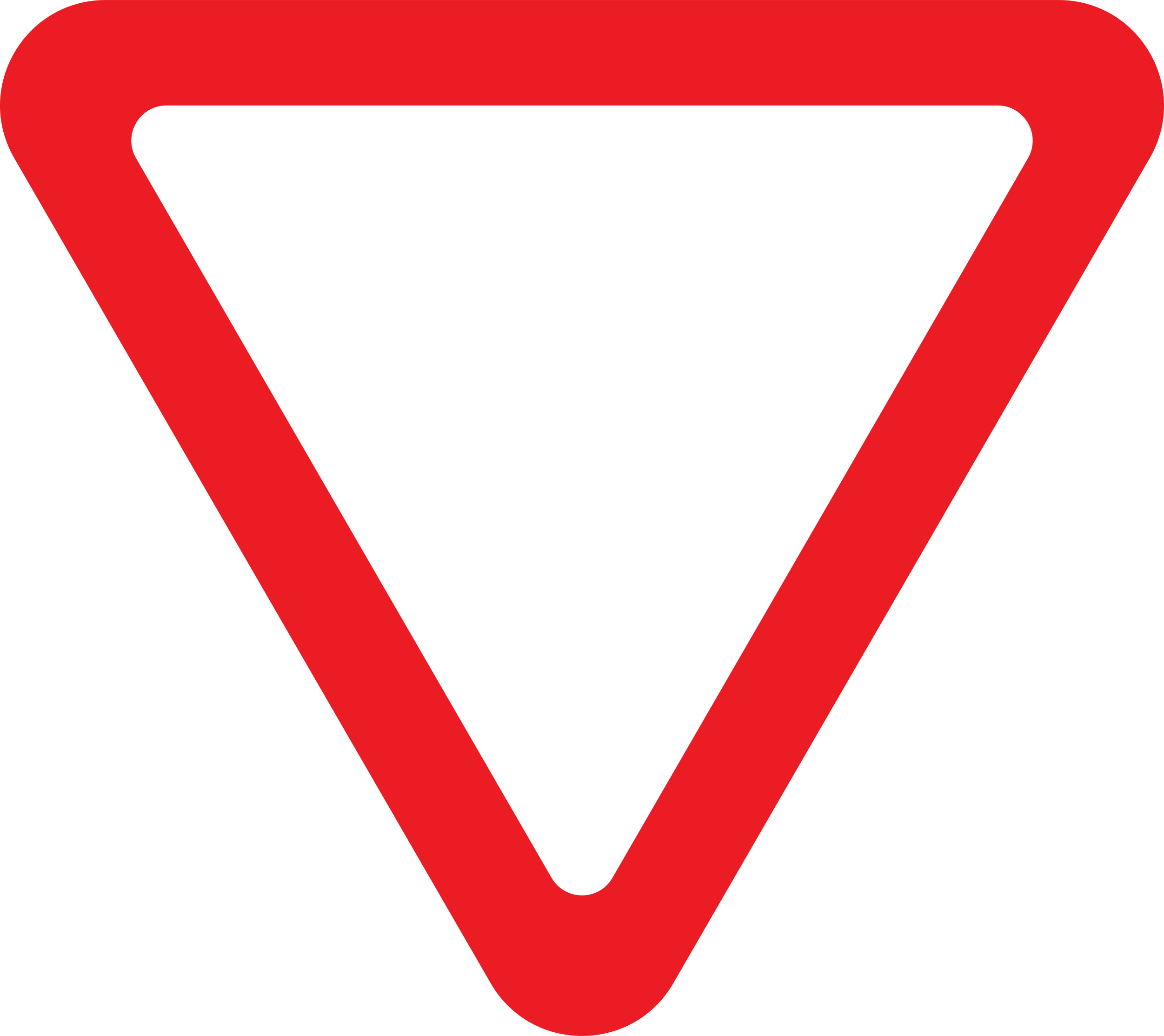
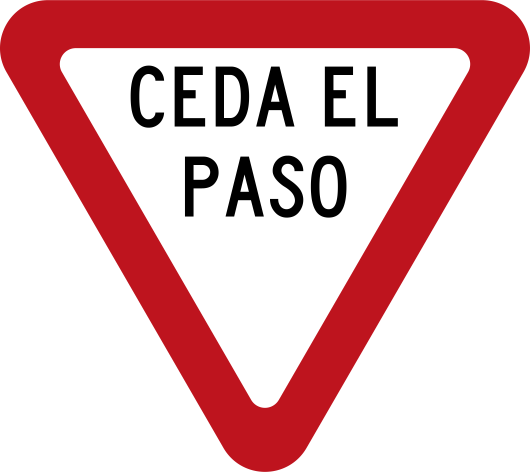
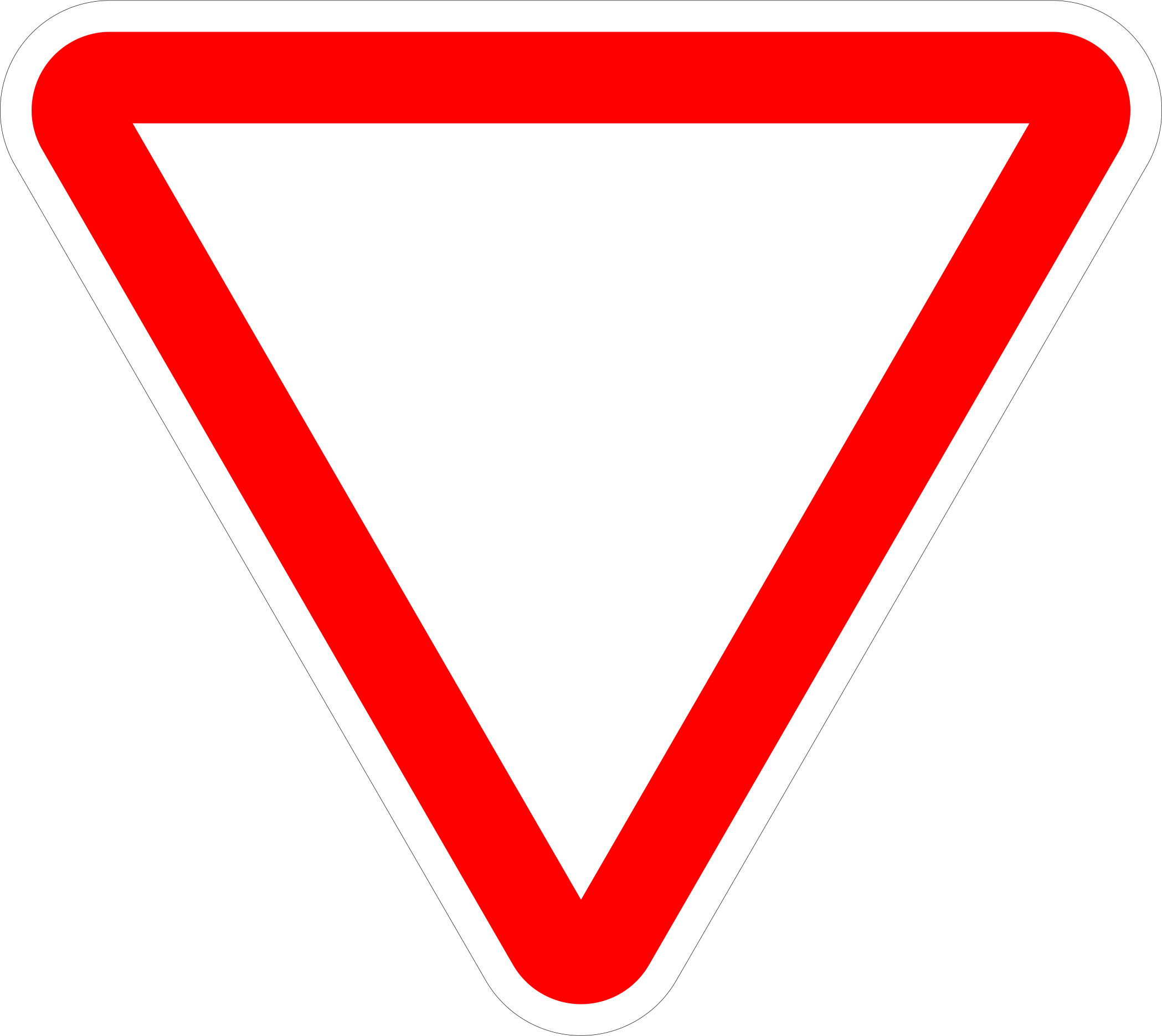
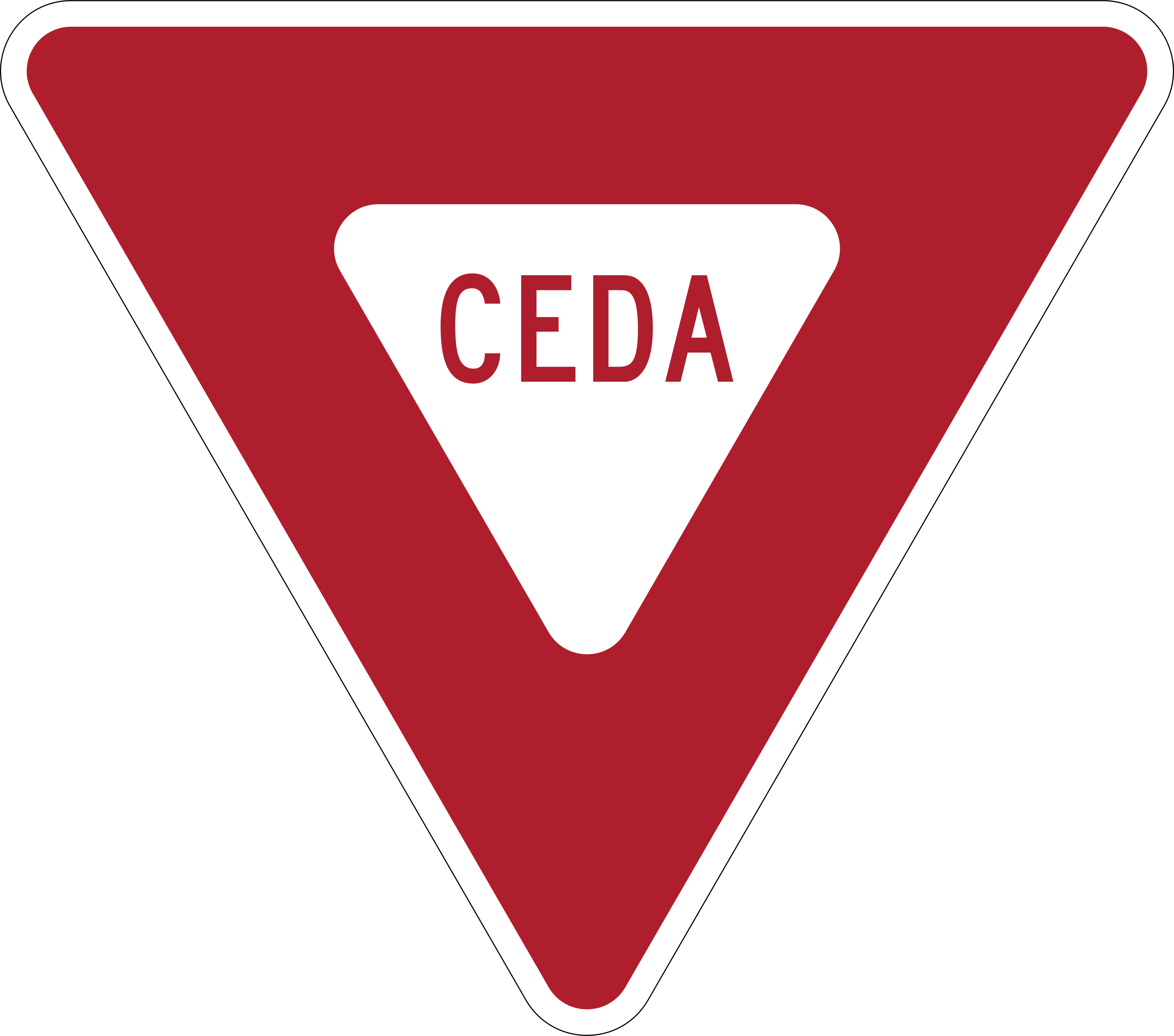
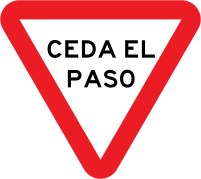
- Give-way triangle with the words “CEDA EL PASO” (also Uruguay, Peru) – Chile, Brazil and Paraguay without text.
Australia
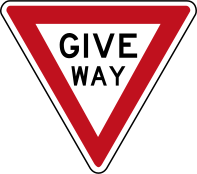
- “GIVE WAY” sign with a white border and black text (New Zealand: red text).
- Speed limit: red ring on a large white rectangle (New Zealand usually without the rectangle).
- Chevrons white on black or black on yellow, without a border (New Zealand: yellow with a thin black border).
Austria
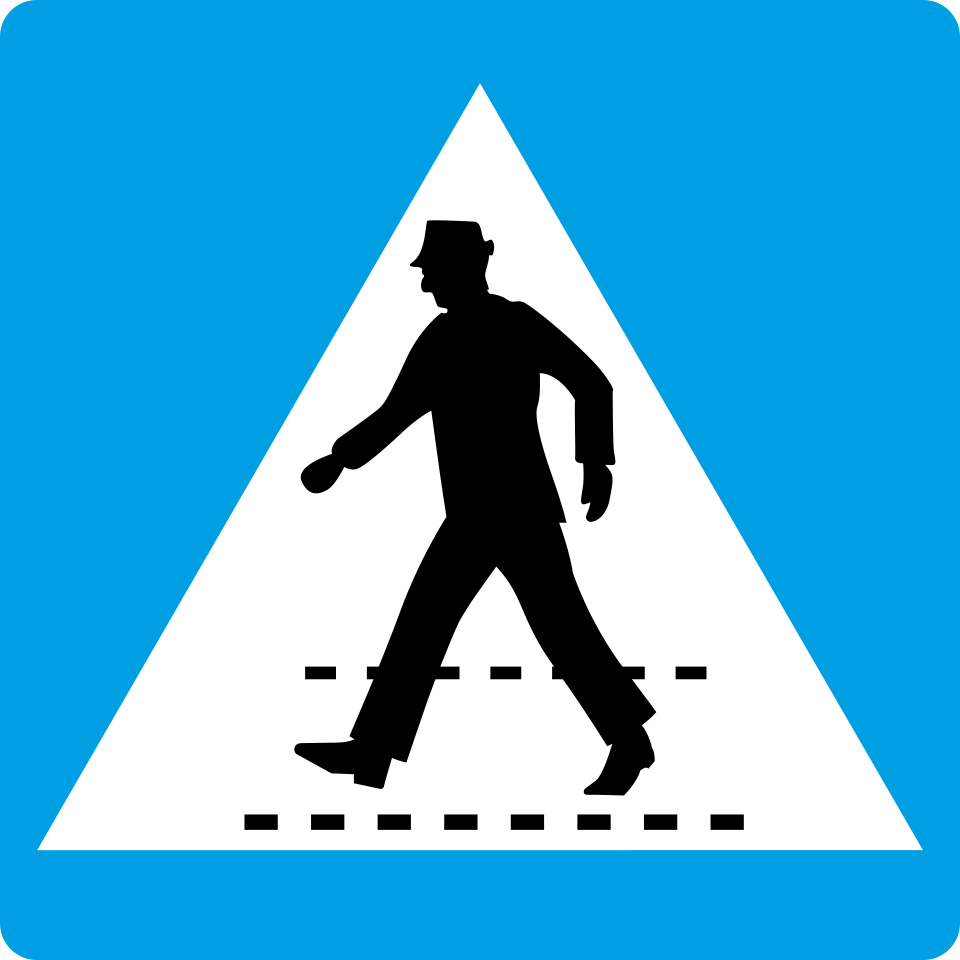
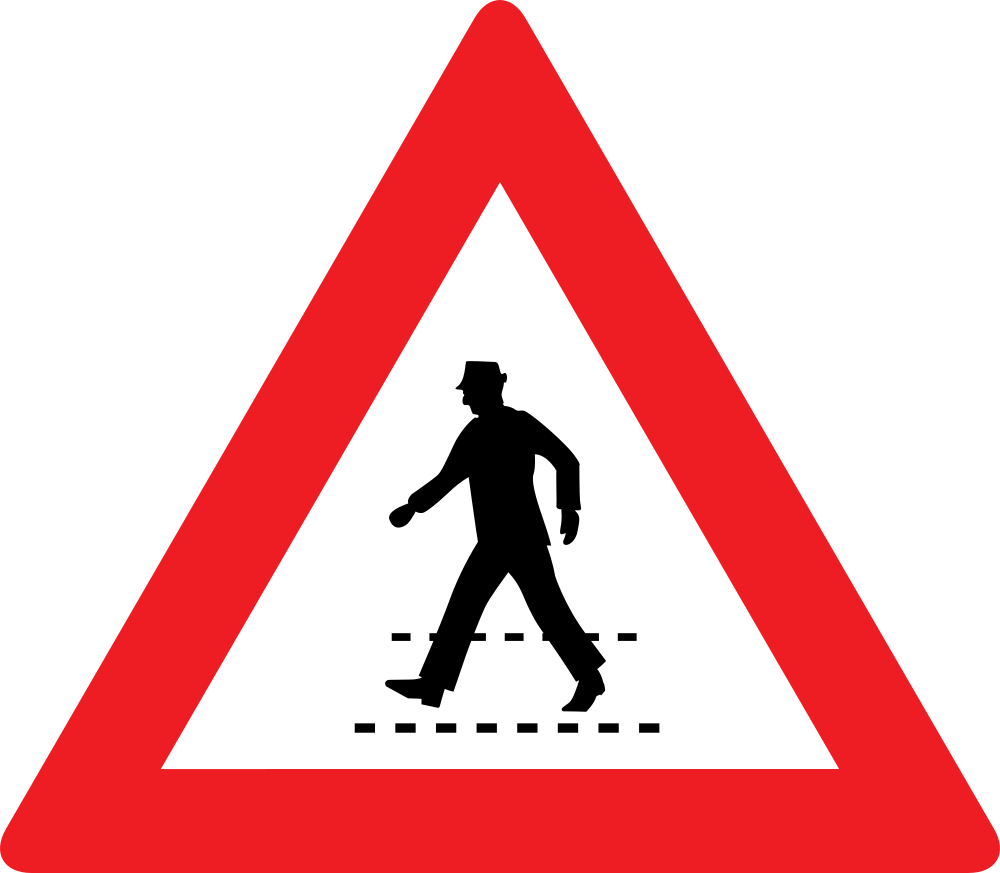
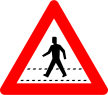
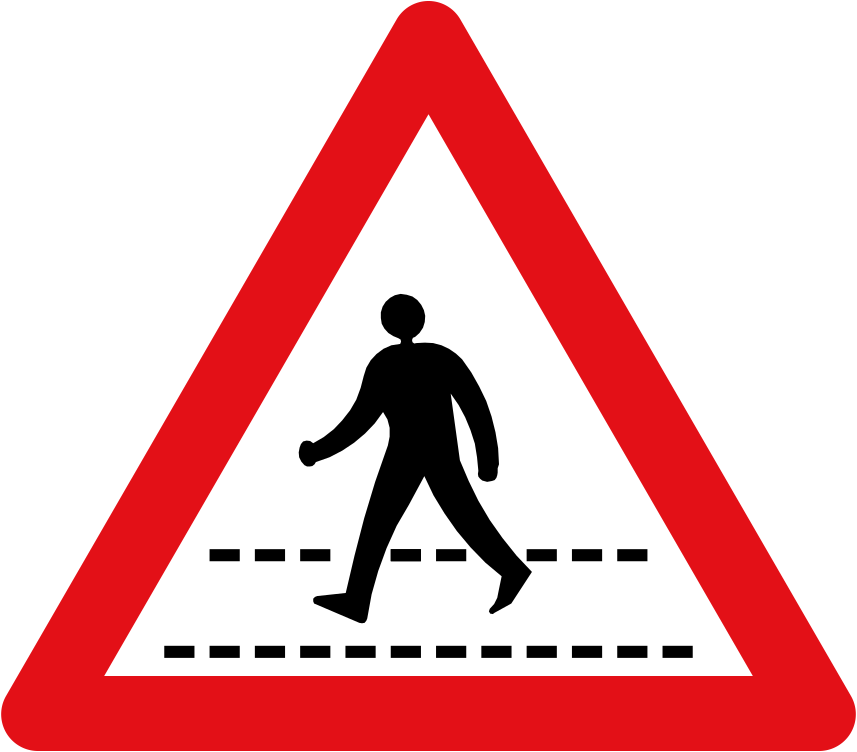
- Pedestrian crossing sign (Hinweiszeichen 2a): no zebra stripes but two horizontal dashed lines, and the man wears a hat. All neighbours show zebra stripes (dashed lines otherwise only in Belgium and Greece).
- Direction signs are white with a blue border and a unique font, often arrow-shaped; B-road numbers are a white number in a blue box. Town signs are also white with a blue border (Germany: yellow).
- One-way sign with the word “EINBAHN” – unique to Austria (Germany: “Einbahnstraße”).
Bangladesh
- Signposts often striped black and white.
- Bengali script – otherwise only in the Indian states of West Bengal and Tripura (Assam uses the almost identical Assamese script).
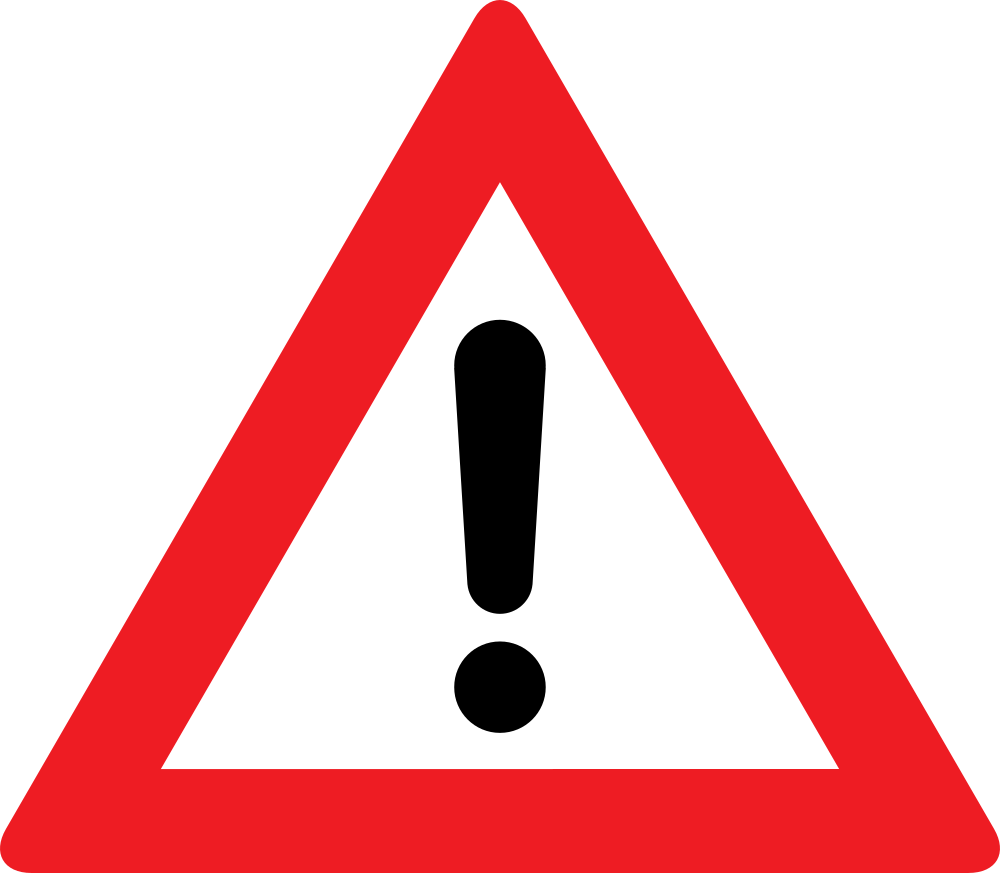
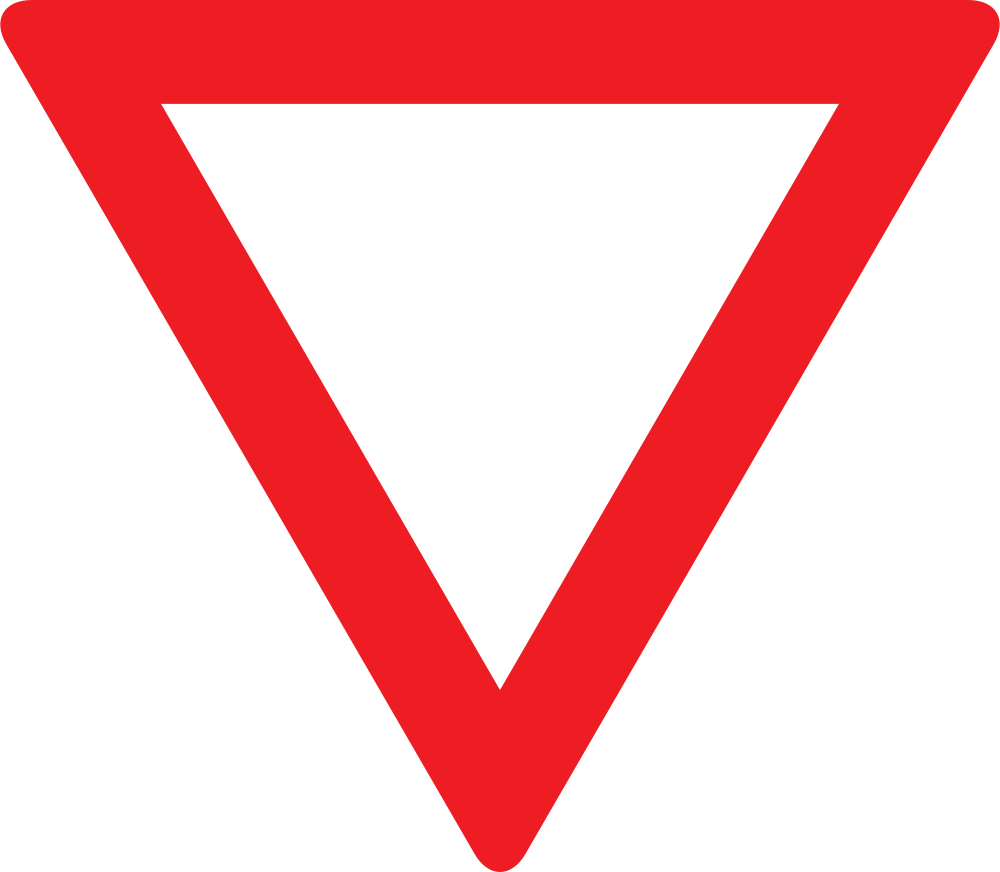
- British-style signs (BRTA manual 2000): warning signs are white triangles with a red border, no-stopping/no-parking blue discs with a red ring.
Belgium
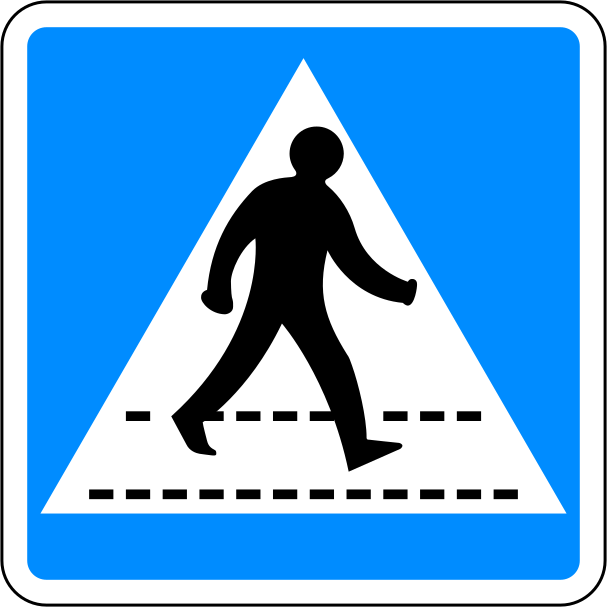
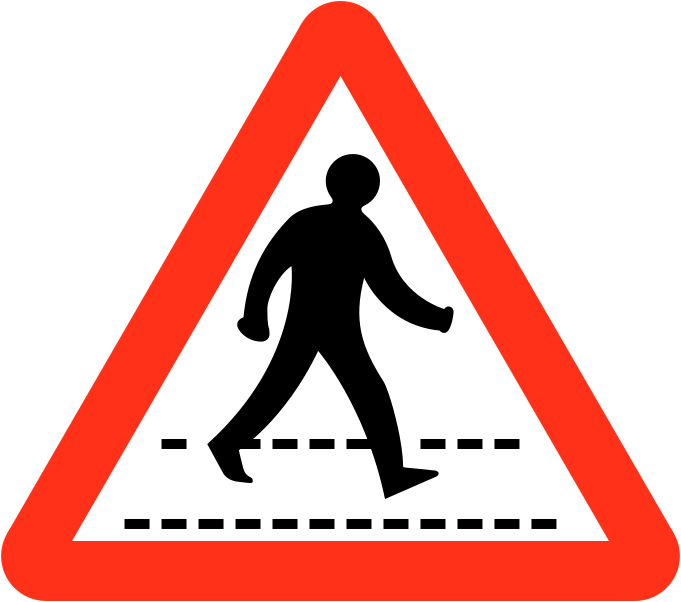
- Pedestrian crossing sign (F49) has no zebra stripes: two horizontal dotted lines, and the figure has a square head (France/Netherlands: zebra stripes).
- Priority road diamond is orange-yellow and much smaller than in other countries.
- Town entry sign is white with a black border and the municipality name in bold black.


Bermuda
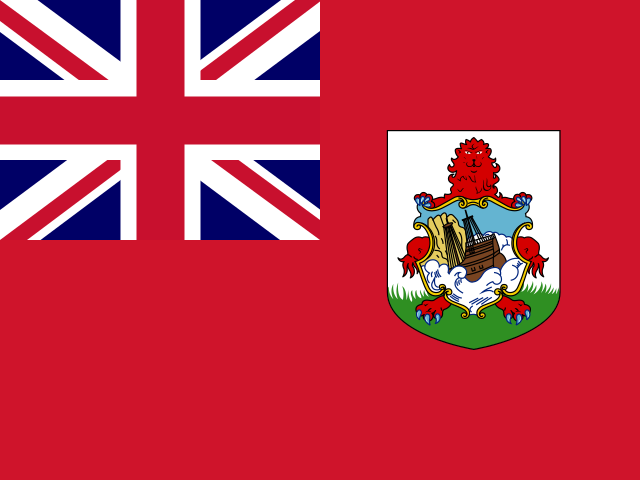
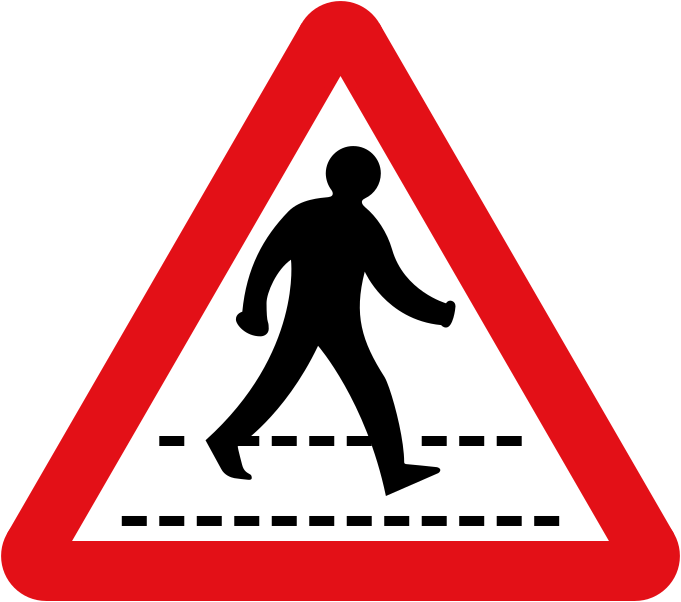
- Driving on the left; British-style signs, but speeds are in km/h (Bermuda variant of the UK speed sign with “km/h”).
- Almost all roads have a single solid yellow centre line and no edge lines; occasionally white zig-zag lines.
- Pastel-coloured stone houses with almost always completely white roofs, palms and strikingly light-blue sea.
Bhutan
- Road markers (milestones) with a yellow top and white bottom; on national highways the road number is on top – the best clue for narrowing down.
- Dzongkha script (Tibetan script) – on Street View only found in Bhutan.
- In towns, frequently red or blue signs showing the name of the town.
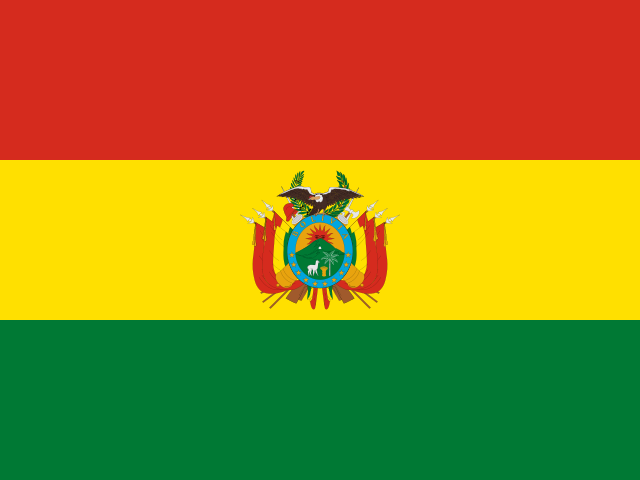
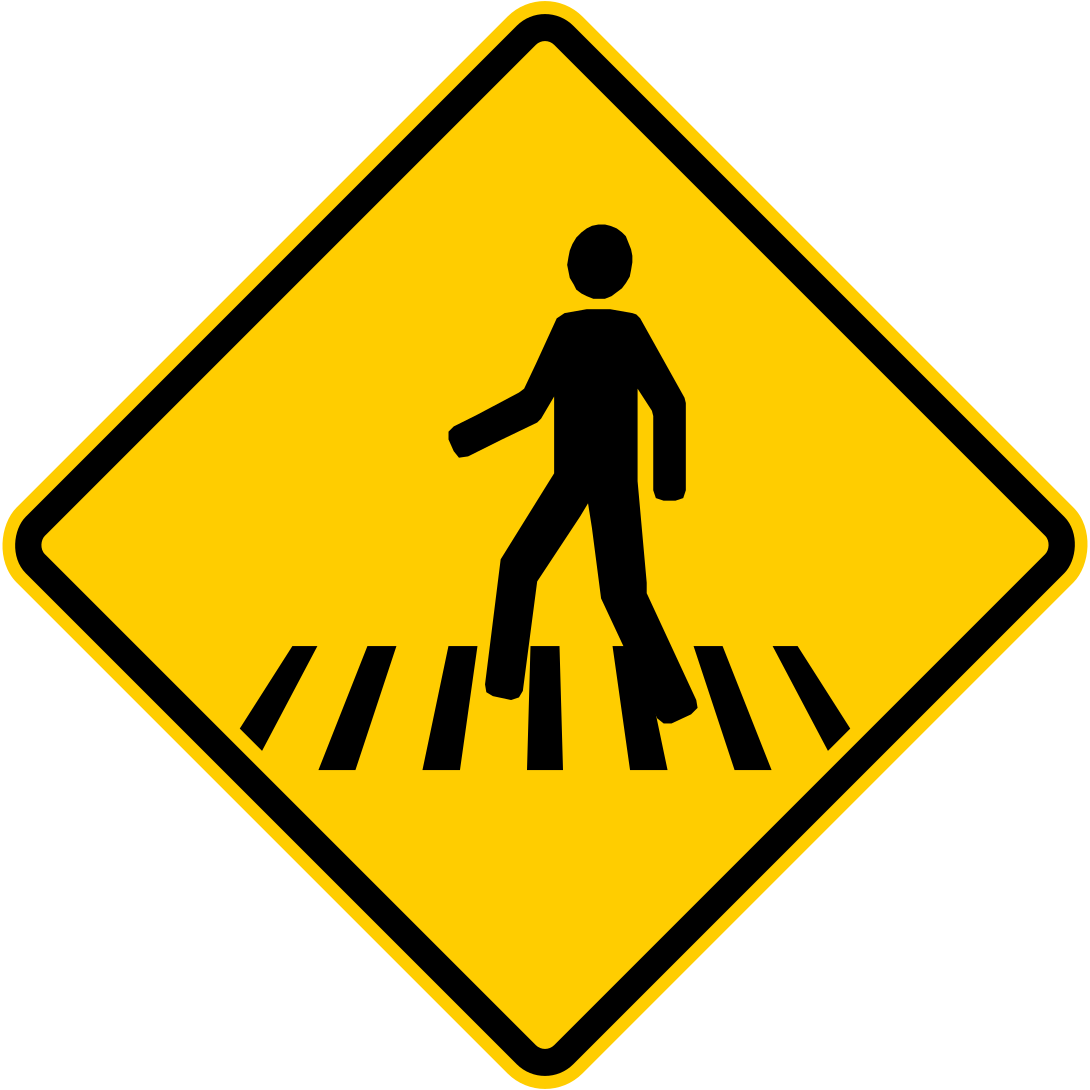
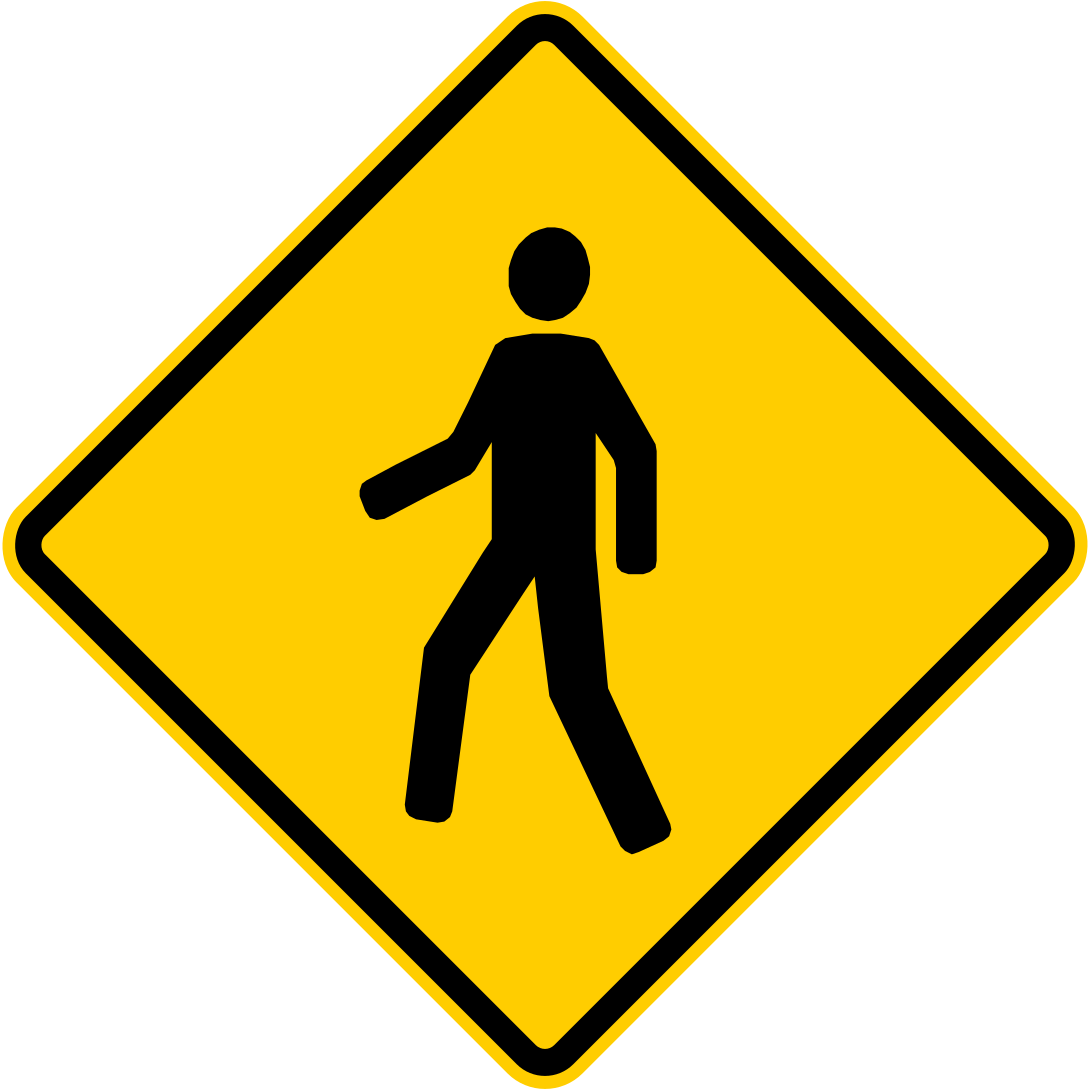
Bolivia
- Bulky, white, square sign posts – Peru instead has black-and-white striped posts.
- Kilometre markers black and white: black top with “Km”, white bottom with the number – no road number (Argentina shows it).
- Chevrons orange with a black arrow.
Bosnia and Herzegovina
- Signs are in two scripts: Latin and Cyrillic (e.g. Mostar / Мостар) – Croatia and Montenegro use Latin only.
- Direction signs yellow with a black border and black text; motorway green with white text.
- Town sign yellow with a black border, name in Latin with Cyrillic below; Latin-only variants also exist.
Botswana
- Unique black-and-yellow striped sign posts (rarely red-and-white) – in southern Africa only in Botswana.
- Many older warning signs with a blue inner field (white symbol, red border) remain – otherwise the white SADC design as in South Africa.
- Green direction signs with yellow A numbers (e.g. A1, A12) – South Africa has no A roads.
Brazil
- Sign backs mostly painted black – elsewhere in South America also common in Peru and Paraguay.
- Chevrons: yellow arrows on a black background – almost everywhere else in South America it is the other way round (black on yellow/orange), Argentina red on white.
- Blue kilometre signs with the road number (e.g. “BR-020 · km 12”); federal road shield: white shield with a black “BR-116”.


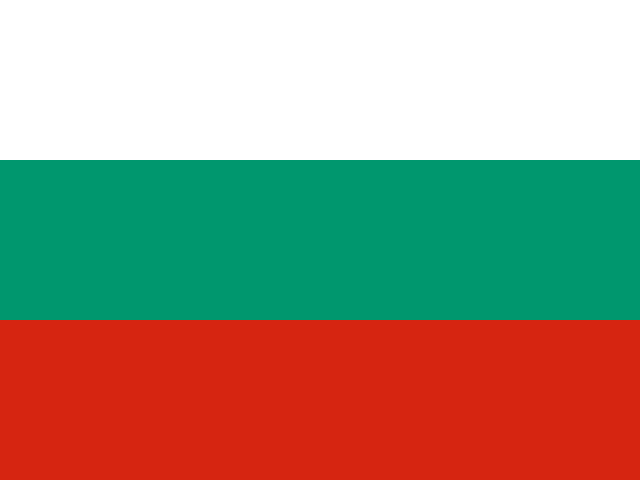
Bulgaria
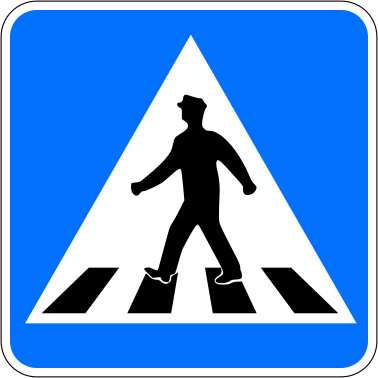
- Pedestrian crossing sign with four stripes and a figure wearing a hat – no other eastern or central European country uses four stripes.
- Direction signs arrow-shaped, blue on ordinary roads, green on motorways – place names on two lines, Cyrillic and Latin; the two lines are visible from afar (Romania: one line).
- Town sign white with a black border, the name in Cyrillic and Latin one above the other.
Cambodia
- Chevrons are black with yellow arrows – in Thailand and Laos it is the reverse (yellow with black arrows). Curves are often marked with bollards instead.
- Stop signs are bilingual: Khmer “ឈប់” with “STOP” below.
- Warning signs are yellow diamonds (US style), while regulatory signs are European-style circles.
Canada
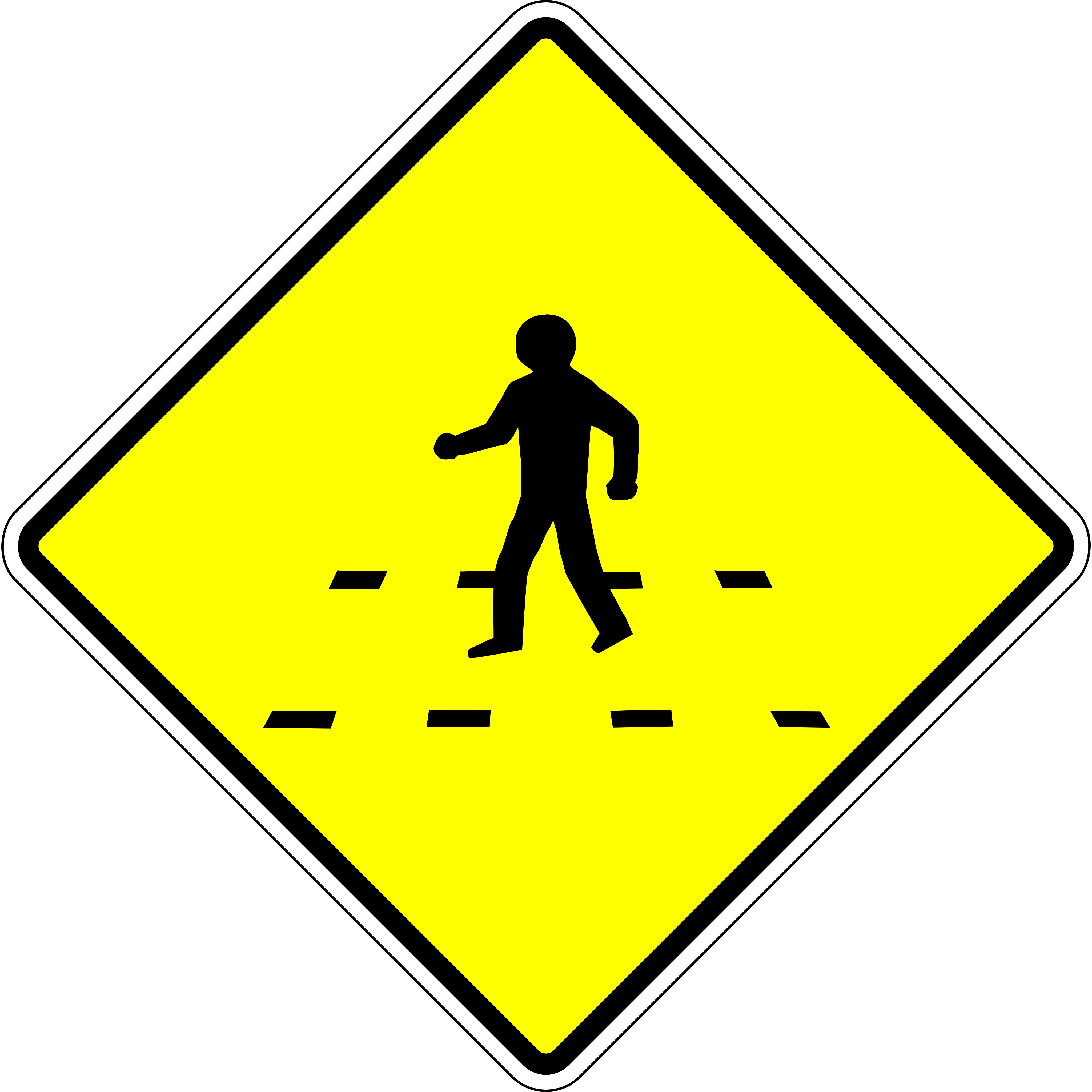
- Speed sign with “MAXIMUM” (one line) in km/h – higher numbers than in the US. Ontario often adds a black “km/h” strip at the bottom, BC shows “km/h” without the black strip.
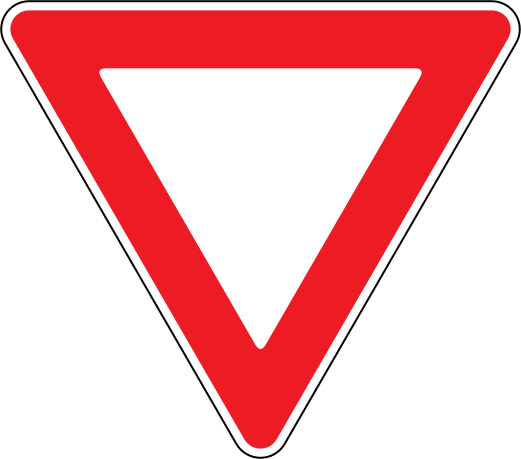
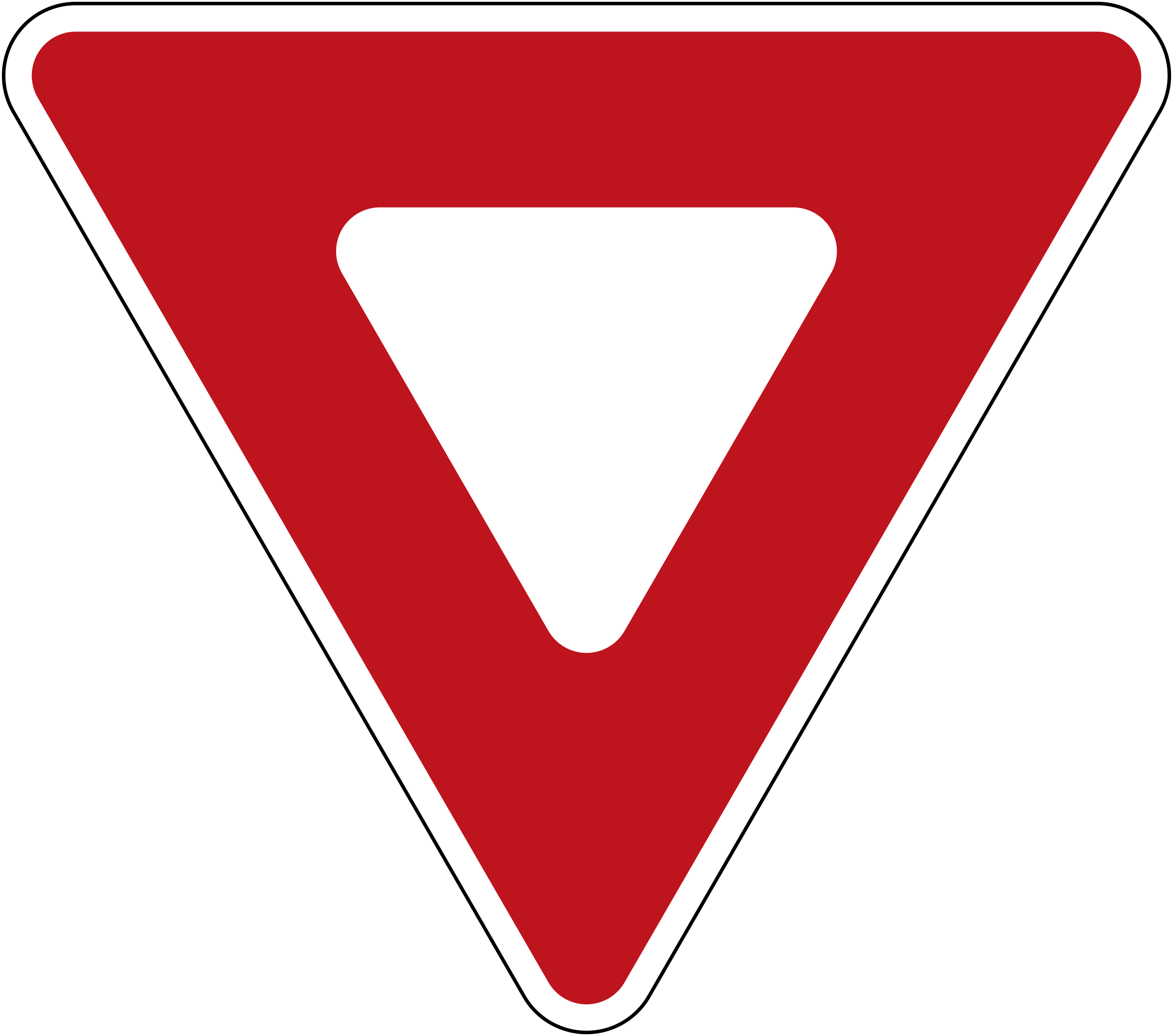
- Less wordy than the US: yield triangle without “YIELD”, railway crossbuck usually without text.
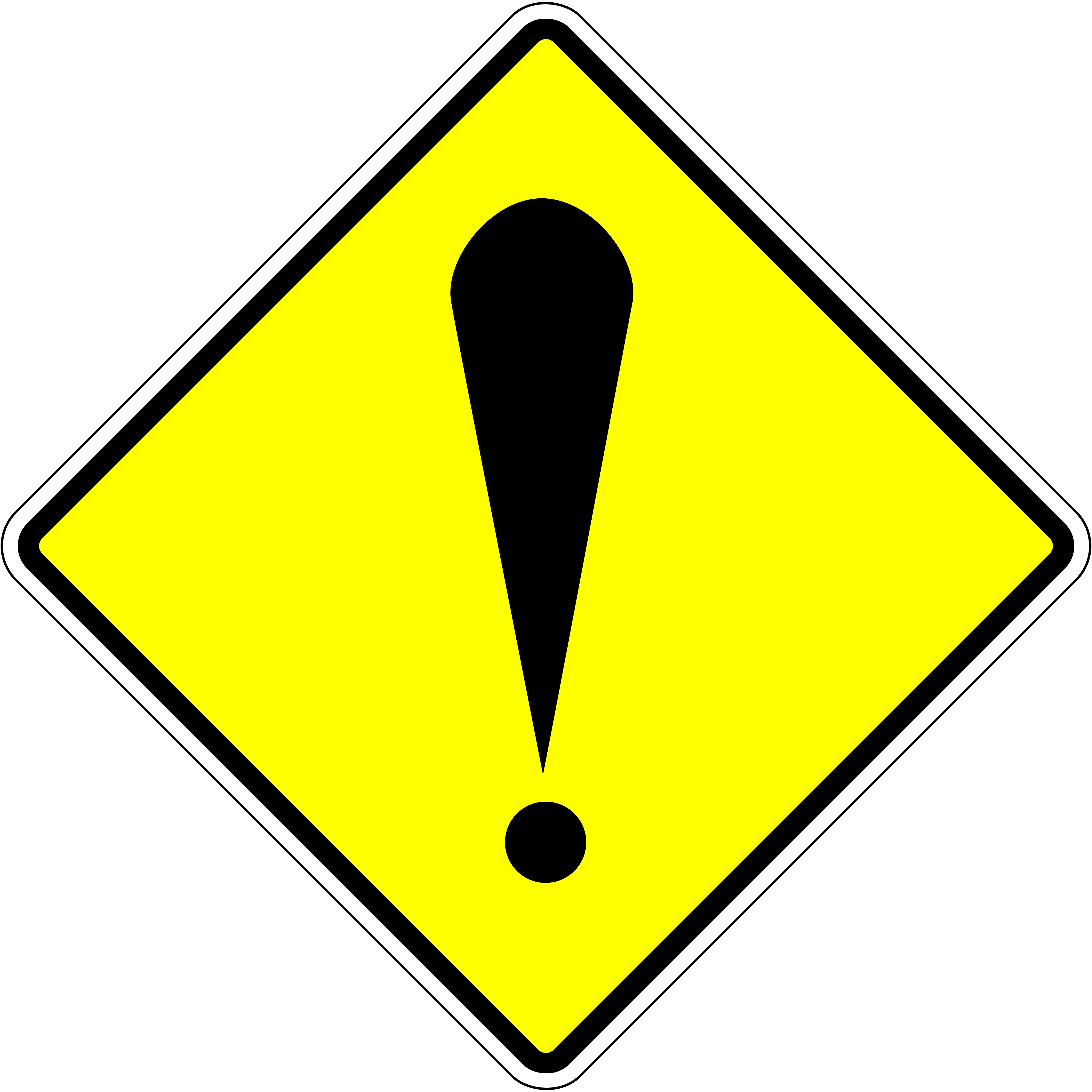
- Diamond-shaped T-intersection signs (black-and-yellow chequerboard) exist only in Canada (US: rectangular); Québec's lack the chequerboard, Newfoundland's have a yellow rectangular frame.
Chile
- Chevrons yellow with black arrows – neighbouring Argentina uses white with red arrows.
- Since 2012 its own typeface “Ruta CL” on direction signs (wide, rounded letters, mixed case) – before that Highway Gothic as in Argentina.
- Direction signs green with white lettering and a white border; motorway information signs (start/end of autopista, exit) blue.
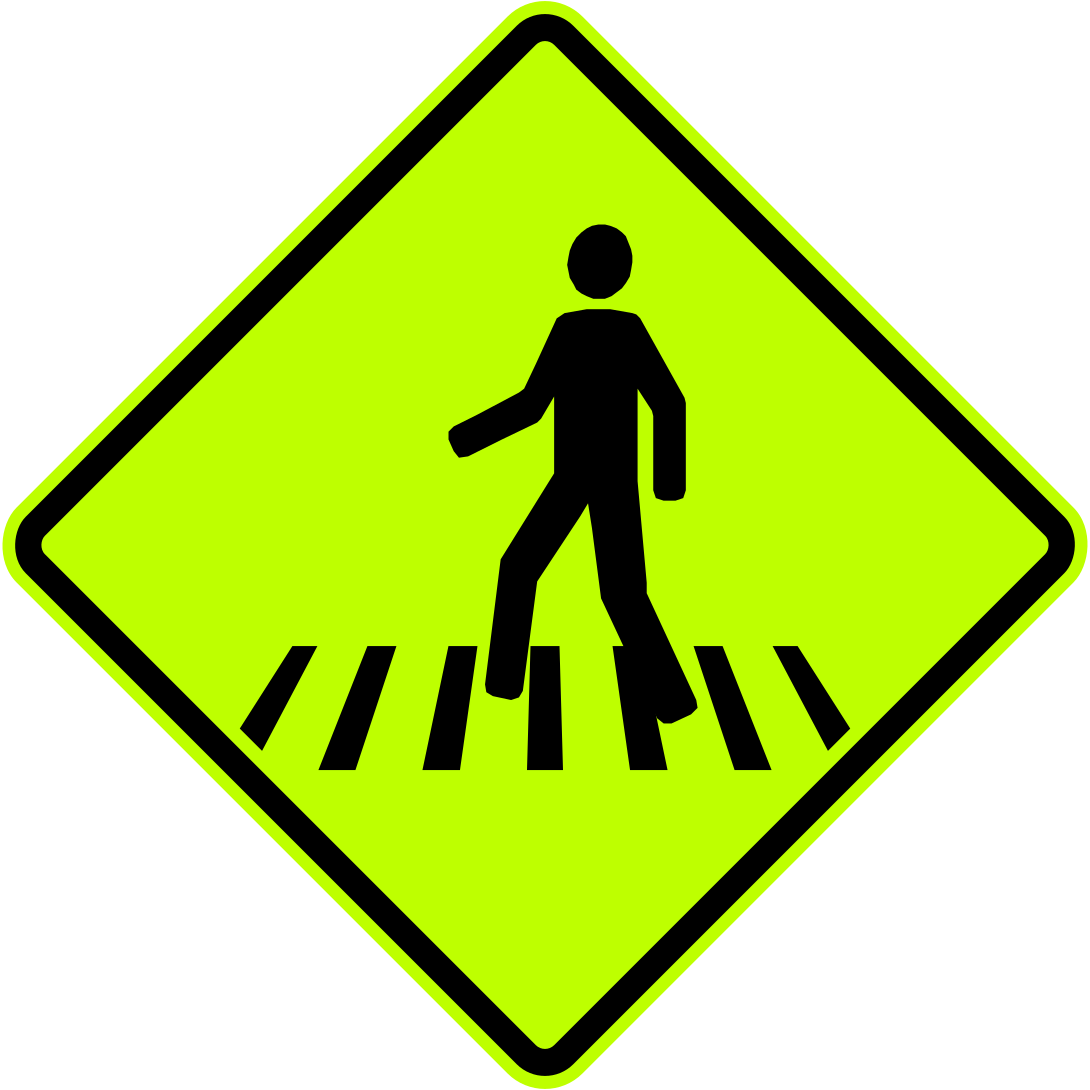
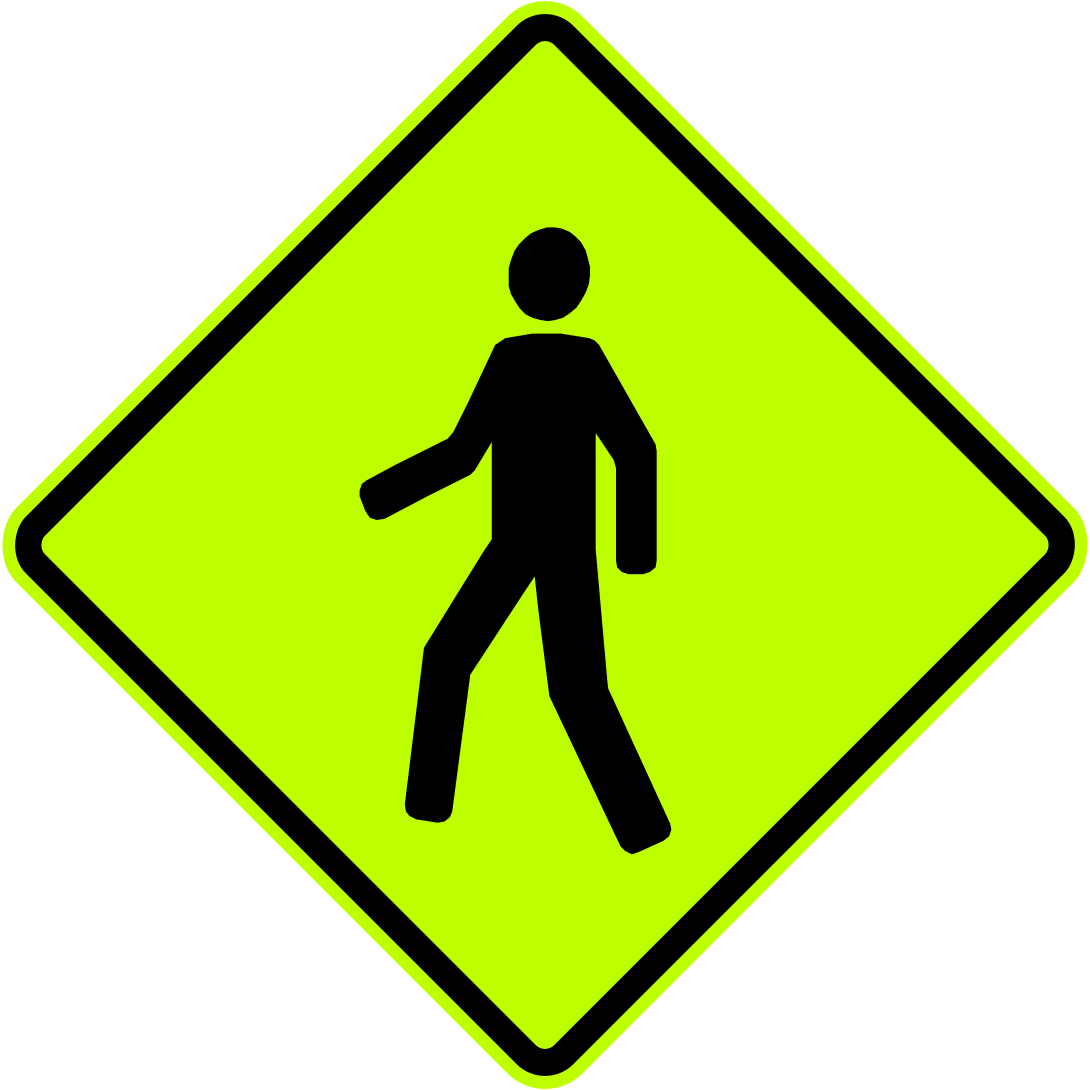
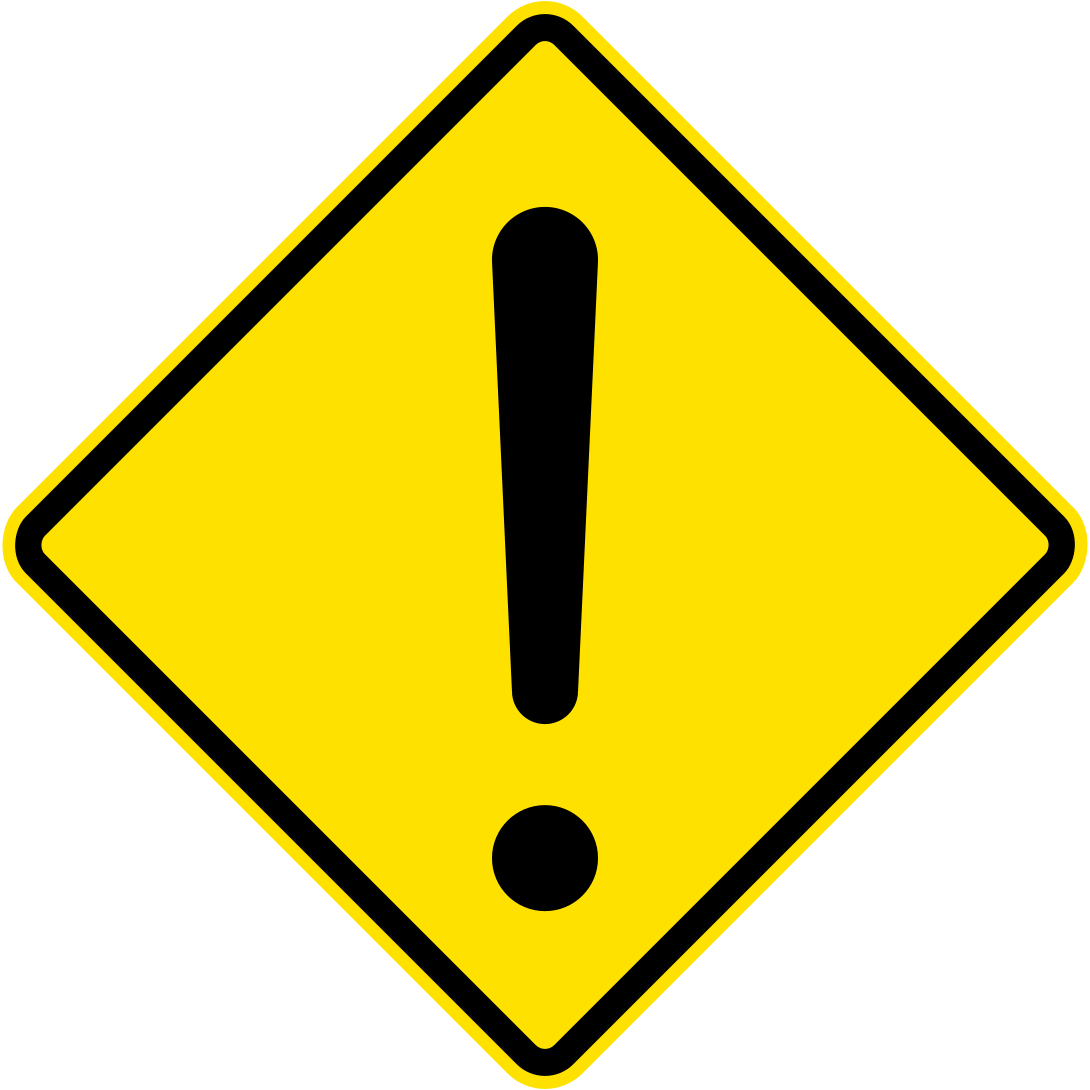
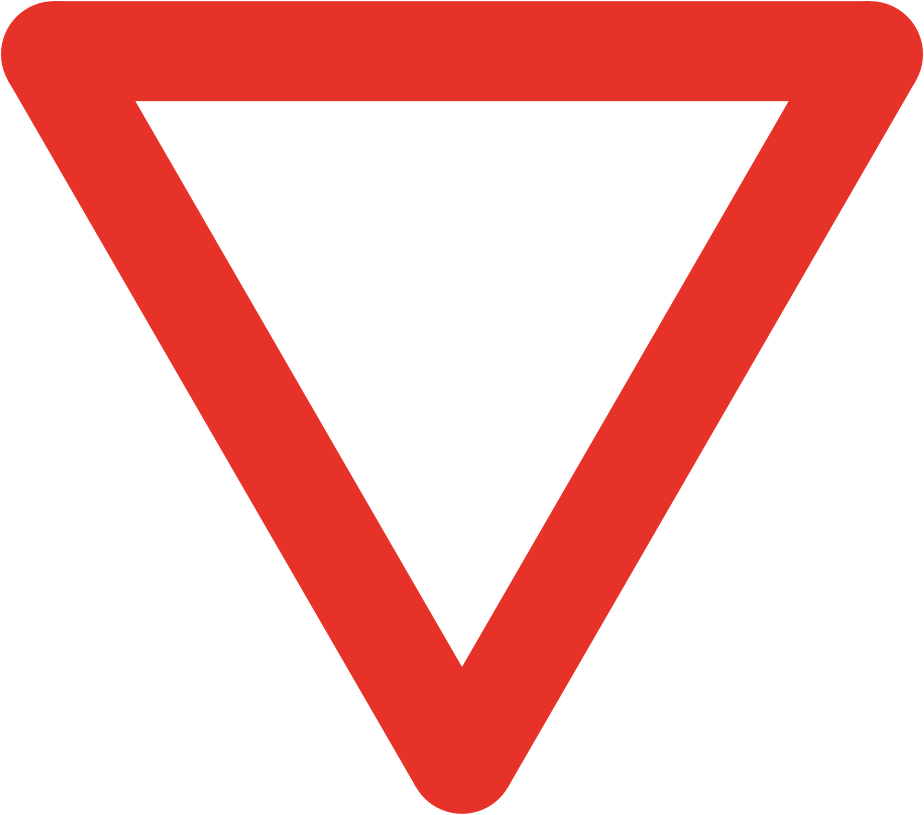
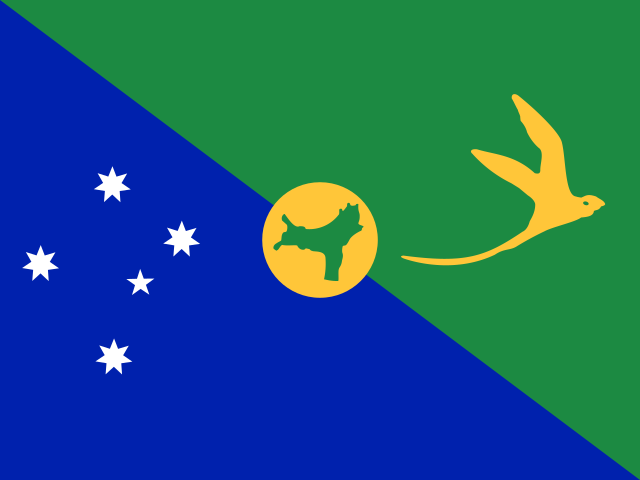
Christmas Island
- Signs follow the Australian standard: speed limit on a white rectangle, green direction signs.
- Many signs refer to the red crabs (crab migration) – typical of Christmas Island.
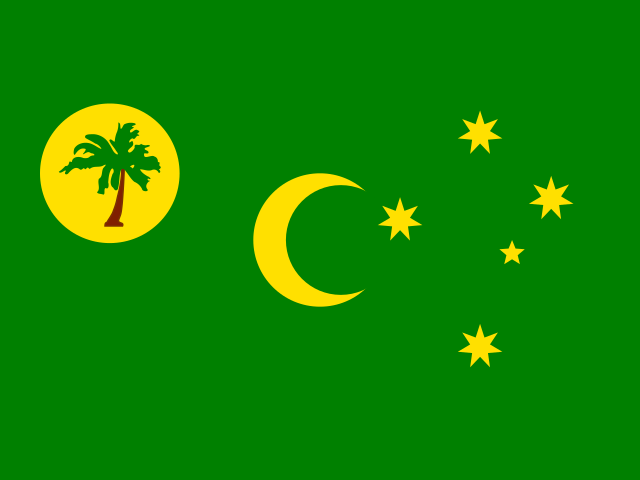
Cocos (Keeling) Islands
- “GIVE WAY” signs with a red “KASI JALAN” plate (Cocos Malay) below – found only here.
- Otherwise the Australian sign standard.
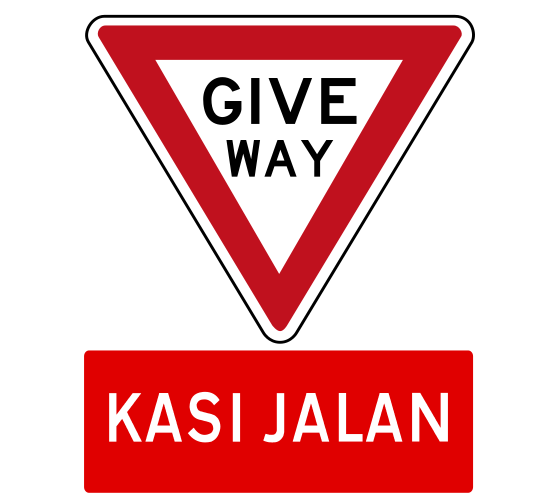
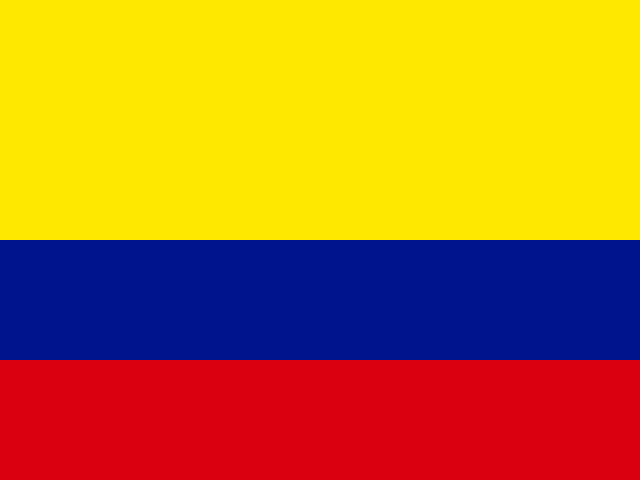
Colombia
- “PARE” on stop signs (South America).
- White metal signposts that form a distinct cross on the back of signs.
- Pedestrian and school signs in fluorescent yellow-green.
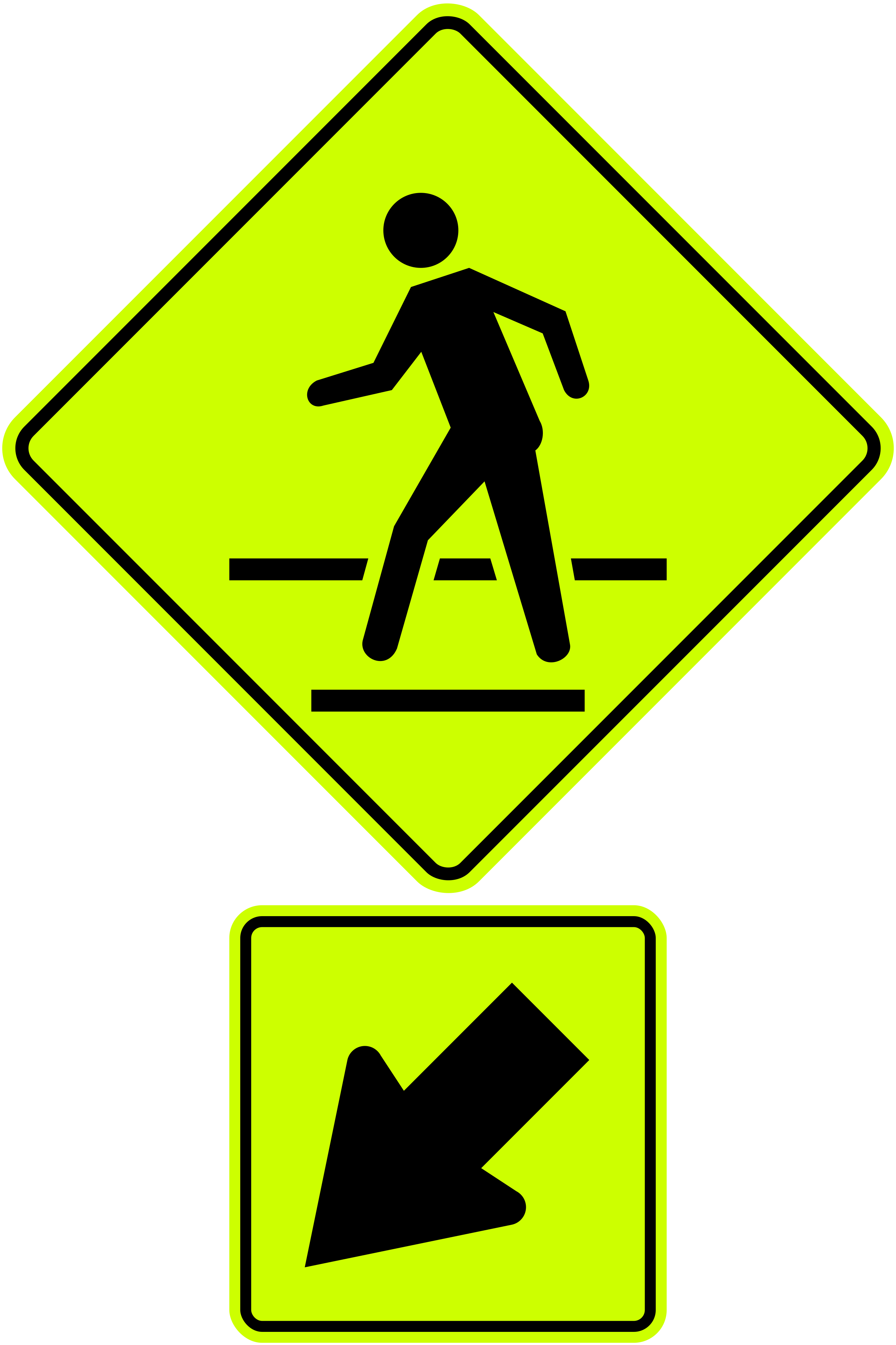
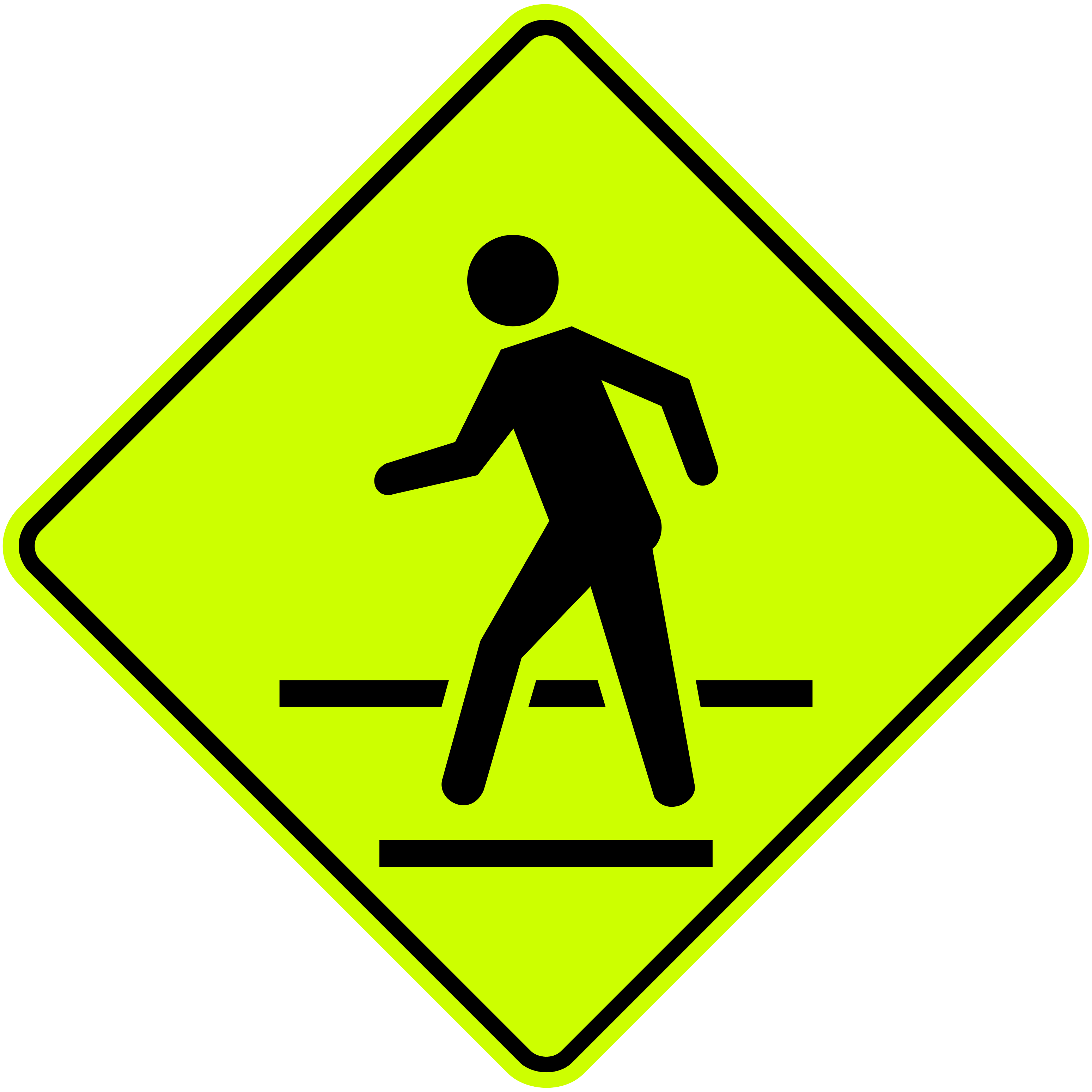
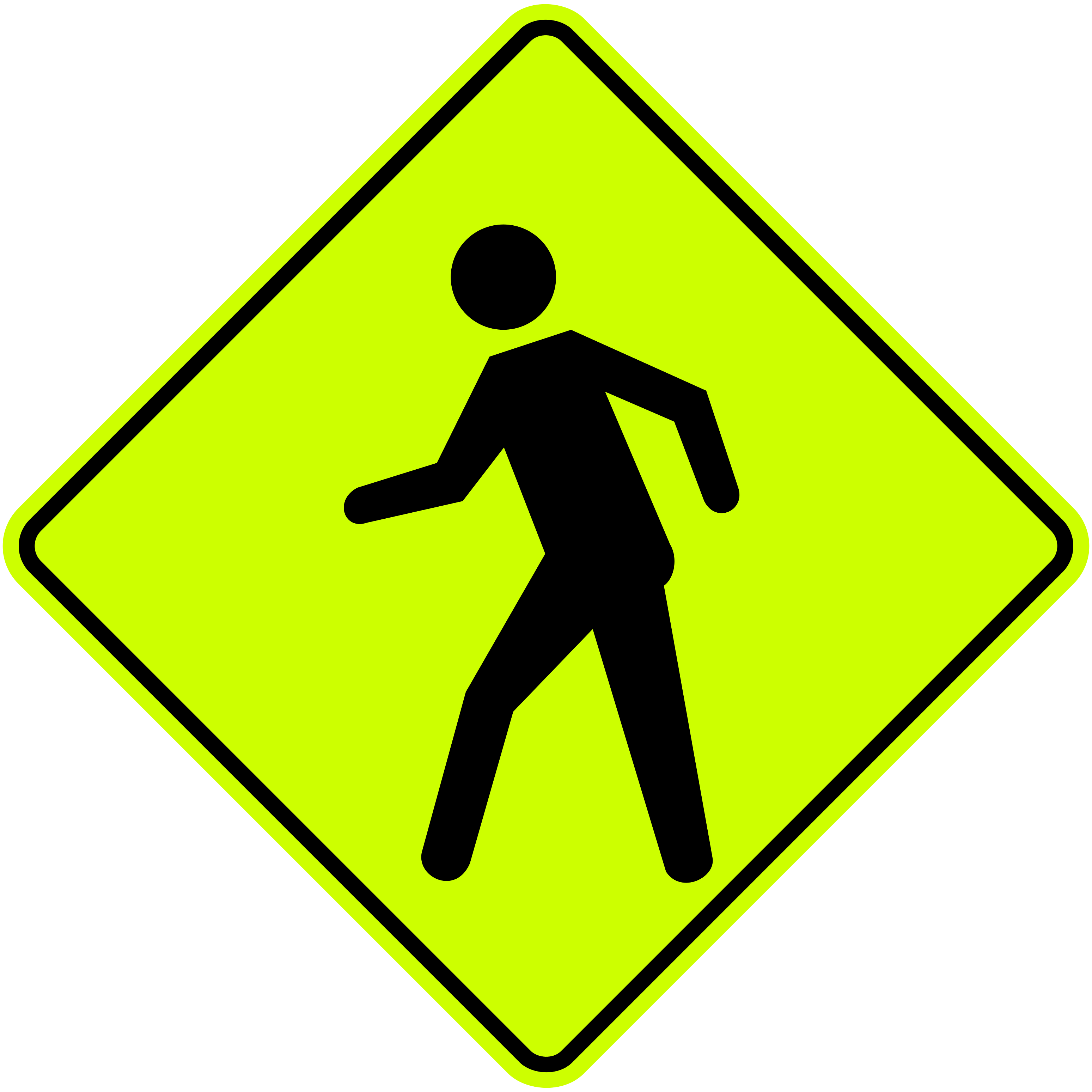
Costa Rica
- “ALTO” on stop signs – like Mexico, Guatemala and Panama (Panama has a thicker font).
- Many signs, especially diamond warning signs, have a distinct cross on the back – similar to Colombia, which however uses white posts.
- National route shield looks like a US shield: white with “COSTA RICA” above the number – on direction signs and on kilometre posts.
Croatia
- Direction signs yellow with a black border, often with a “pencil-shaped” tip; motorway green. Similar yellow signs in Slovenia, Serbia, Montenegro and North Macedonia.
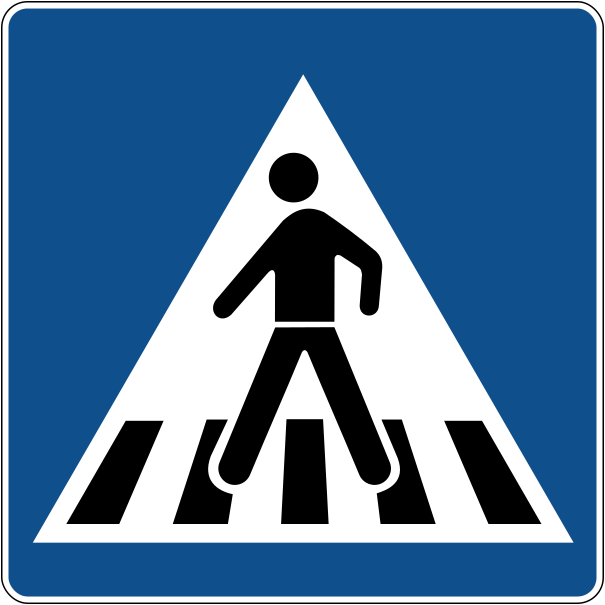
- Pedestrian crossing sign: figure with a belt and a zebra with five stripes – Slovenia's figure has no belt.
- Chevrons: red arrow on a yellow or white background.
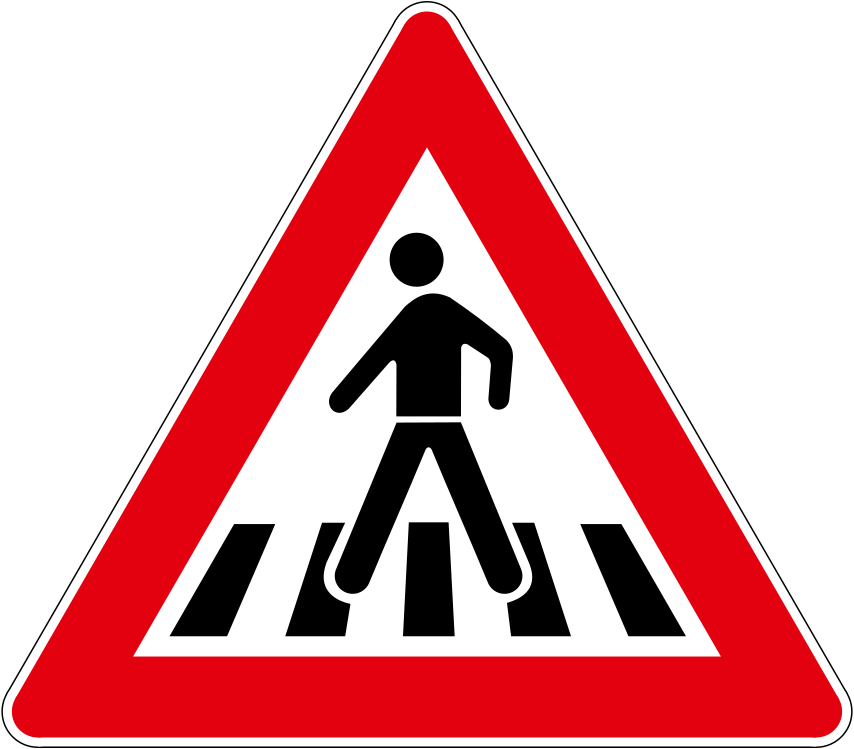
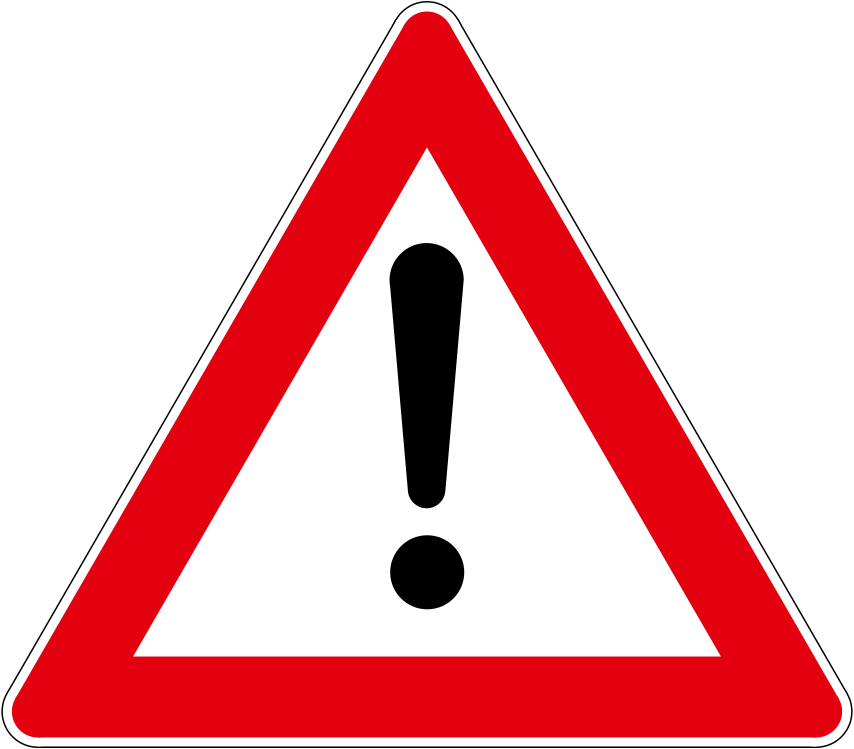
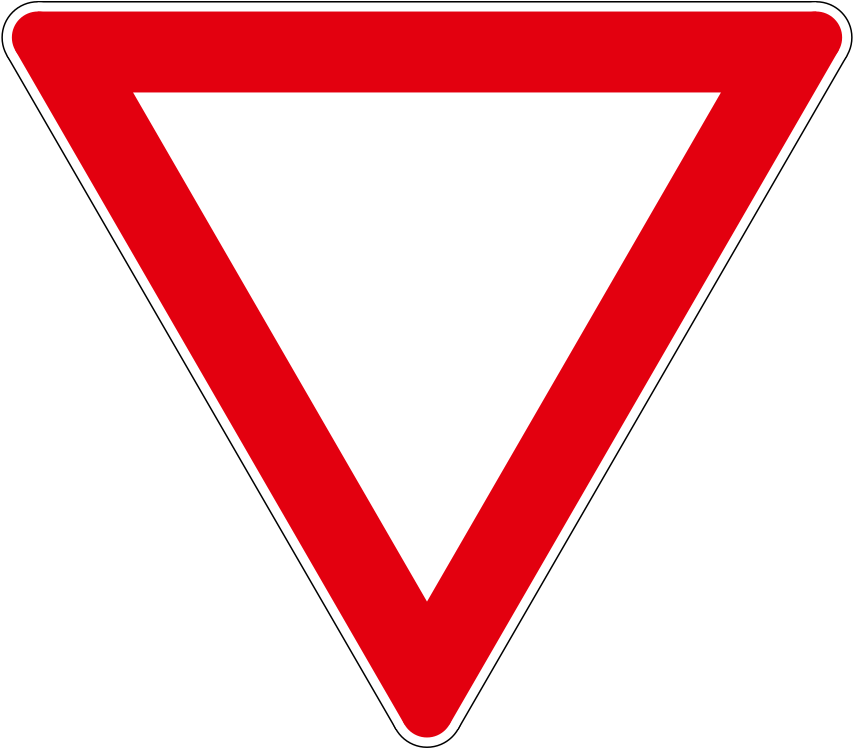
Curaçao
- The coloured border of road signs (red or blue) continues onto the back of the sign.
- Blue street-name signs on top of yellow signposts.
- Traffic-light posts striped black and white.
Czechia
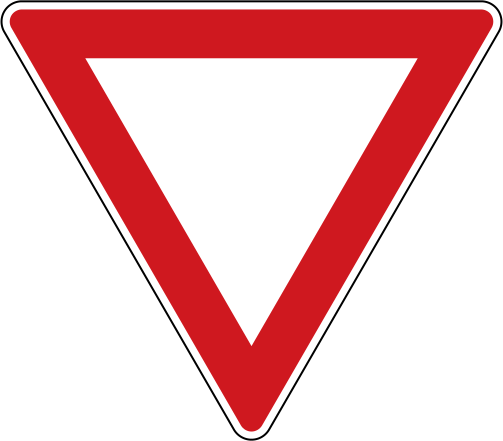
- Direction signs are arrow-shaped with a filled tip (blue; green towards motorways) – recognisable even from behind. Slovakia: rectangular with small white arrows.
- The red or white sign border is almost always set in from the edge (thin strip in background colour) – in Slovakia the border sits right on the edge.
- Fairly thin font on road signs (like Germany/Luxembourg); Slovakia uses a much bolder font.
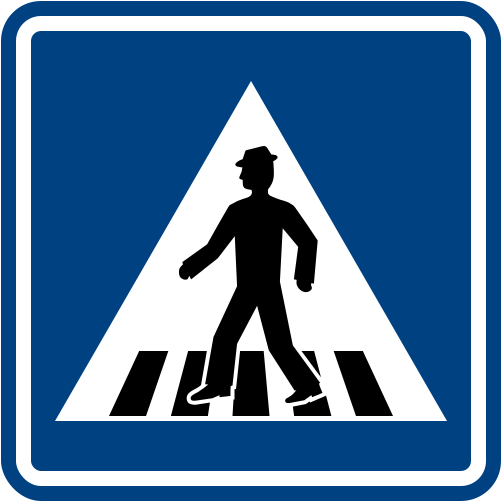
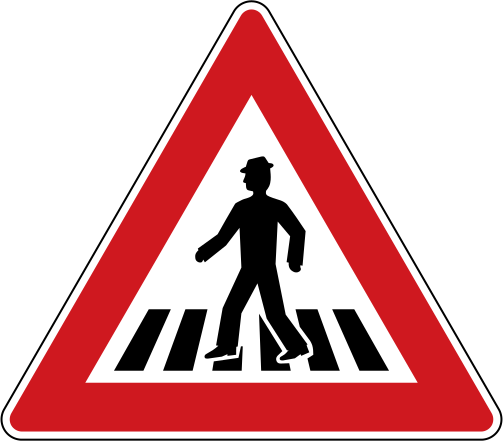
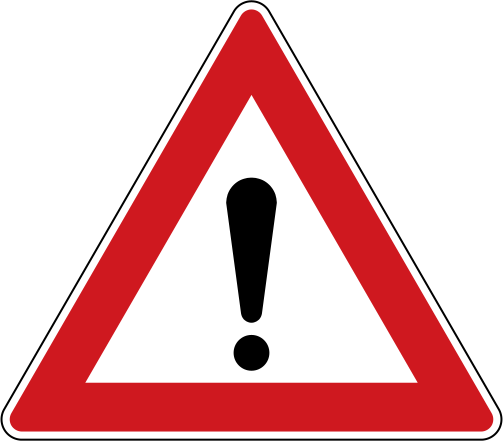
Denmark
- Direction signs sit low and are often framed by pipes; arrow-shaped, white with red or blue text and border – the arrow is built into the sign shape.
- Unique sign post: the pipe frame is bent around the sign – found only in Denmark.
- Motorway direction signs are blue or green; primary route numbers sit in yellow boxes with black digits.
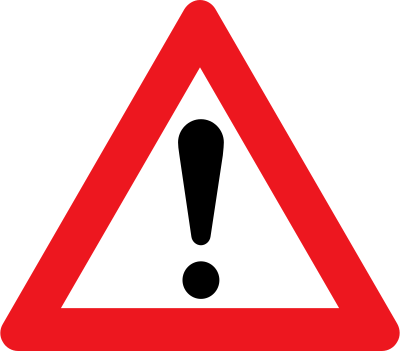
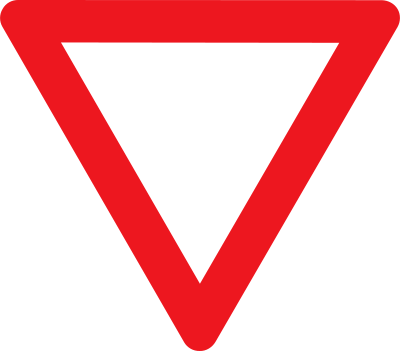
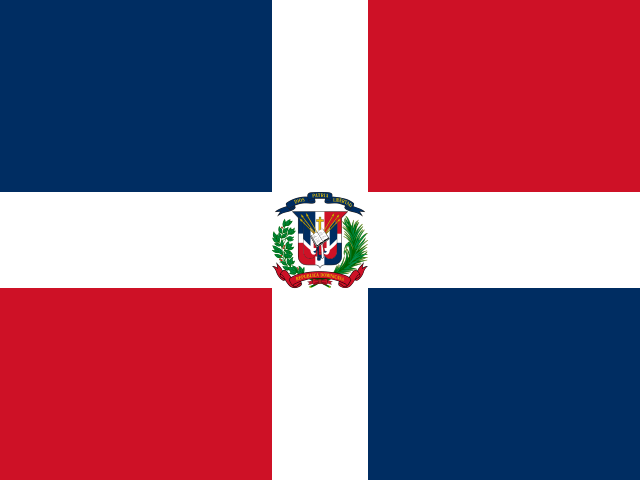
Dominican Republic
- Despite being in the Caribbean: “PARE” on stop signs – like South America and Puerto Rico, not “ALTO” as in Central America.
- Many signs are mounted on yellow signposts.
- One-way and two-way signs with text inside the arrow (“UNA VIA”, “DOBLE VIA”) – elsewhere in Latin America only Puerto Rico and Ecuador.
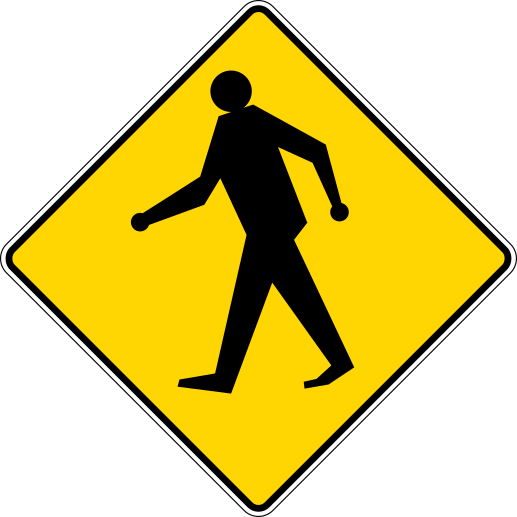
Ecuador
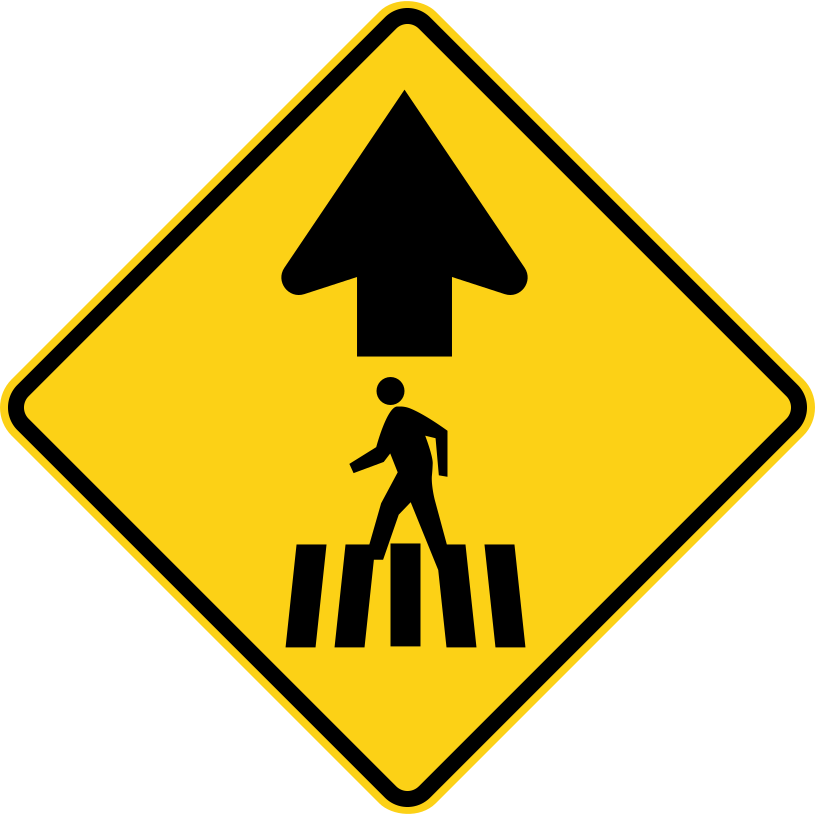
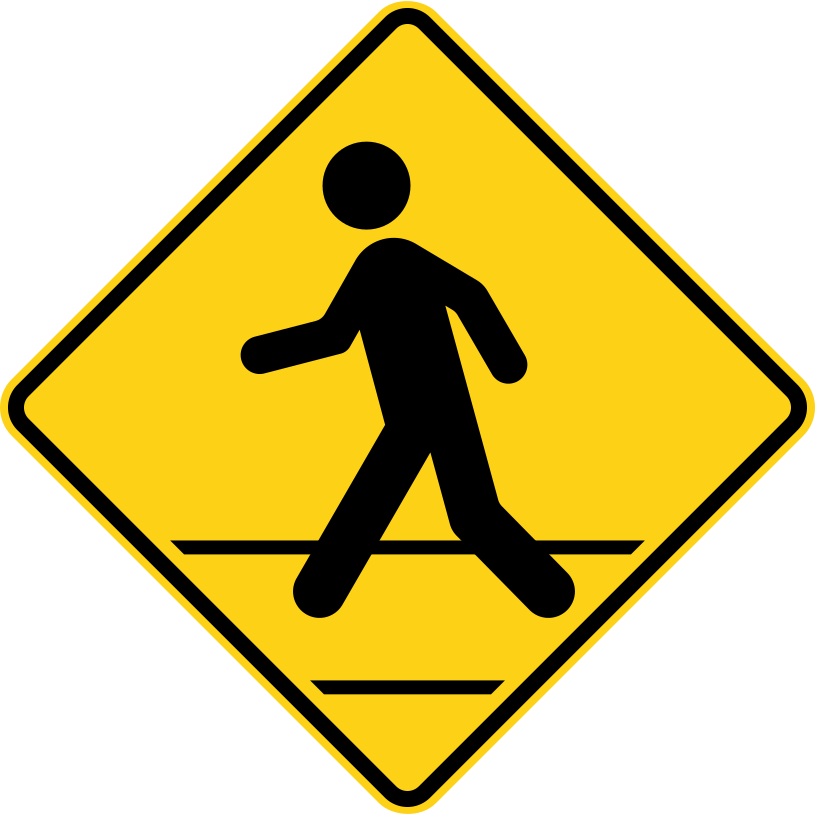
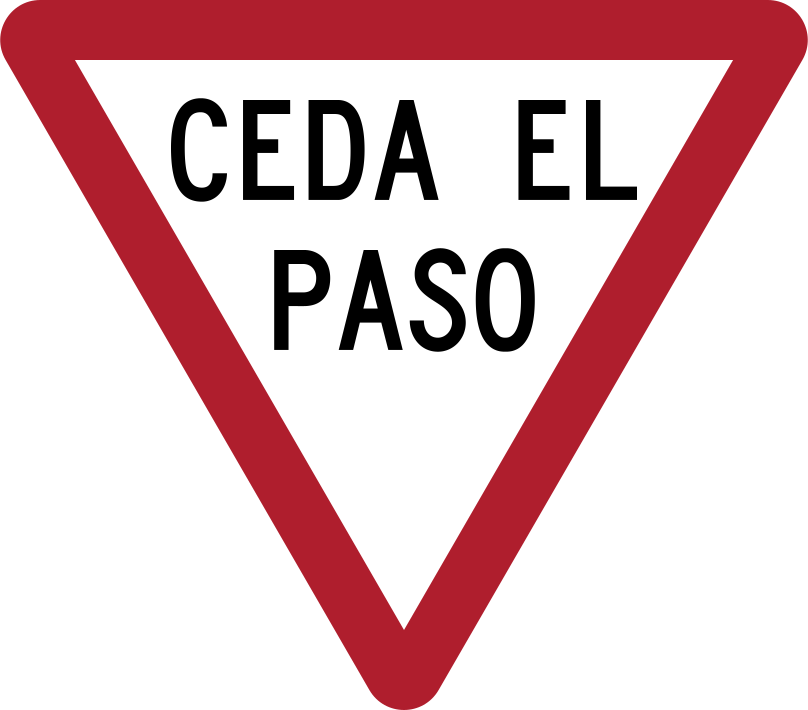
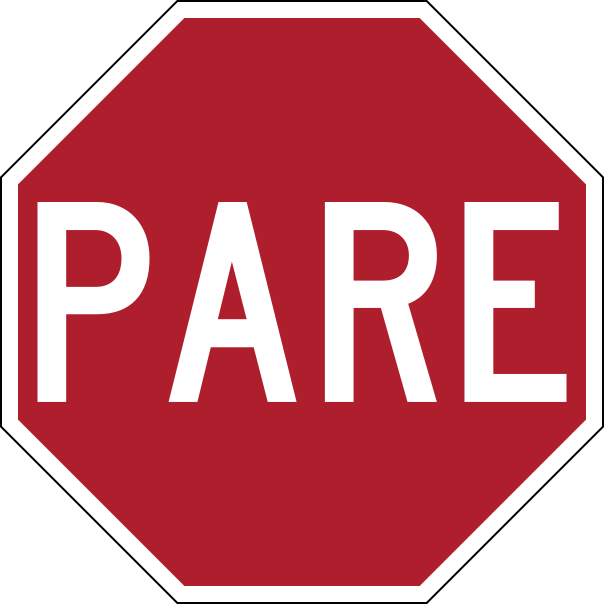
- Lots of chevrons in curves (“chevron spam”) – more than most Latin American countries.
- Sign backs sometimes painted teal blue, thin metal posts – unique in Latin America.
- One-way signs with text inside the arrow (“UNA VIA”) – elsewhere only the Dominican Republic and Puerto Rico.
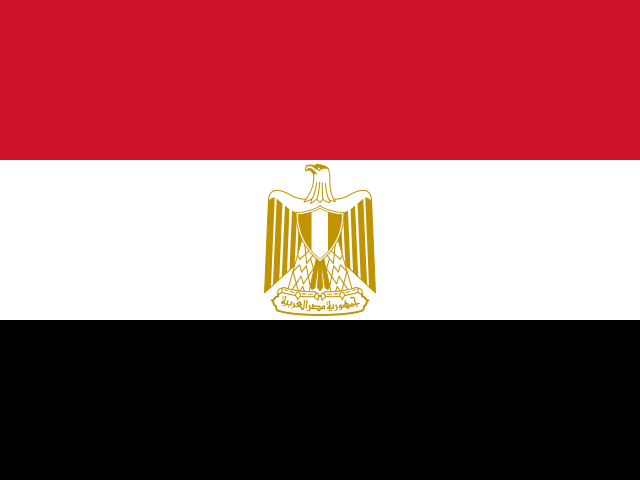
Egypt
- Coverage consists only of trekkers (Cairo and Alexandria) – you will hardly see any road signs.
- If text appears, it is Arabic – English or French are rare in these trekkers.
- Landmarks are the real giveaway: Giza pyramids, Cairo Citadel, Qaitbay Citadel in Alexandria.

Estonia
- Warning and speed signs have a thin red border with no white outline – the red runs to the edge (Latvia thick + white rim, Lithuania thin + white rim).
- Pedestrian crossing: 3 stripes, fairly detailed figure with shoes and an attached head (Lithuania also 3 but simpler figure; Latvia 5).
- Chevrons red with white arrows (as in Russia and Ukraine) – Latvia and Lithuania the other way round.
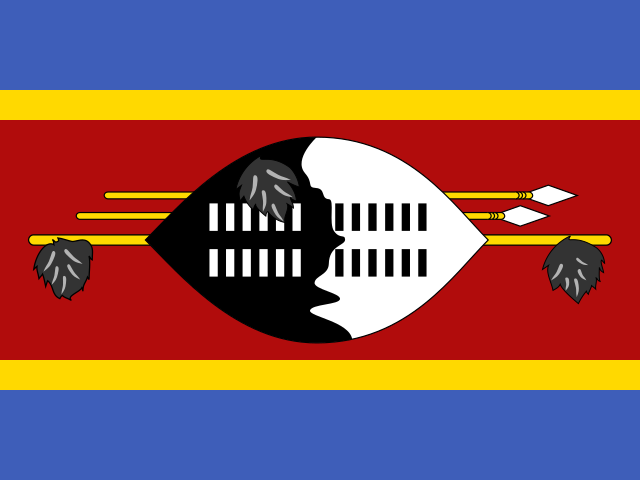
Eswatini
- Same SADC sign system as South Africa; “MR” road numbers (Main Road, e.g. MR3) are unique to Eswatini.
- Blue direction signs (expressway class, e.g. on the MR3) and green signs; numbers in yellow, sometimes in brackets “(MR19)”.
- Warning signs white with red border; large single red chevrons on white at bends.
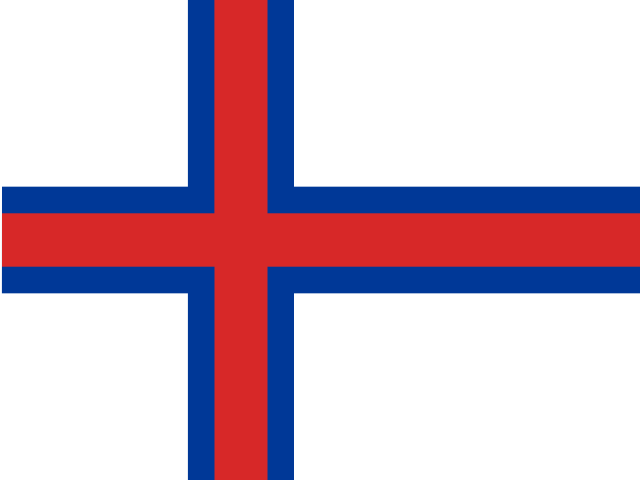
Faroe Islands
- Direction signs yellow with a thin black border and a metal frame – very similar to Iceland.
- Town sign yellow with a black house silhouette; the place name sits on a separate yellow plate below.
- Warning signs white with a red border following the Danish model – Iceland uses yellow.
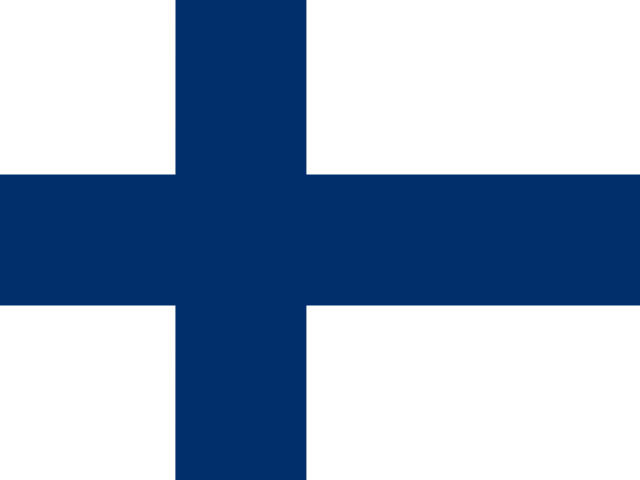
Finland
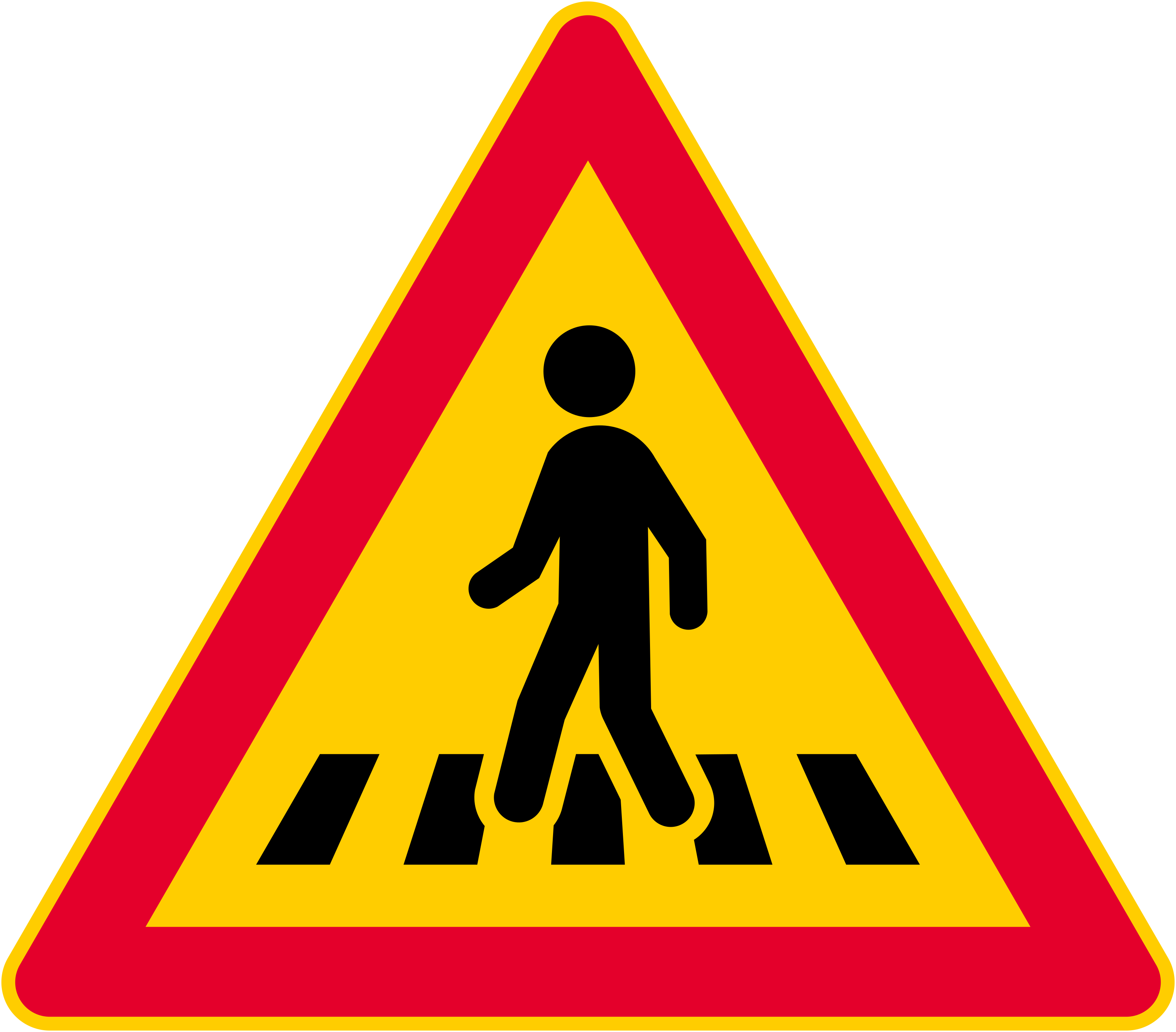
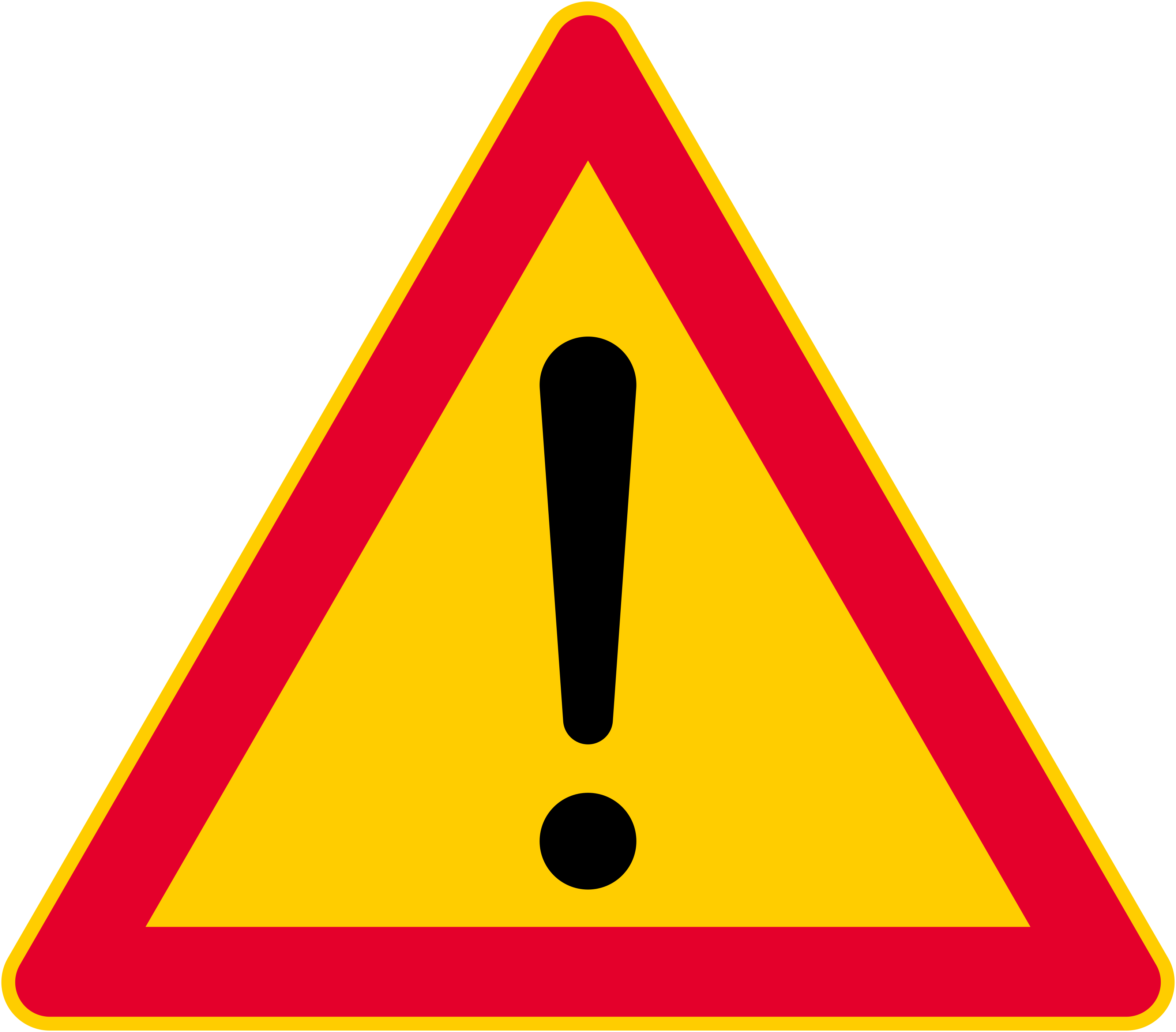
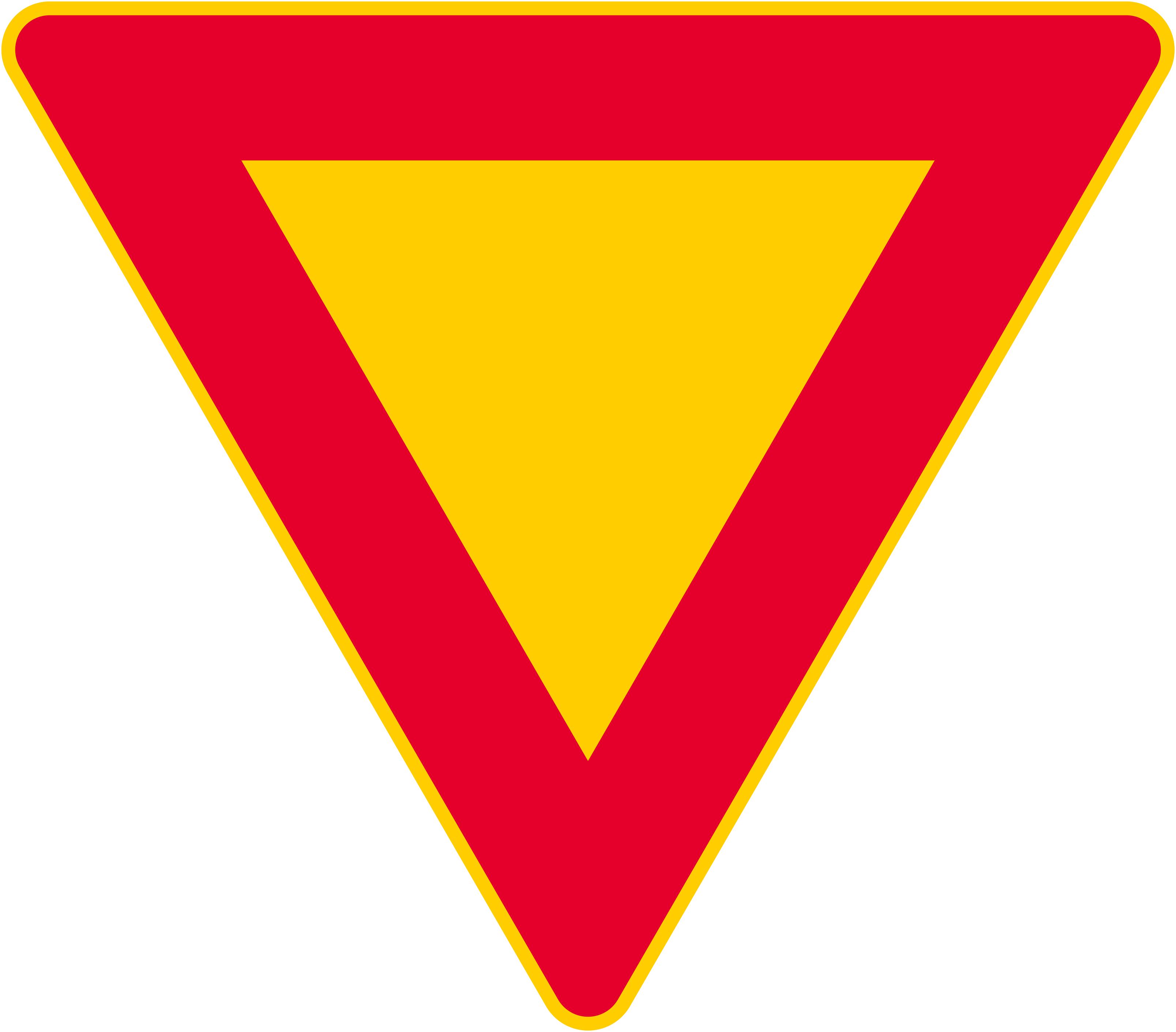
- Warning and prohibitory signs are yellow; red borders have an extra thin yellow outer edge (Sweden has none).
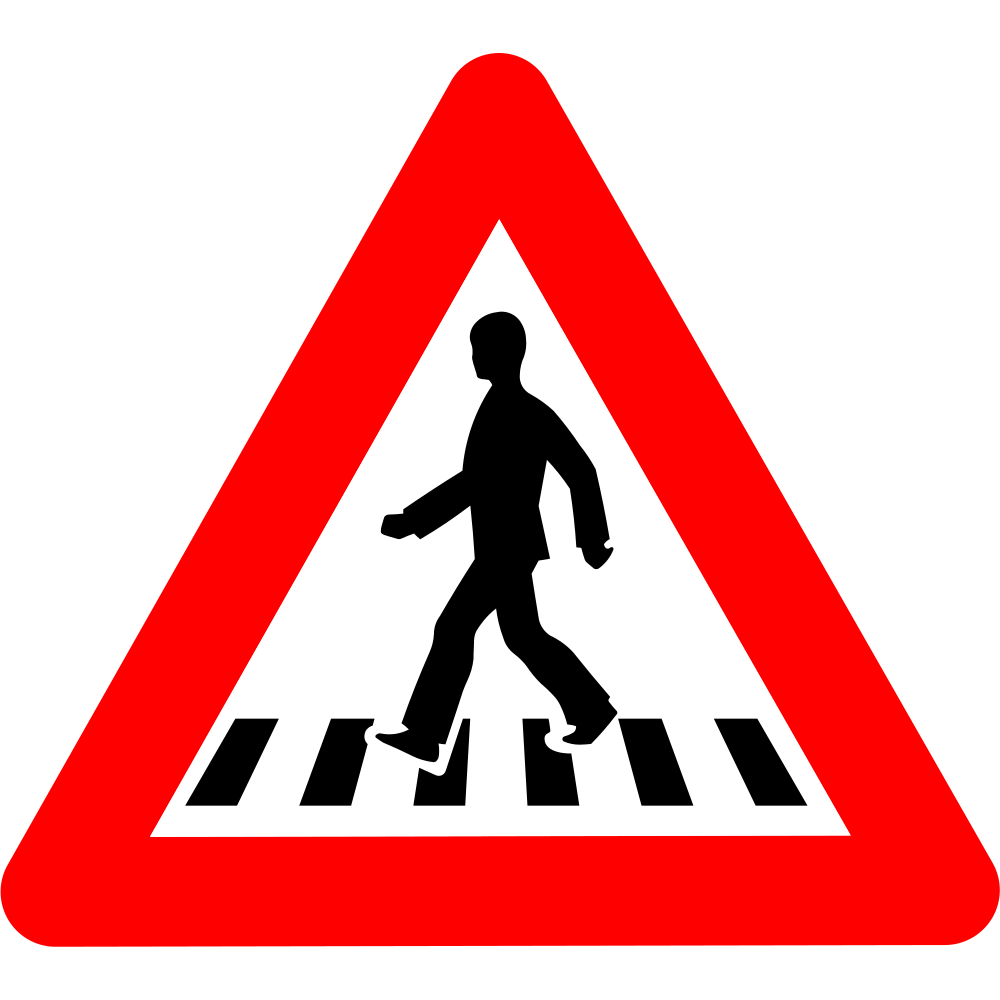
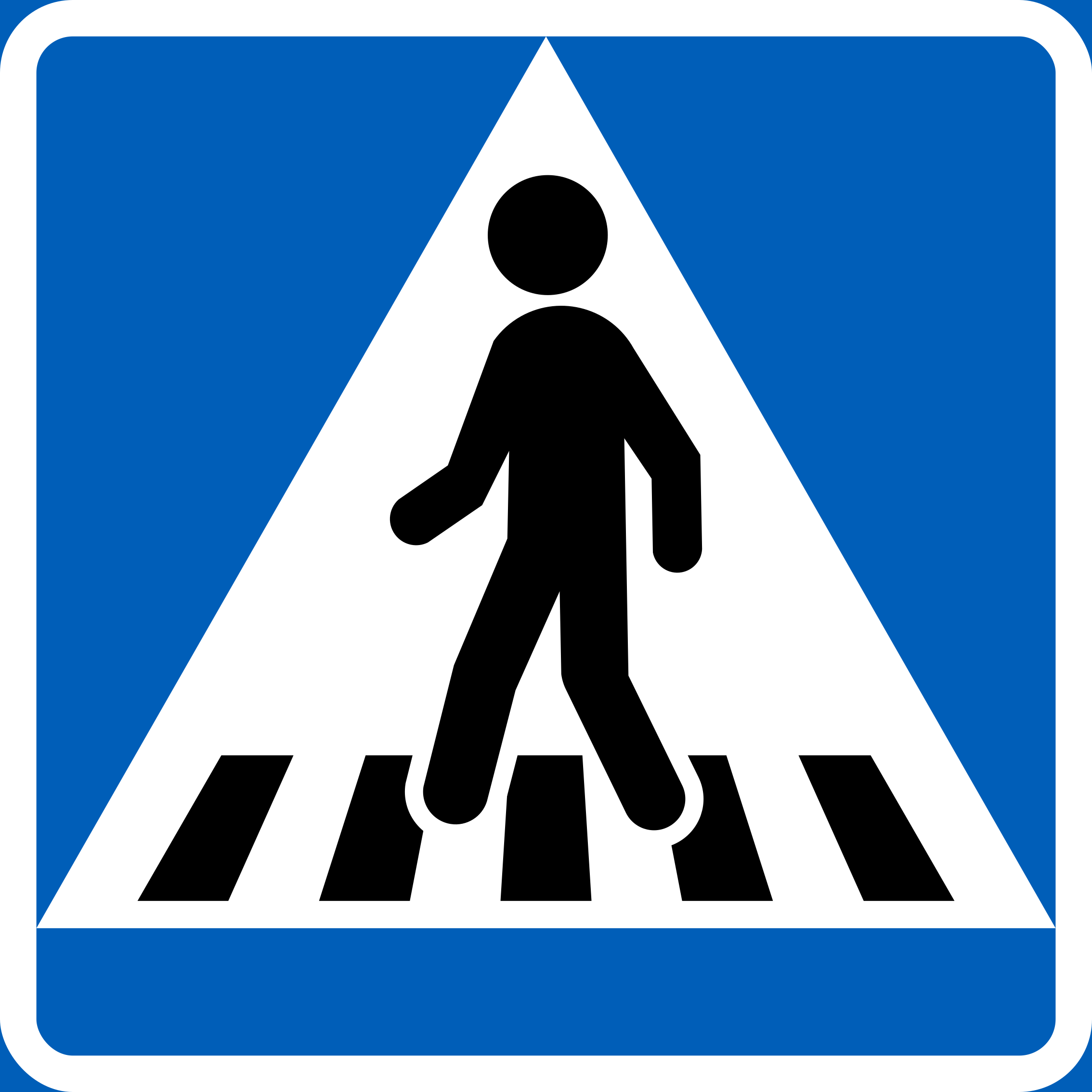
- Pedestrian crossing with 5 stripes (Sweden and Norway usually 4).
- Direction signs solid blue with white text and a white border; the arrow is built into the white border (Estonia: arrow as an icon inside).
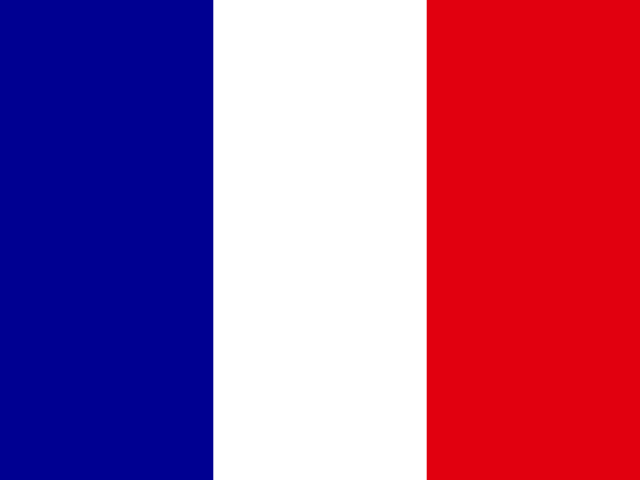
France
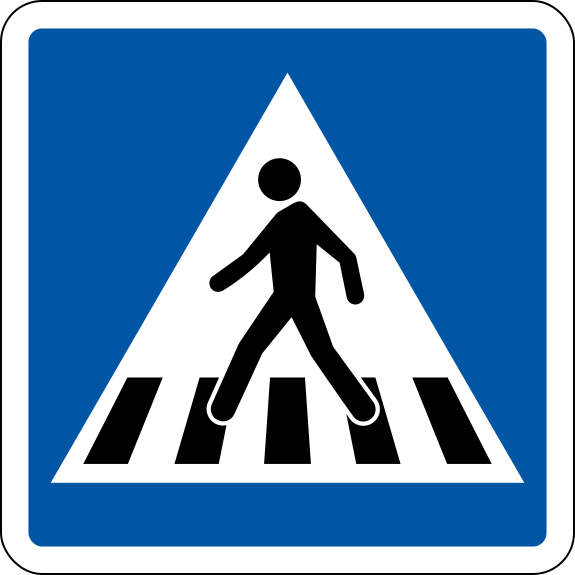
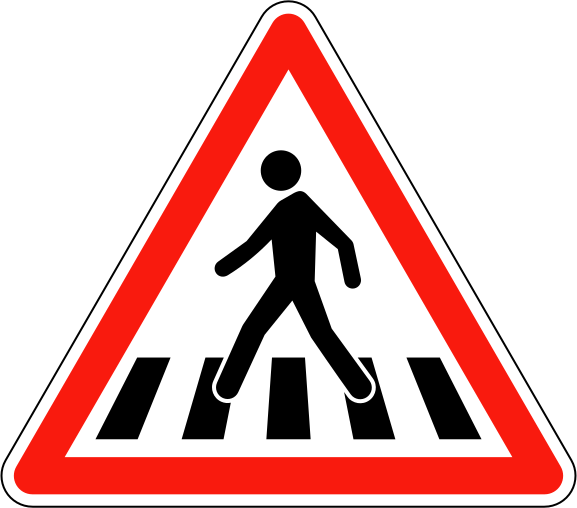
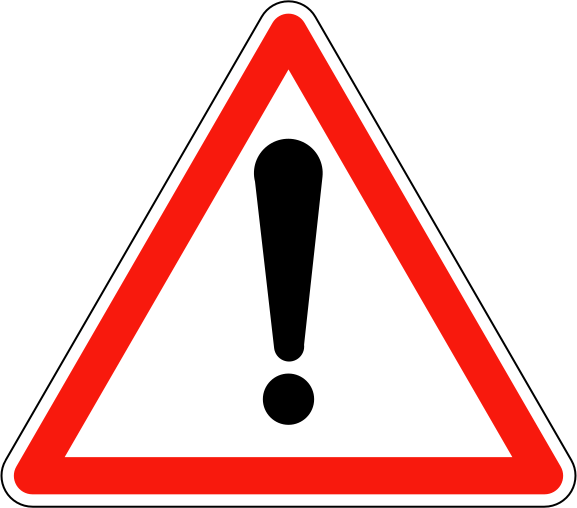
- Traffic signs: red border with a thin white outline; often a white plate with black text underneath.
- Pedestrian crossing: 5 stripes, the figure's head is separate from the body.
- Town sign white with a red border (town end: black border, struck through in red).
Georgia
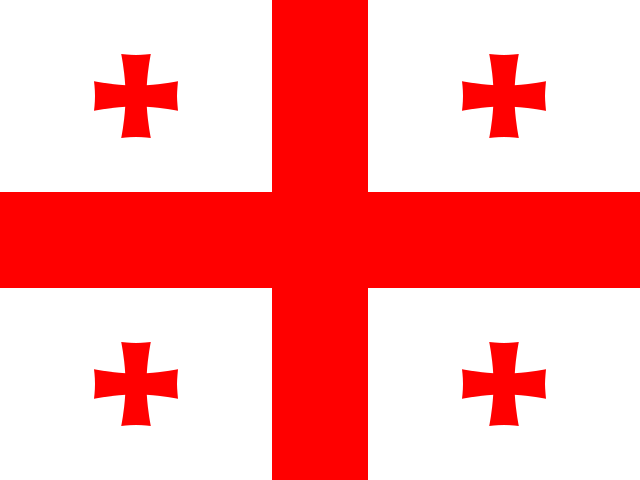
- Georgian script (Mkhedruli) with its rounded letters – used only in Georgia; town and direction signs usually repeat the name in Latin letters below.
- Town sign white with a black border; end-of-town sign crossed out in red.
- Road numbers with a Georgian letter: ს (S) for international and შ (Sh) for national main roads, e.g. ს1.
Germany
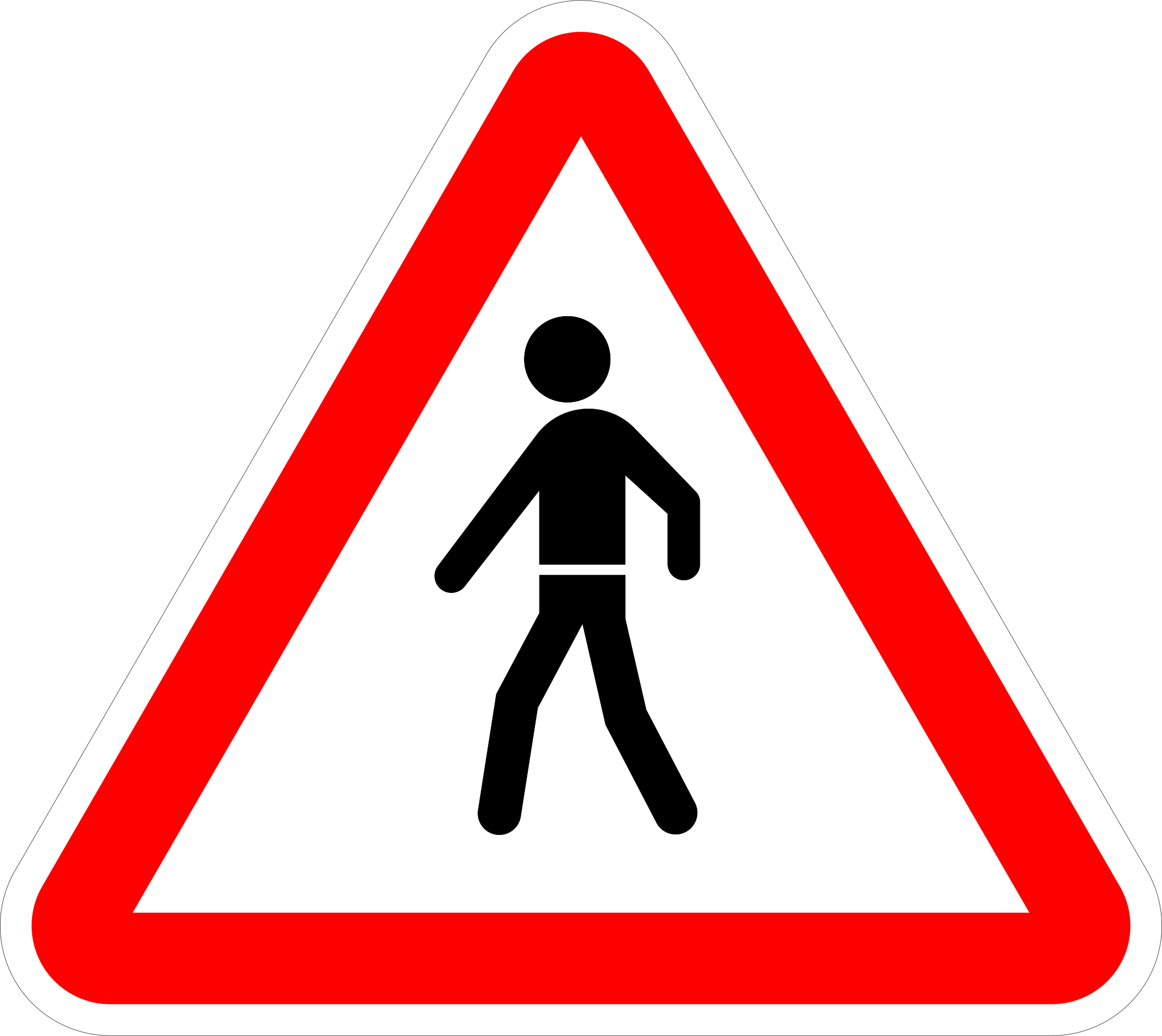
- Pedestrian crossing: 5 stripes, the figure wears a belt (same in Luxembourg).
- Town sign yellow with black text and a metal frame – town on top, municipality or district below.
- One-way sign with the word “Einbahnstraße” – unique to Germany (Austria: “EINBAHN”).
Ghana
- Direction signs are green with white text; there are also blue signs with white text (e.g. roundabout advance signs).
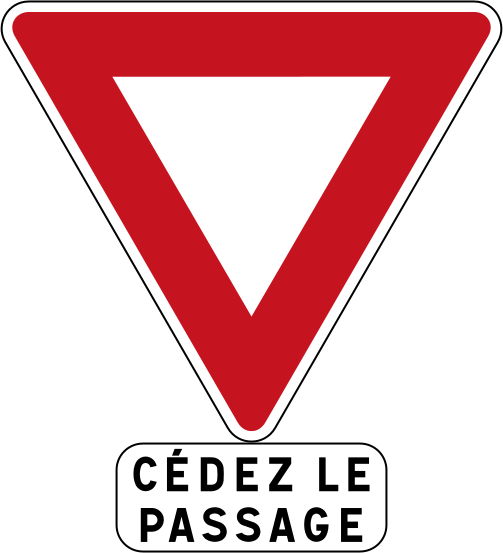
- Give-way sign with the words “GIVE WAY” inside the triangle (British style) – Senegal: plain triangle plus “CÉDEZ LE PASSAGE”.
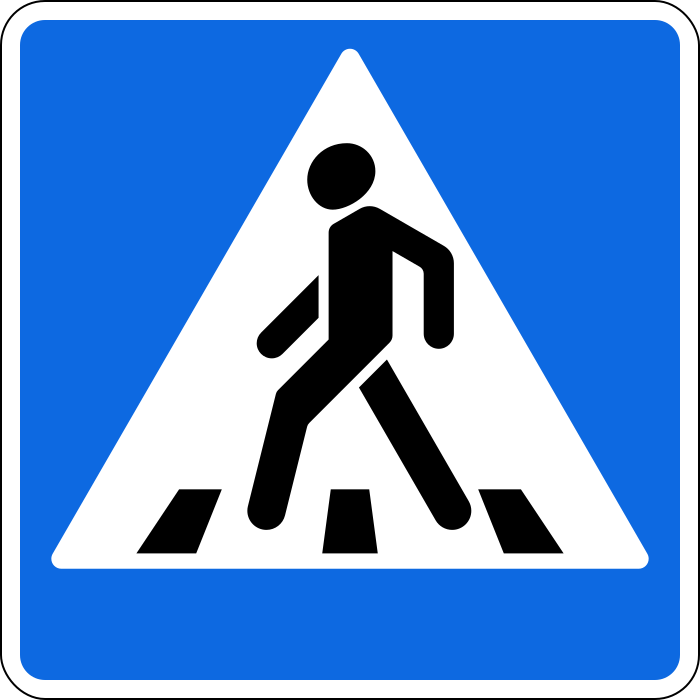
- Pedestrian crossing sign blue with a white triangle, often a tall rectangle.
Greece
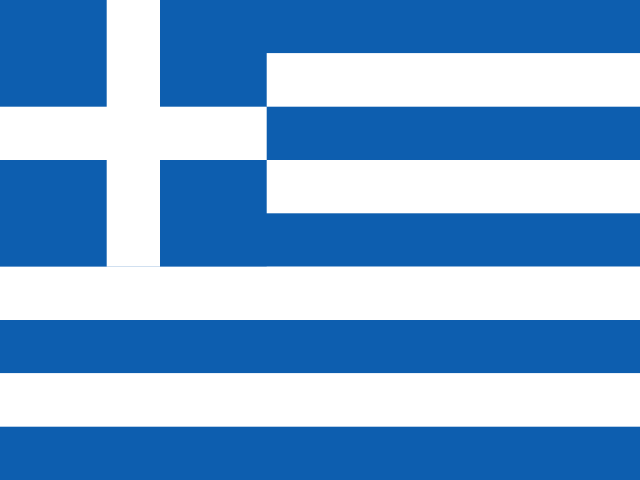
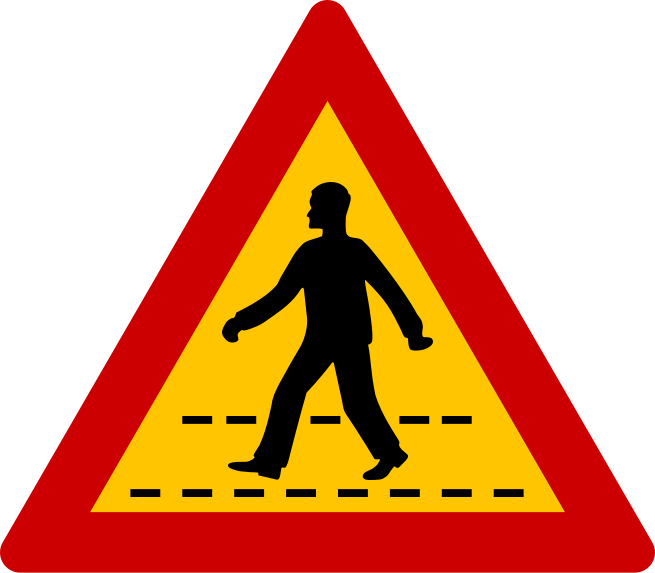
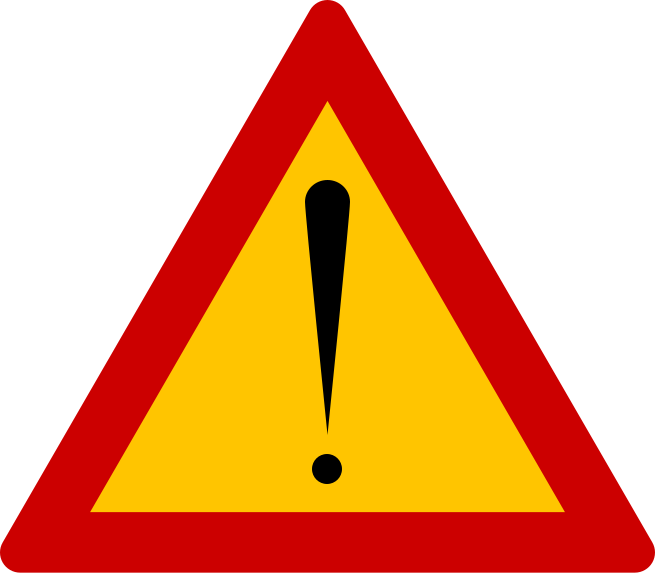
- Warning signs yellow with a red border – in the Balkans otherwise only North Macedonia (elsewhere Sweden, Finland, Iceland, Poland).
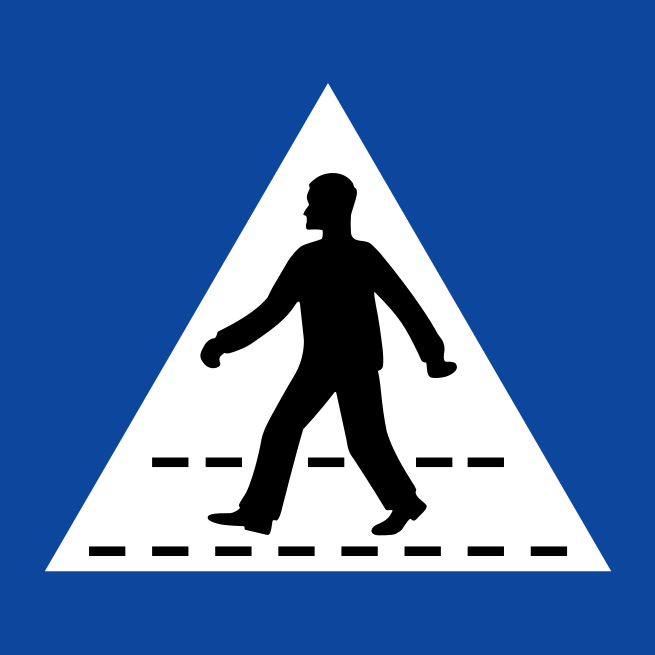
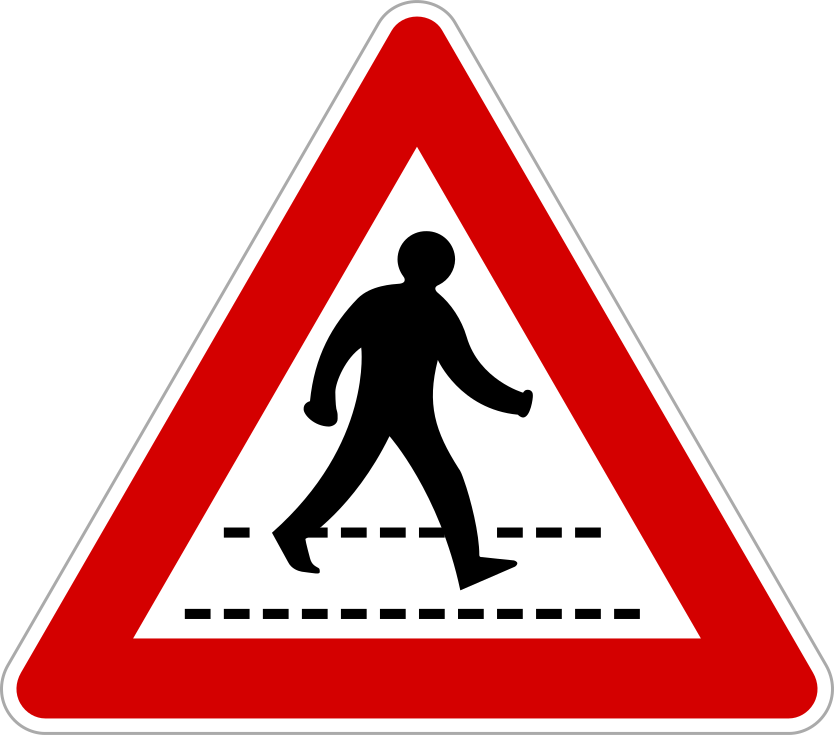
- Pedestrian crossing sign: the figure walks between two dashed horizontal lines instead of zebra stripes.
- Direction signs blue, often arrow-shaped: Greek place name in yellow, Latin transliteration in white below. Motorways green with the same colour split.
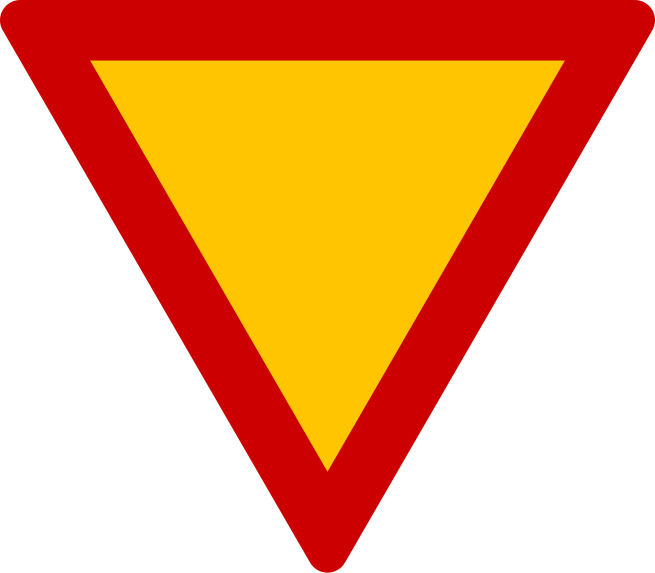
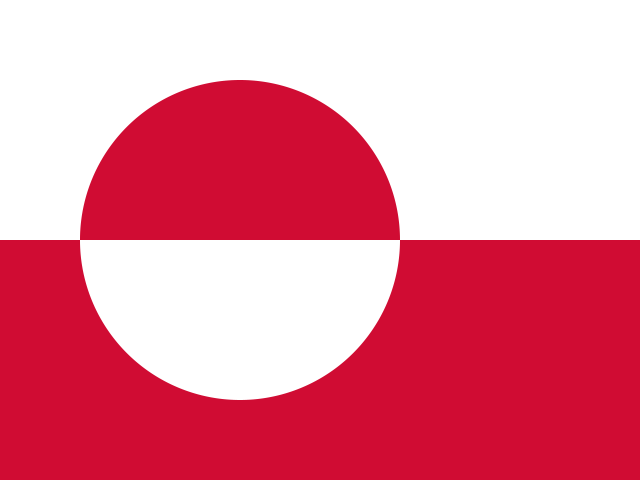
Greenland
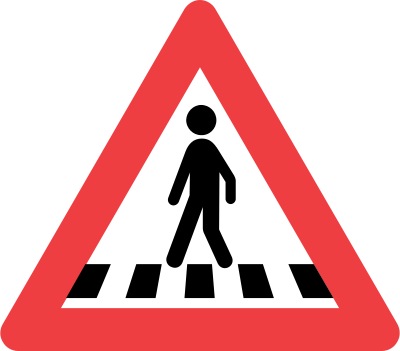
- Signs follow the Danish system: white warning triangles with a red border as in Denmark.
- Unique warning signs, e.g. dog sled (Ilulissat) or musk ox (Kangerlussuaq).
- No roads between towns – hardly any direction signs; coverage is almost only trekker footage inside settlements.
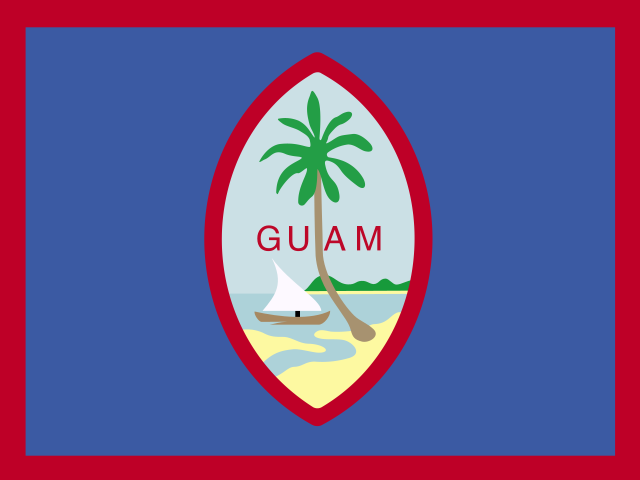
Guam
- US-standard traffic signs (STOP, SPEED LIMIT in mph, yellow diamonds).
- Green street name signs – the Northern Mariana Islands use blue ones.
- Near Apra View some signposts are painted yellow.
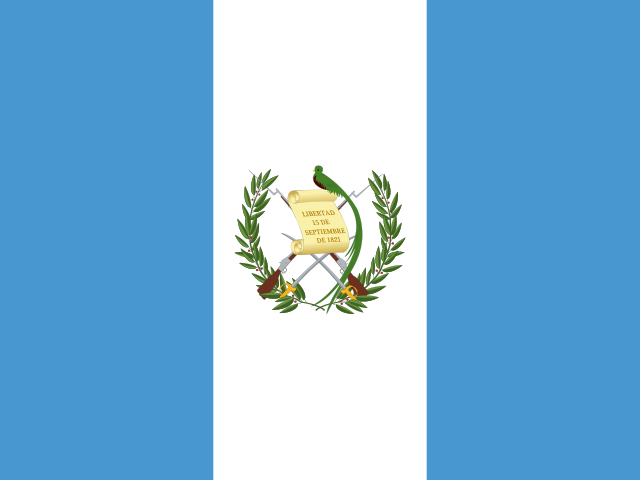
Guatemala
- “ALTO” on stop signs – like Mexico, Costa Rica and Panama.
- Green direction signs with narrow white ALL-CAPS lettering; next to them white route shields reading “GUATEMALA” with numbers like “RN-14” or “CA-2”.
- Local direction signs are often blue or white and arrow-shaped.
Hong Kong
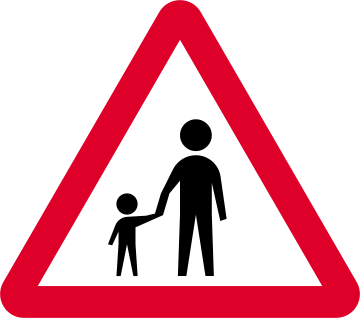
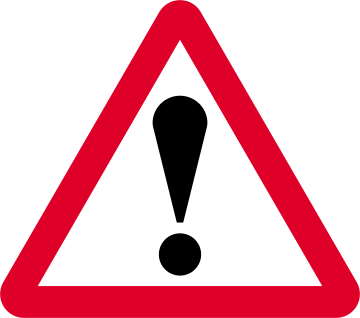
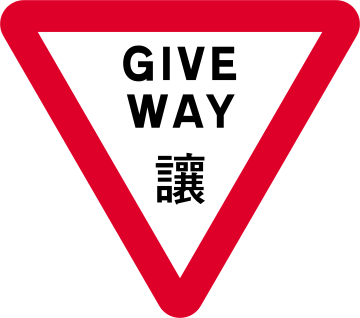
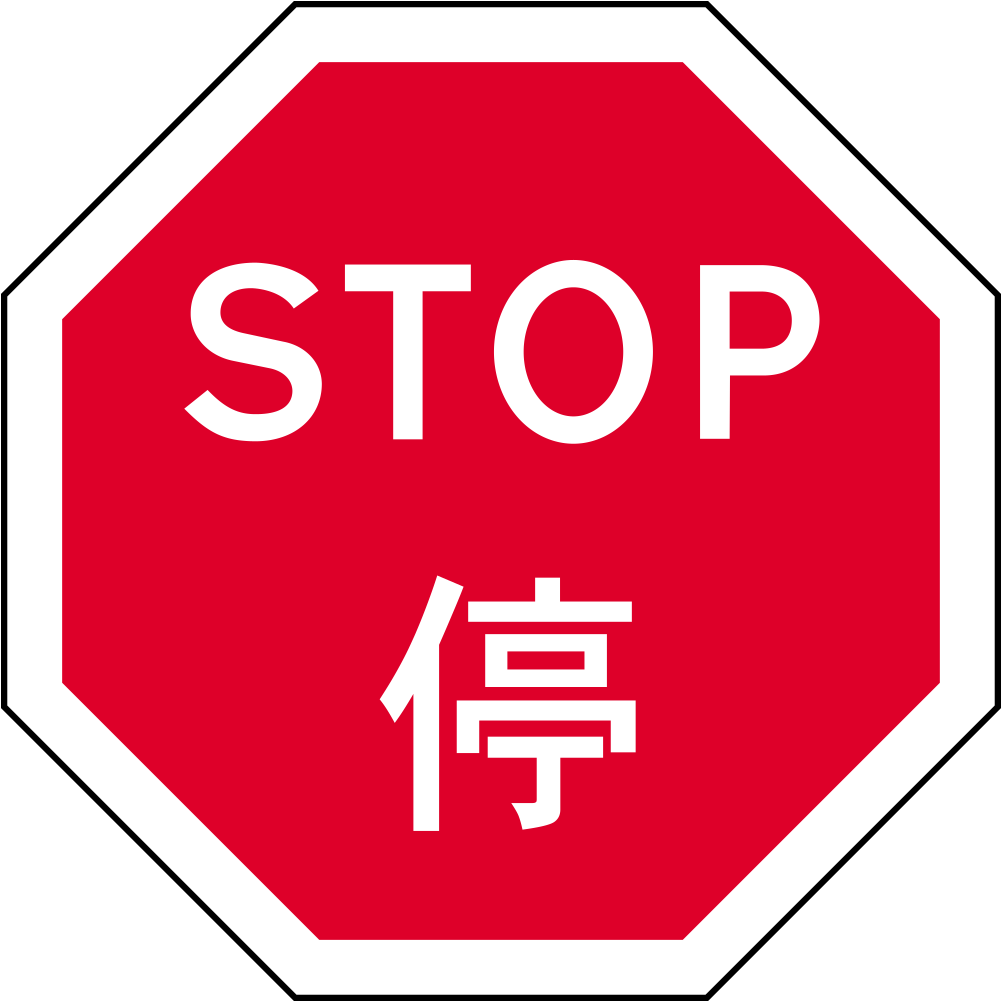
- British sign style (red-bordered warning triangles, red prohibition rings) but bilingual English and traditional Chinese – e.g. “STOP 停”, “GIVE WAY 讓”.
- Signs are often white rectangles with a thick black border and bilingual text; street names in English above, Chinese below.
- Direction signs on main routes are green with a white border, often arrow-shaped; route numbers in a yellow-orange box with black digits.
Hungary
- Direction signs green with a white inner border and green outer border; on motorways (M roads) blue. Road numbers sit in a small shield on the sign.
- Pedestrian crossing: five stripes, figure with a belt – positioned lower than in Slovakia/Germany; less common variant with four stripes and a figure holding a bag.
- Chevrons red with white arrows; black-and-white chevrons exist but are much rarer.

Iceland
- Direction signs yellow, usually arrow-shaped with a white box for the road number; a dashed box means the number refers to a nearby road, not yours.
- Signs to very local destinations (farms) are blue or white instead of yellow.
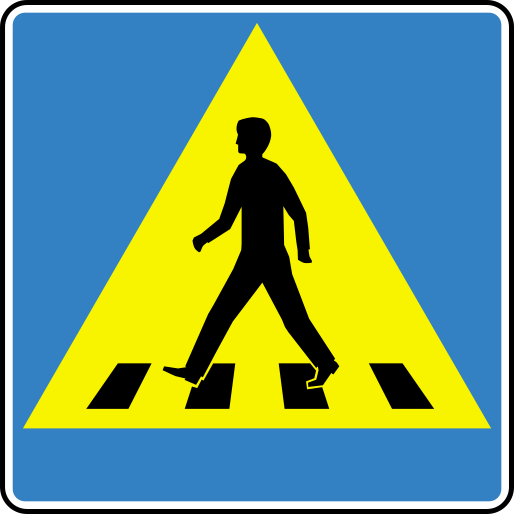
- Pedestrian crossing: 4 stripes and often a slightly yellow triangle – the only European country with a yellow background there.
India
- Signposts striped black and white (also in Bangladesh, Nepal, Sri Lanka and Bhutan).
- Direction signs on National Highways are green with white text, usually bi- or trilingual (state language, Hindi, English) – the regional script gives away the state.
- Milestones: yellow top = National Highway, green top = State Highway; the NH route shield is yellow with black text, the SH shield green with white text.
Indonesia
- Direction signs are green with white text (officially Clearview since 2014, older signs in Highway Gothic).
- Warning signs are yellow diamonds with a black border; the official speed-limit sign has a small “km” next to the number.
- Kabupaten (regency, “Kab.”) names appear on many signs and billboards – learnable for narrowing down the region.
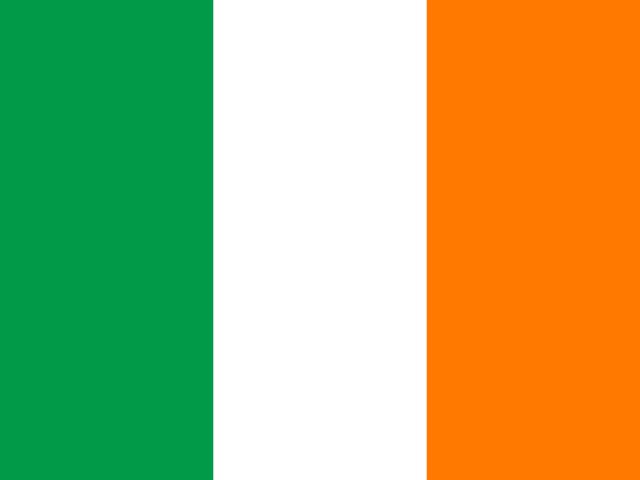
Ireland
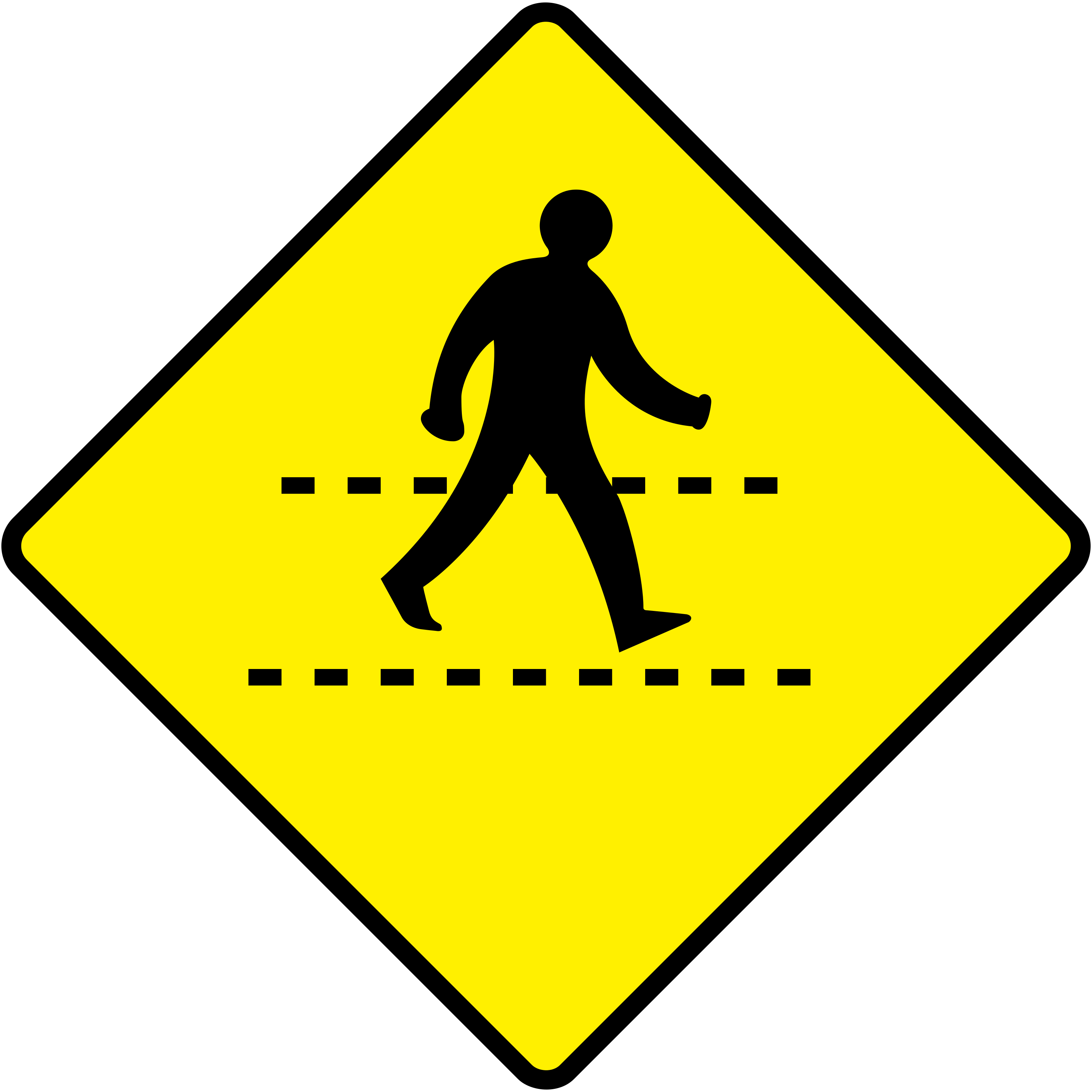
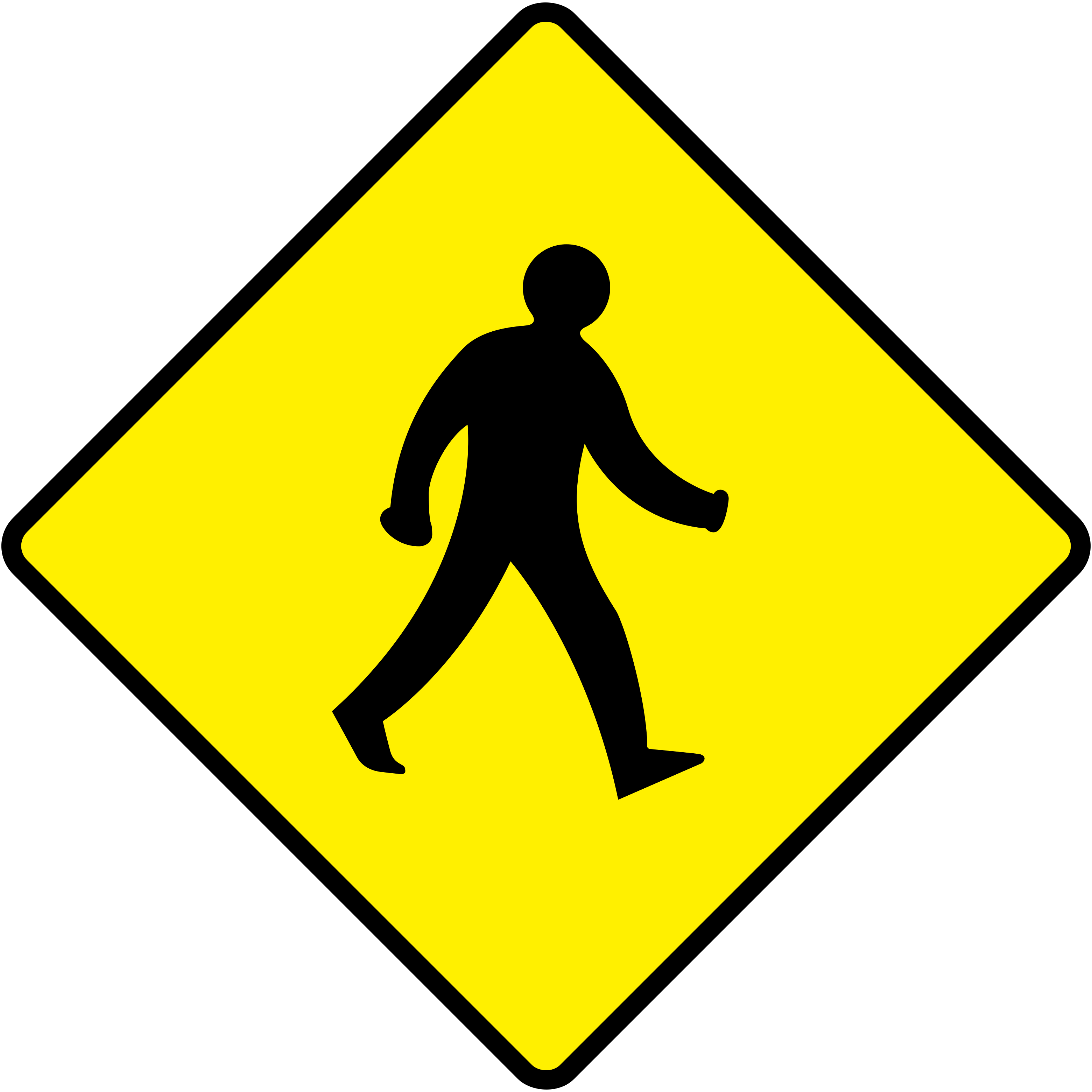
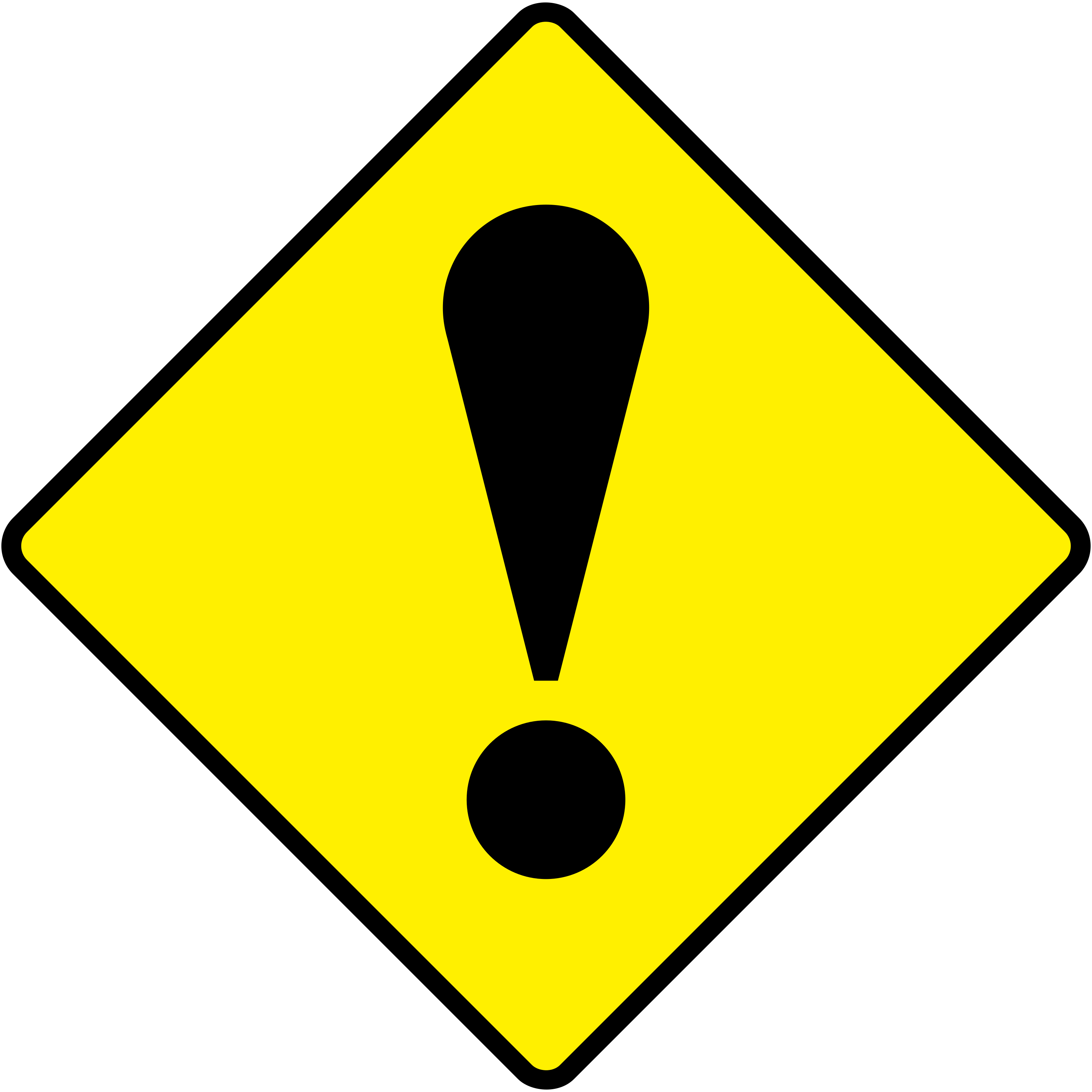
- The only European country with yellow diamond-shaped warning signs with a black border – regulatory signs are the usual red and white.
- Bilingual signs: Irish on top in oblique, mixed-case lettering, English below in CAPITALS. In the Gaeltacht only Irish is used.
- Chevrons are black with yellow arrows (UK: white arrows).
Isle of Man
- UK-style signs (red warning triangles, British direction signs, driving on the left) – counts as the UK for country streaks.
- There is no general speed limit outside towns: the national-speed-limit sign (white disc, black diagonal bar) really means unrestricted here.
- Lamp posts with a blue base and a small blue sticker – the two letters give the parish; in Douglas a white sticker with green numbers.
Israel
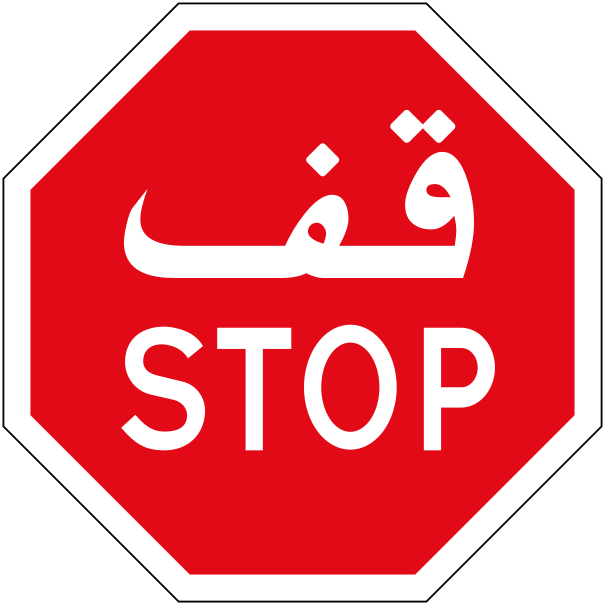
- Stop sign shows a raised hand instead of text – unique in the world (also in the West Bank). Jordan, the UAE and Tunisia write “قف” + “STOP”.
- Signs are trilingual: Hebrew on top, Arabic and English below. Hebrew script is practically only found in Israel and the West Bank.
- Chevrons are black with white arrows – Jordan: red arrows on white, Oman: black and yellow.
Italy
- Direction signs blue with a white arrow, all in CAPITALS; state roads with a white-blue double border, motorways green with a white-green border.
- Pedestrian crossing: 5 stripes, plain figure without a belt.
- Chevrons white on black (white on red = roadworks).
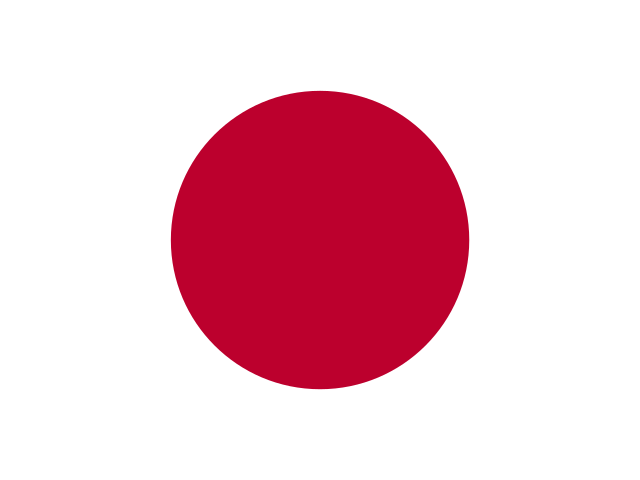
Japan
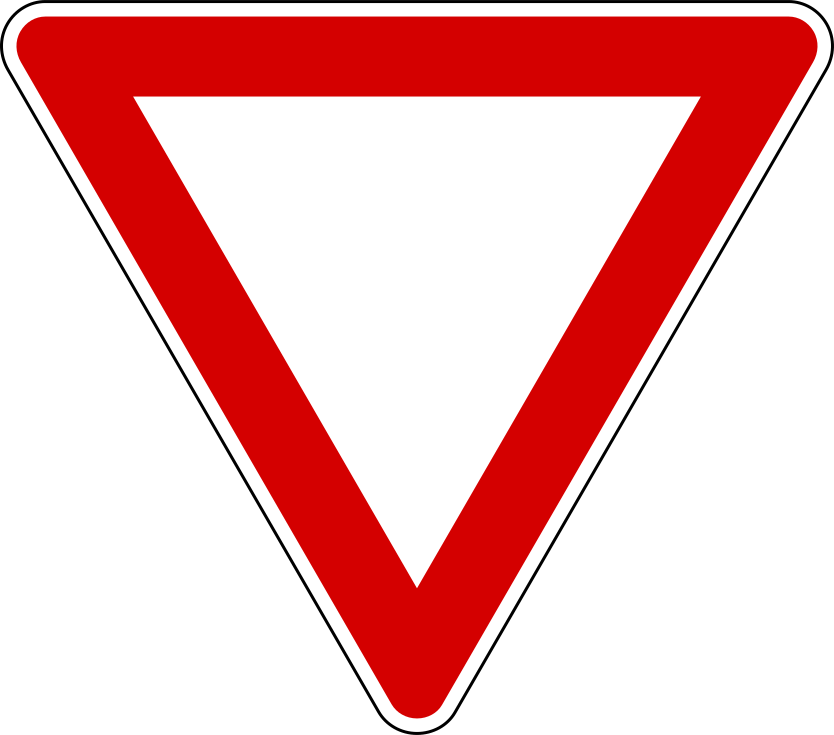
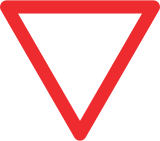
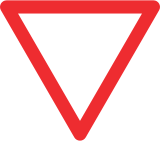
- The stop sign is a red, downward-pointing triangle reading “止まれ” (since 2017 often with “STOP” added) – unique in the world; “徐行” (slow) uses the same shape.
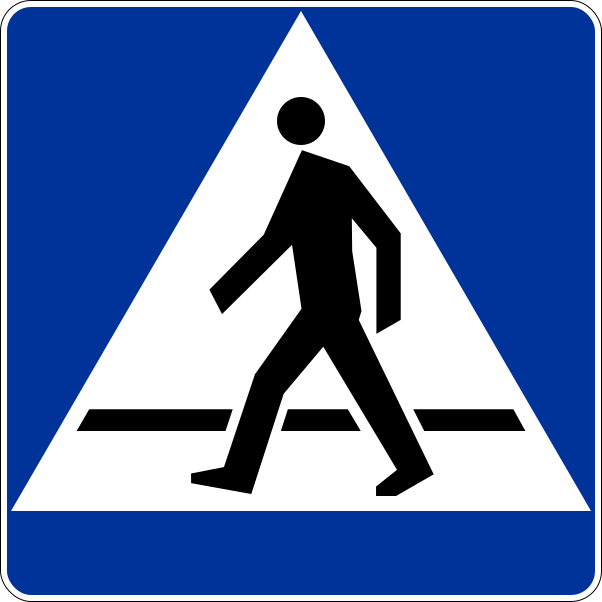
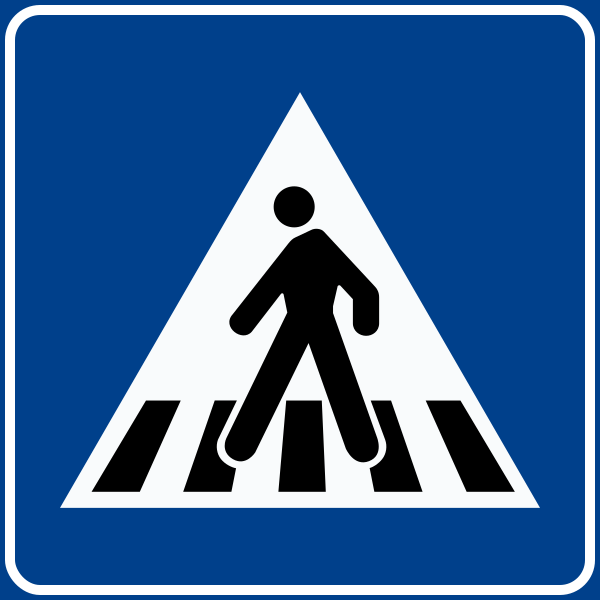
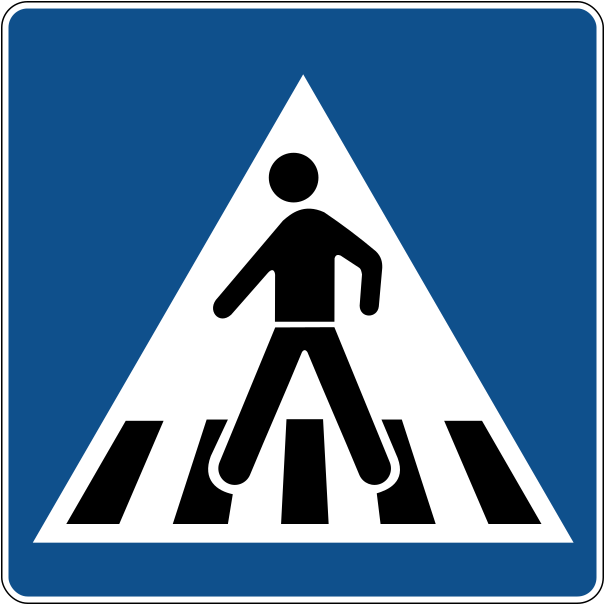
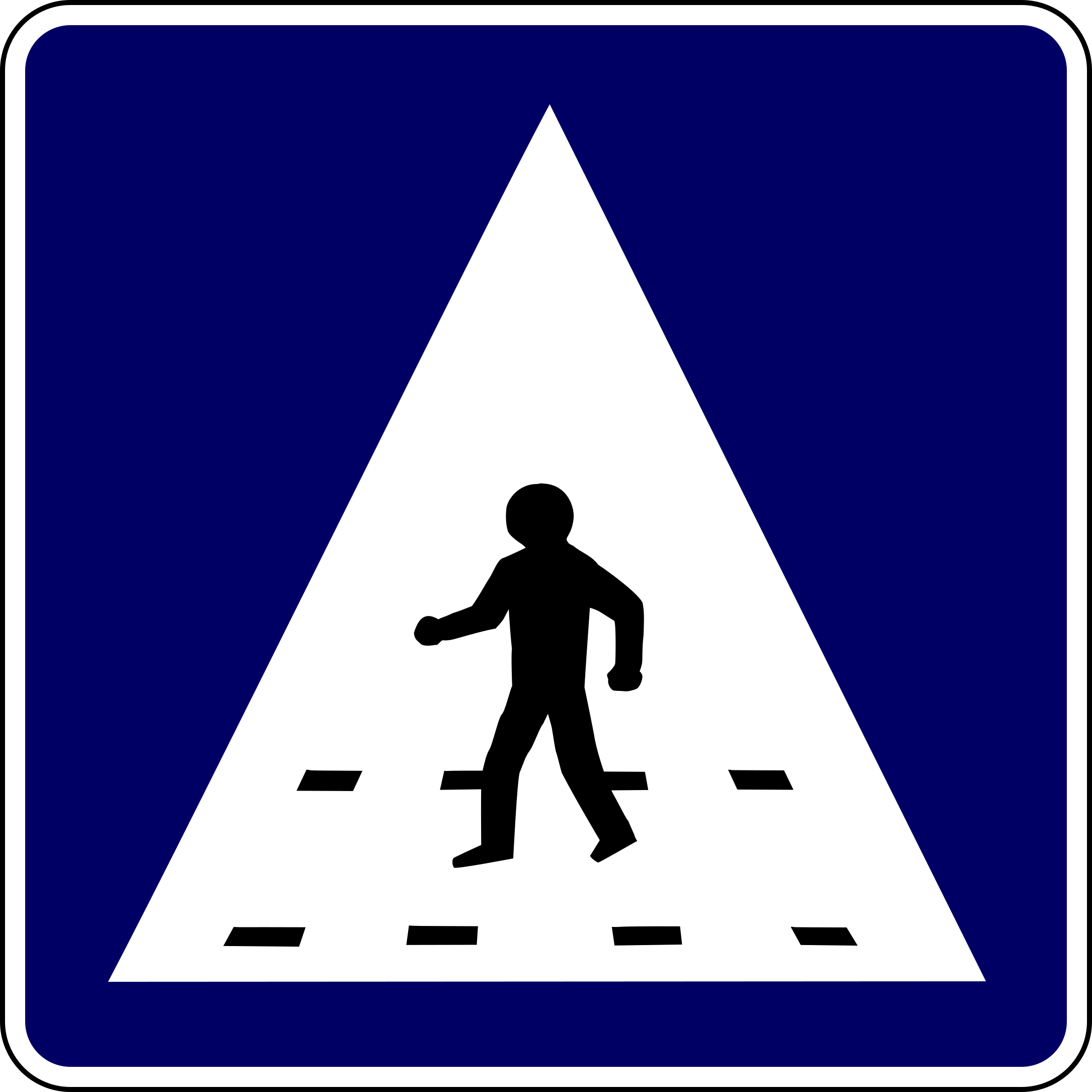
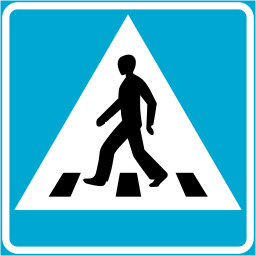
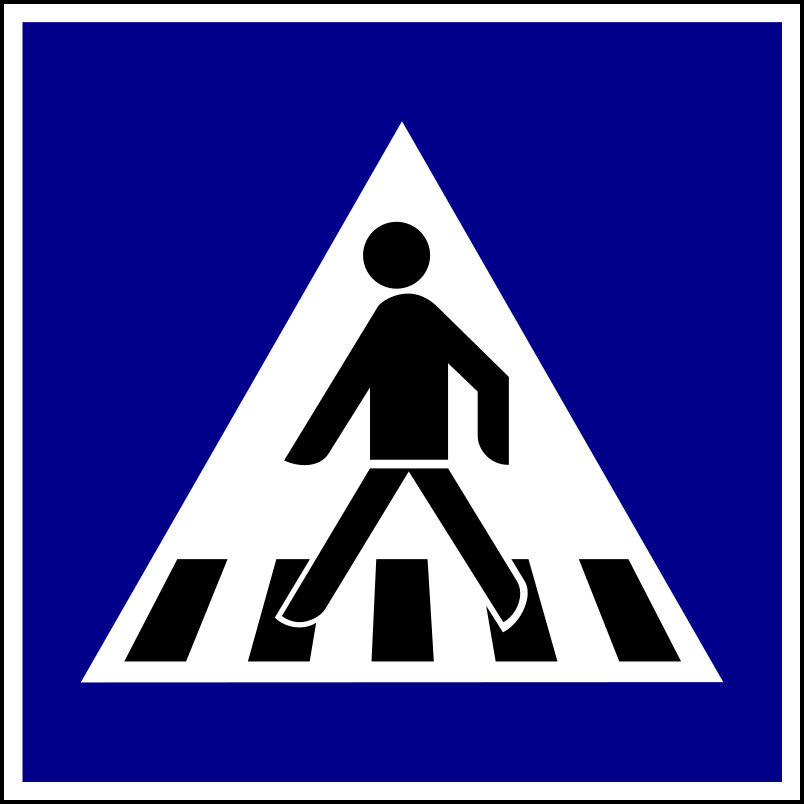
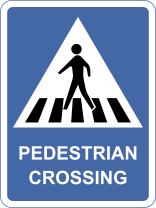
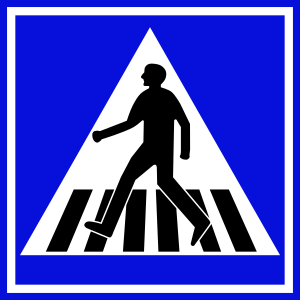
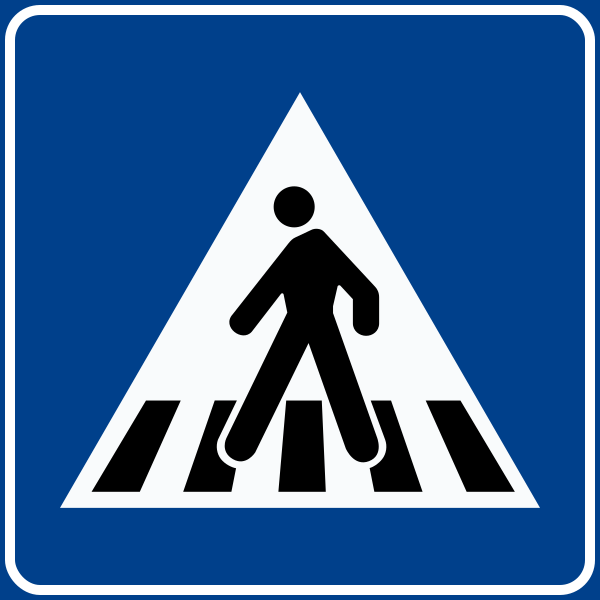
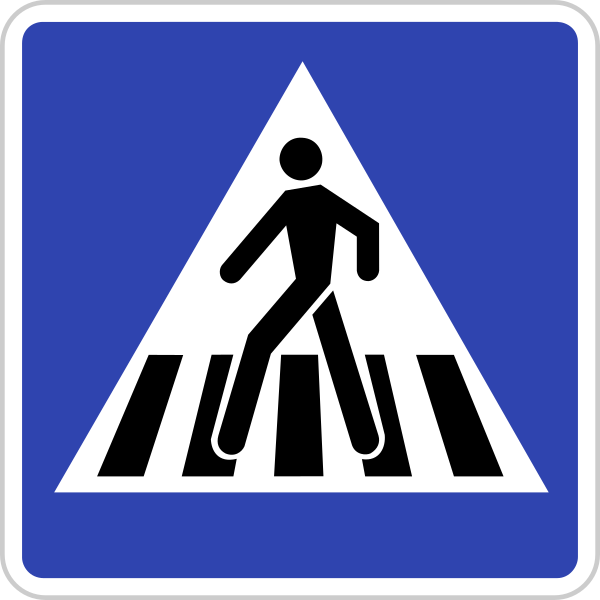
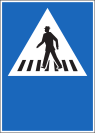
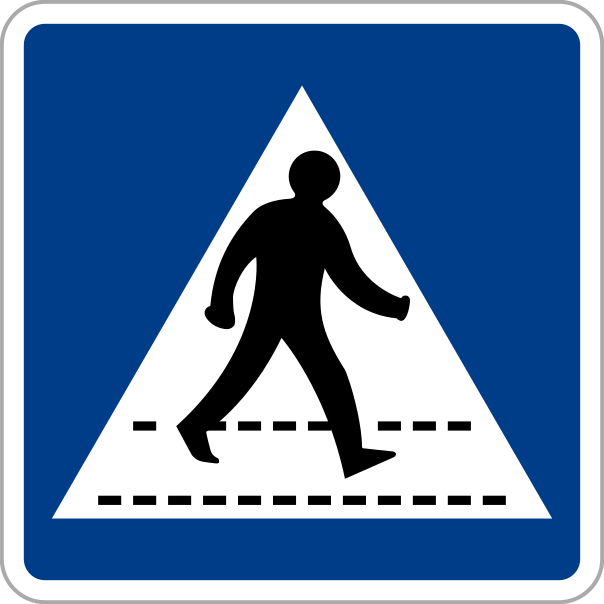
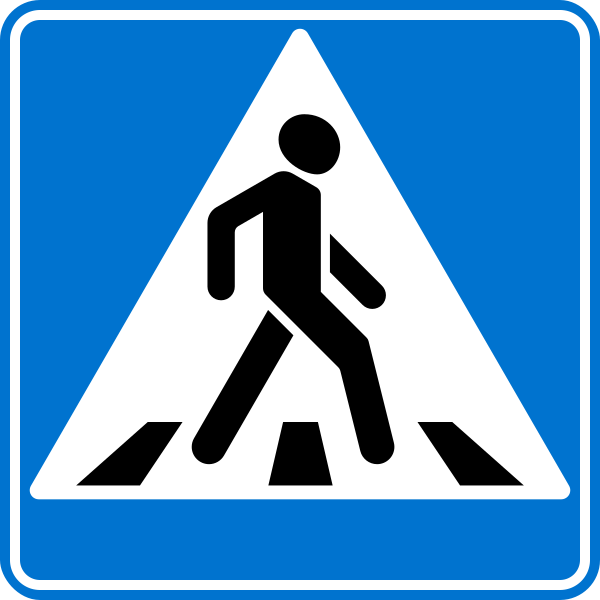
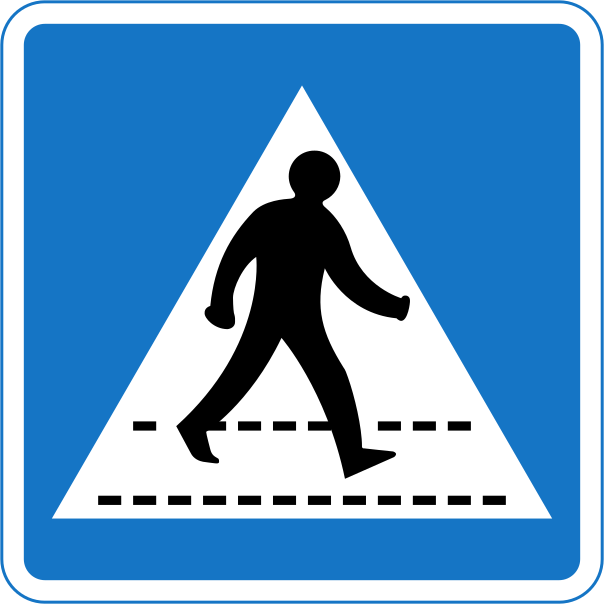
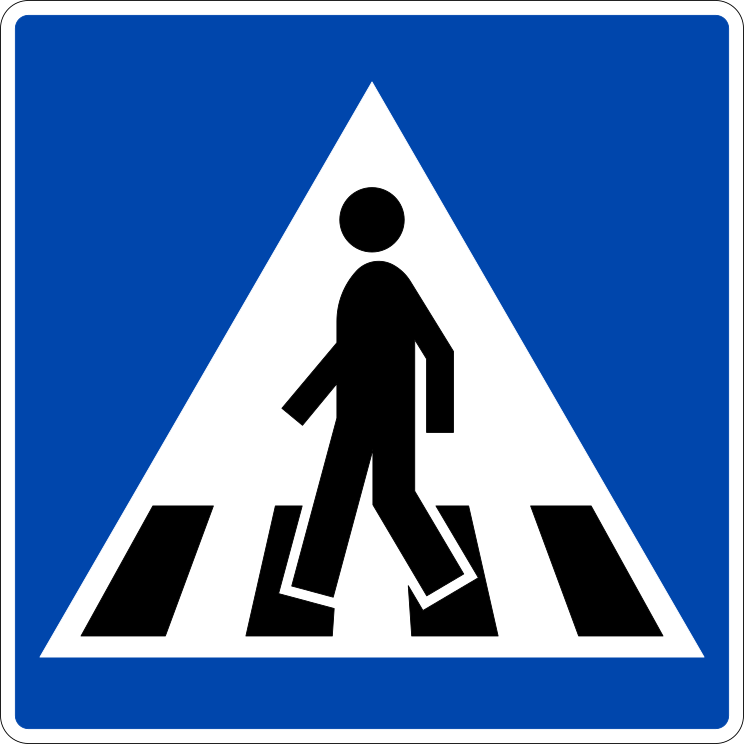
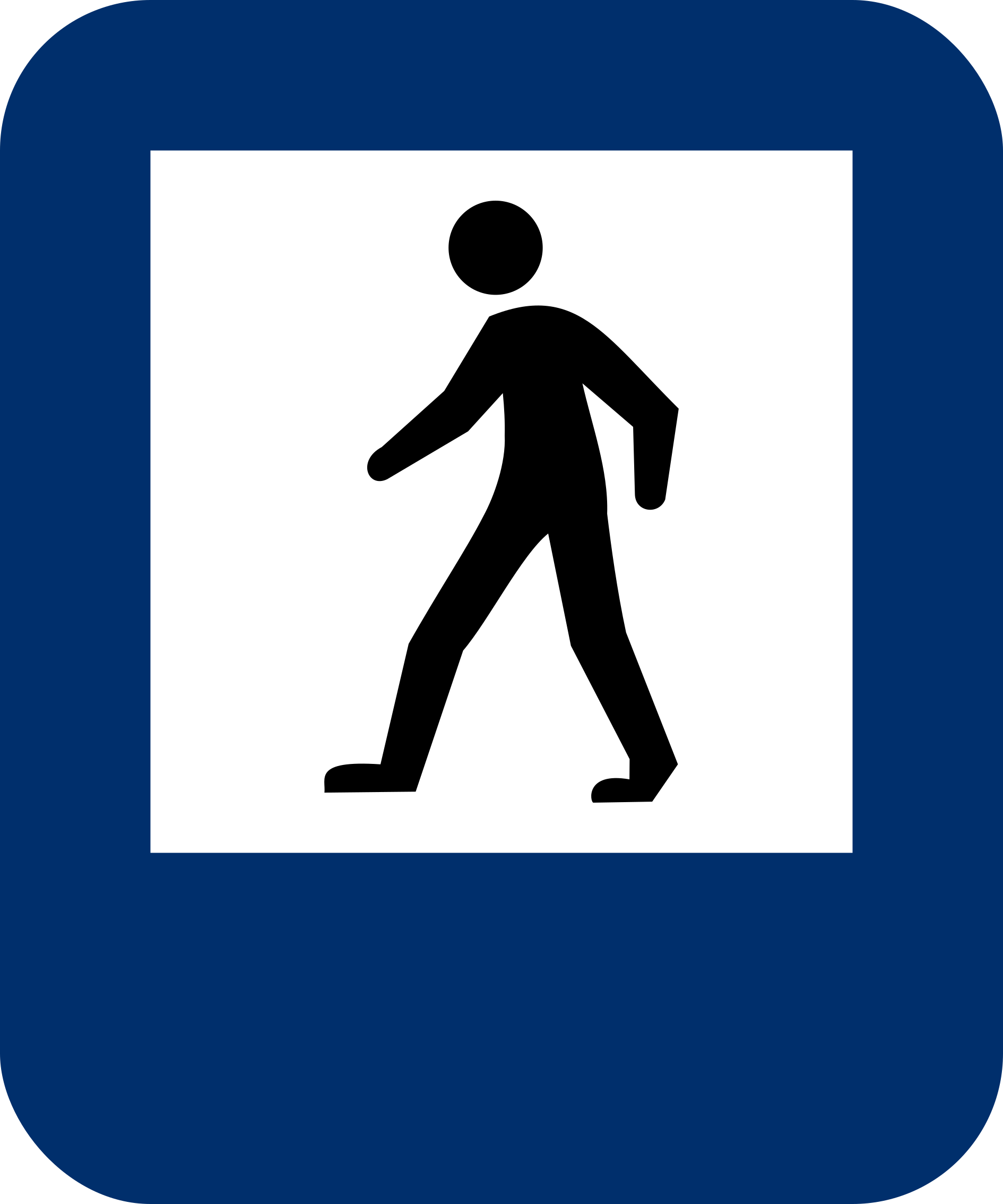
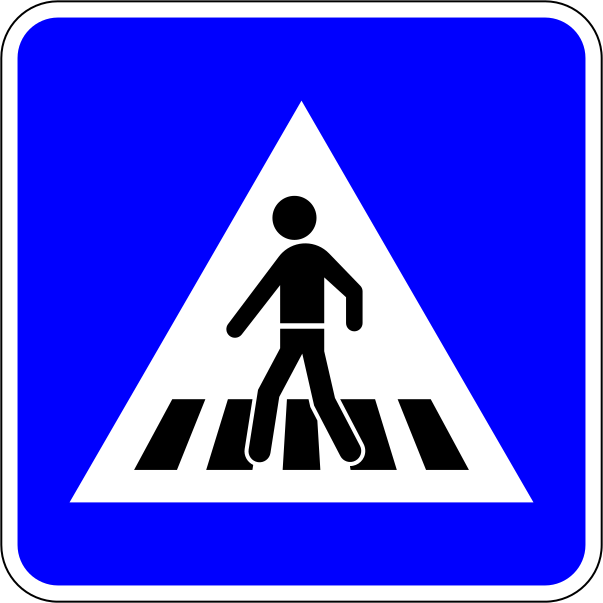
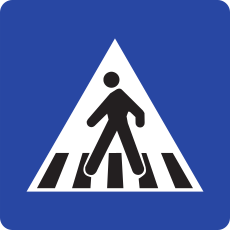
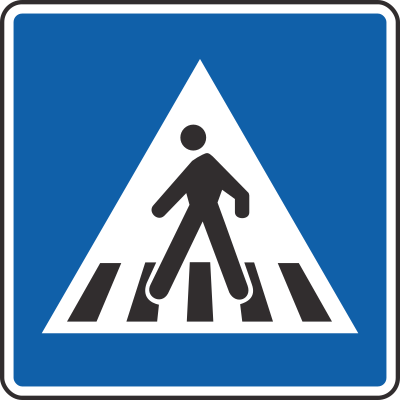
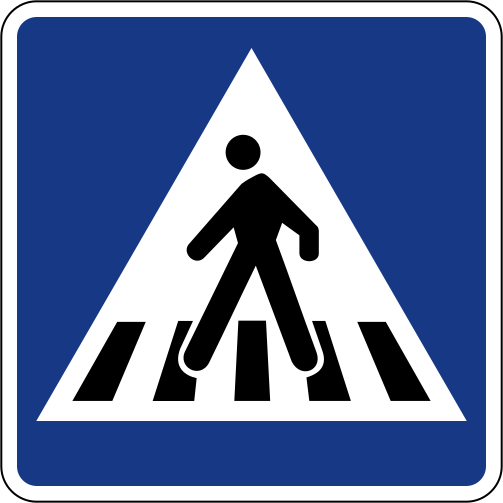
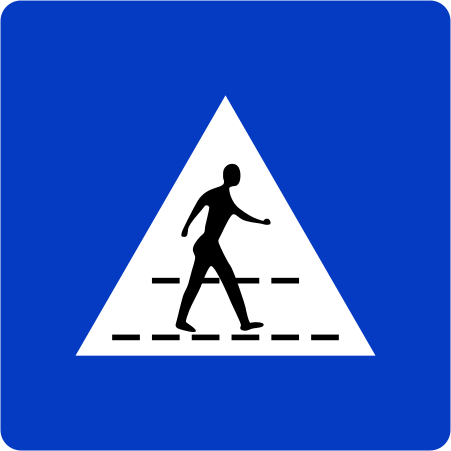
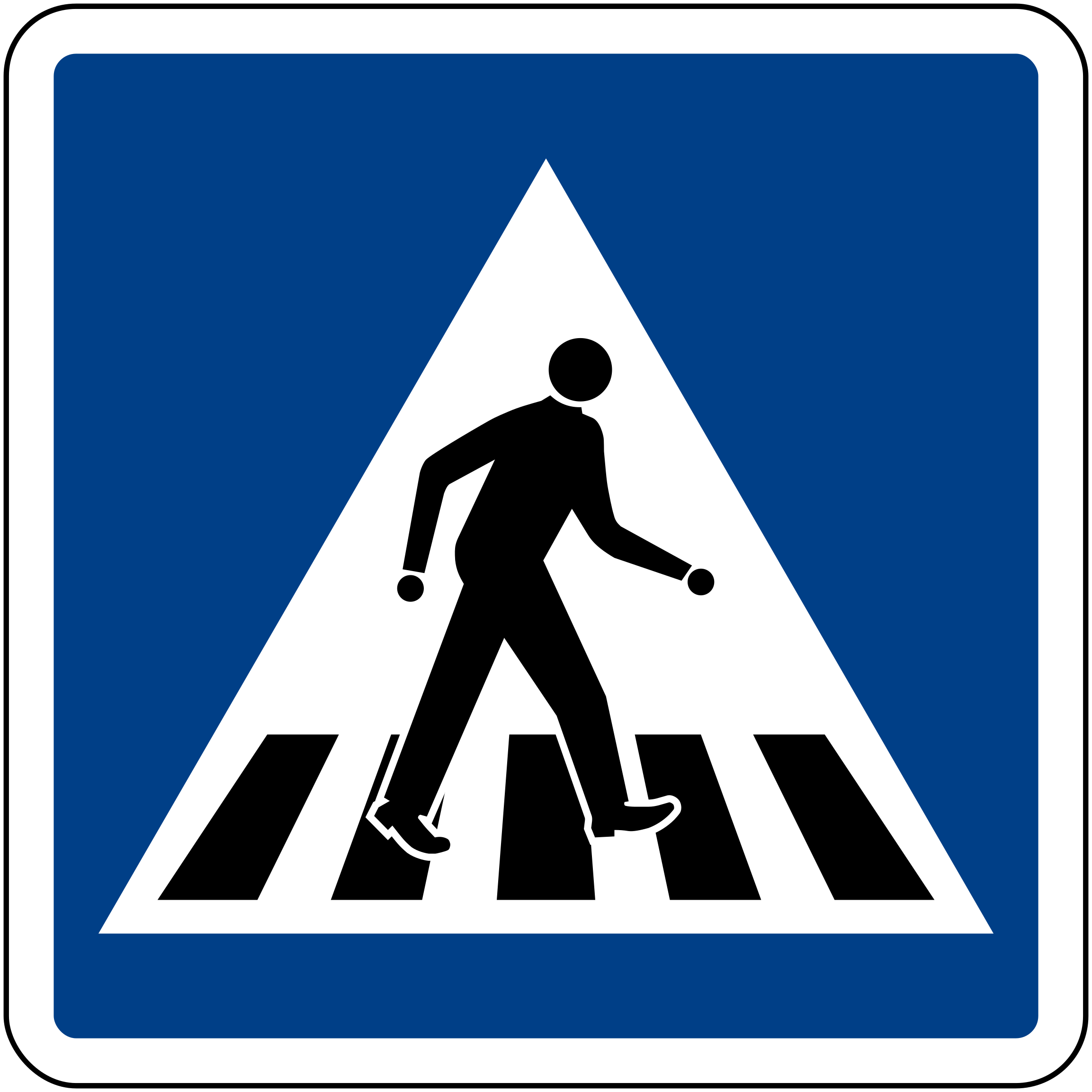
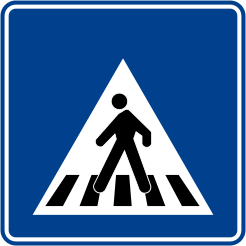
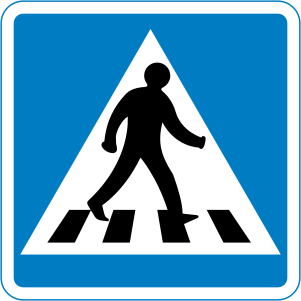
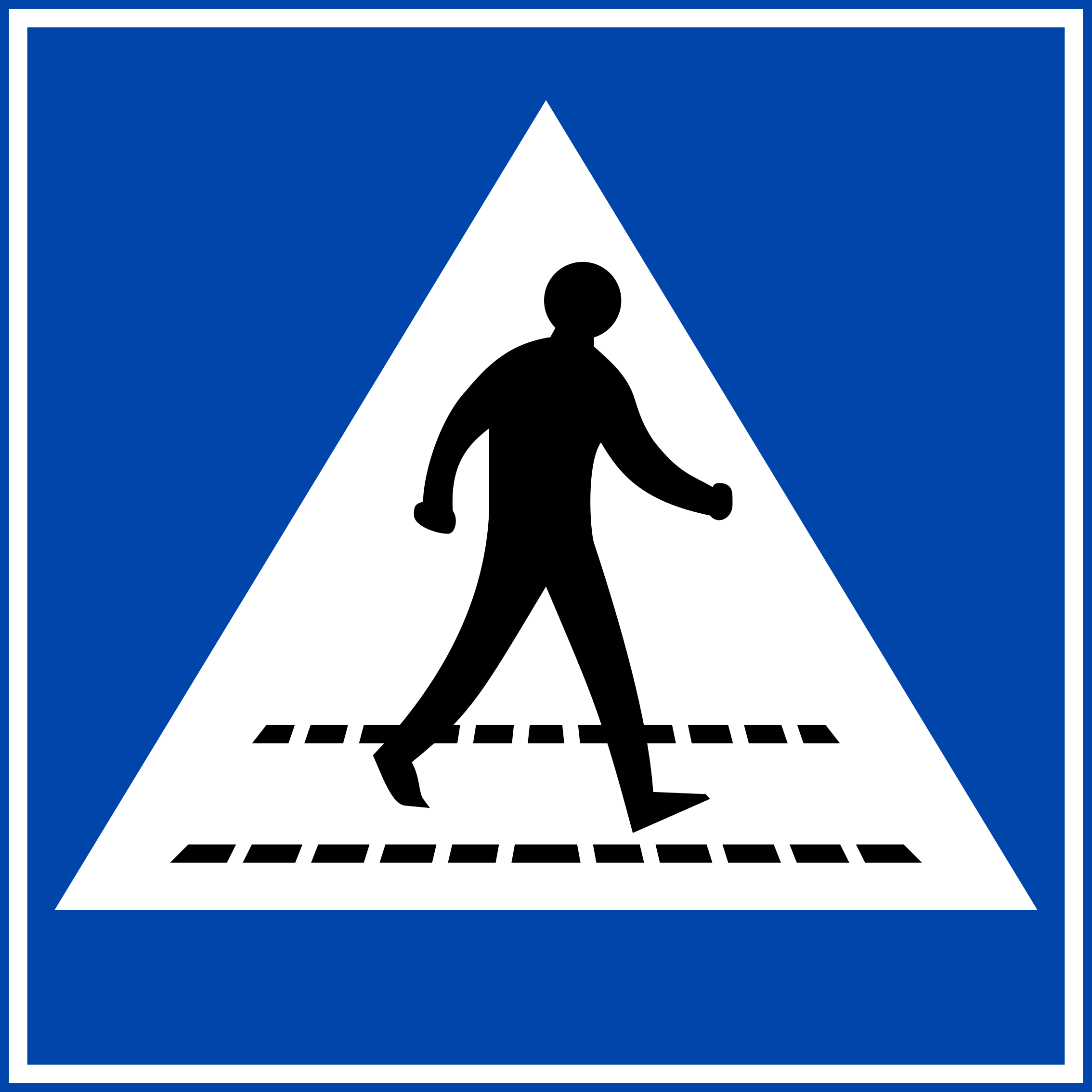
- Pedestrian crossing sign: blue square with a white triangle containing a man in a hat on a zebra crossing; near schools a variant with an adult and a child (Korea: blue pentagon).
- Warning signs are US-style yellow diamonds with a black border – Korea, Taiwan, Hong Kong and Macau use red-bordered triangles.
Jersey
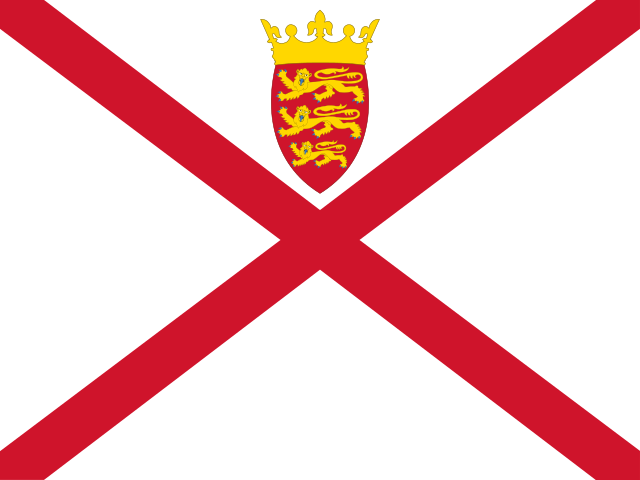
- Signs follow the UK: red-bordered warning triangles, British direction signs and chevrons, driving on the left.
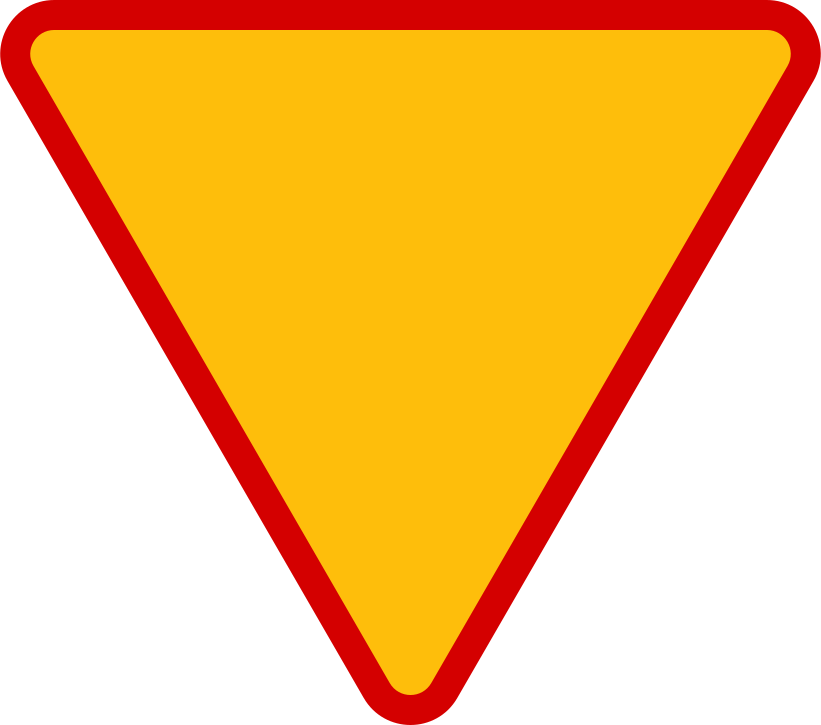
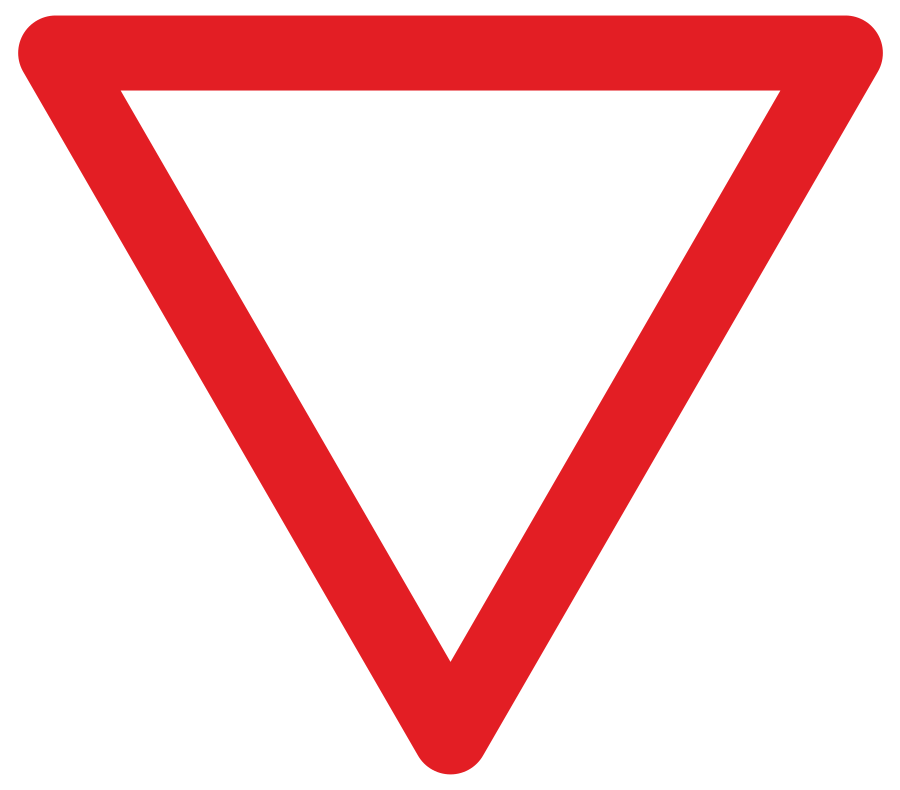
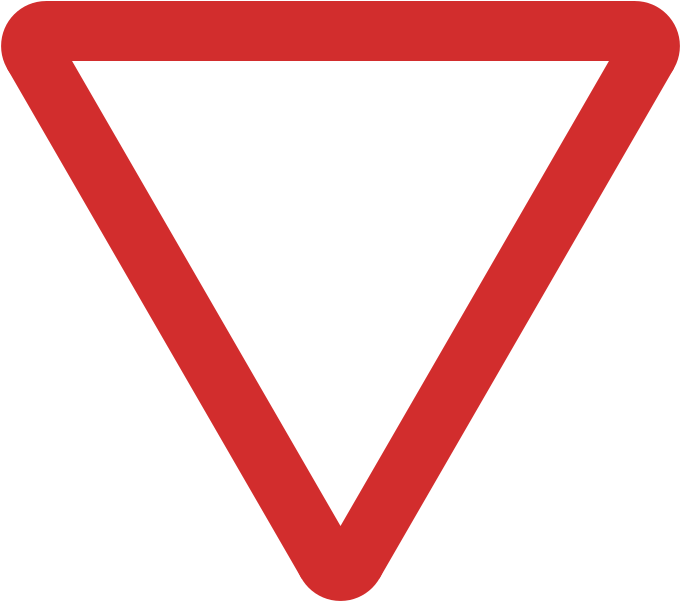
- “Filter in Turn” signs (red-bordered inverted triangle like “Give Way”) at junctions without priority – only on the Channel Islands; plus yellow give-way lines instead of the British white double dashed lines.
- Island-wide maximum speed 40 mph; “Green Lanes” have their own start and end signs (15 mph).
Jordan
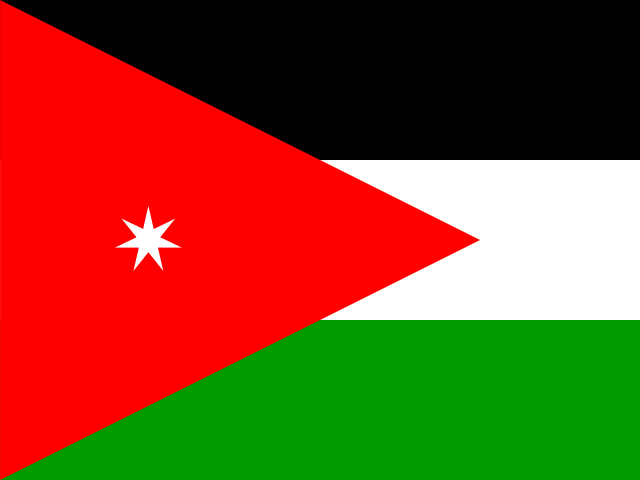
- Chevrons are white with red arrows – easy to tell apart from Israel (black with white arrows).
- Bilingual stop sign: “قف” above “STOP” (like Oman, Qatar, the UAE and Tunisia) – Israel shows a hand.
- Shop signs are almost only in Arabic with little English – unlike the UAE, Qatar and Oman.
Kazakhstan
- Chevrons mostly yellow and black – unlike all neighbours; only at T-junctions usually the generic red and white ones.
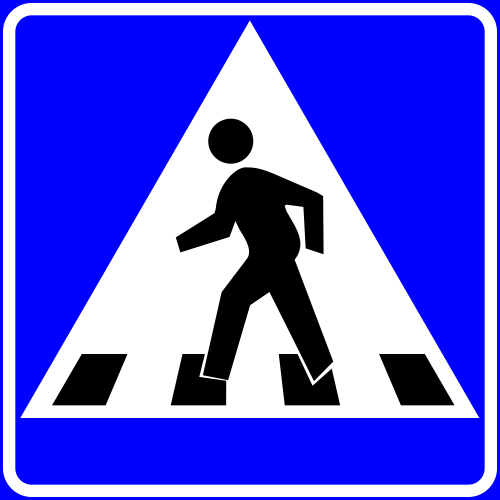
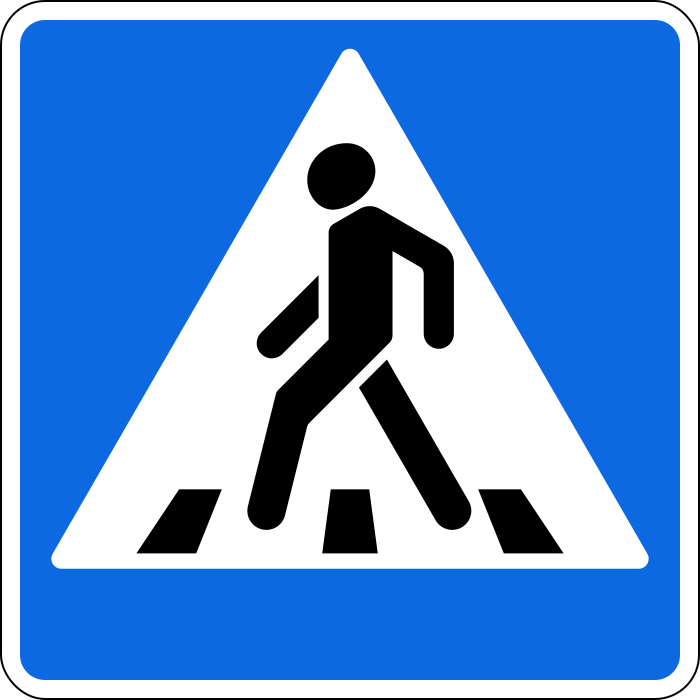
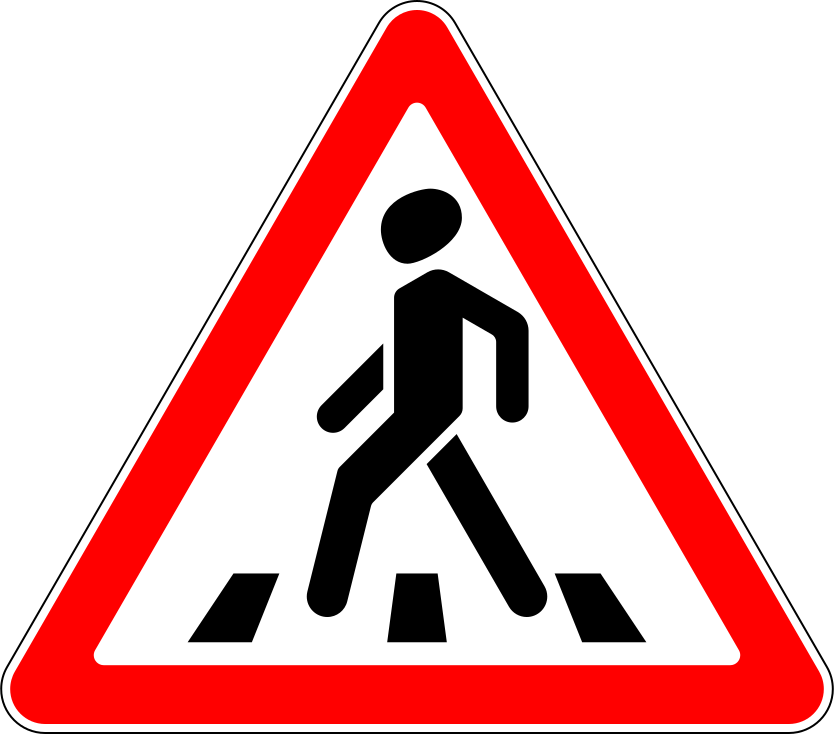
- Pedestrian crossing sign like Russia (three stripes); road zebra stripes yellow and white, but often with extra white dashes on both sides.
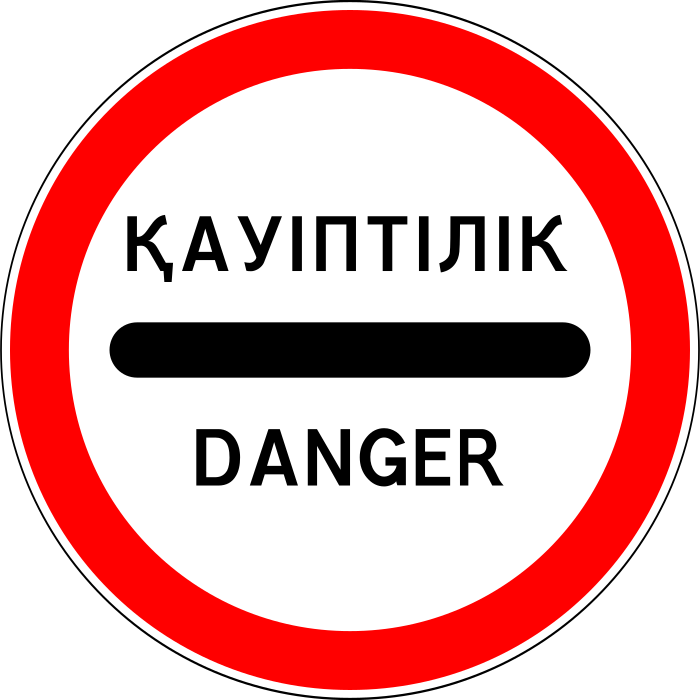
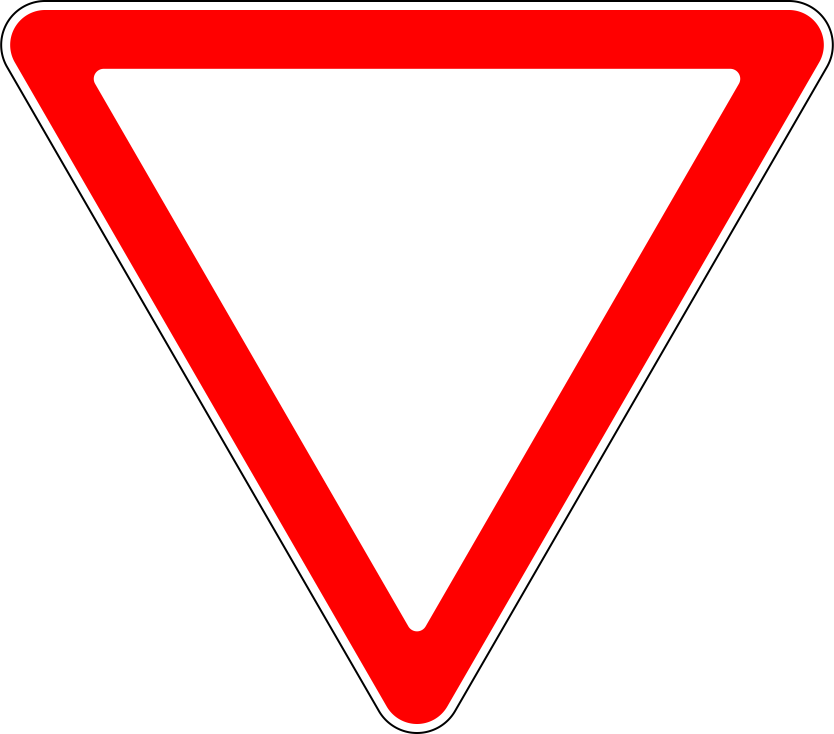
- Town and direction signs in capitals, often bilingual: Kazakh (with Ә, Ғ, Қ, Ң, Ө, Ұ, Ү, І) with Russian, on newer signs with a Latin transliteration below.
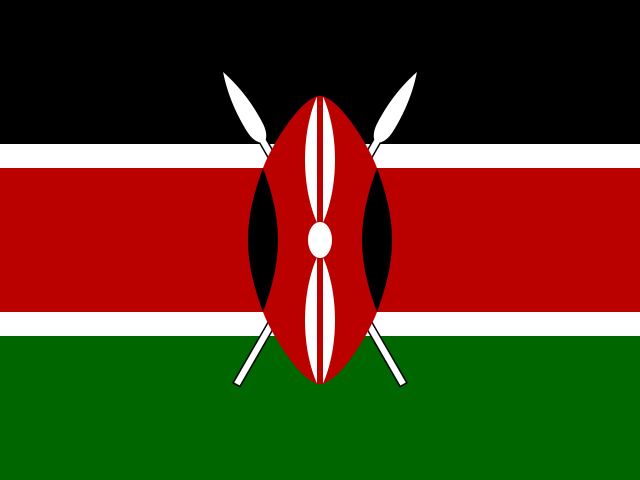
Kenya
- Direction signs on main roads are green with white text and border, road numbers in yellow (e.g. “A 109”) – per the manual, signs for collector and local roads are white with black text.
- On white signs, trunk-road numbers appear as a green patch with yellow text (e.g. “B1”).
- Road signs are rather rare and British-style: red-and-white triangles, “GIVE WAY” inside the triangle.
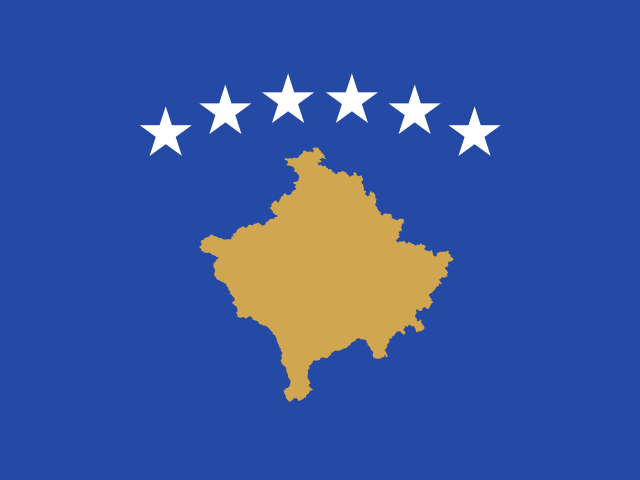
Kosovo
- Main road numbers “M-2”, “M-9” white on blue with a white border.
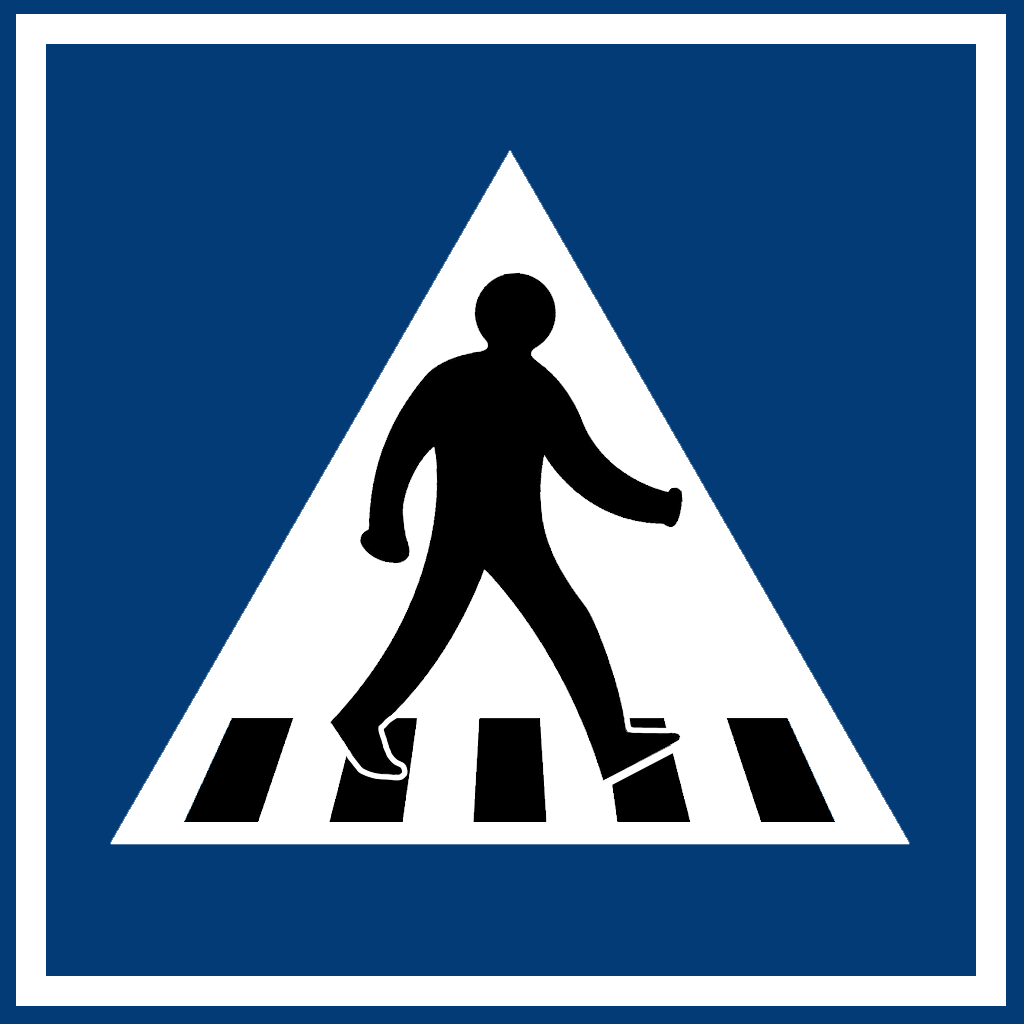
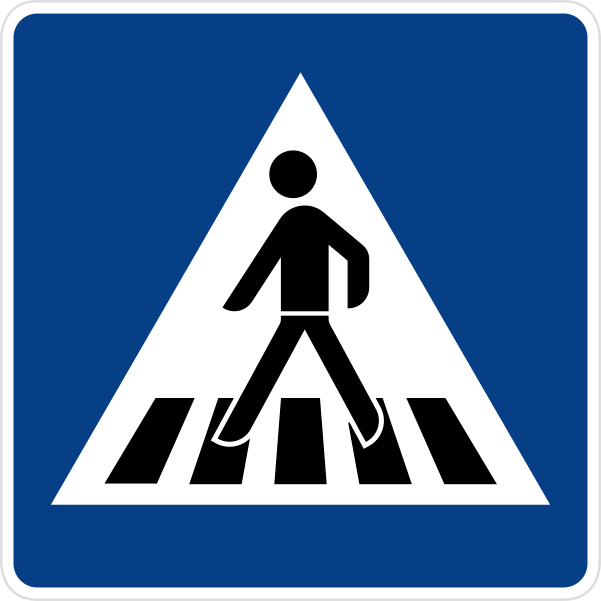
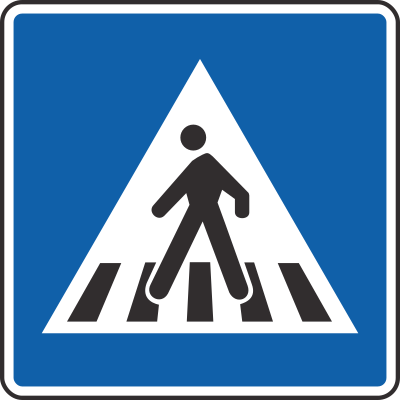
- Pedestrian crossing sign: blue square with a white triangle and zebra stripes (ex-Yugoslav style).
- Albanian is the main language: letters Ë/ë and Ç/ç, “rruga” for street.
Kyrgyzstan
- Kilometre markers with a red-and-white triangle pattern – unique to Kyrgyzstan.
- Town signs on two lines: name in Cyrillic with Latin below (white; blue variant = no built-up-area rules).
- Direction signs in Russian style: blue with white capital letters, green towards motorway/airport.
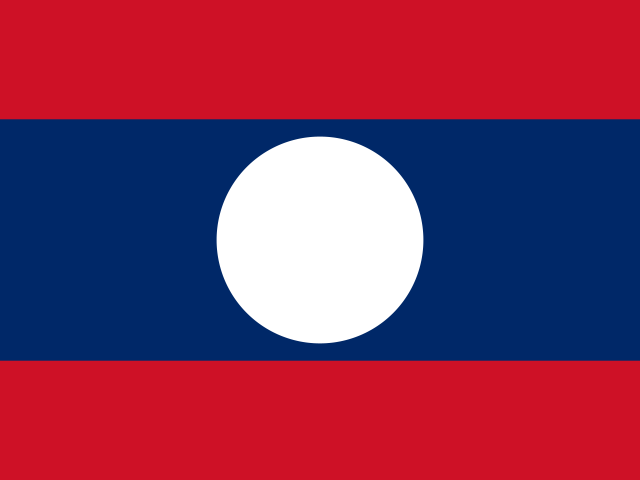
Laos
- Stop signs in Lao script “ຢຸດ” – only two characters (Thailand: three, “หยุด”), sometimes with “STOP” below.
- Lao script resembles Thai but looks rounder, with fewer straight lines in most fonts.
- Blue sign backs in Laos are only found in Luang Prabang.
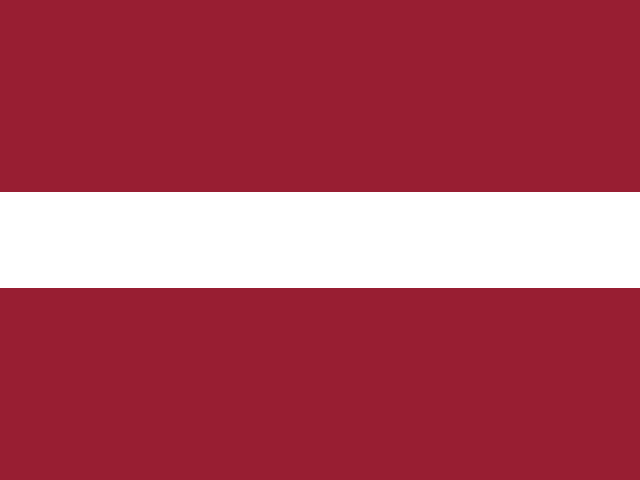
Latvia
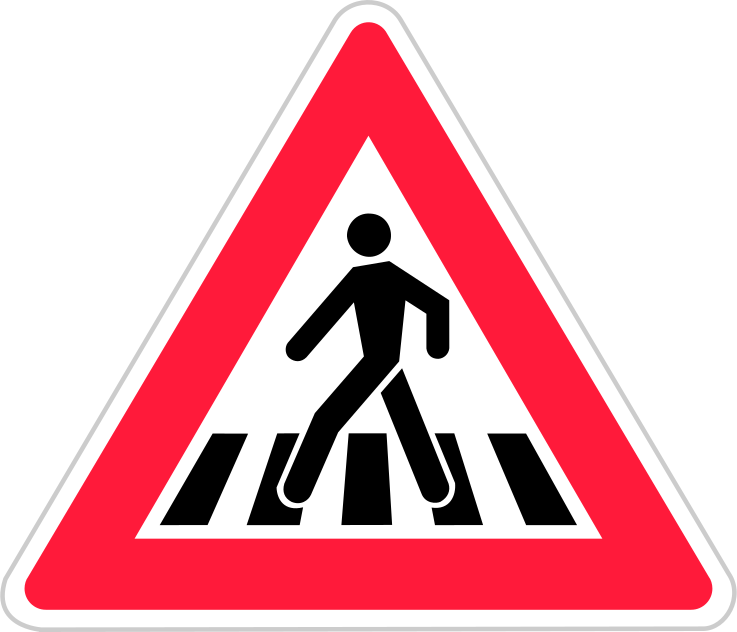
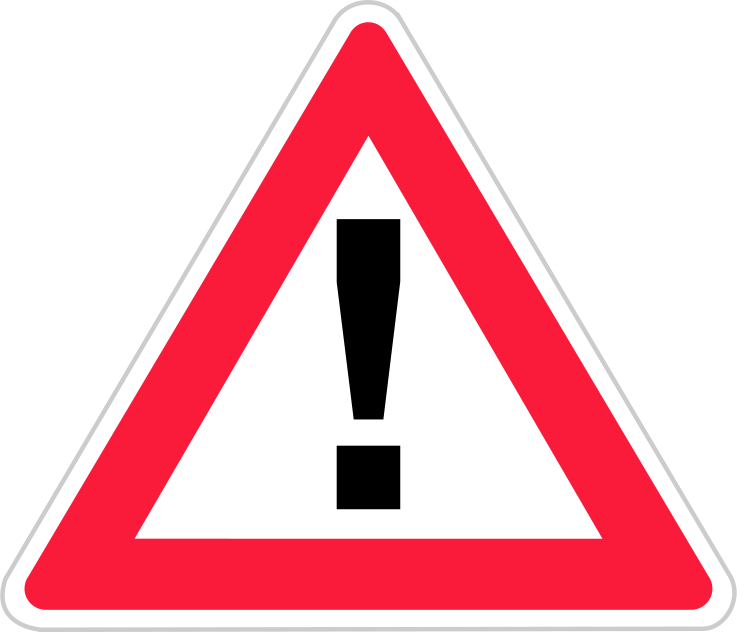
- Warning and speed signs have a thick red border with a thin white outline.
- Pedestrian crossing with 5 stripes – unique in the Baltics (Estonia and Lithuania 3); the figure has noticeably long legs.
- Chevrons white with red arrows (as in Lithuania and Poland) – Estonia the other way round.
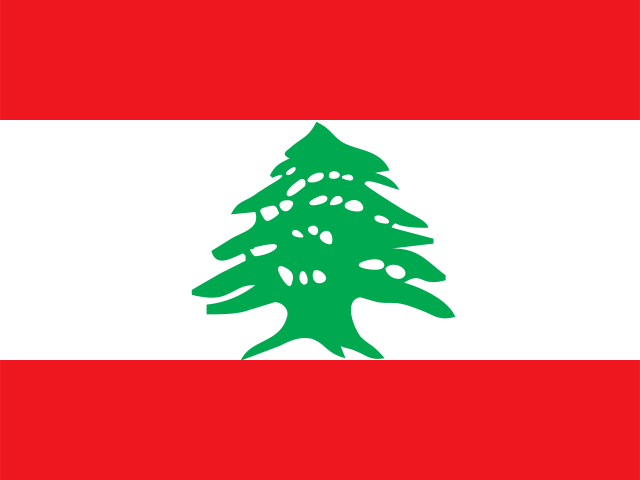
Lebanon
- Place-name signs are blue with white text: Arabic on top, Latin below – often with “Bienvenue à …” or “Welcome”.
- Place-name signs often carry the greeting “ترحب بكم” (“welcomes you”) below the name.
- Besides Arabic, lots of French and English – French is a strong Lebanon clue in the Middle East.
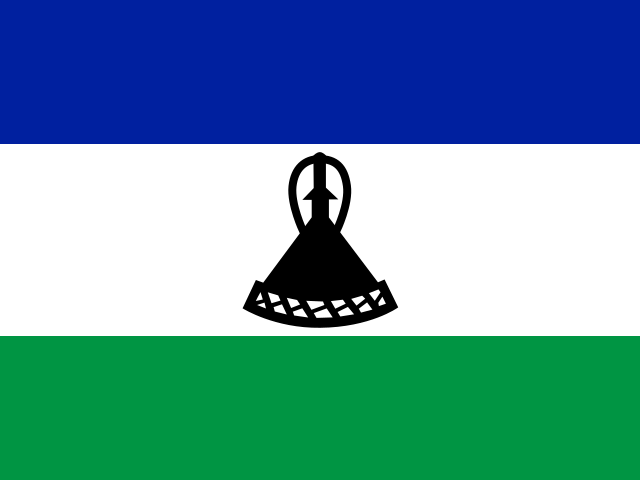
Lesotho
- Same SADC sign system as South Africa, but road numbers start with A or B (e.g. A1) – never N/R.
- Direction signs green with white text and yellow number, often with a red-and-white chevron board below.
- Pedestrian crossing: besides the SADC sign (blue square, white triangle) the older Lesotho variant with a red warning triangle inside a blue square still exists.
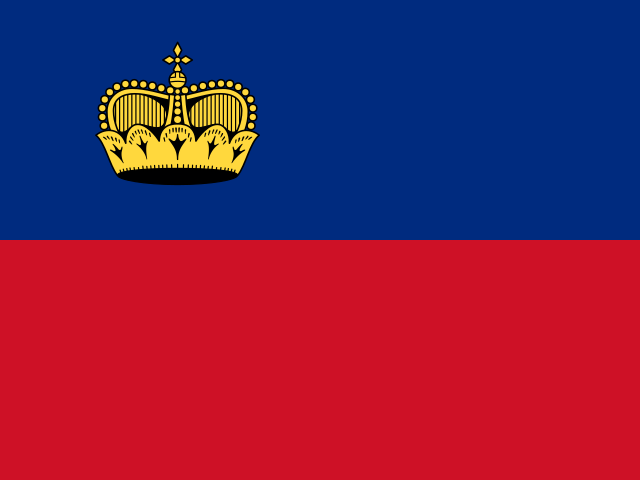
Liechtenstein
- Road signs follow the Swiss system: the pedestrian sign is a tall rectangle with seven stripes (identical to Switzerland).
- Direction signs are white (smaller roads) or blue (bigger roads), arrow-shaped with a contrasting tip; signs often have a rounded grey metal frame.
- Town signs show the crowned national coat of arms above the name (e.g. Vaduz).
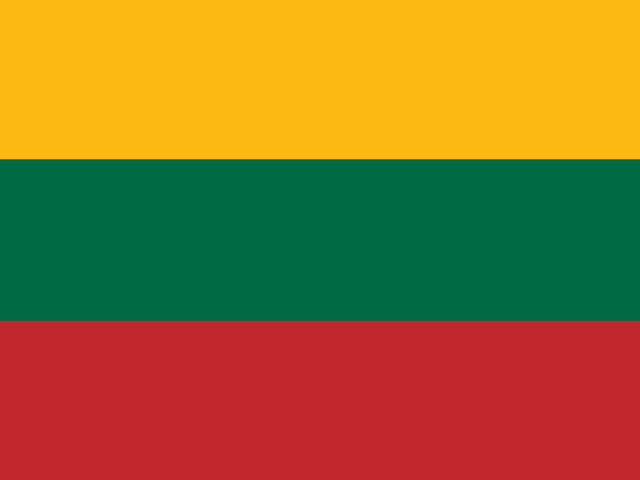
Lithuania
- Chevrons white with red arrows; small single chevrons usually have a red outline (Latvia and Poland without).
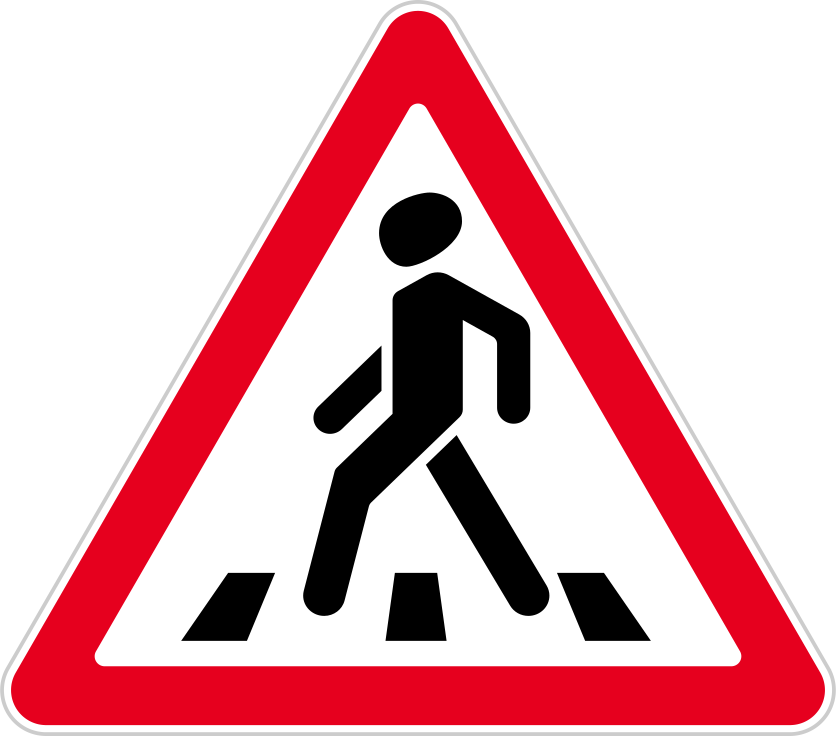
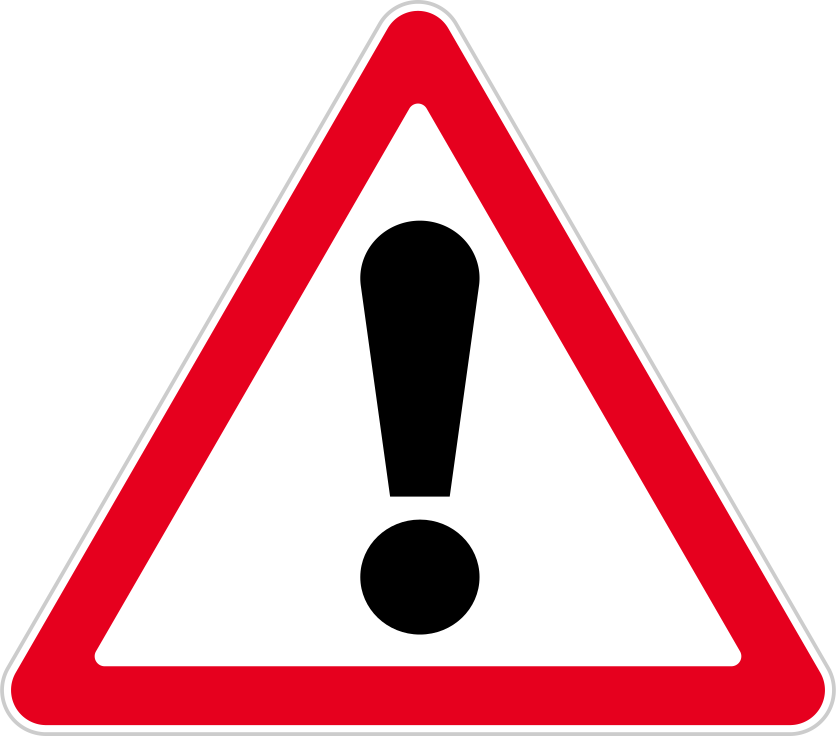
- Warning and speed signs have a relatively thin red border with a thin white outline.
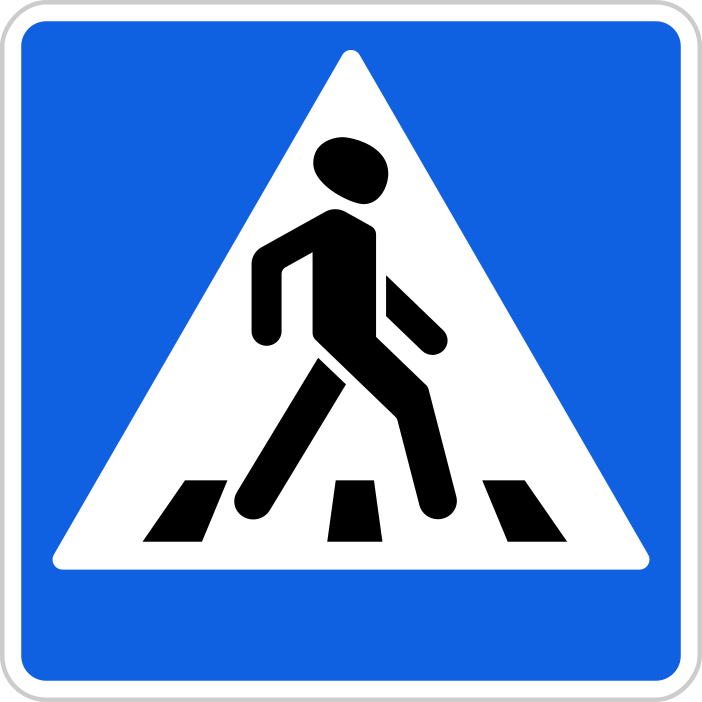
- Pedestrian crossing: 3 stripes and a low-detail figure (same as Russia/Ukraine; Estonia more detailed, Latvia 5 stripes).
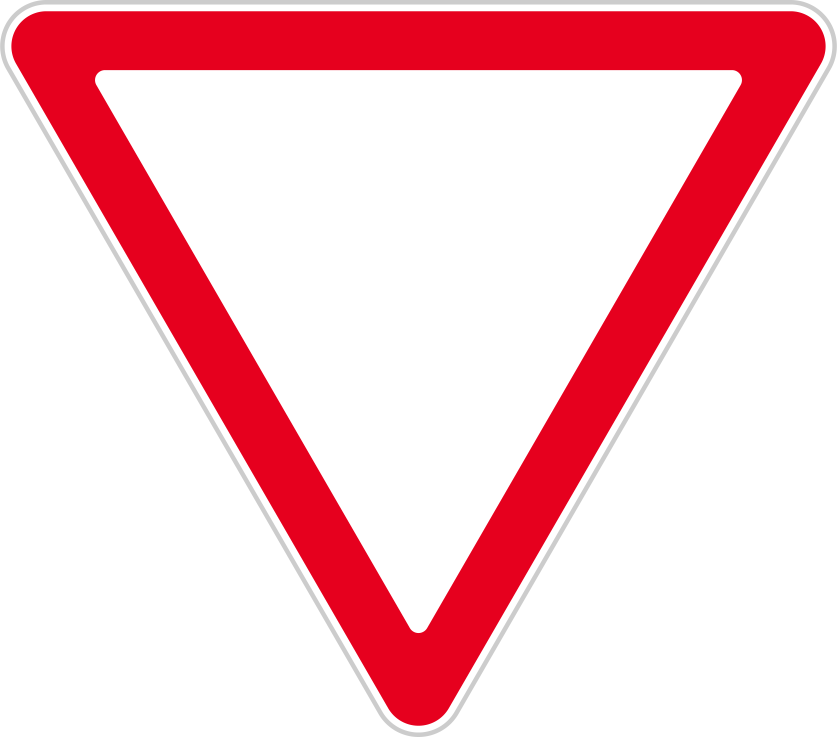
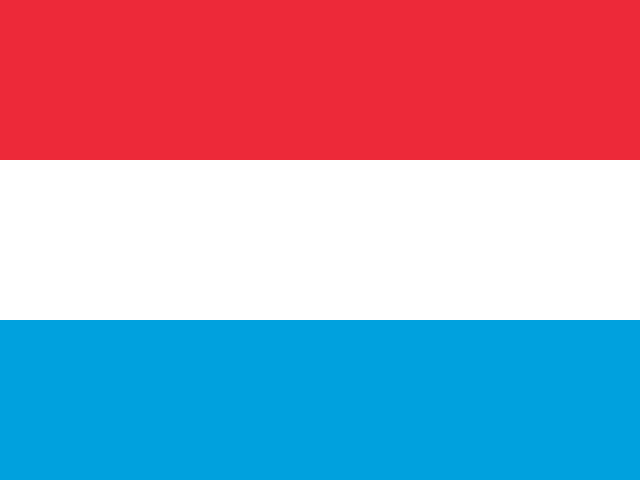
Luxembourg
- Direction signs are yellow with a thin black border, place names in UPPERCASE, arrow-shaped and surrounded by a (usually white) metal frame.
- Road numbers: N roads (1–2 digits) in a red box, CR roads (3 digits) in a yellow box; motorway direction signs are blue.
- Town signs are also yellow and framed, usually bilingual (e.g. “HESPERANGE” / “Hesper”).
Macau
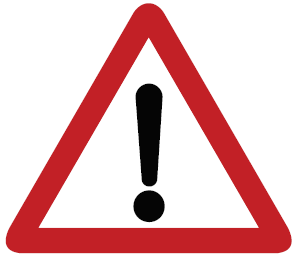
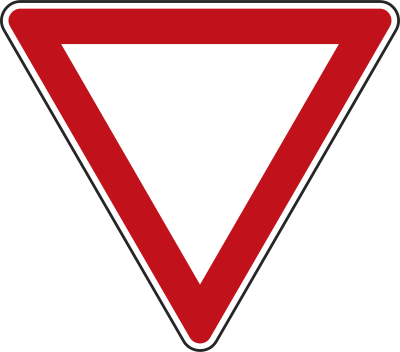
- Road signs in the style of pre-1998 Portugal with Chinese additions; warning signs are white triangles with a red border.
- Street name signs are white with a blue border, in Chinese and Portuguese (“Rua”, “Avenida”, “Travessa”) – unique.
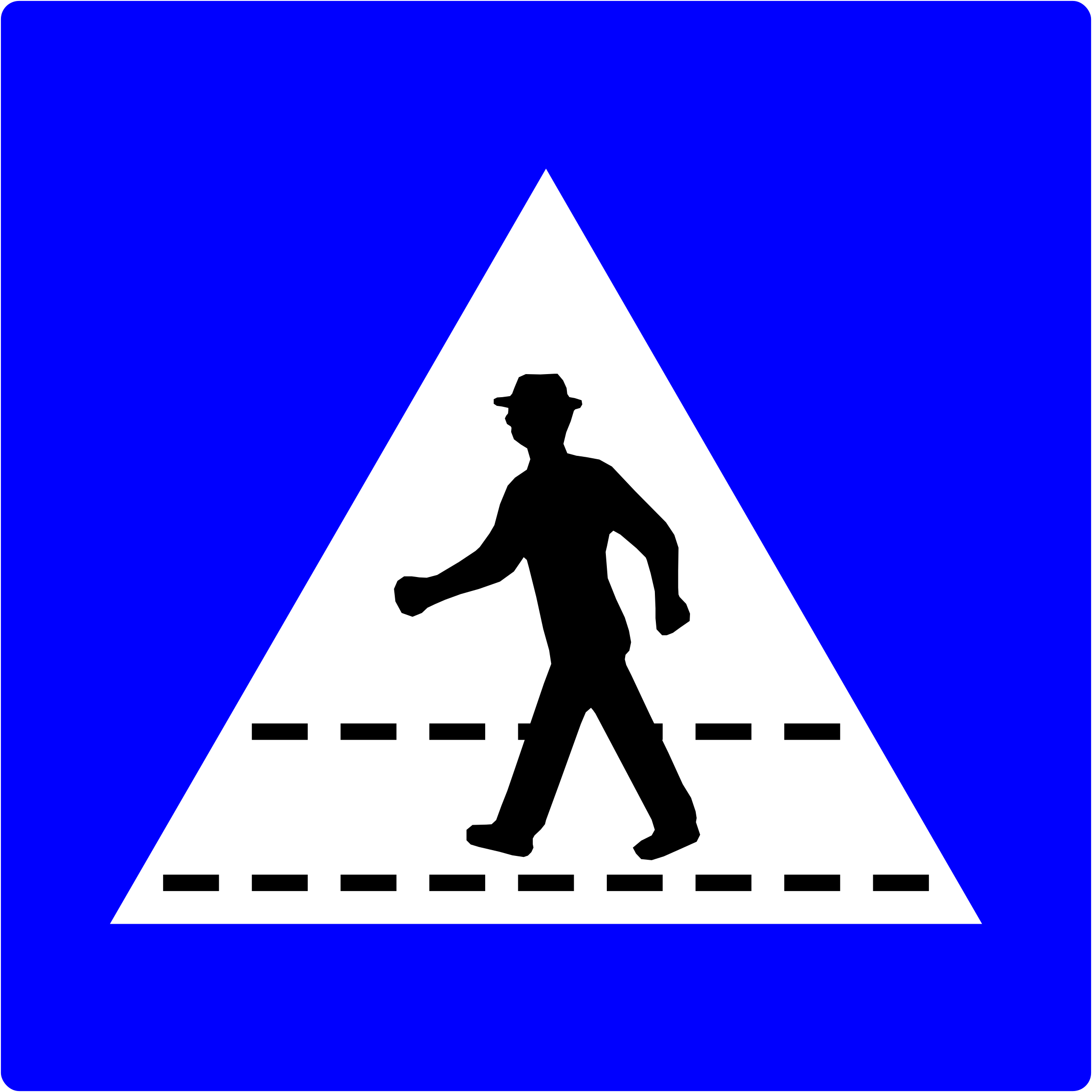
- Pedestrian crossing sign: blue square with a white triangle and figure (Hong Kong has none).
Madagascar
- French style: kilometre stones are white with a red top and an “RN” number (e.g. “RN 6”), towns with distances below.
- Direction signs white and arrow-shaped with black ALL-CAPS text (e.g. “PORT MORONDAVA”).
- Signs in French and Malagasy – long, multi-syllable place names (Antananarivo, Andavadoaka …).
Malaysia
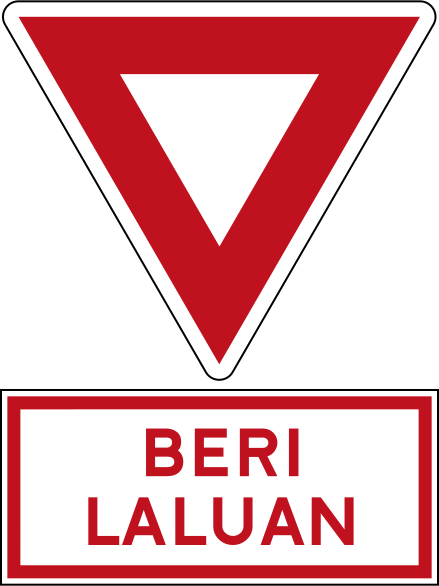
- “BERHENTI” stop signs and the give-way triangle with a “BERI LALUAN” plate – unique to Malaysia.
- Warning signs are yellow diamonds with a black border (like Thailand/Indonesia) – Singapore uses red triangles on a white board instead.
- Direction signs: blue on federal and state roads, green on tolled expressways. Route numbers sit in yellow hexagons – unique to Malaysia.
Malta
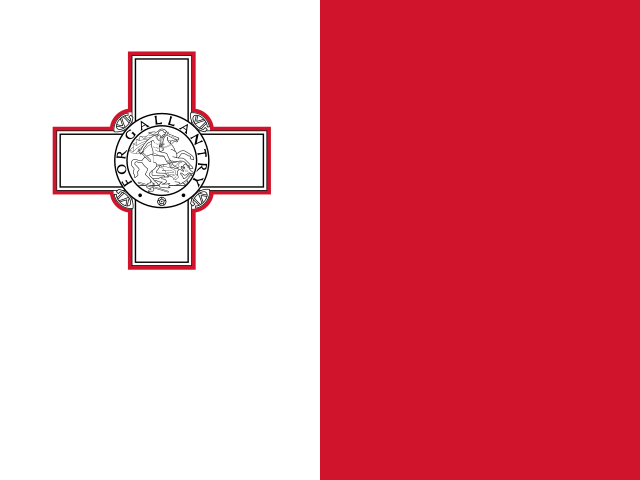
- Left-hand traffic (in Europe otherwise only UK, Ireland, Cyprus and the Crown Dependencies Jersey, Guernsey and the Isle of Man).
- Direction signs are blue with a white border and white text, route numbers in small outlined boxes, distances with “km”; Maltese and English names (e.g. “Għawdex (Gozo)”).
- Street signs say “Triq” (street) and use the Maltese letters Ċ, Ġ, Ħ, Ż.
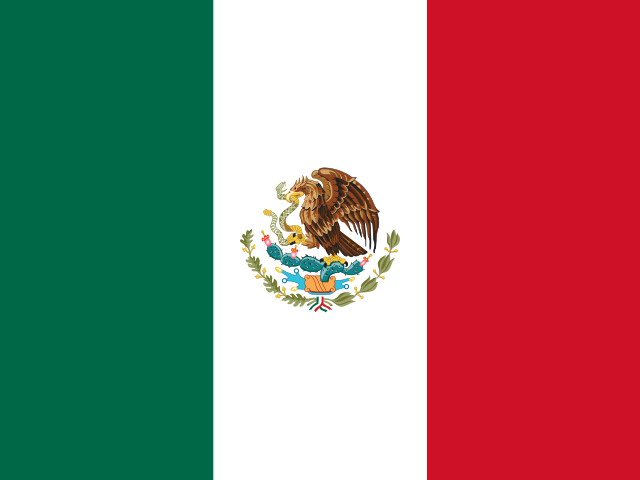
Mexico
- “ALTO” on stop signs – as in Guatemala, Costa Rica and Panama; South America, Puerto Rico and the Dominican Republic use “PARE”.
- Green direction signs with a strikingly large white ALL-CAPS font; arrows on signs are very thick.
- Two route shields: federal highways have a curvy shield with “MÉXICO” on top, state roads a straight-edged shield with the state initials on top.
Monaco
- Road signs follow the French pattern (same shapes, colours and font as in France).
- Urban direction signs are often white, arrow-shaped with a black border and dark red italic lettering.
- Short Monégasque plates without the blue EU strip; lots of French cars too (old coverage still shows yellow rear plates).
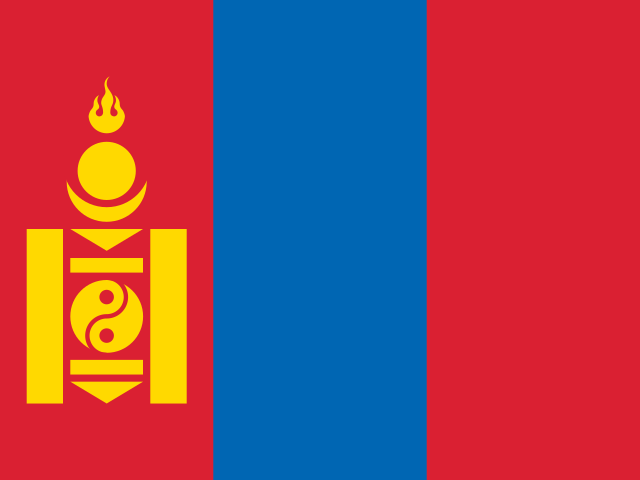
Mongolia
- Stop sign reading “ЗОГС” – unique to Mongolia.
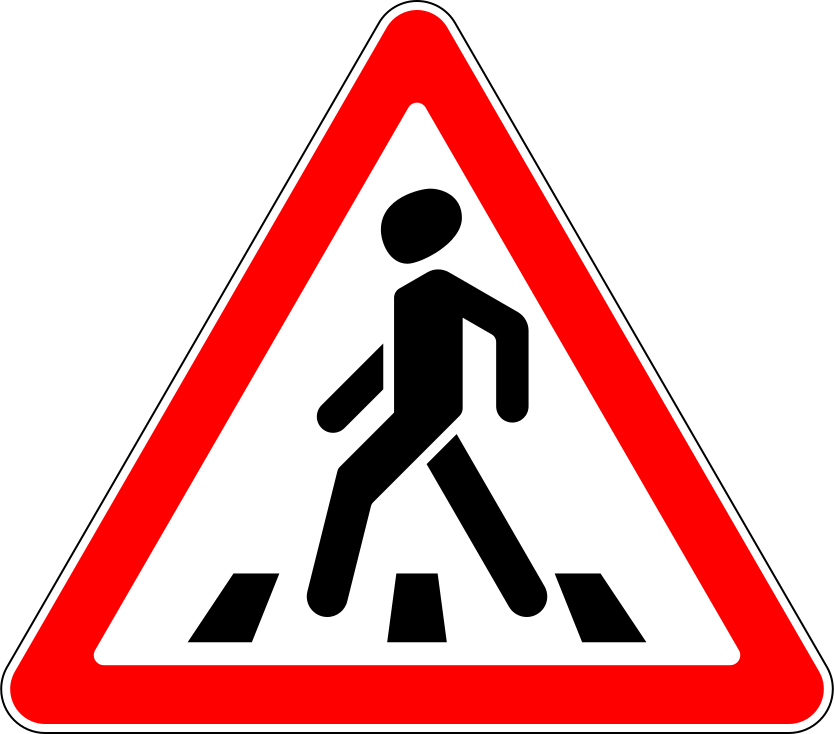
- Russian-influenced signs: pedestrian crossing sign with three stripes as in Russia.
- Cyrillic script with the extra letters Ө and Ү (also in Kazakh and Kyrgyz); occasionally Latin or traditional Mongolian script.
Montenegro
- Chevrons black on white or red on yellow – Albania instead uses white on black.
- Text in Latin script only (Serbia and North Macedonia also use Cyrillic).
- Direction signs yellow with a black border, sometimes arrow-shaped (similar to Croatia, Slovenia, Serbia).
Namibia
- Green direction signs with yellow numbers; numbering A/B plus C, D, M and F roads – C/D numbers only exist in Namibia.
- D roads are grouped by region: 3 digits in the far south, 4 digits further north starting with 1, 2 and finally 3.
- Same SADC sign system as South Africa: white warning triangles with red border, single red chevrons, thin delineators.
Nepal
- Signposts striped black and white.
- Devanagari script as in northern India, but signs often use native Devanagari numerals (१२३…) – rare in India. The letters ङ/ङ्ग are much more common in Nepali than in Hindi.
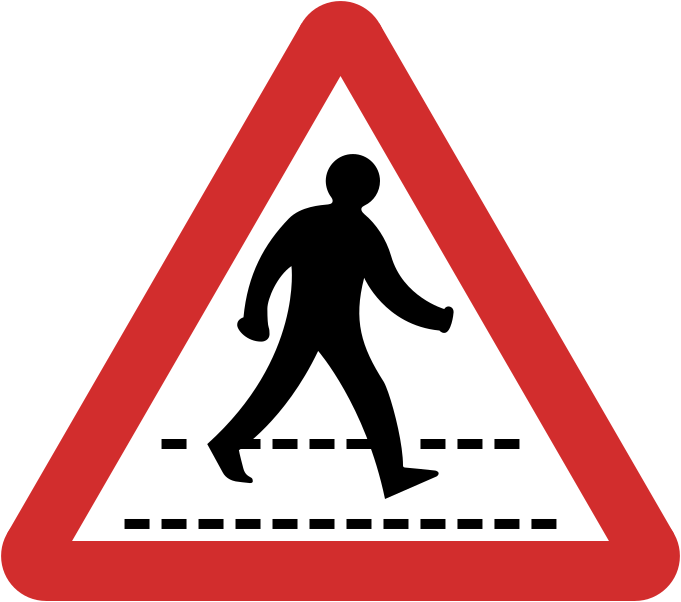
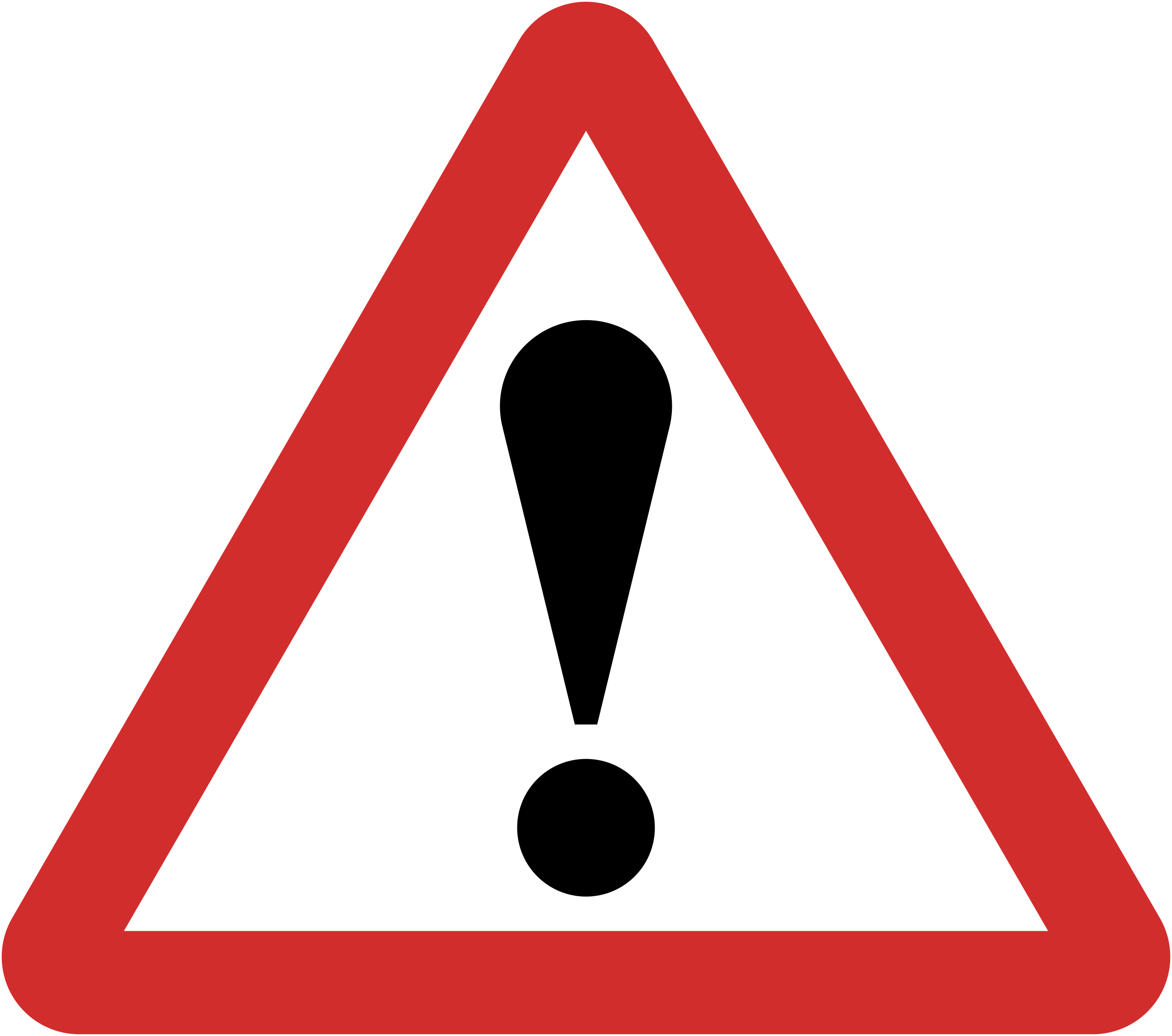
- British-style signs (1997 manual): warning signs are white triangles with a red border.
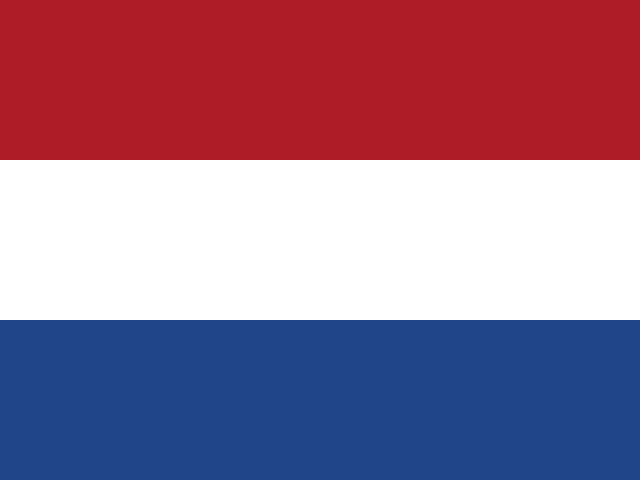
Netherlands
- Direction signs are blue with white lettering (ANWB font); cycle direction signs are white with a red border and red text.
- Motorway numbers white on red (A), provincial roads black on yellow (N); hectometre posts are green with a red (A) or yellow (N) number box.
- Town entry signs are blue, often with “gemeente …” below.
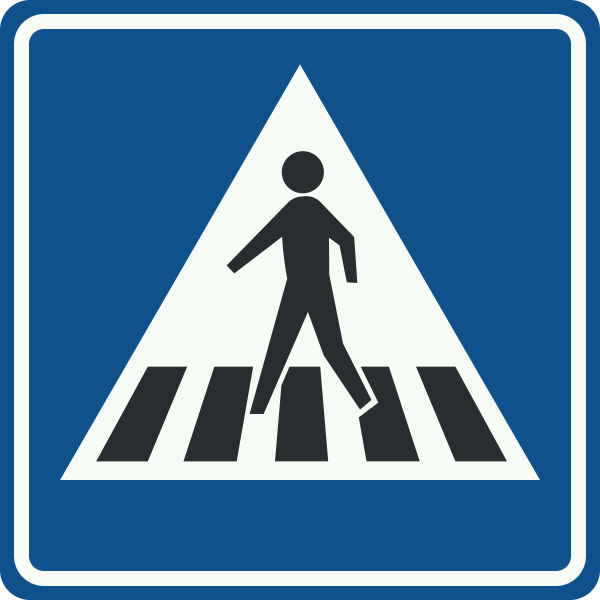
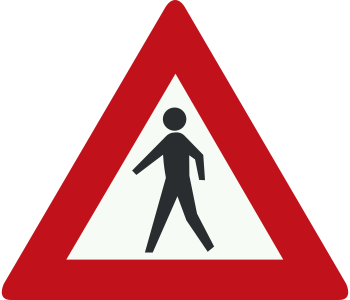
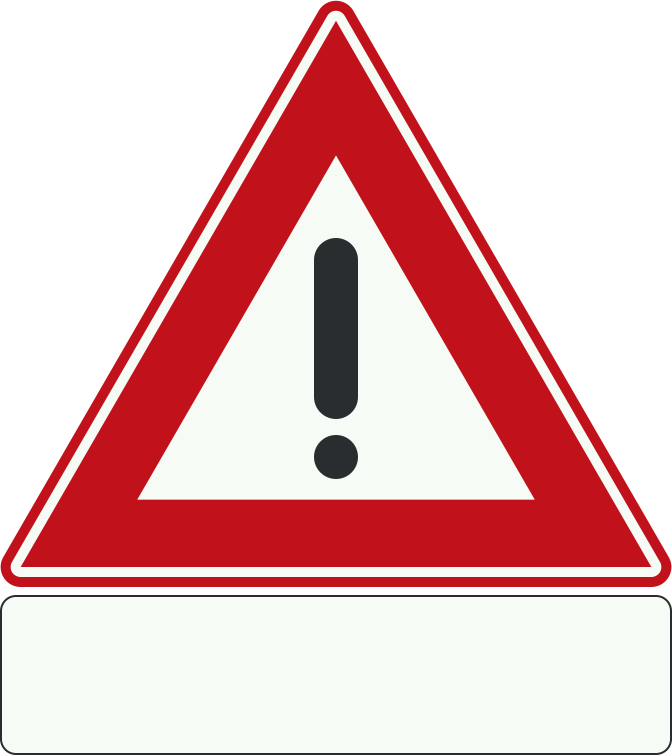
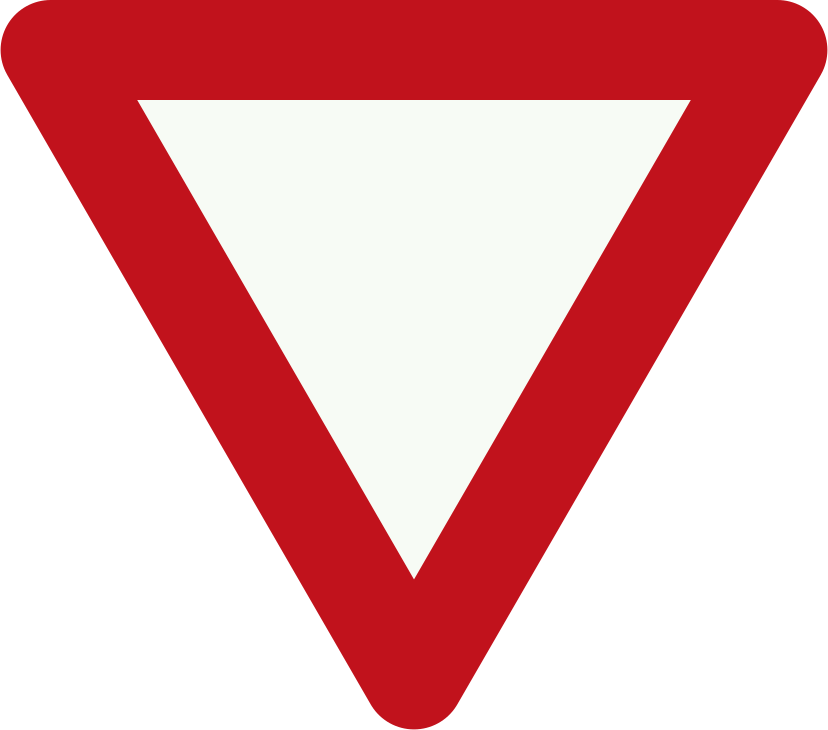
New Zealand
- “GIVE WAY” sign with a white border and red text (Australia: black text).
- Warning signs are yellow diamonds; direction and warning signs mostly on white posts.
- Chevrons black on yellow with a thin black border, often with an advisory speed (Australia: no border).
Nigeria
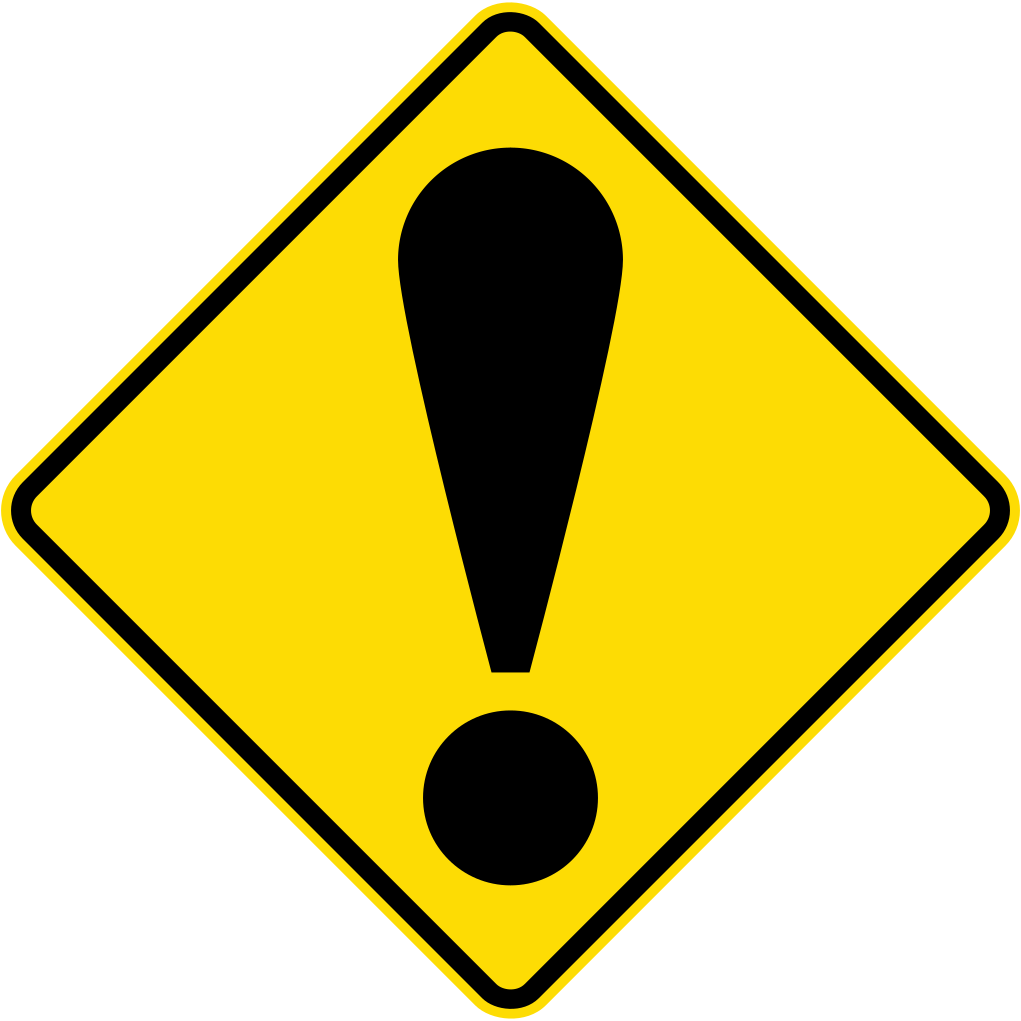
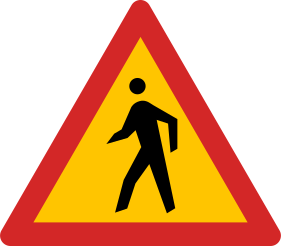
- According to the official manual (Federal Ministry of Works), warning signs and many prohibitory signs have a yellow background with a red border – on the ground you see both yellow and white versions.
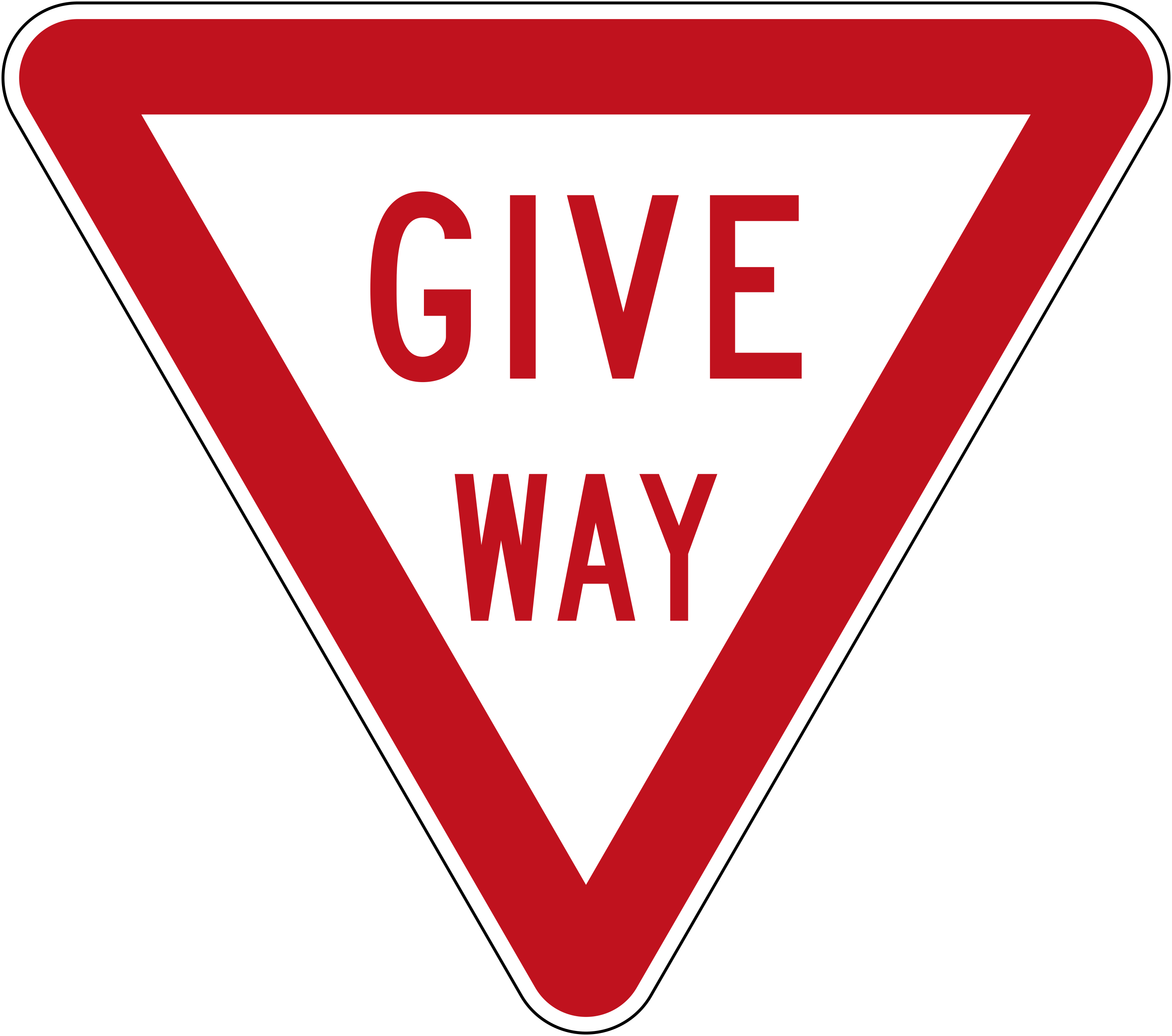
- STOP signs often have a yellow border, sometimes yellow lettering; “GIVE WAY” is written inside the triangle, sometimes on yellow.
- Speed limit signs often show “KPH” or “km/h” below the number (also seen in Uganda).
North Macedonia
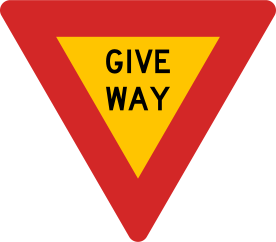
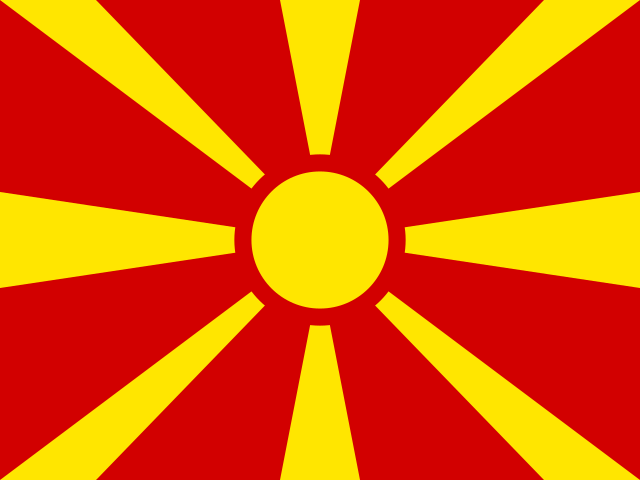
- Warning signs in practice mostly yellow-filled instead of white – in south-eastern Europe otherwise mainly Greece (occasionally Slovenia).
- Direction signs yellow with place names in Cyrillic and Latin (Скопје / Skopje); Serbia is similarly bi-script, Croatia/Slovenia/Montenegro are not.
- Other signs almost only in Cyrillic; Ѓ, Ќ and Ѕ are unique to Macedonian.
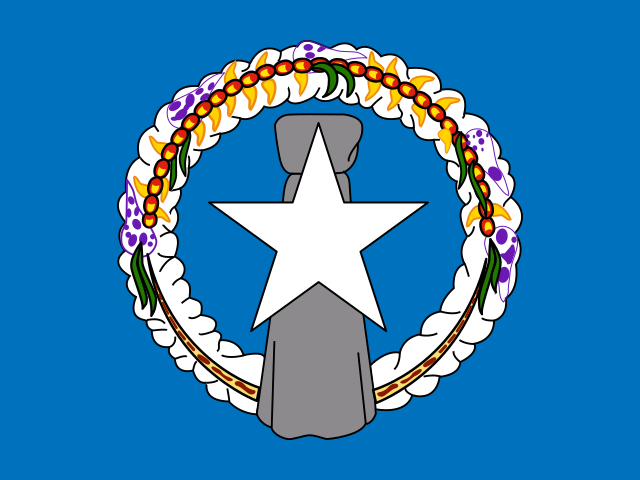
Northern Mariana Islands
- US-standard traffic signs (STOP, SPEED LIMIT in mph, yellow diamonds).
- Blue street name signs – Guam uses green ones.
- Shop and advertising signs often in Japanese, Korean, Chinese or Russian.
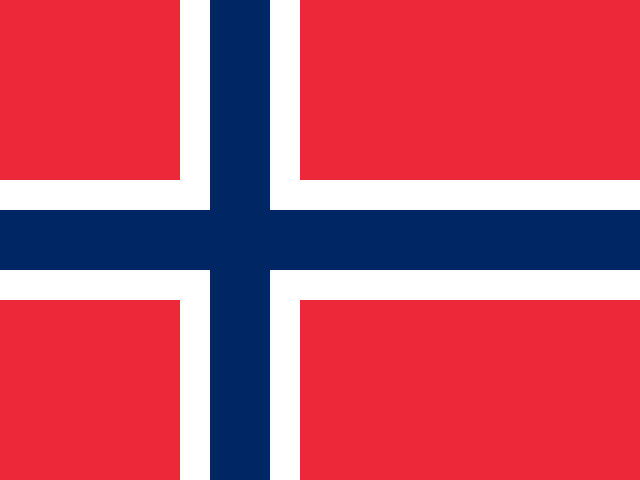
Norway
- Warning and prohibitory signs have a red border on a white background – Sweden, Finland and Iceland use yellow.
- Direction signs yellow with a black border; road number in a green box (European and major roads) or a white box (smaller roads).
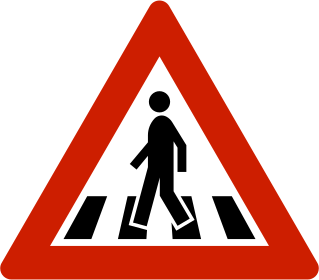
- Pedestrian crossing usually with 4 stripes and a very simple figure; rarely 5 stripes or a figure wearing a hat.
Oman
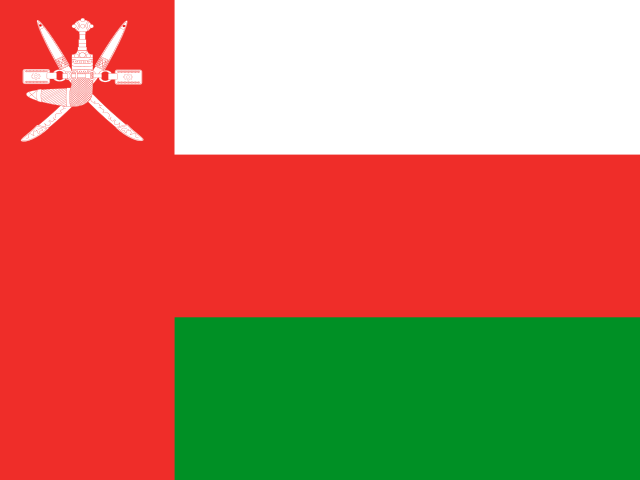
- Direction signs are blue with white text, Arabic and English (similar to the UAE and Qatar).
- Sign posts are often striped black and white – in the Middle East only in Oman and the UAE.
- Chevrons are black and yellow with an unusually large number of arrows.
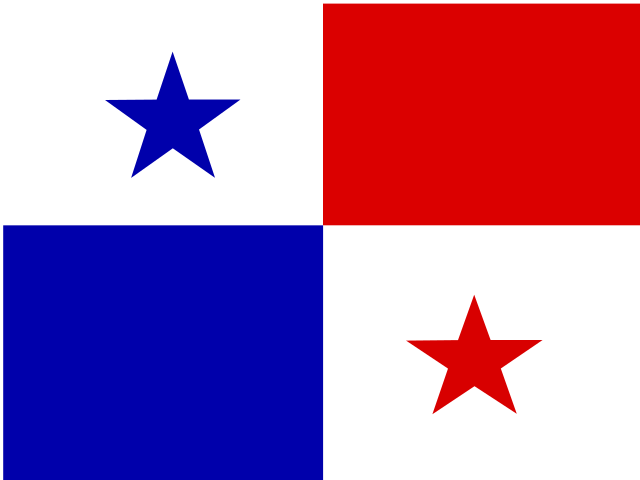
Panama
- “ALTO” on stop signs, but with a noticeably thicker font than in Mexico, Guatemala and Costa Rica.
- Unique: red octagonal signs with an oddly realistic eye.
- Route shield like a US shield: white with “PANAMÁ” above the number; tall white kilometre posts with this shield and digits stacked under “Km”.


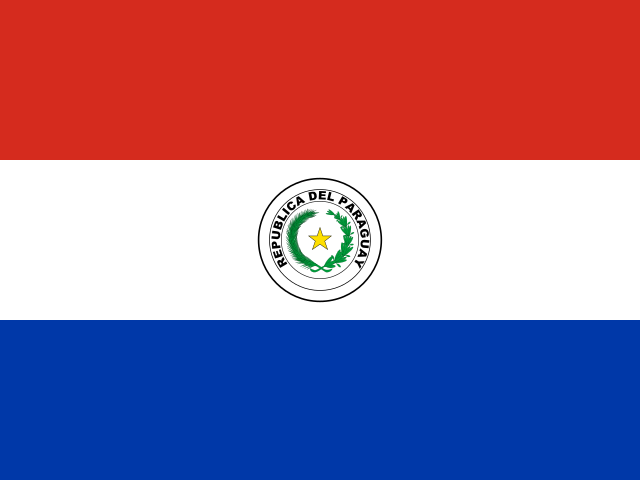
Paraguay
- Sign backs often painted black – like Brazil, otherwise rare in South America.
- Kilometre signs with the route number (“PY01” …) and a red-white-blue stripe in the national colours.
- National routes have been called “PY01” to “PY22” since 2019 (formerly Ruta 1, 2 …).
Peru
- Black-and-white striped sign posts – unique in South America (in places black and yellow).
- Metal posts stand on concrete blocks – in South America only in Peru.
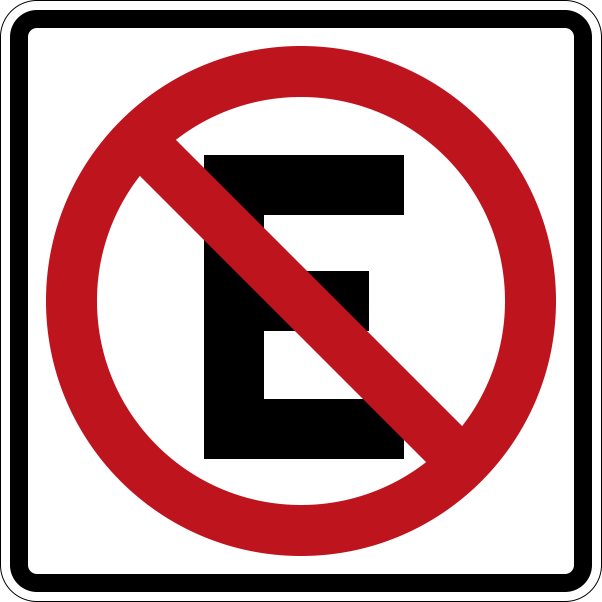
- Many regulatory signs sit on a white square plate with a black border (e.g. no parking, 50 limit with “km/h”).
Philippines
- Warning signs are red-bordered triangles (Vienna Convention), but pedestrian and school signs are fluorescent yellow-green, as US-style pentagons or round.
- Chevrons are usually red on white.
- Sign posts are often painted red, orange or yellow.
Pitcairn Islands
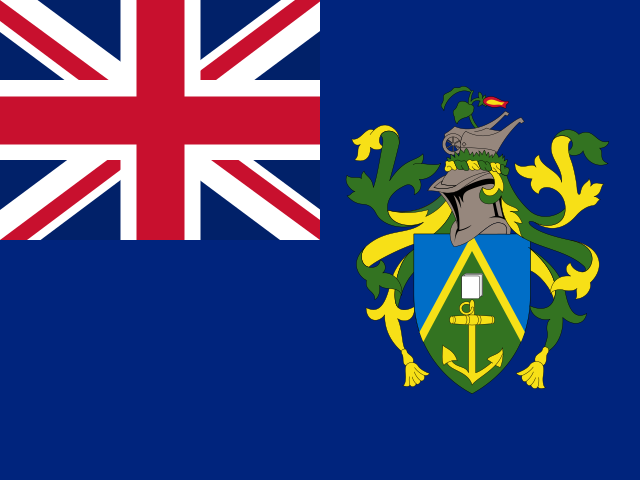
- Practically no traffic signs – only Generation 3 trekkers on Pitcairn and Henderson Island (counts as the UK for streaks).
- Dense subtropical forest with narrow dirt tracks on strikingly red soil.
- Adamstown is the only settlement; some of its roads are concrete rather than dirt.
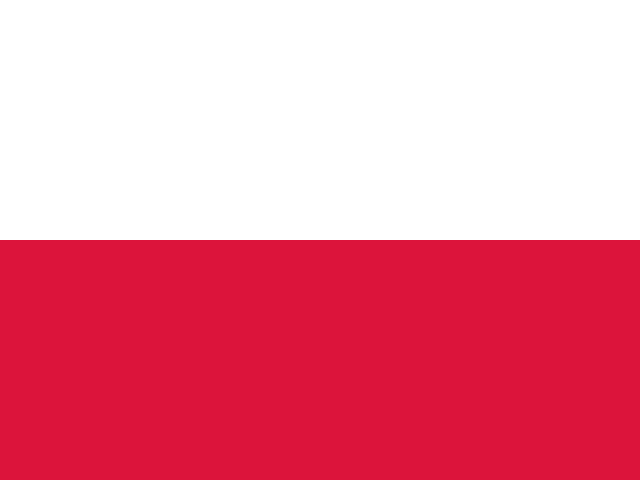
Poland
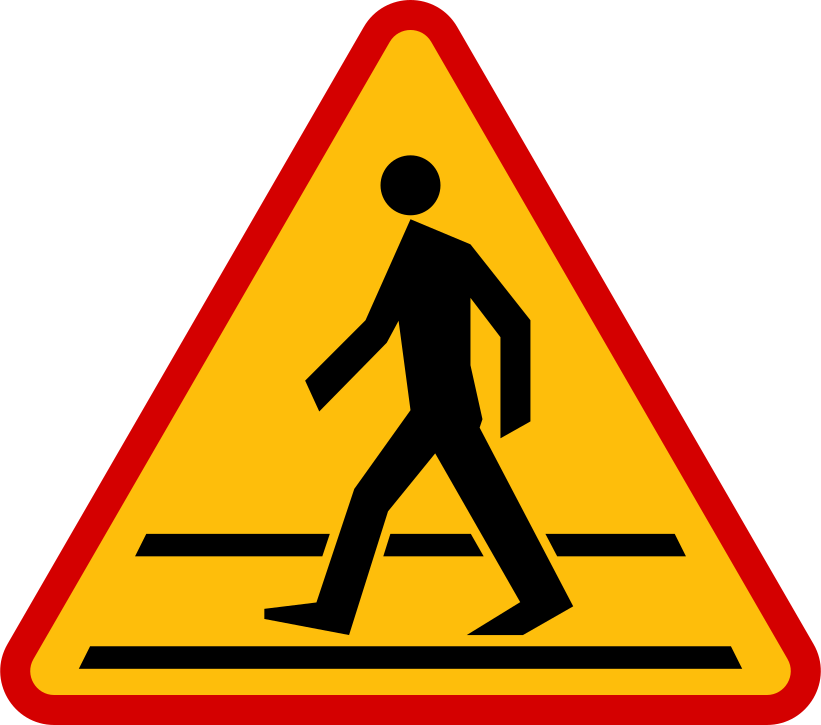
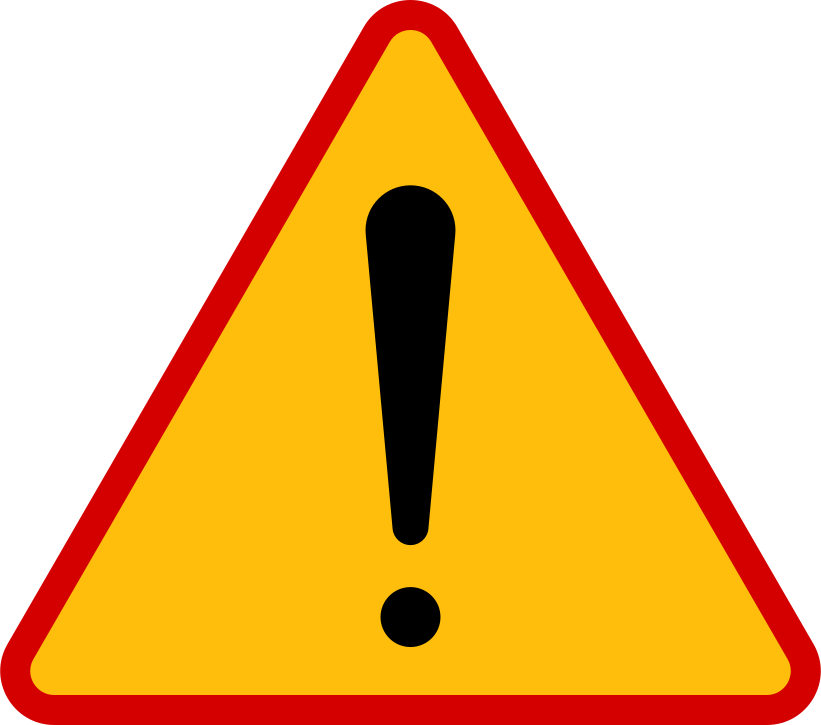
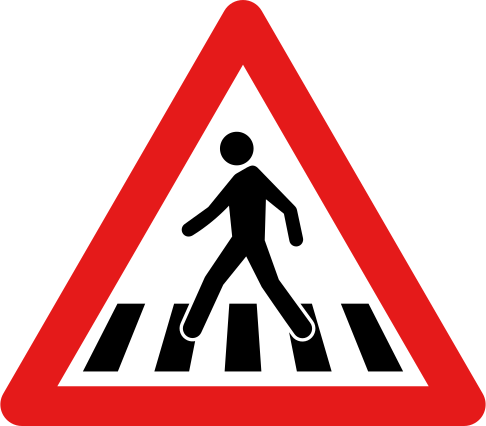
- Warning signs yellow with a thin red border – unique in Central Europe (Sweden: wide border; Greece and North Macedonia also yellow). Prohibitory signs white with a thicker border.
- Pedestrian crossing: instead of zebra stripes just one dashed horizontal line.
- Direction signs green with their own font; expressways and motorways blue.
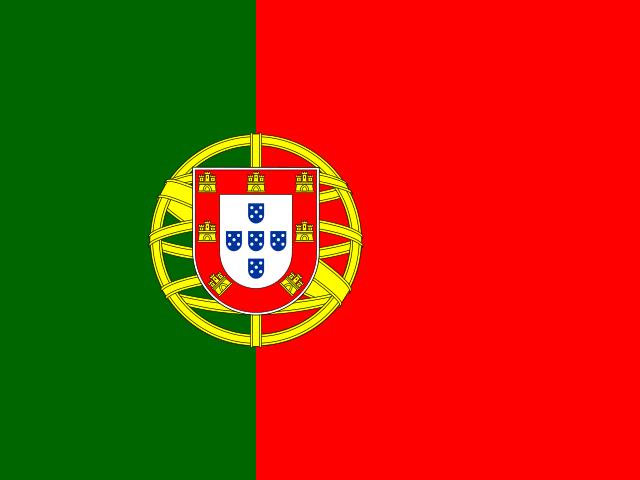
Portugal
- Pedestrian sign (H7) with 5 stripes; the figure wears a noticeably high belt (Spain: 8 stripes, Italy: no belt).
- Road signs have a white outer rim (most Spanish signs do not).
- The STOP sign has a large font (Spain: small and narrow).
Puerto Rico
- US-standard (MUTCD) signs, but in Spanish – unique within the US.
- Stop signs say “PARE” instead of “STOP” (as in South America and the Dominican Republic).
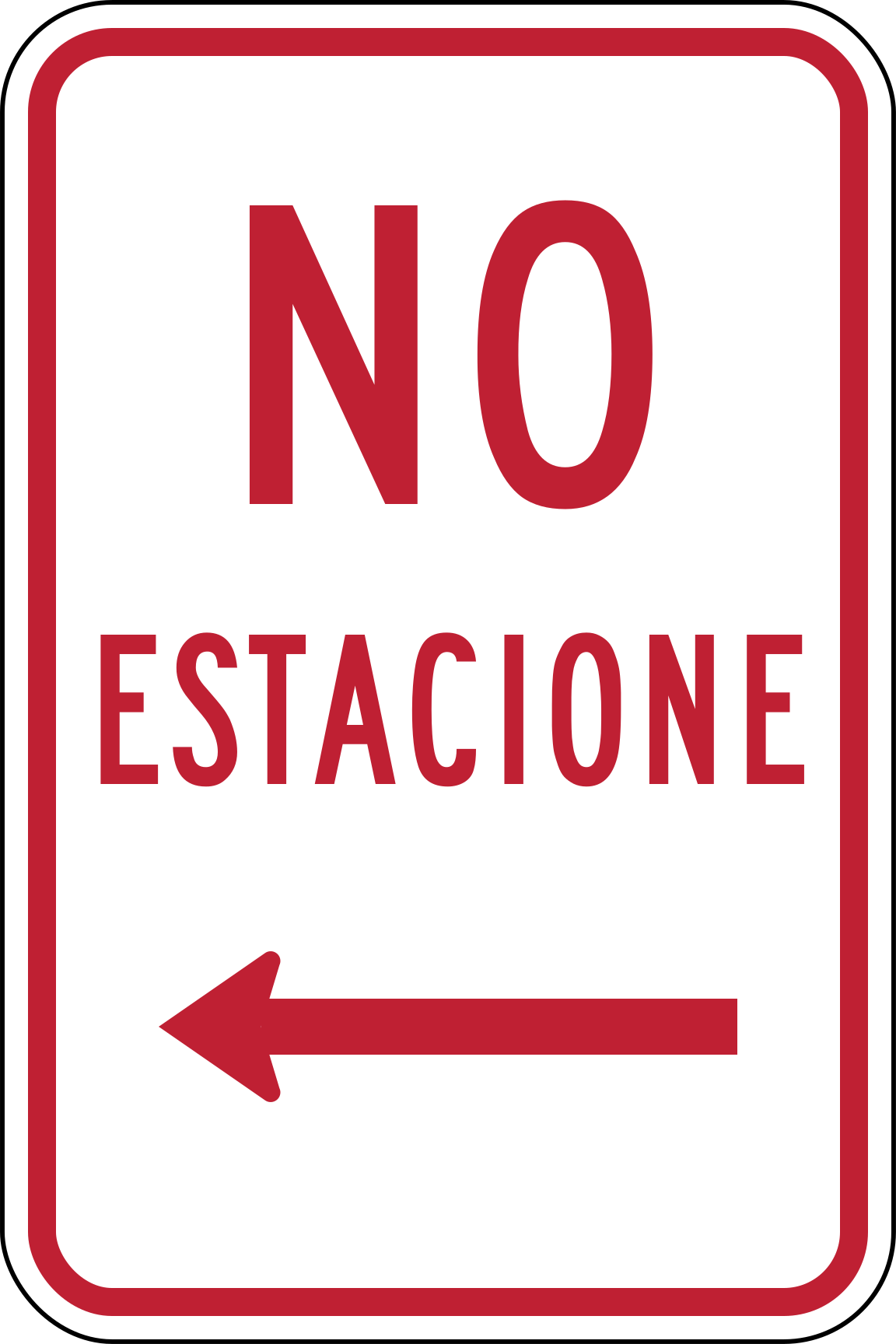
- Speed sign in the US shape but in Spanish (“VELOCIDAD MÁXIMA”), speed in mph – kilometre markers and some distances are metric.
Qatar
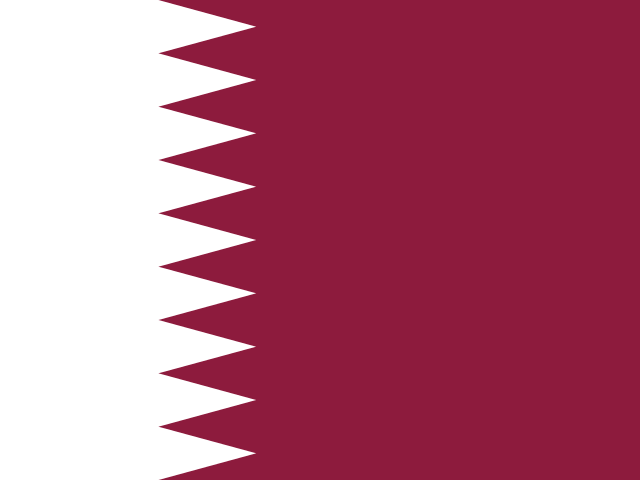
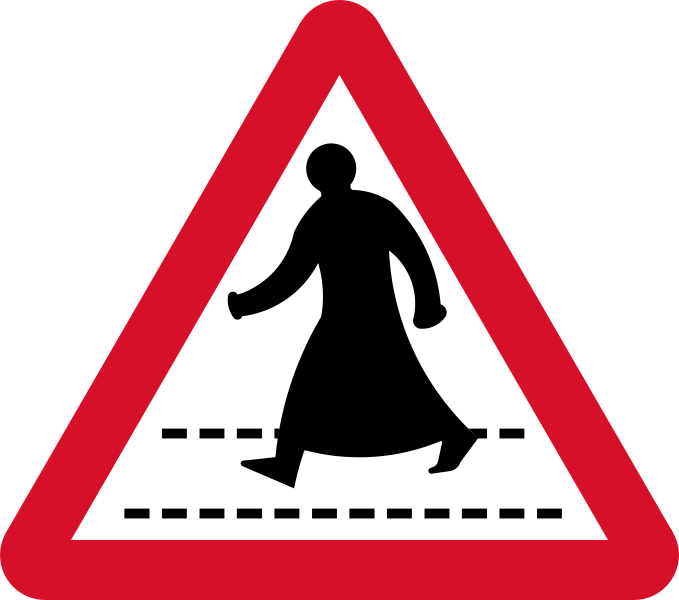
- The figure on pedestrian signs wears a thobe (long robe) – unique.
- Chevrons are white on red or white on blue.
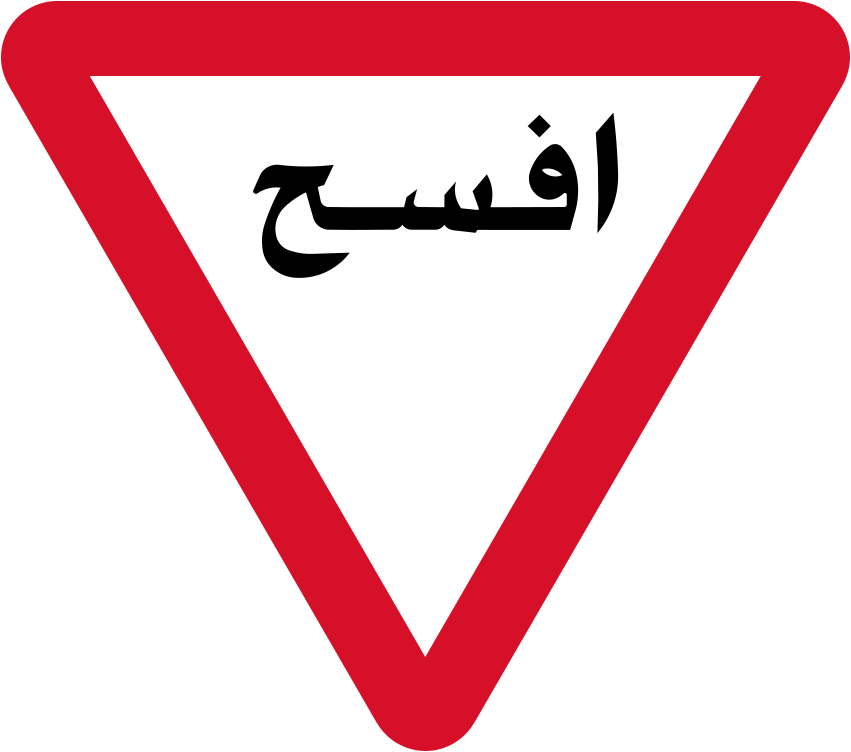
- Give-way triangle with the Arabic word “افسح” inside; stop sign “قف” + “STOP”.
Romania
- Direction signs blue, arrow-shaped with a white border; the national road (DN) number sits in a red box. Motorway signs green.
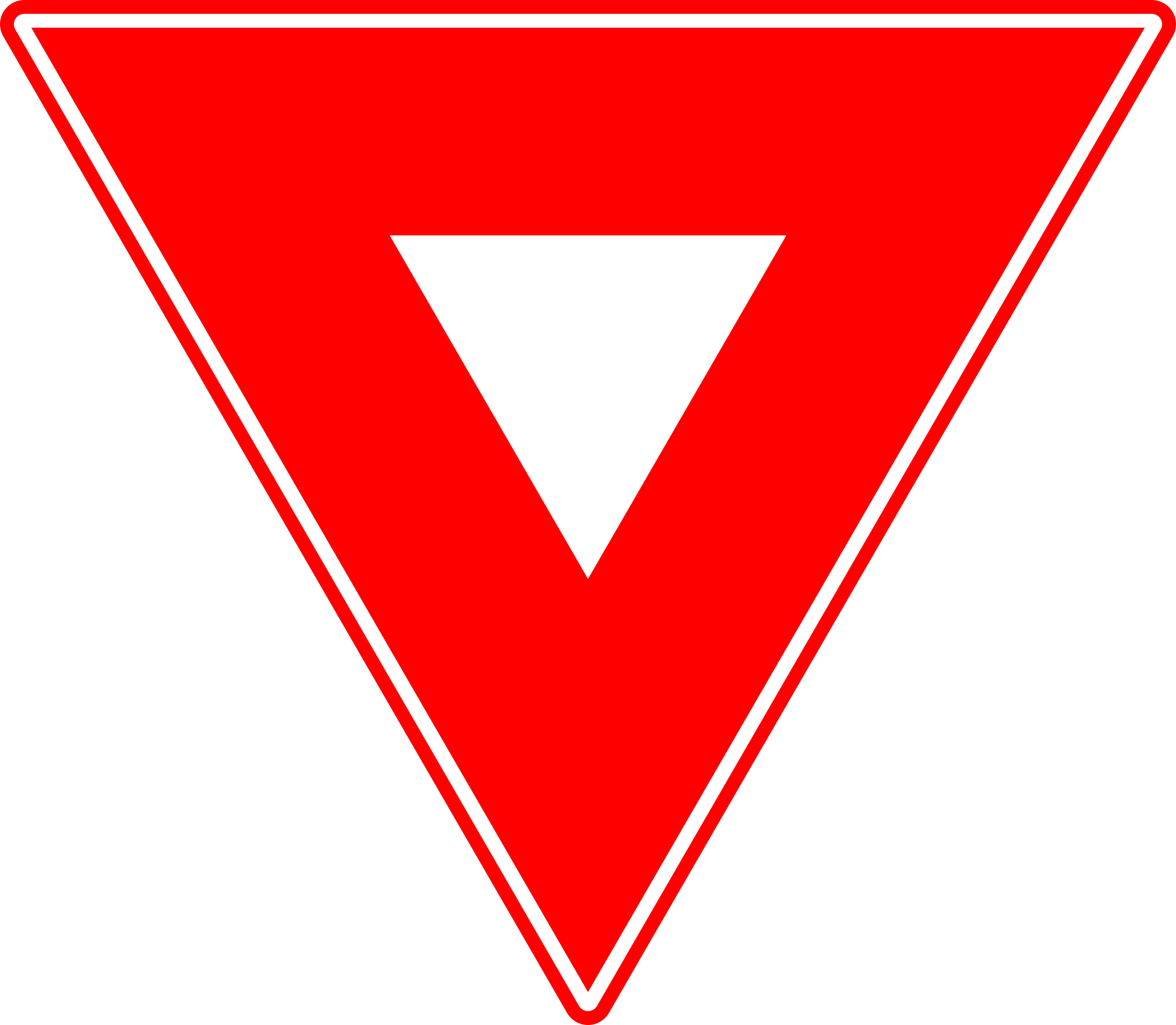
- Give-way sign with an extremely thick red border and a thin white outer rim – unique to Romania (other variants exist too).
- Town entry: white sign with black town name, often topped by a yellow panel with the speed limit and a city skyline.
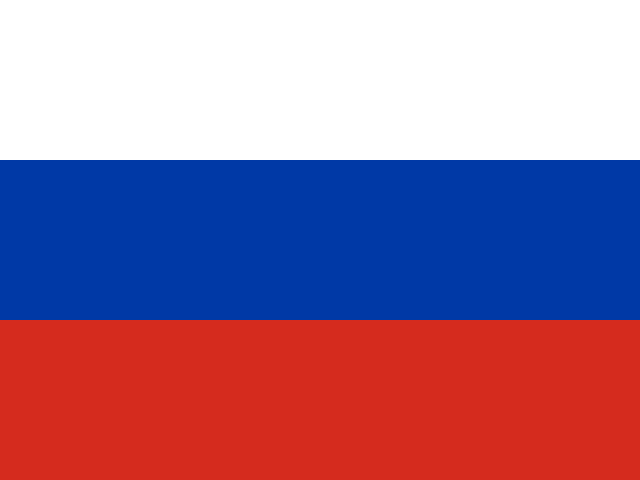
Russia
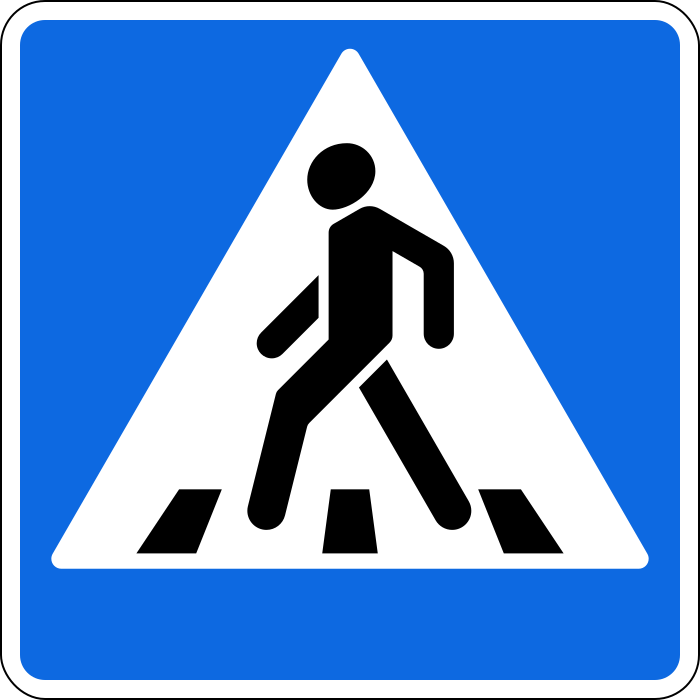
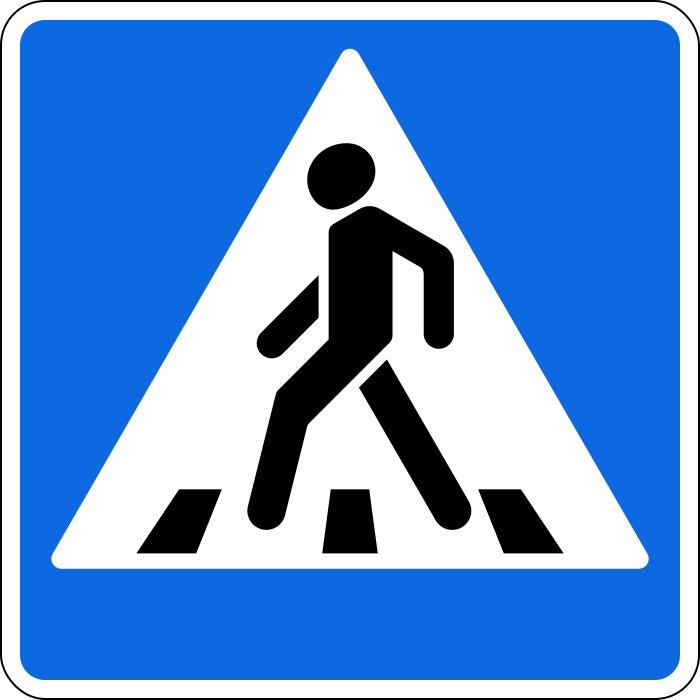
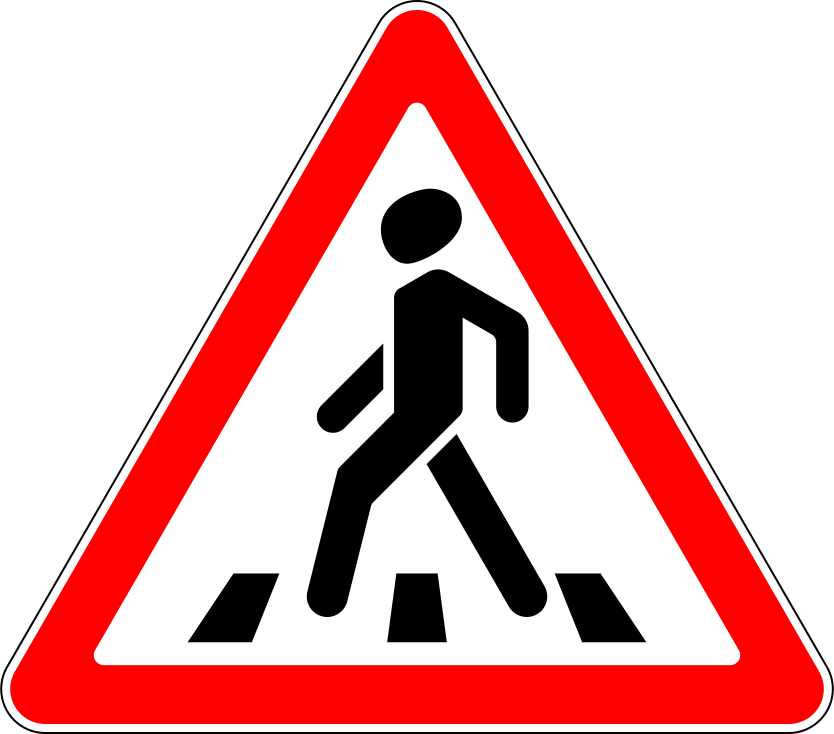
- Pedestrian crossing sign: simply drawn figure and three stripes, very often with a bright fluorescent yellow-green border (same figure in Ukraine, Lithuania, Mongolia, Kazakhstan, Kyrgyzstan).
- Zebra crossings on the road often alternate white and yellow stripes.
- Town signs and direction signs in capital letters (GOST font); town sign white with a black border – a blue town sign means no built-up-area rules apply.
Rwanda
- Signage resembles the SADC system (South Africa) but with right-hand traffic – signs mirrored accordingly.
- Street signs in Kigali carry a two-letter district code plus number: KN (Nyarugenge), KG (Gasabo), KK (Kicukiro), e.g. “KN 3 Rd”.
- Lamp posts on national roads show the road number in black letters, with a lamp number below that usually increases with distance from Kigali.
Saint Pierre and Miquelon
- French overseas collectivity: French-style traffic signs (red warning triangles, round prohibition signs) – in the middle of North America.
- A single European-style sign immediately separates it from neighbouring Newfoundland (Canada, yellow diamonds).
San Marino
- Road signs and bollards are practically identical to Italy; many signs point to Rimini.
- Unique: curve chevrons are yellow with burgundy arrows.
- Elaborate pedestrian crossings with blue-painted stripes and overhead signs.
Senegal
- French-style signage: town signs are white with a thick red-pink border and bold black lettering, town exit with a red diagonal bar – as in France.
- Kilometre stones are white with a red top: the road number (e.g. N2) on top, towns with distances below – the most distant town is usually the largest.
- Signs are in French, e.g. the “CÉDEZ LE PASSAGE” plate under the give-way sign – Ghana and Nigeria use English (“GIVE WAY”).
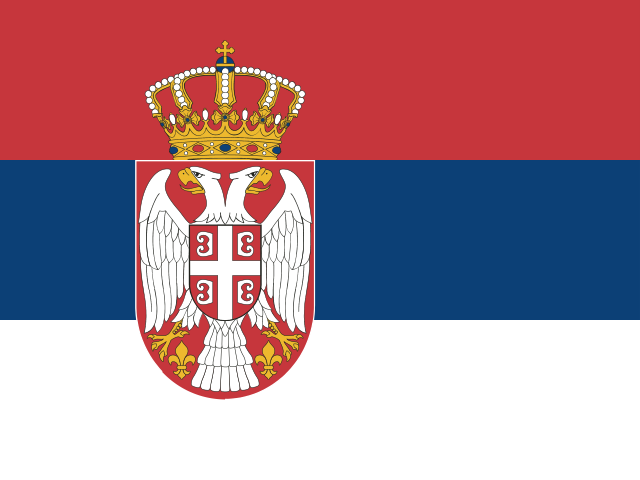
Serbia
- Direction signs yellow with black text; place names in both Cyrillic and Latin script (Нови Сад / Novi Sad) – likewise in Bosnia and North Macedonia, but not in Croatia, Slovenia or Montenegro.
- Motorway direction signs green with white text.
- Chevrons: black arrow on white (also Montenegro, North Macedonia).
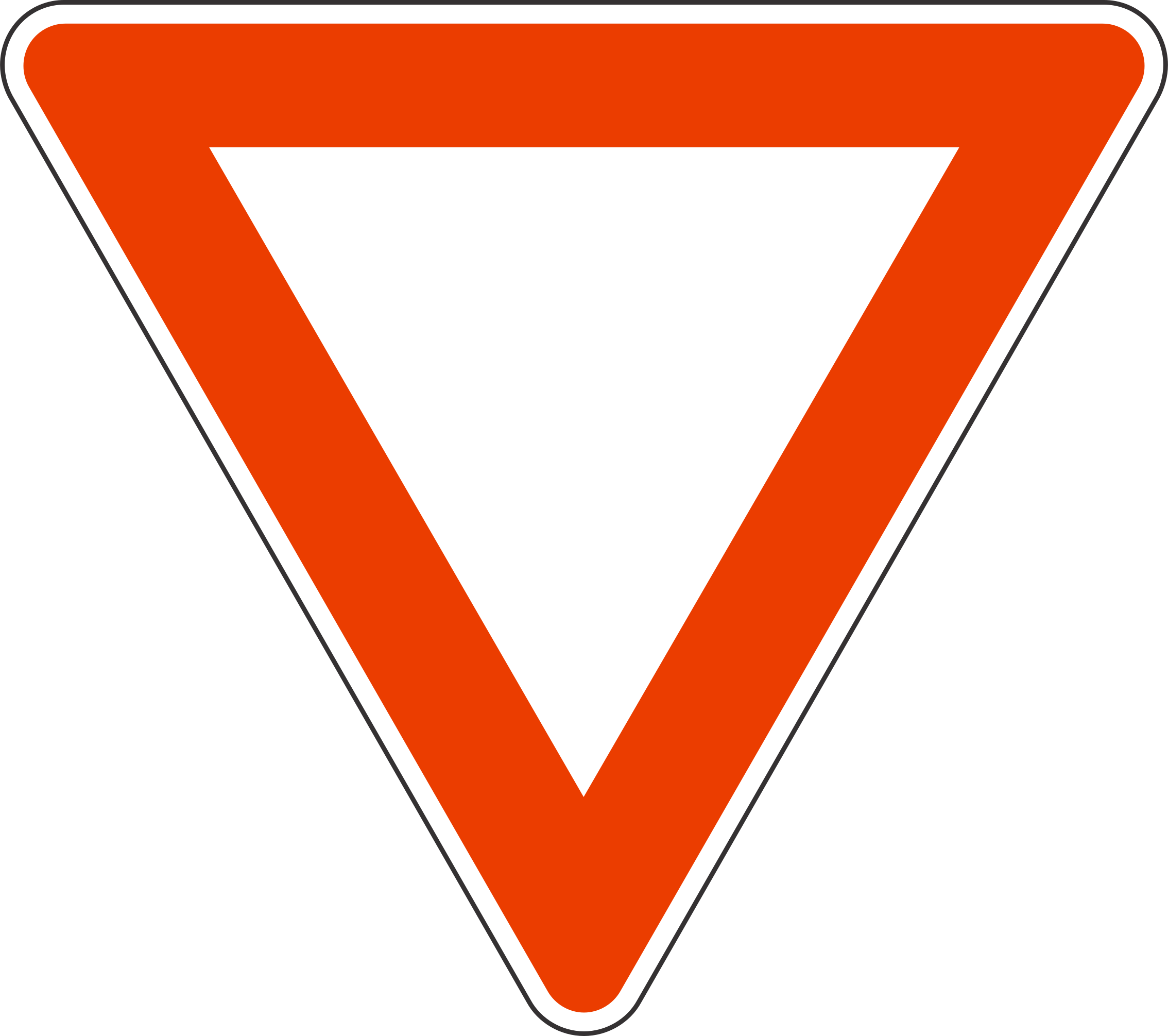
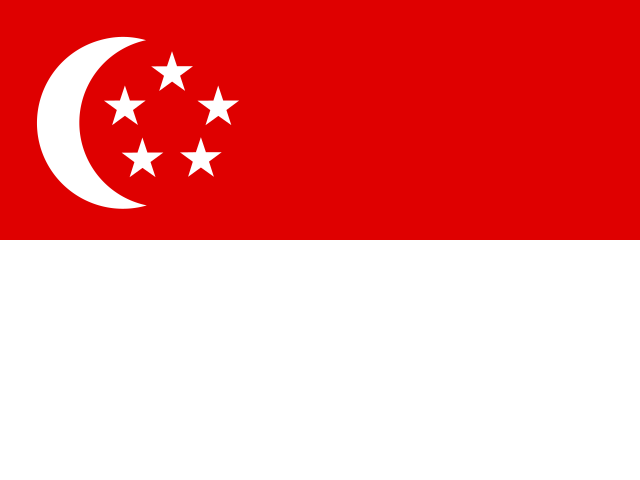
Singapore
- Every road sign is mounted on a white square or rectangular backing board – almost no other country does this.
- British-style design: red-bordered warning triangles, a “GIVE WAY” triangle and “No waiting” (blue, single red bar) – neighbouring Malaysia uses yellow warning diamonds and “BERHENTI” instead.
- Direction signs are green with white English text; expressways carry three-letter codes such as PIE, AYE or CTE.
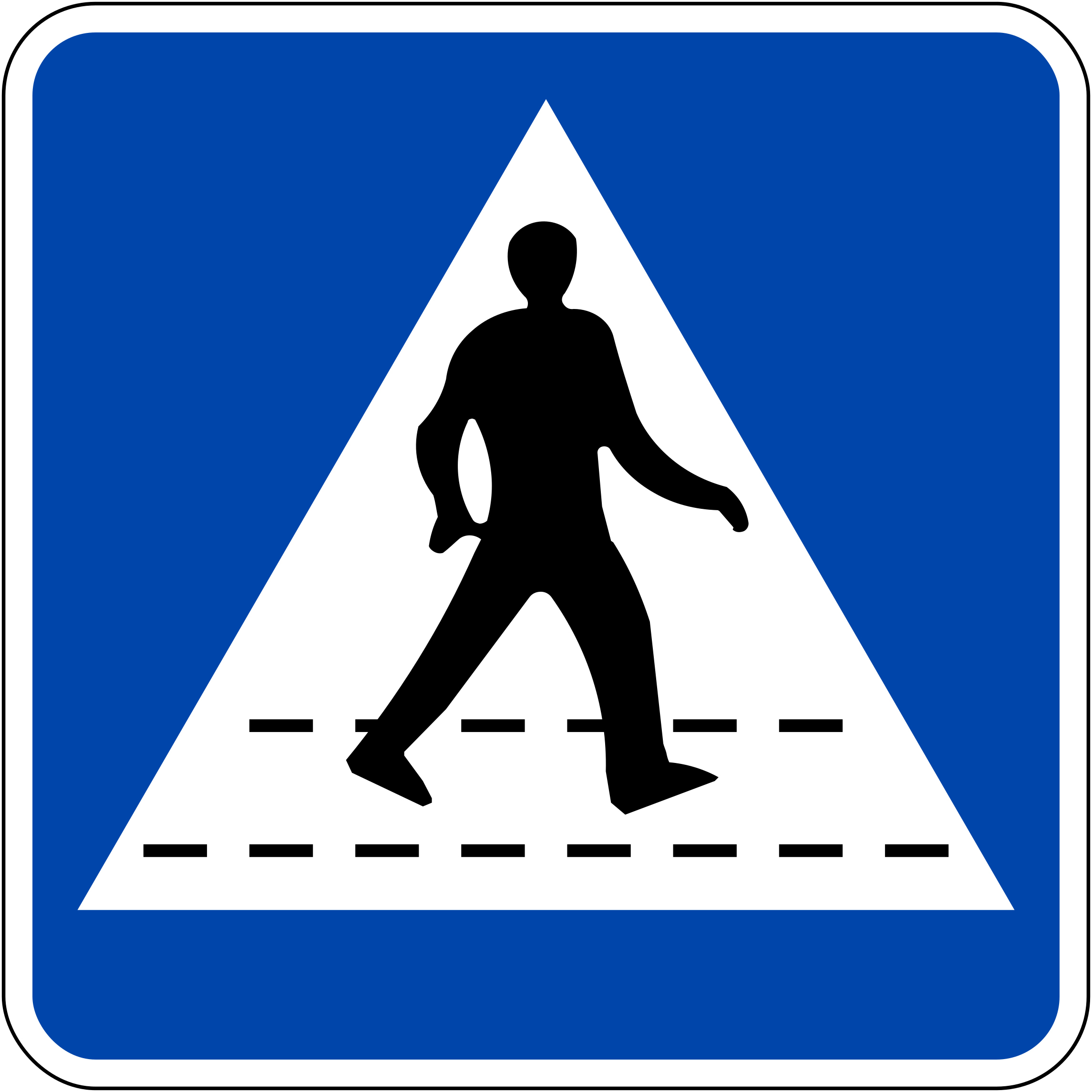
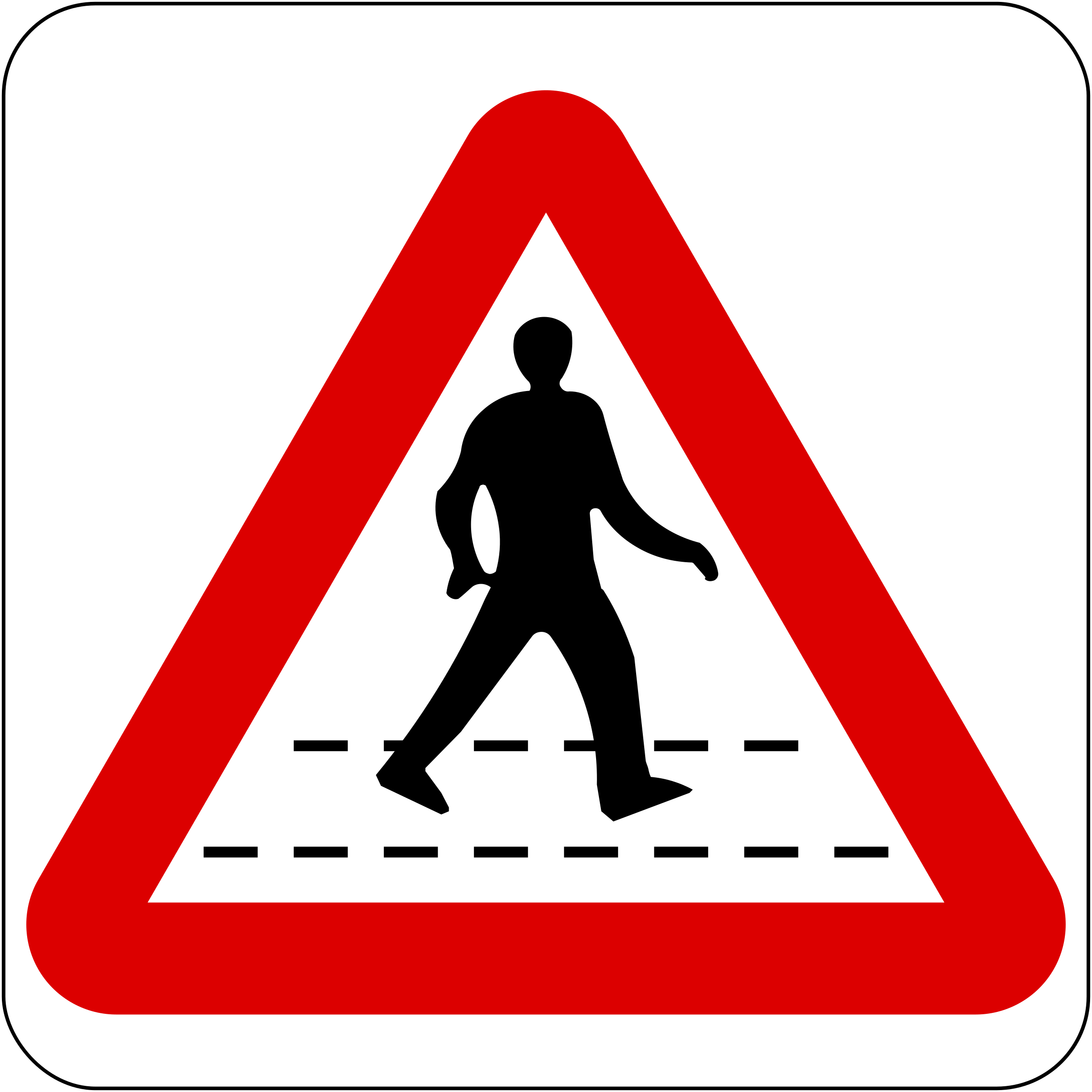
Slovakia
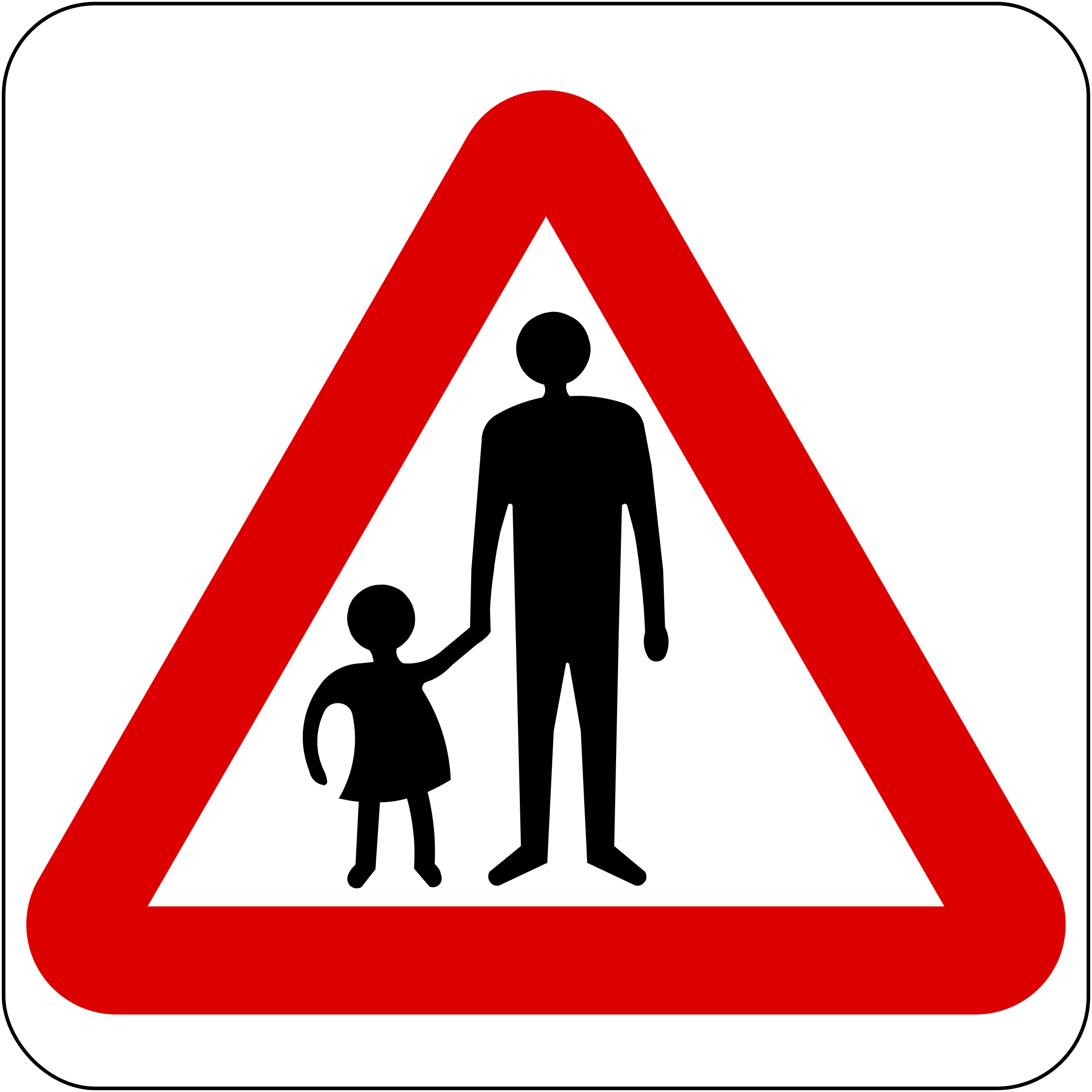
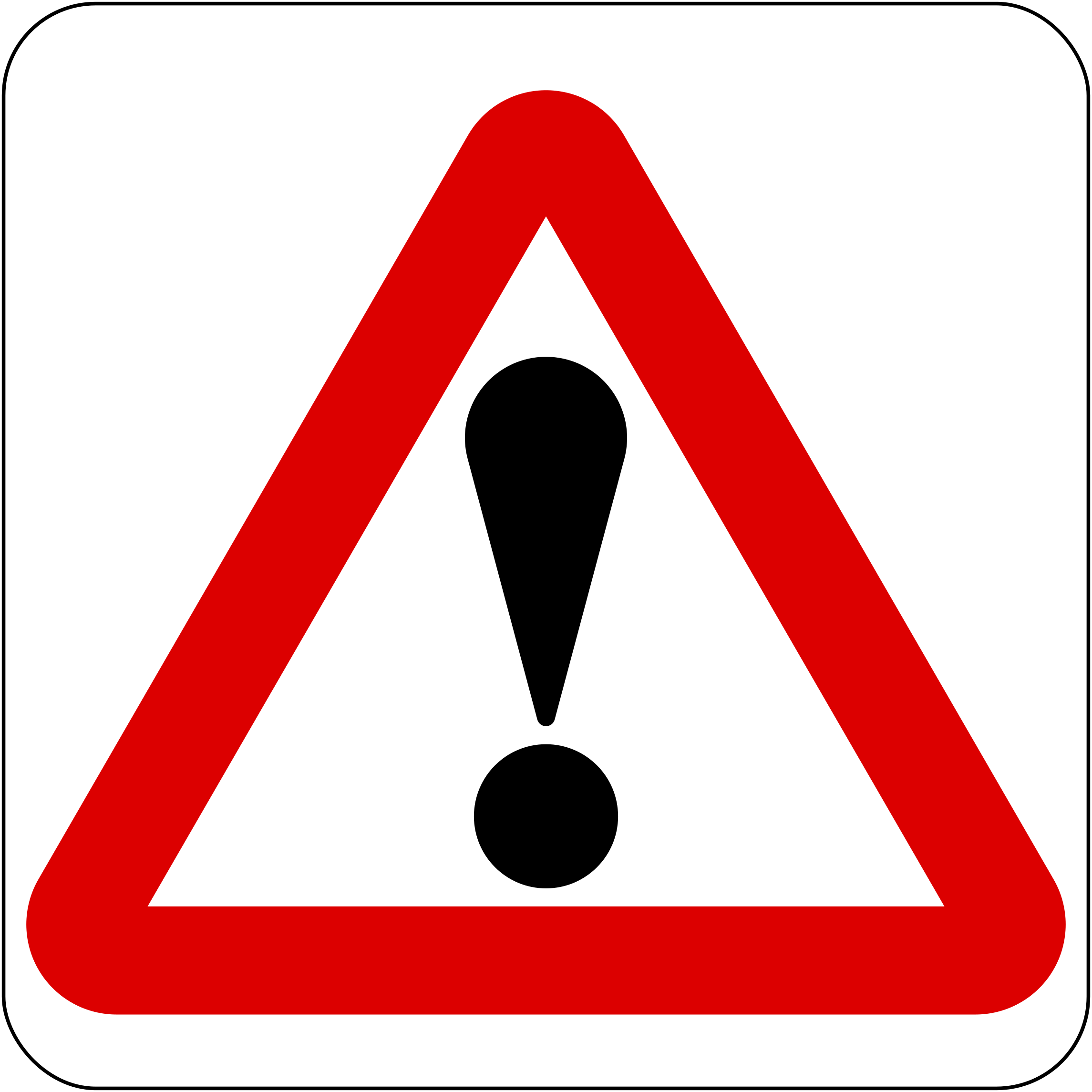
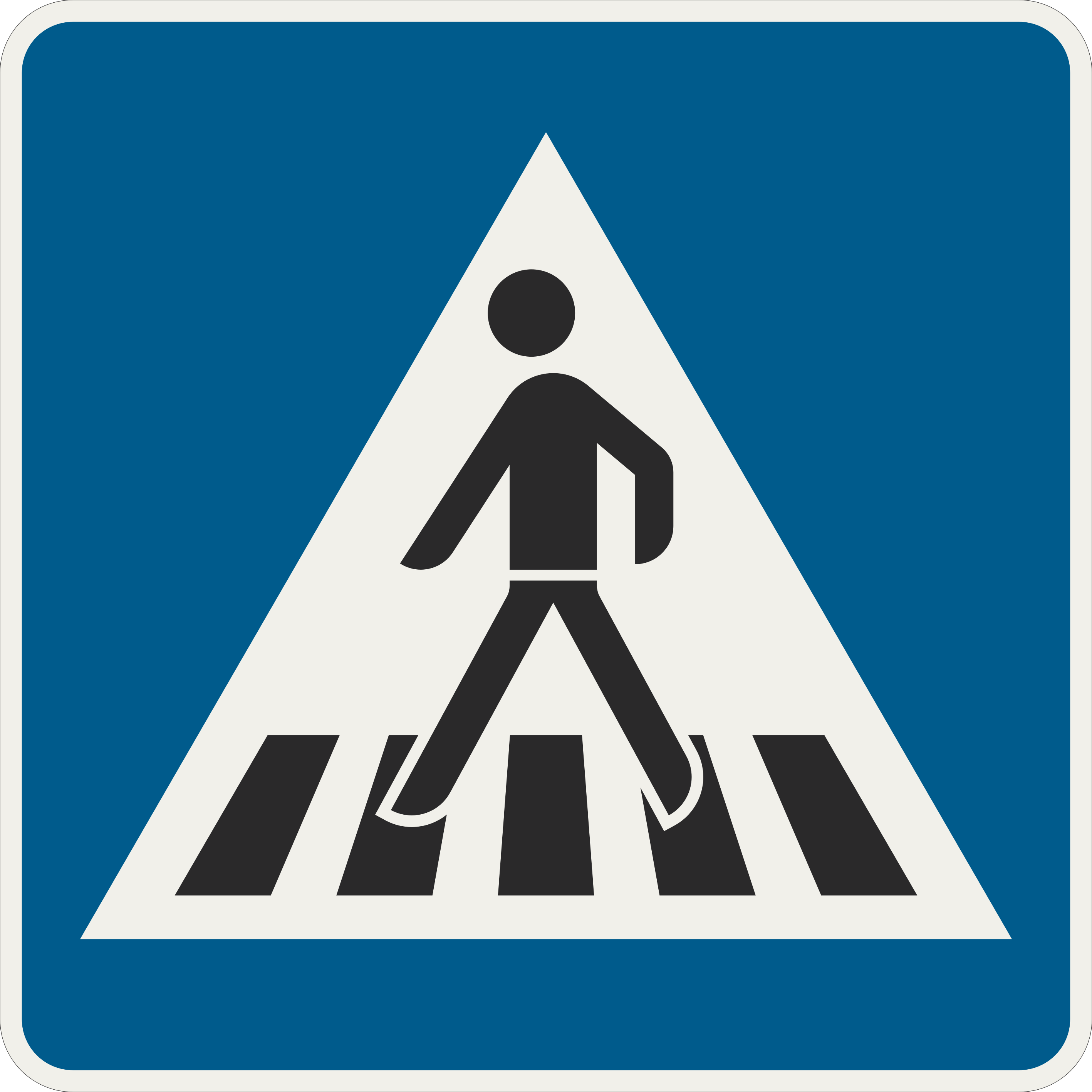
- Direction signs blue and rectangular with small white arrows (Czechia: arrow-shaped boards with filled tip); motorway green.
- The sign border sits right on the edge (Czechia: set in from the edge); motorway signs have a white border right on the edge.
- Very bold font on road signs – Czechia much thinner.
Slovenia
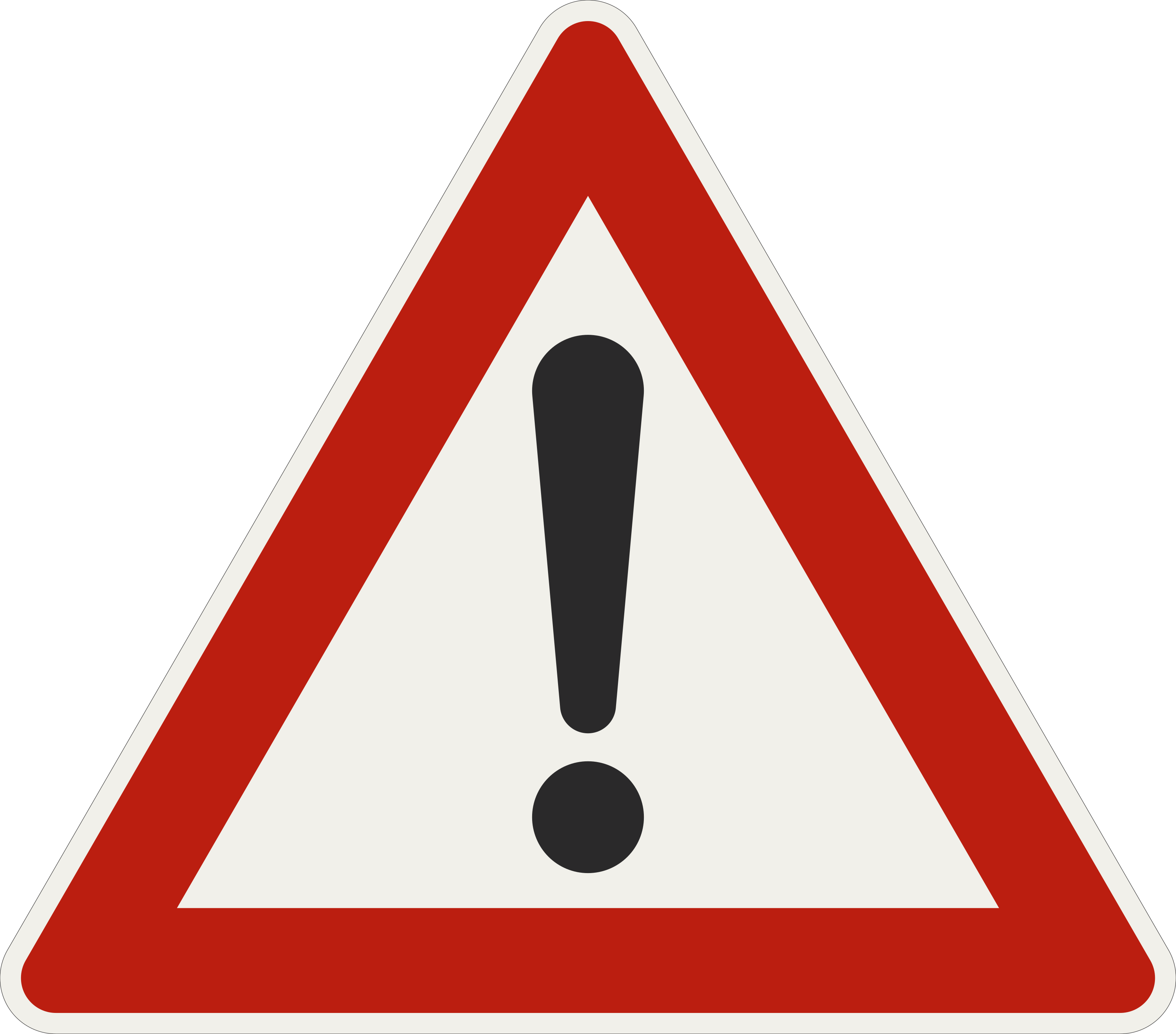
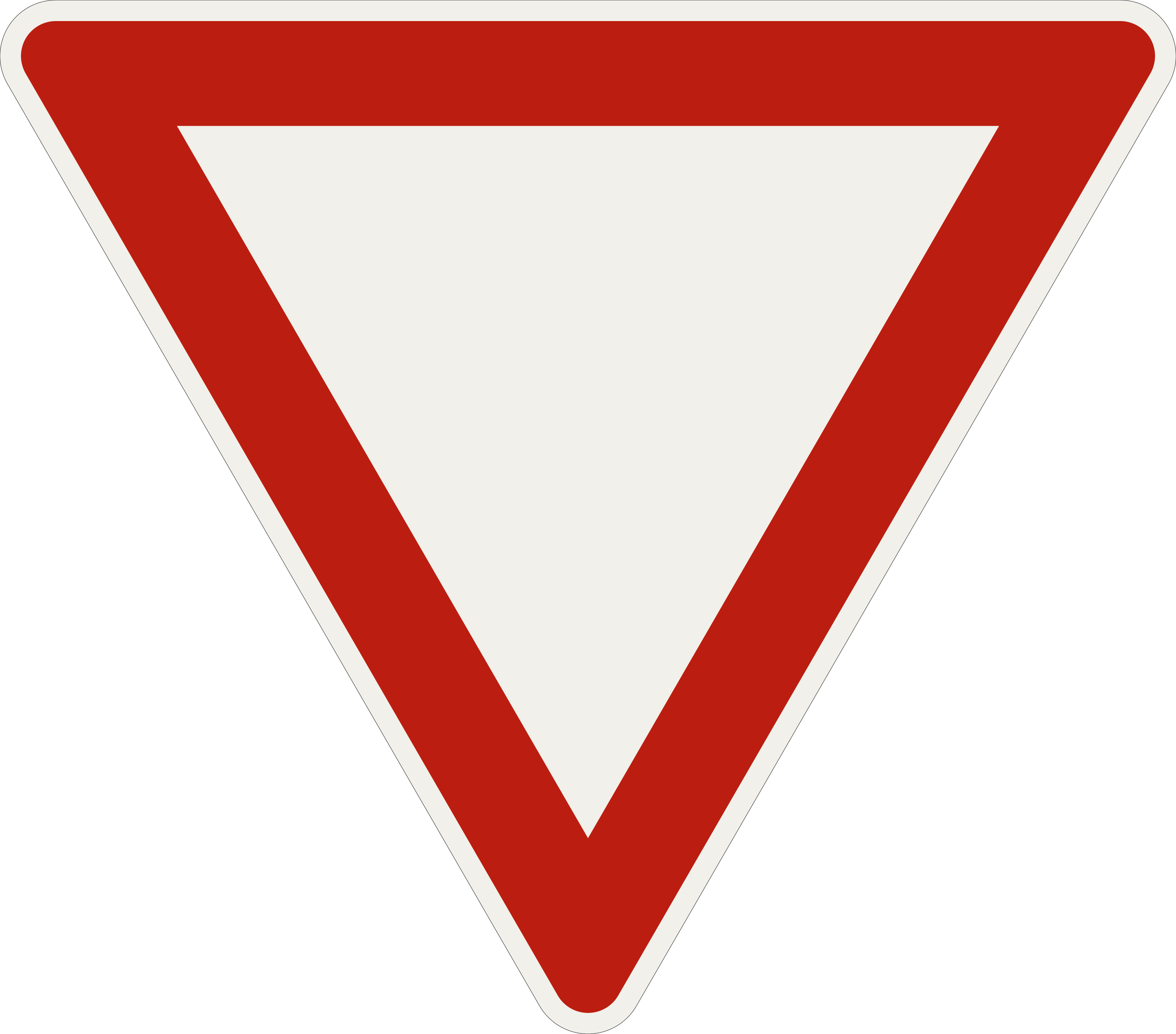
- Direction signs yellow with a black border (similar to Croatia, Serbia, Montenegro, North Macedonia); Austria: white with a blue border. Motorway green.
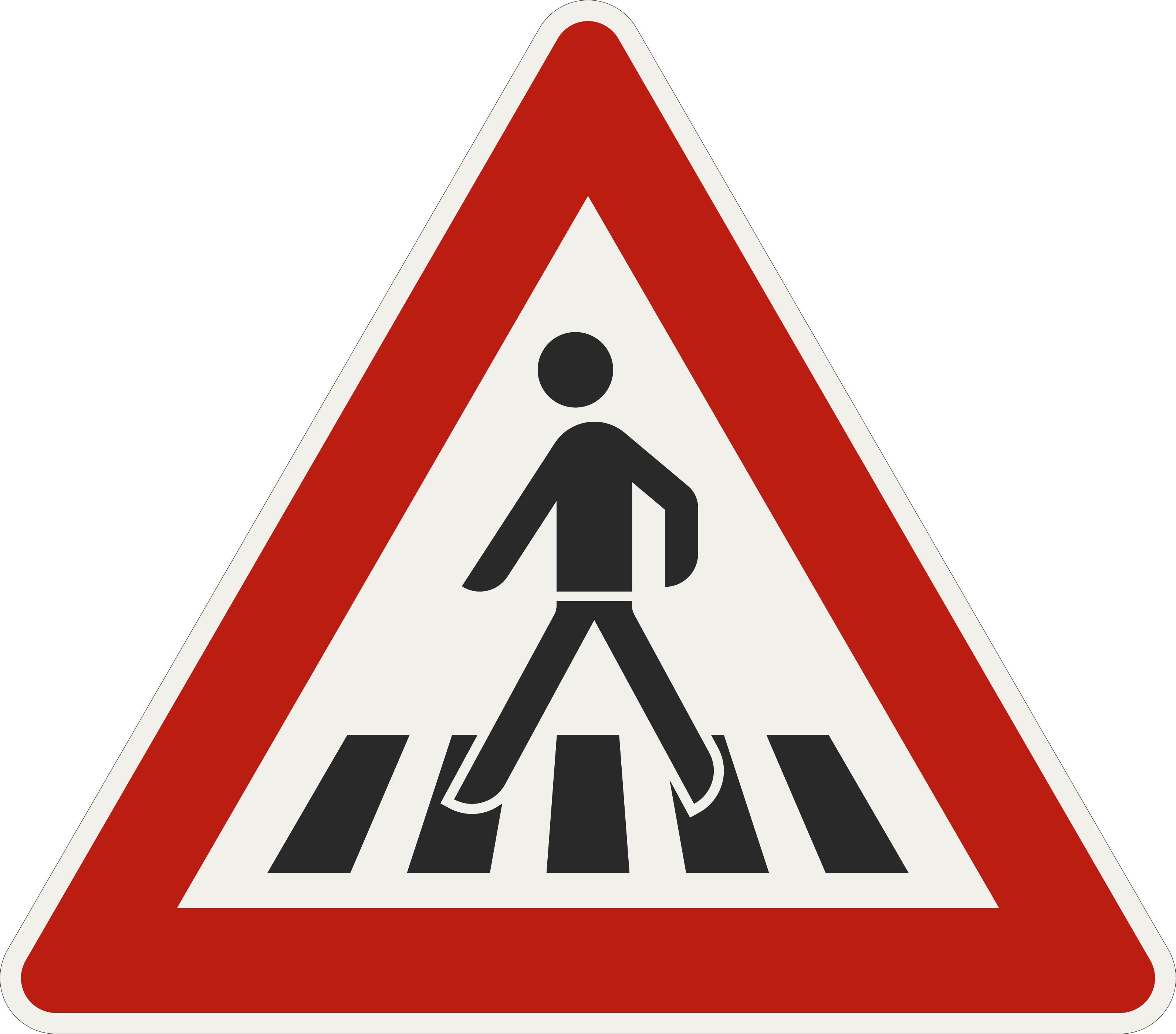
- Pedestrian crossing sign with five stripes and a simple figure without a belt – the Croatian figure wears a belt, Austria shows two dotted lines.
- Chevrons usually red arrows on white, less often black arrows on white (Austria: white on red or red on yellow).
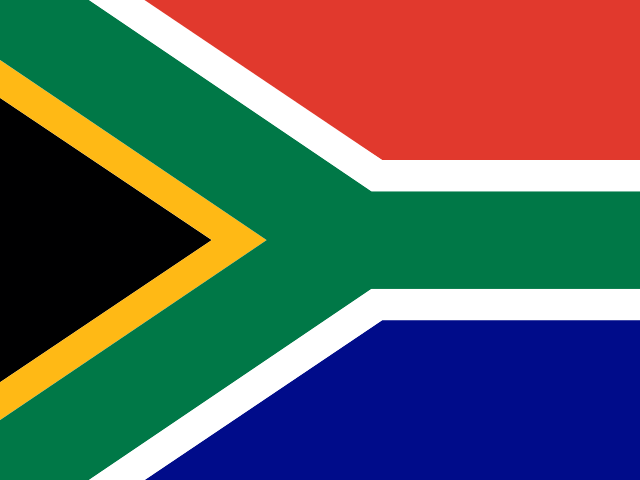
South Africa
- Direction signs green, freeways blue, tourist destinations brown – road numbers always yellow, DIN 1451 typeface.
- N and R numbers (plus metropolitan M routes) only exist in South Africa – Botswana, Lesotho and Namibia use A/B, Eswatini MR.
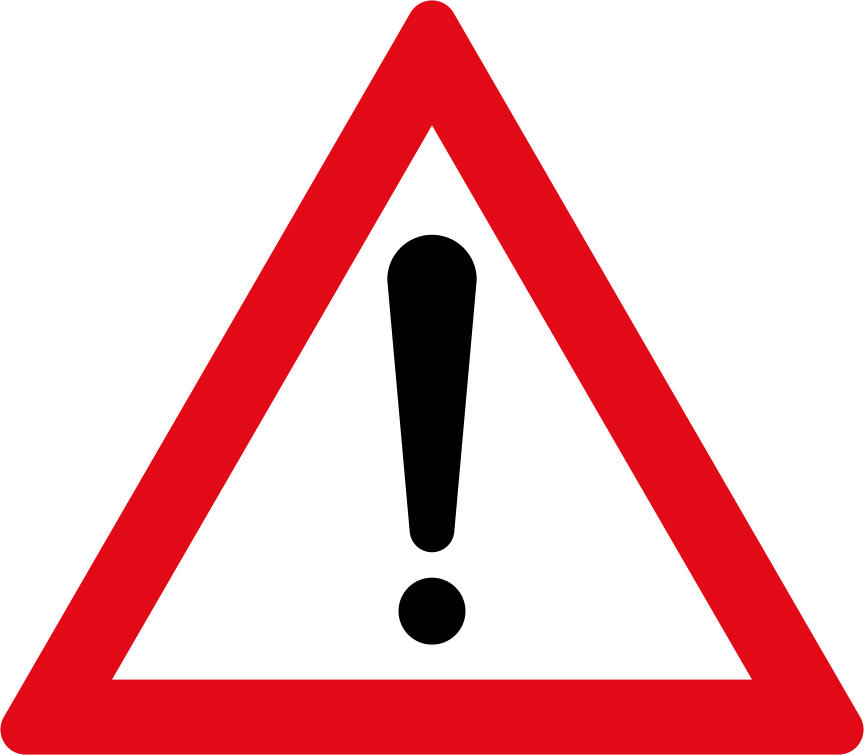
- Warning signs are white triangles with a red border – Australia/New Zealand use yellow diamonds.
South Georgia and the South Sandwich Islands
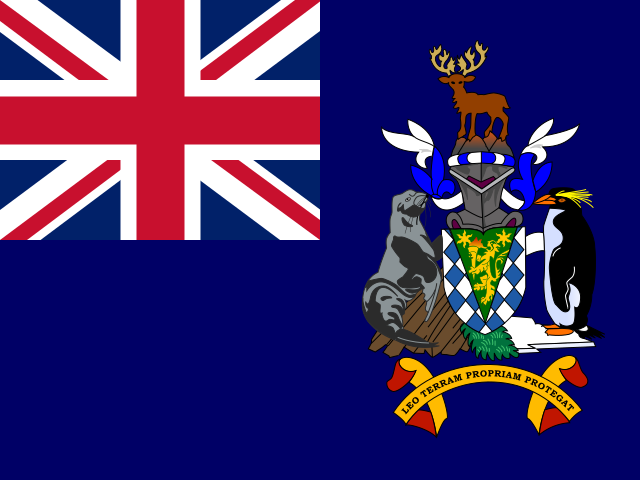
- No roads and no traffic signs – only a few Generation 3 trekkers (counts as the UK for streaks).
- Grytviken: abandoned whaling station with rusted machinery and a white-painted wooden church.
- Wide open valleys with lightly snow-capped mountains; on Prion Island a wooden boardwalk with many seals.

South Korea
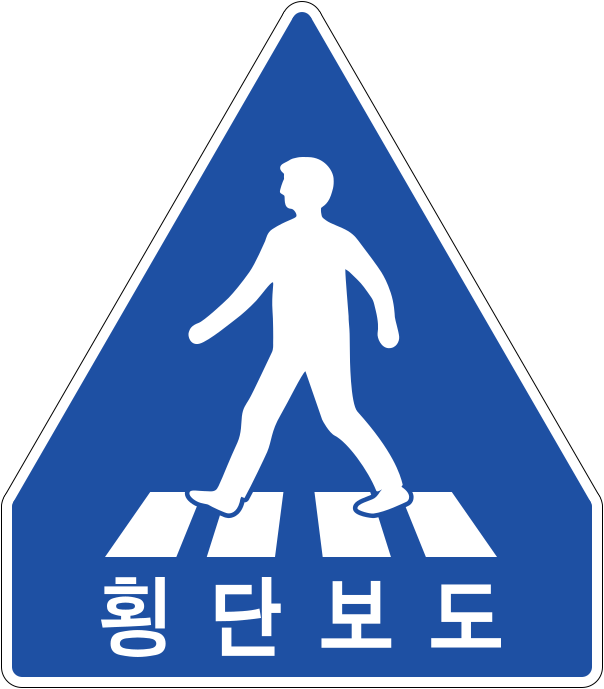
- Pedestrian crossing sign is a blue pentagon (house shape) reading “횡단보도” – unique; school zones also use a blue pentagon with children (“어린이보호”).
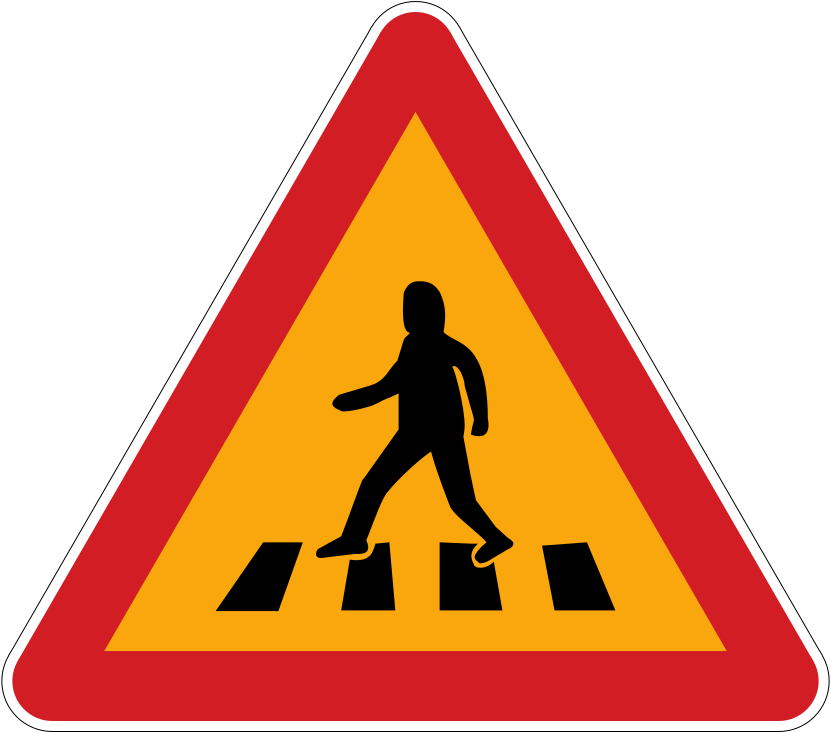
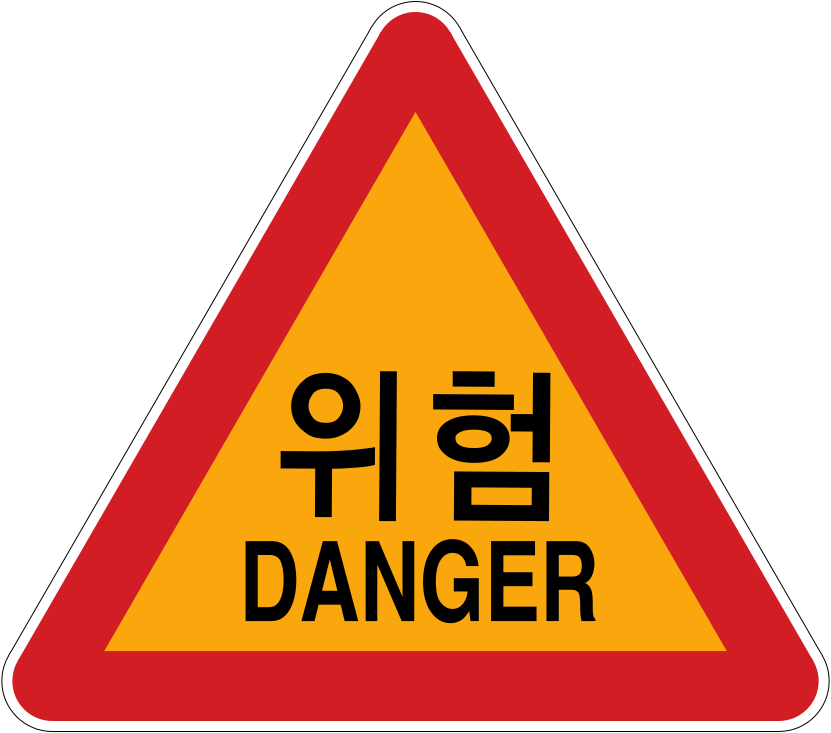
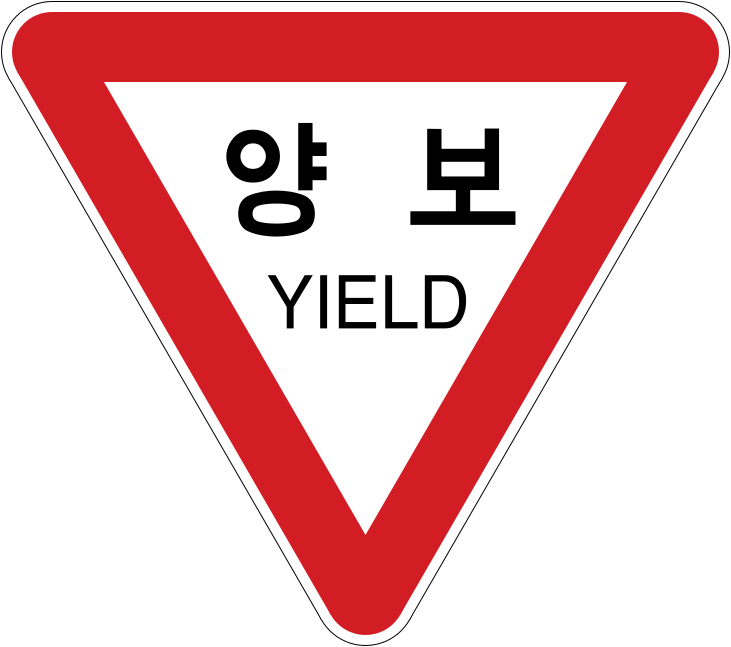
- Warning signs: triangle with a red border and yellow background (Taiwan/Hong Kong: white background, Japan: yellow diamond); prohibition and yield signs are white.
- Octagonal stop sign with “정지” and “STOP” below; yield sign is a white triangle “양보 YIELD”.
Spain
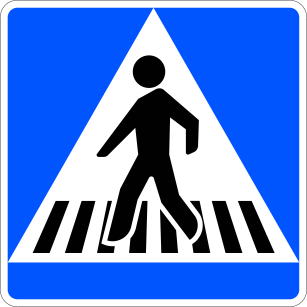
- Pedestrian-crossing sign (S-13) with 8 stripes – the most in Europe (otherwise only Andorra).
- The red border runs right to the edge of the sign – no thin white outer rim (France, Italy and Portugal have one).
- The STOP sign has a noticeably small, narrow font (Portugal: much larger).
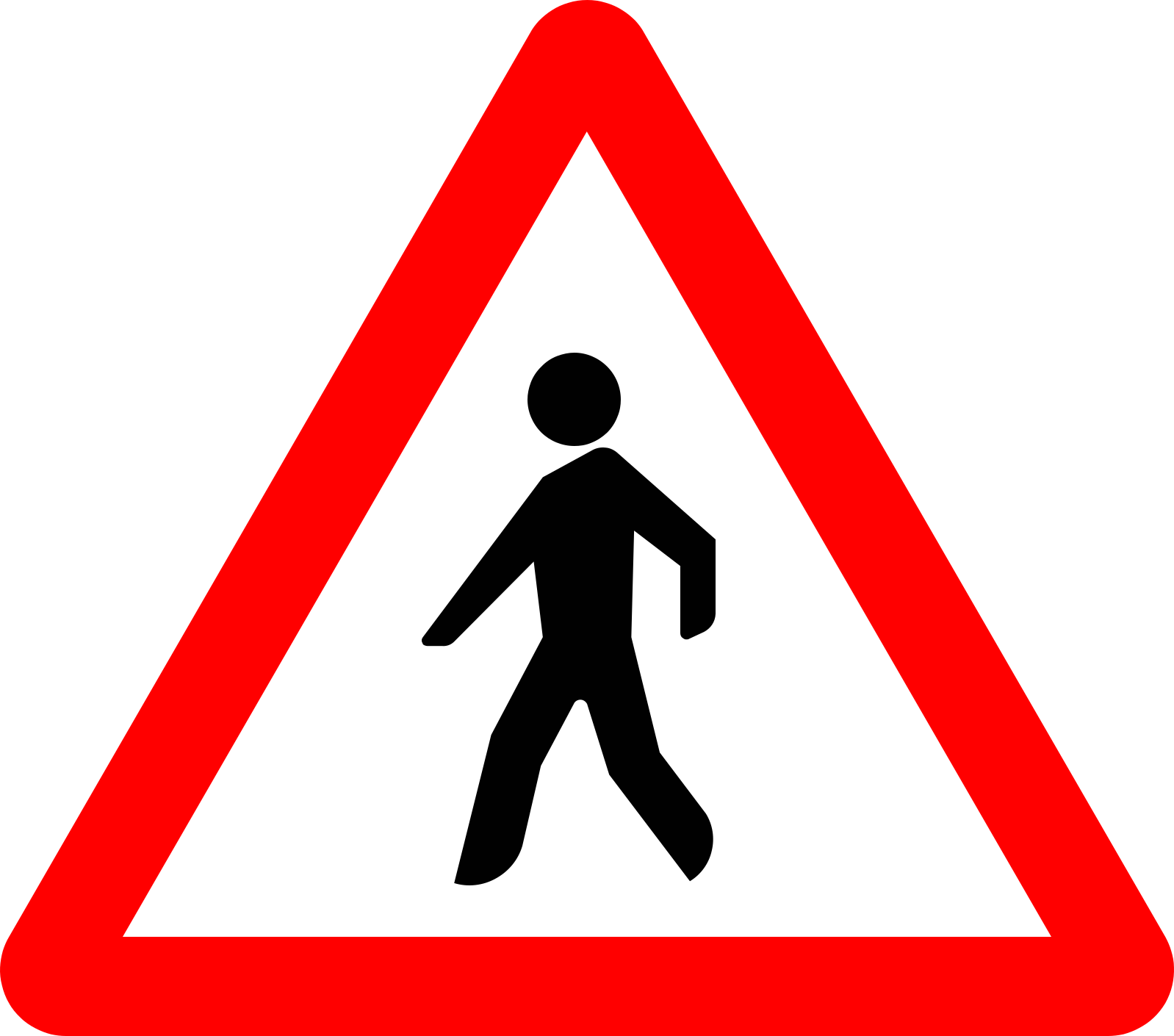

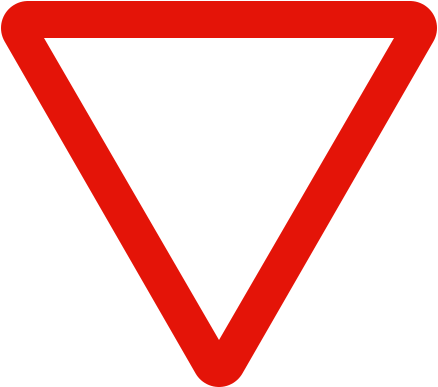
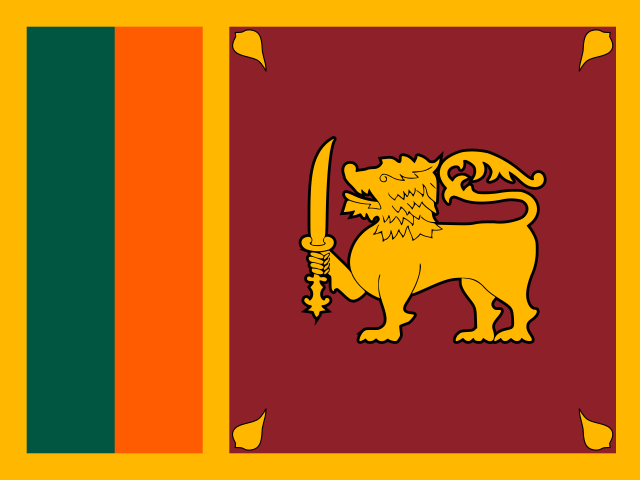
Sri Lanka
- Warning signs are yellow diamonds with a black border – unlike the red triangles of India, Bangladesh and Nepal.
- Text is trilingual: Sinhala (very rounded script, unique to Sri Lanka), Tamil and English. Tamil-only signage points to the Tamil-majority north/east.
- Speed-limit signs show “kmph” below the number.

Sweden
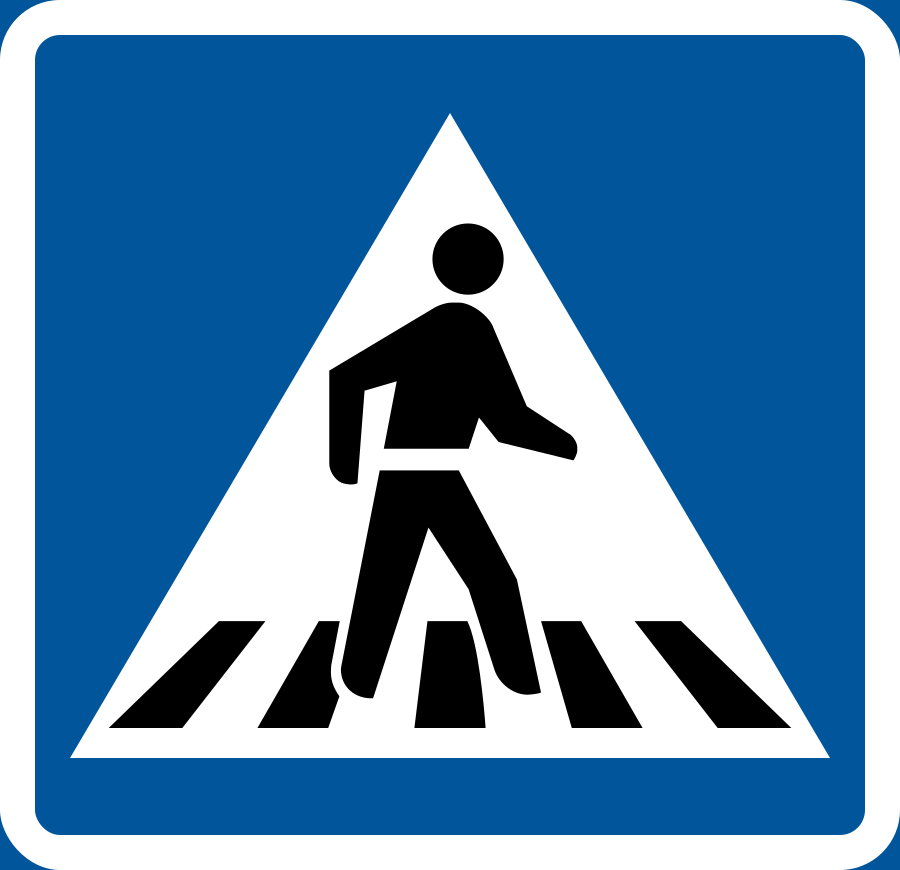
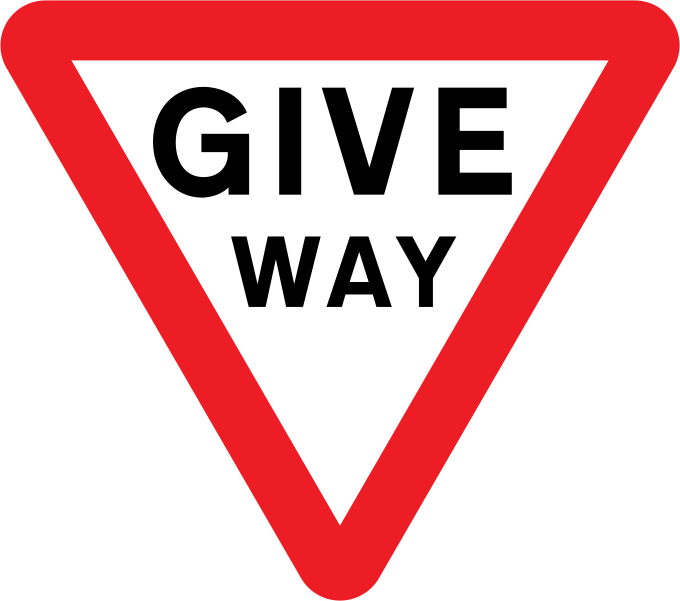
- Warning and regulatory signs yellow with a wide red border (Finland adds a thin yellow outer edge).
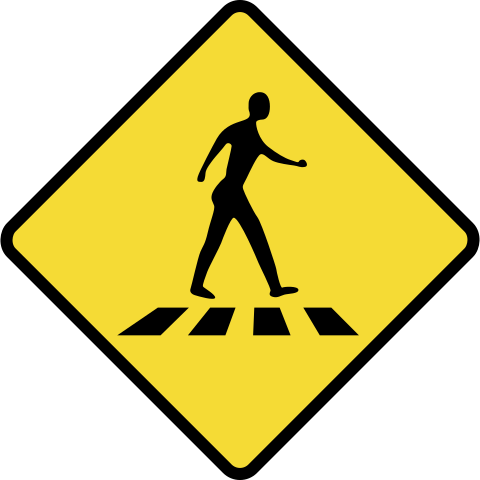
- Pedestrian crossing: 4 stripes (Finland and Denmark 5); there is also a version with a female silhouette.
- Direction signs blue with white text, border and a thin arrow; small places on yellow signs with black text and a red border.
Switzerland
- Pedestrian crossing sign is a tall, narrow blue rectangle with seven stripes – almost unique in Europe (Liechtenstein identical). The crossings on the road are painted yellow.
- Direction signs are arrow-shaped with a tip in a contrasting colour: main roads blue, minor roads white, motorways green. Motorway numbers white on red, main-road numbers white in a blue box.
- Signs often have a rounded grey metal frame.
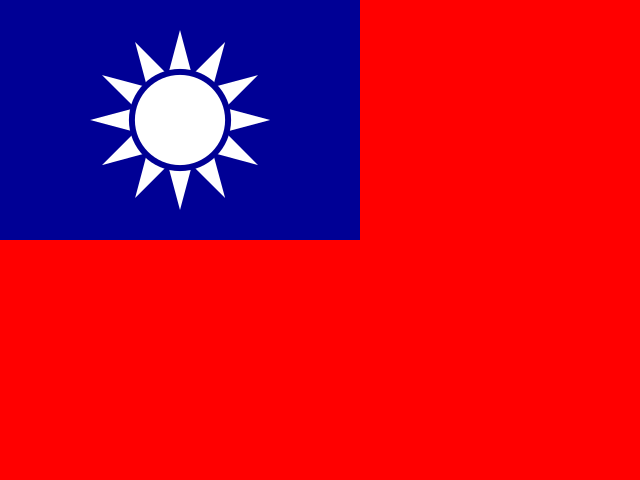
Taiwan
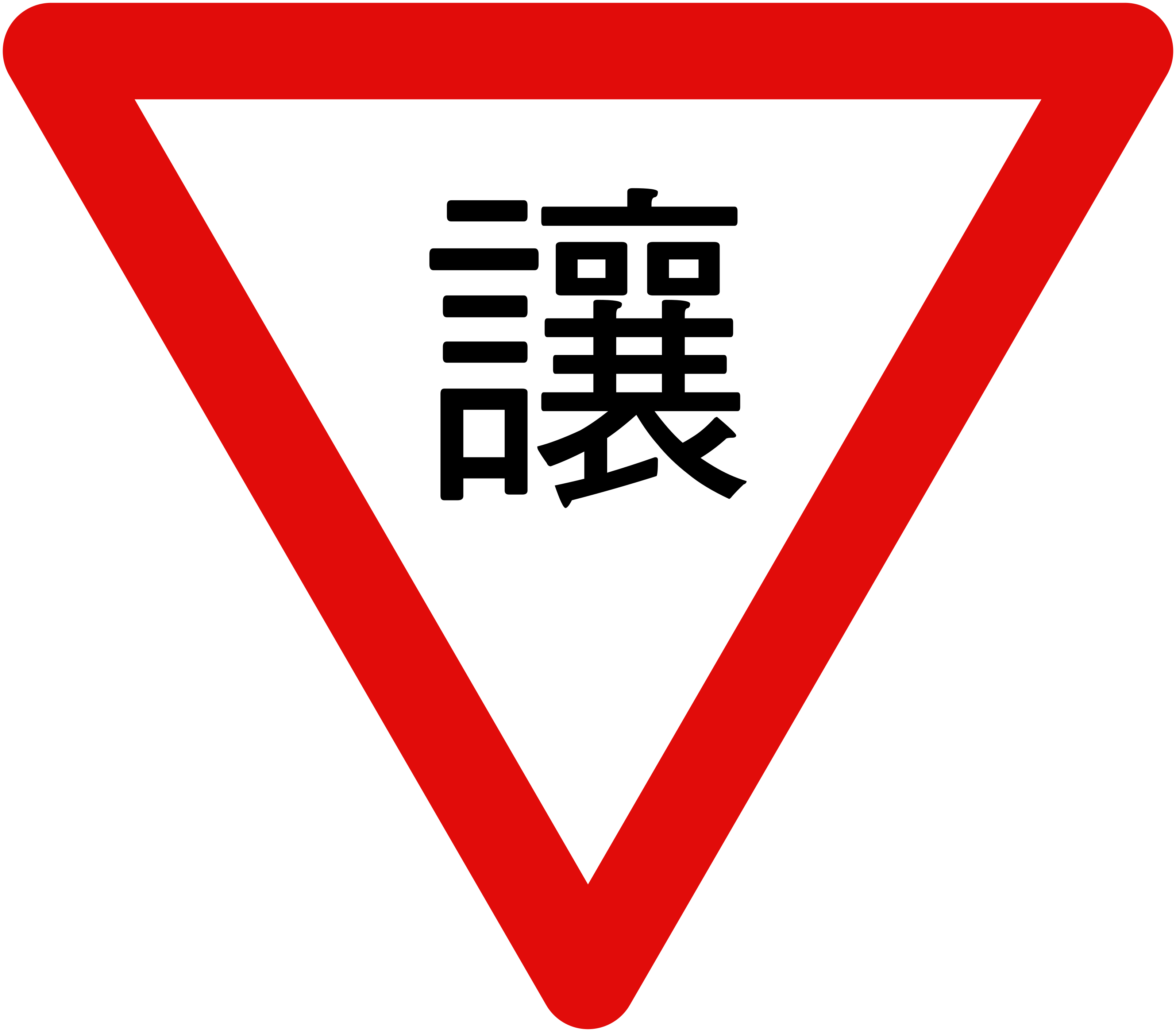
- Octagonal stop sign with the character “停”, often with a separate white “STOP” plate below it; give way shows “讓” (Korea: “정지 STOP”, Japan: triangle “止まれ”).
- Warning signs: white triangle with a red border; the pedestrian figure wears a hat (Korea yellow, Japan yellow diamond). There is no blue pedestrian crossing sign.
- No parking: red-ringed circle with a crossed-out “停” – unique; no stopping is blue with a red cross.
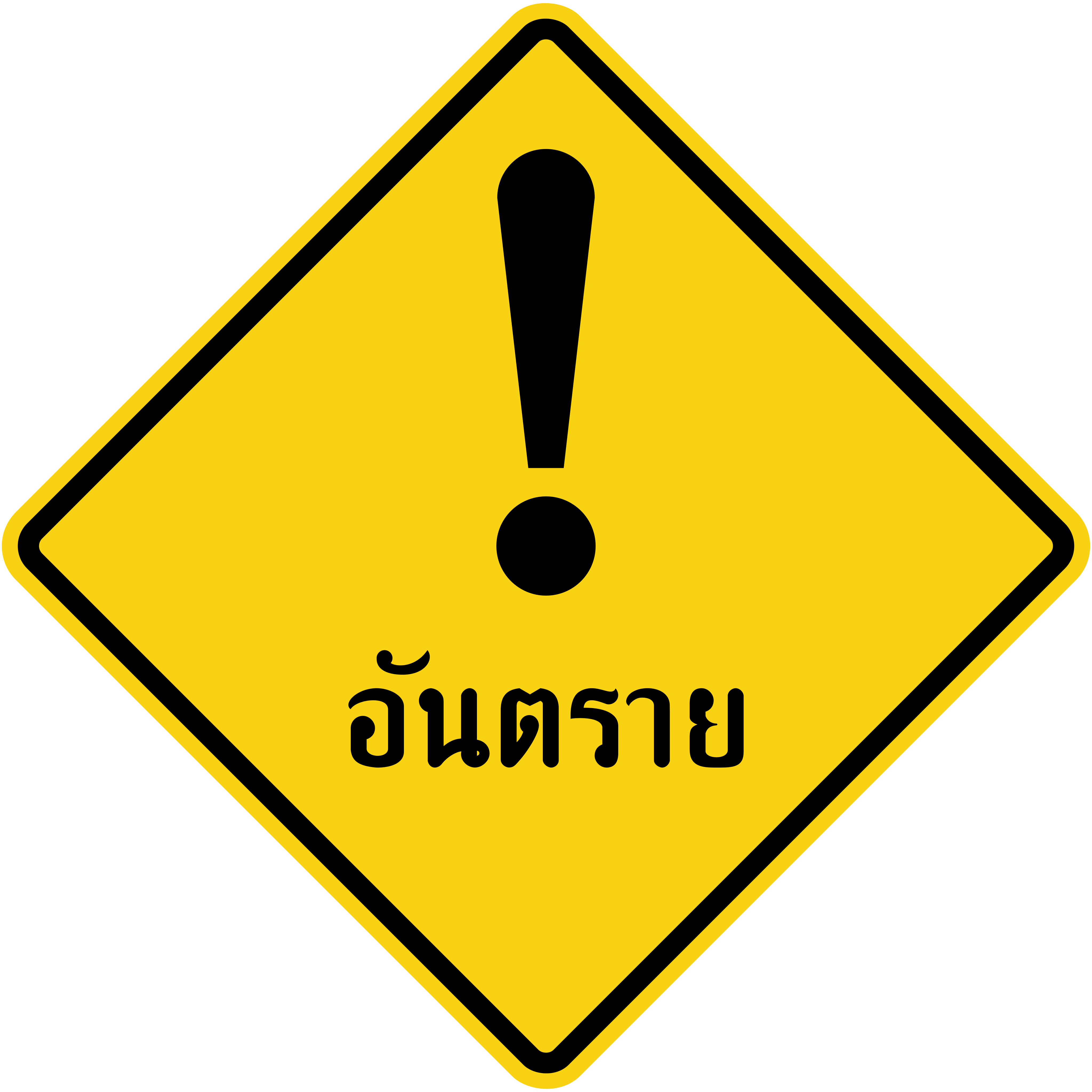
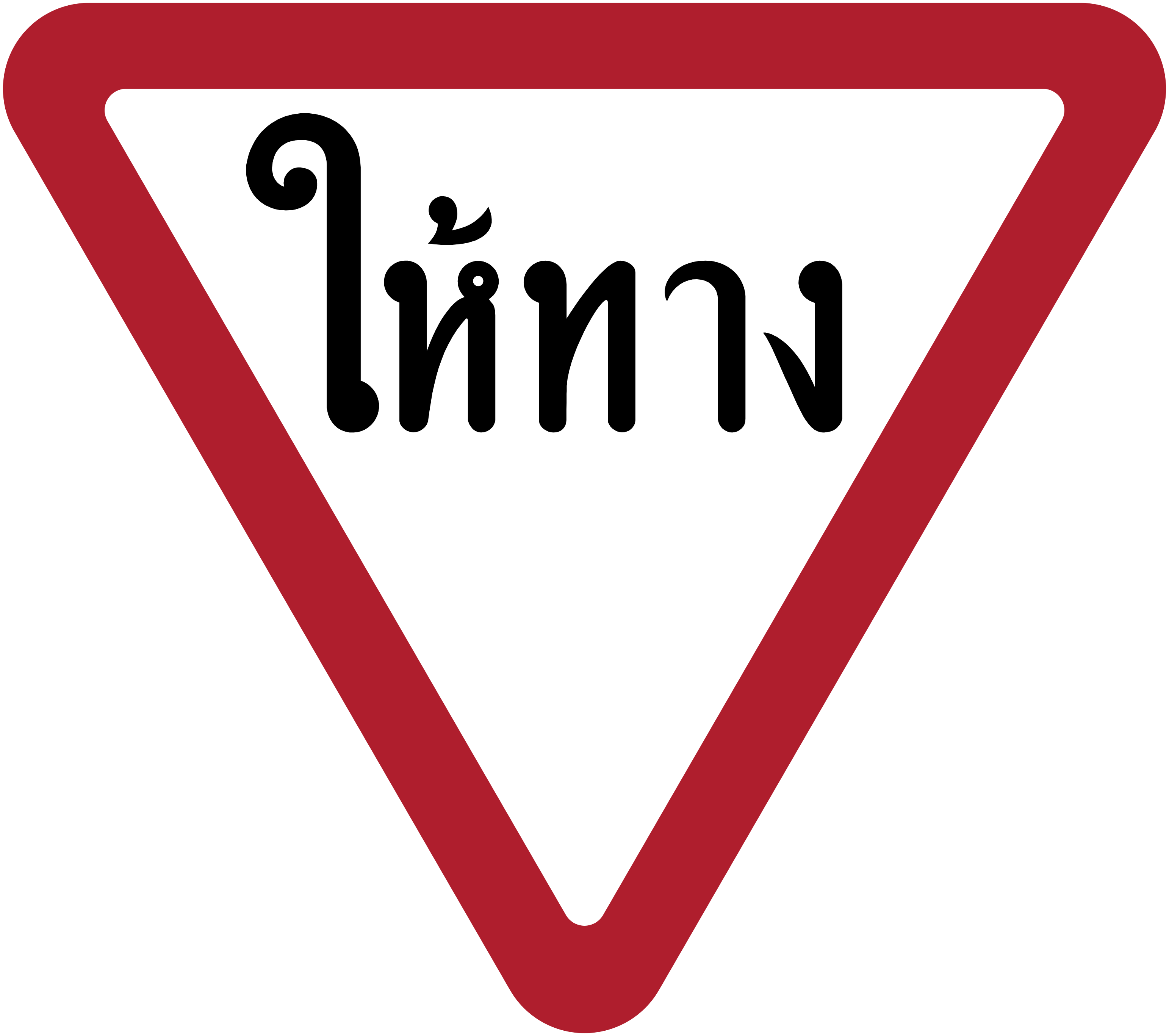
Thailand
- Stop signs are in Thai: “หยุด” (three characters) – Laos has only two (“ຢຸດ”).
- Highway direction signs are green with white text, place names often repeated in Latin script below; small roads use white two-part signs (destination on top, arrow plate below).
- Sign posts are square and bulky, usually white with the bottom painted black – unique in Southeast Asia.
Tunisia
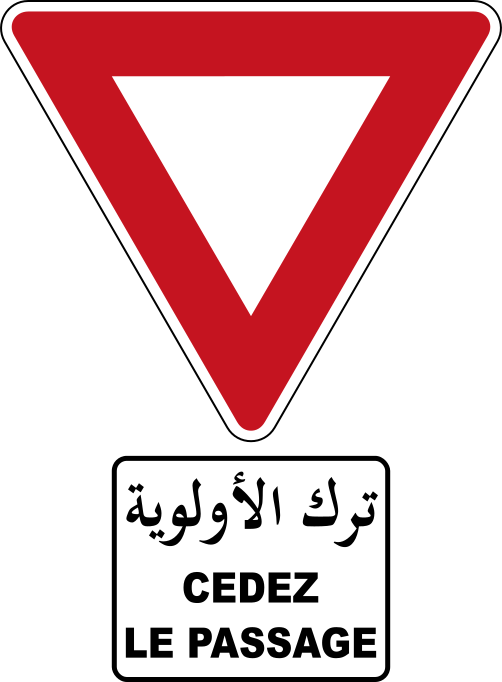
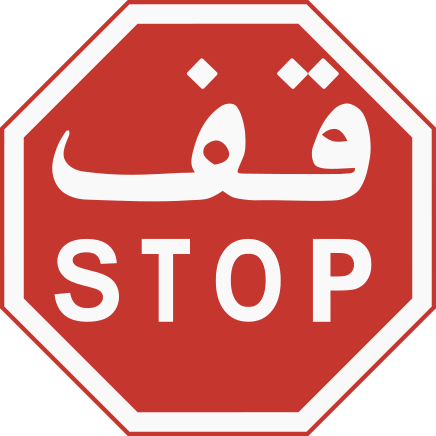
- Stop sign with “قف” and “STOP” – Israel shows a hand instead.
- Direction signs are mostly white, with places in Arabic and Latin script (French spelling) in a distinctive typeface.
- Bilingual Arabic/French – the UAE and Jordan use English instead.
Turkey
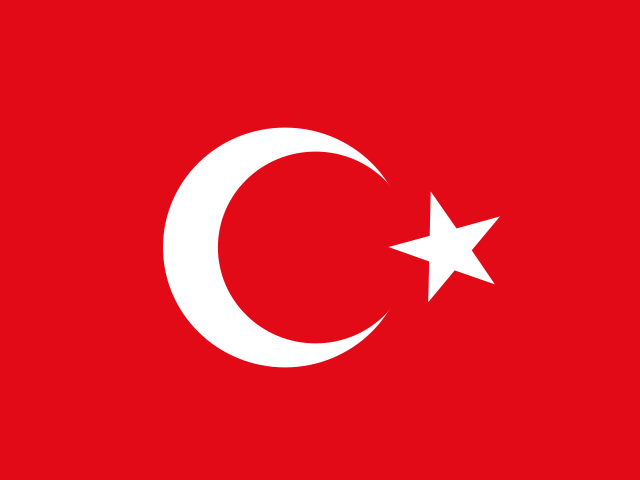
- Stop sign with the word “DUR” – unique to Turkey.
- Direction signs in their own typeface with noticeably wide letter spacing; trunk roads blue, motorways (Otoyol) green, villages and local destinations white.
- Chevrons red on white, the arrow tip usually does not touch the edge; some have a neon-yellow frame.
Uganda
- Direction signs to major destinations are green with white text, local signs white with black text – British style, left-hand traffic.
- Official chevron boards are black on yellow (like Kenya); black-and-white ones also occur.
- Town sign white with black border and black lettering (e.g. “Mbarara”), town exit with a diagonal bar.
Ukraine
- Pedestrian crossing sign with three stripes – as in Russia, Estonia and Lithuania.
- Chevrons red with white arrows (same in Russia and Estonia).
- Town entry signs white with the name in black; under the new standard (DSTU 4100:2021) a Latin transliteration sits below.
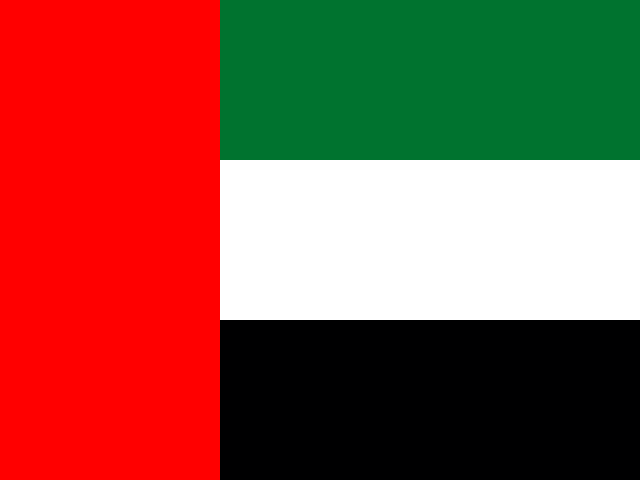
United Arab Emirates
- Sign posts are often striped black and white (like Oman); curbs are almost always striped too.
- Lots of English next to Arabic – unlike Jordan. Latin text in the British “Transport” typeface.
- Direction signs: blue = roads between emirates, green = roads within one emirate, brown = local destinations.
United Kingdom
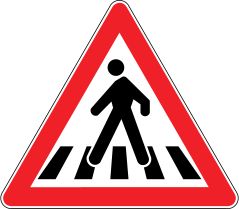
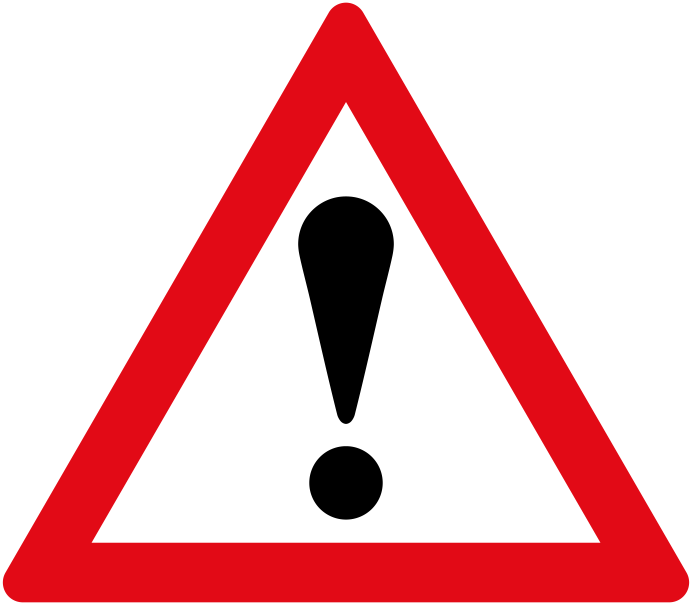
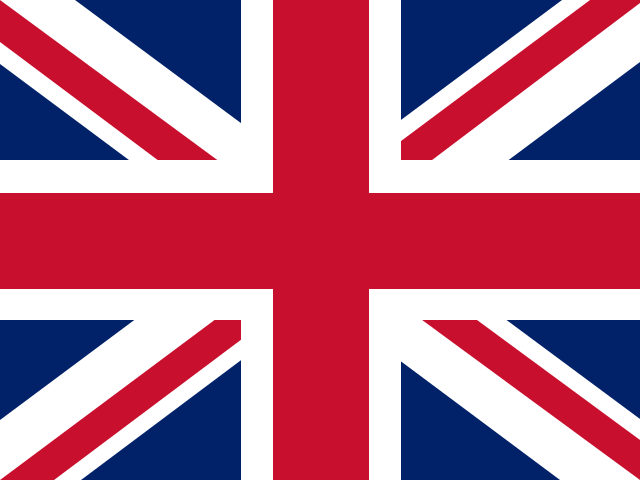
- Warning signs are white triangles with a red border – Ireland uses yellow diamonds instead.
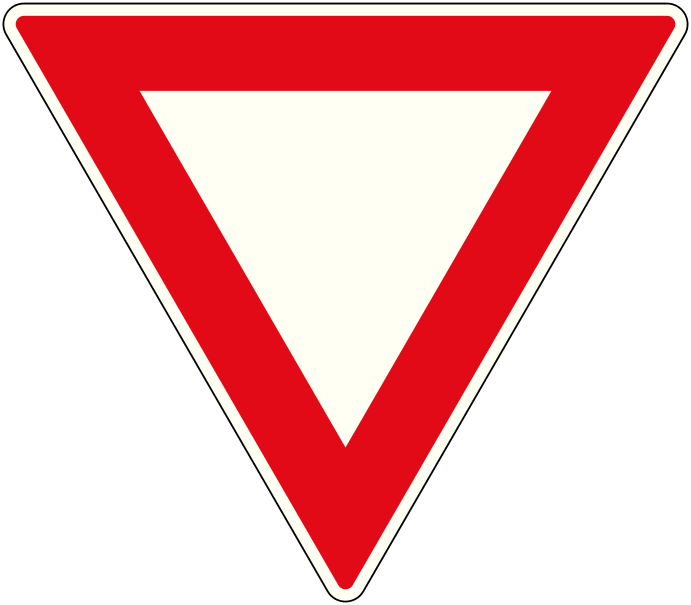
- The give-way sign reads “GIVE WAY” (Ireland: “YIELD”); in Wales it is bilingual with Welsh (“ILDIWCH”).
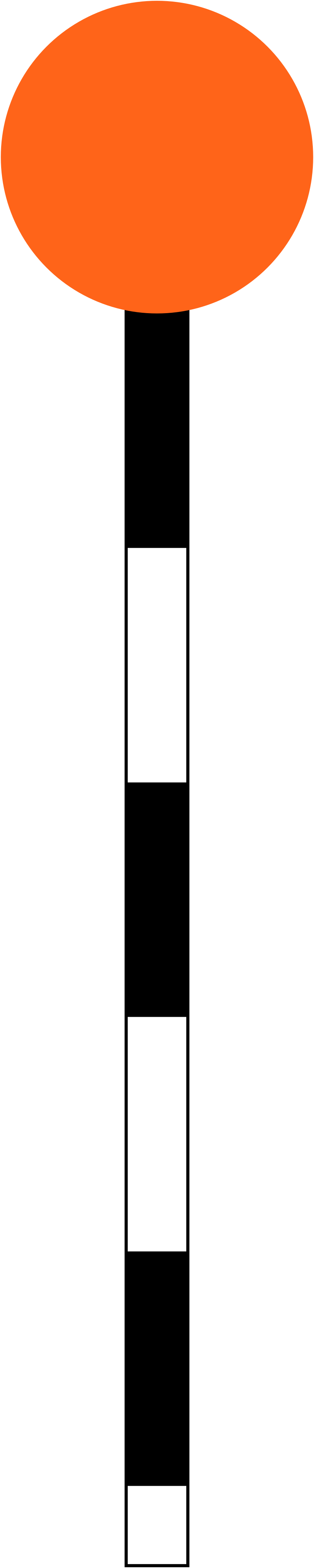
- Blue pedestrian-crossing signs are almost non-existent – zebra crossings are marked by black-and-white striped poles with a yellow globe on top (Belisha beacons, also in Ireland).
United States
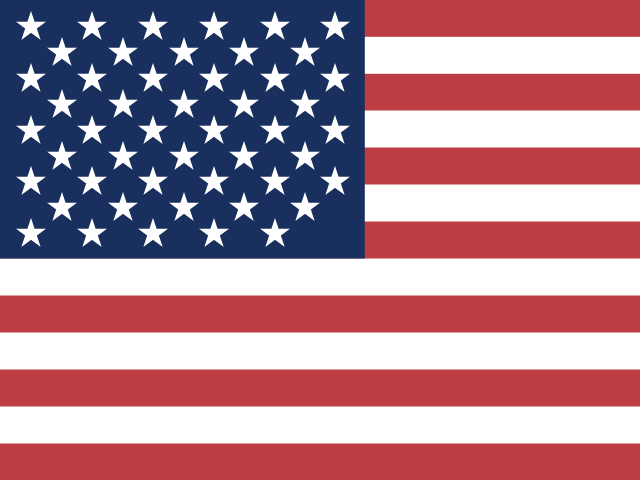
- Speed sign “SPEED LIMIT” (two lines) in mph – values often end in 5 (25, 35, 45). Canada: single-line “MAXIMUM” in km/h.
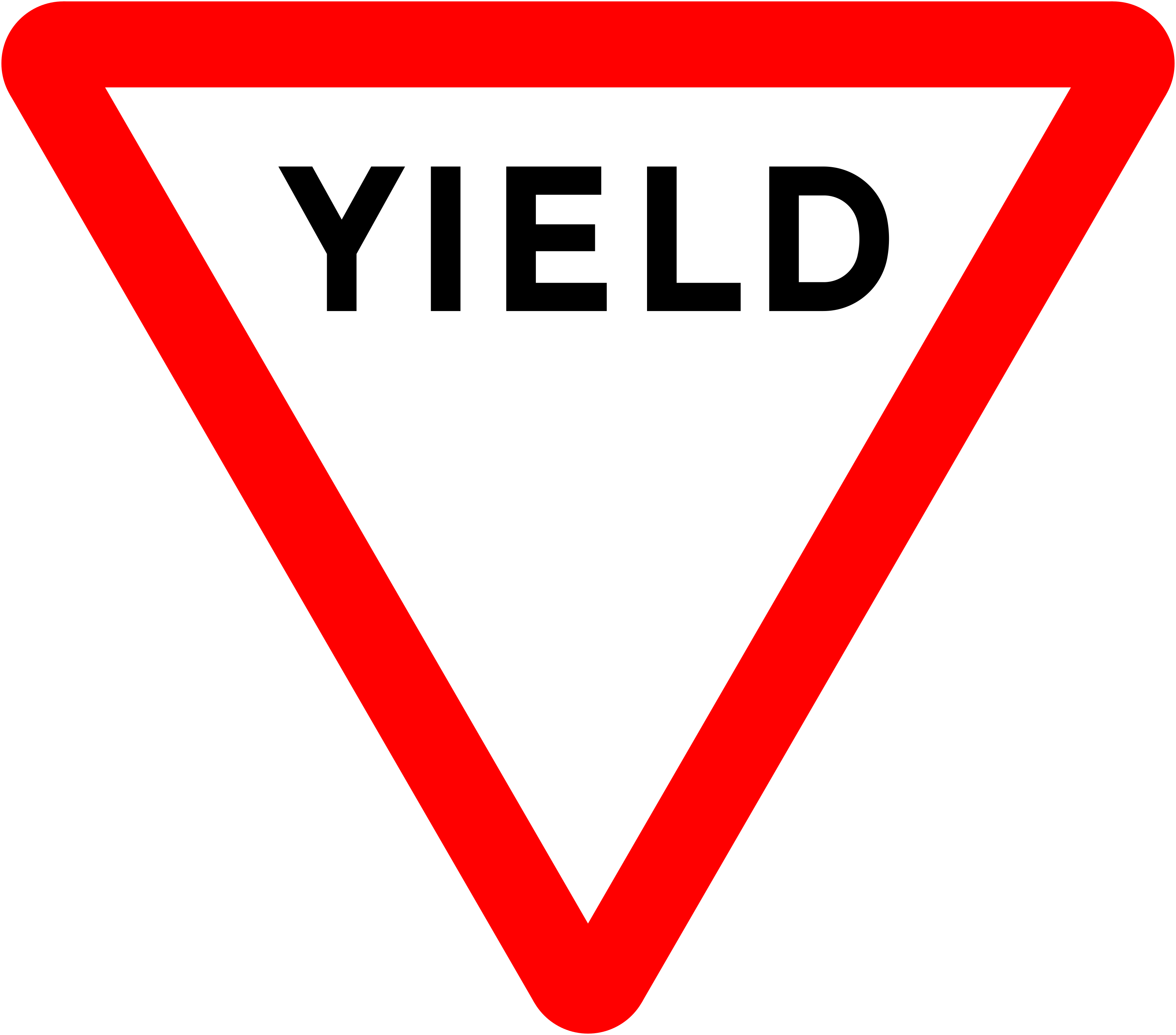
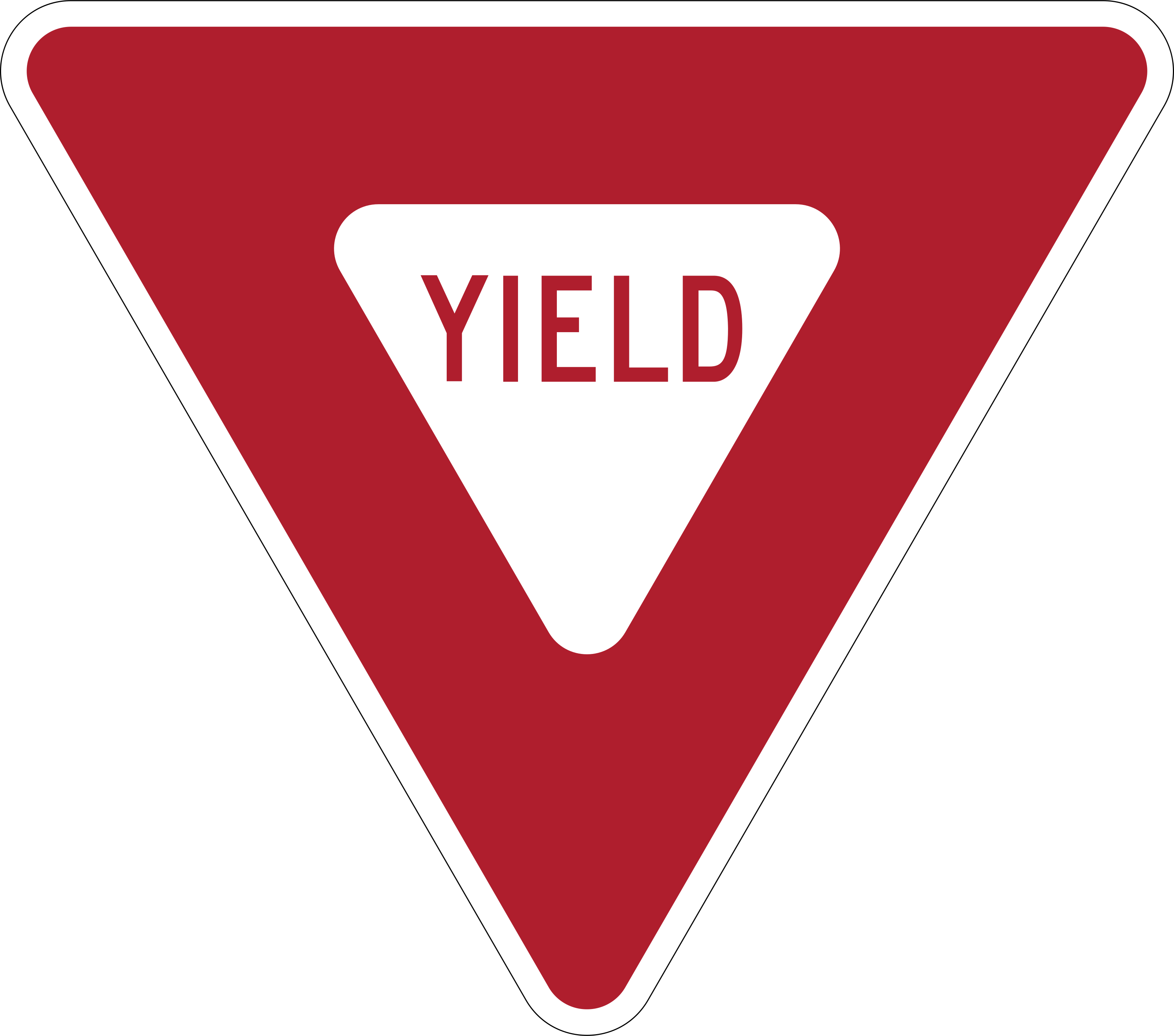
- Yield triangle with the word “YIELD” and railroad crossings with “RAILROAD CROSSING” – in Canada both are usually blank.
- Yellow diamond warning signs, often with text right on the diamond; Canada tends to put the words on a separate plate below.


Uruguay
- Thick, white-painted wooden sign posts, often with up to four rectangular notches at the back (thick wooden posts otherwise only in Bolivia).
- Chevrons yellow/orange with black arrows – not white and red as in neighbouring Argentina.
- Route shield: blue shield with a white number and white border.

US Virgin Islands
- US-standard traffic signs (STOP, SPEED LIMIT in mph, yellow diamonds) – but traffic drives on the left, the only US jurisdiction to do so.
- Some street names are still Danish (e.g. “…gade”), with bilingual street signs in the historic downtowns.
Vanuatu
- Coverage is almost only trekker on Ambrym – hardly any signs there, just jungle, volcano, black sand and thatched huts.
- On Efate (Port Vila) there are Australian-style signs: green place-name plates, speed limits in a red ring on a white rectangle.
Vietnam
- Warning signs: triangles with a yellow-orange background and red border – unique in Southeast Asia (neighbours use yellow diamonds).
- Sign posts are painted with red and white stripes.
- Direction signs are blue with a very thin white border or none at all; the white arrows often point at odd angles.


Sign images: Wikimedia Commons, licence on each image (hover). Bollard pictures: own renders.